Culture & Heritage
A day with a Maasai family arranged through the conservancy: cattle, food, beadwork, the jumping dance, and questions in both directions.
Culture & Heritage
A day with a Maasai family arranged through the conservancy: cattle, food, beadwork, the jumping dance, and questions in both directions.
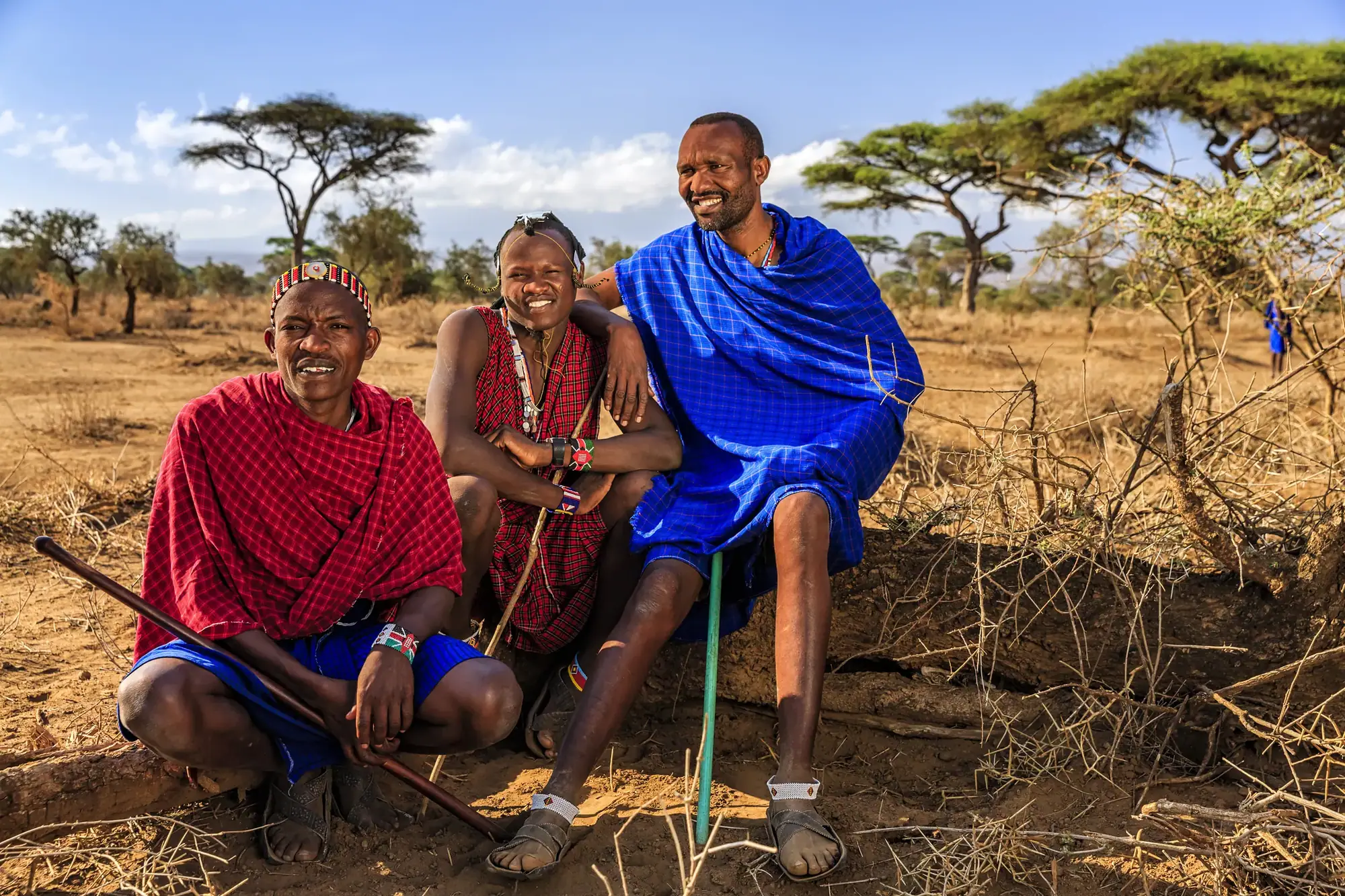
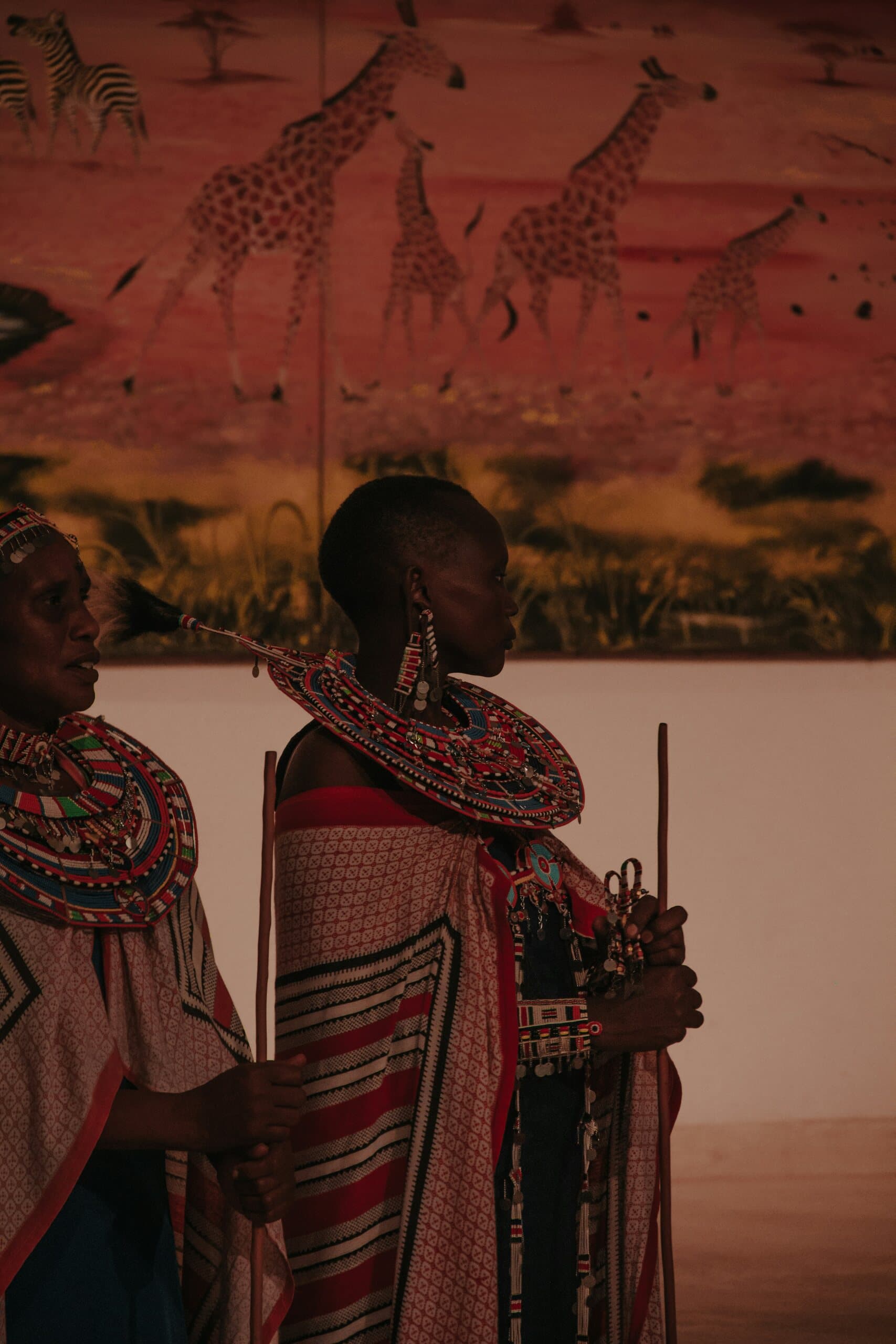
Ask before photographing, accept a no, buy beadwork from the women who made it.
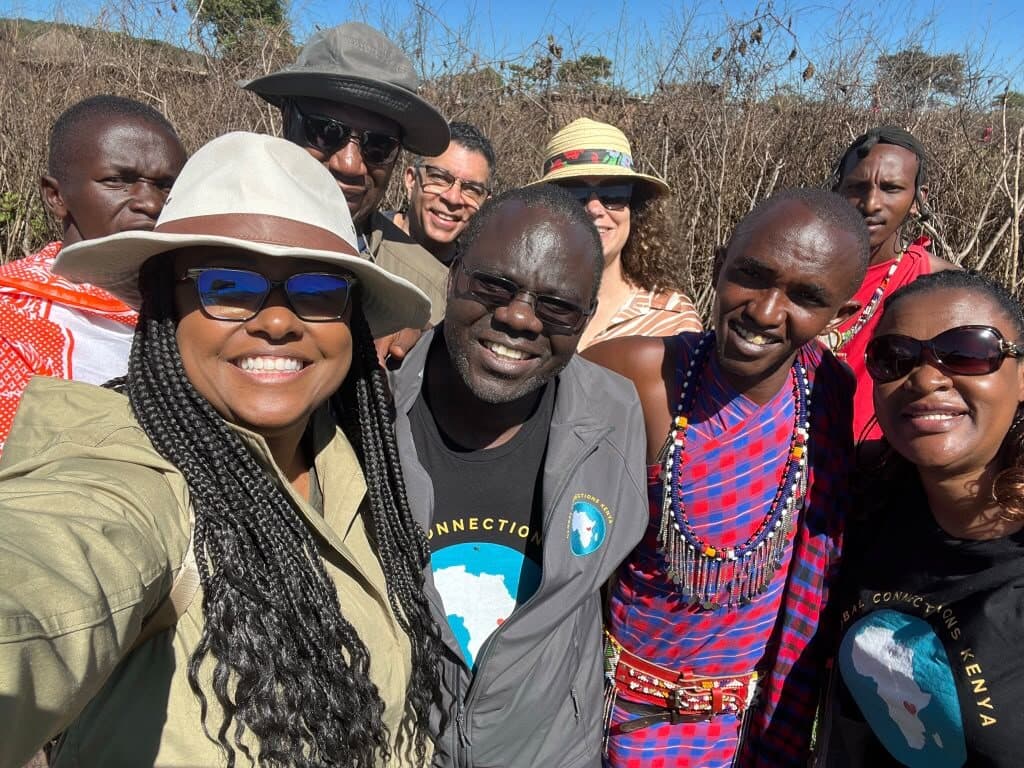
The Maasai are among the best-known peoples in Africa, and in Kenya you meet them on their own land. Most of the conservancies around the Maasai Mara National Reserve belong to Maasai families who lease their land for wildlife, so the people hosting you are part of the reason the lions are still there. A visit arranged through a conservancy links the culture you came to see with the community conservation model Kenya helped pioneer. It turns a safari into a conversation with people who have lived alongside these animals for generations.
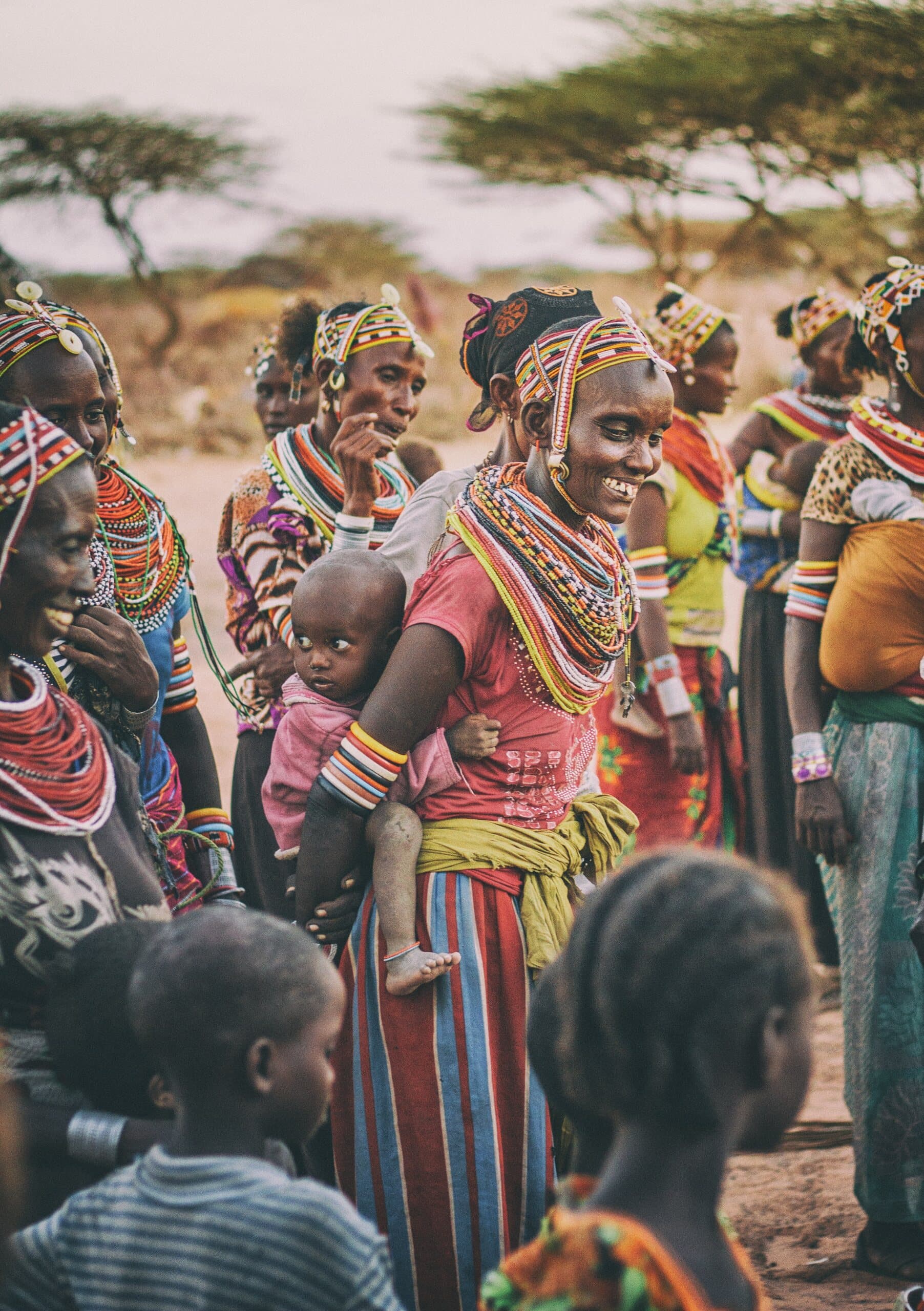
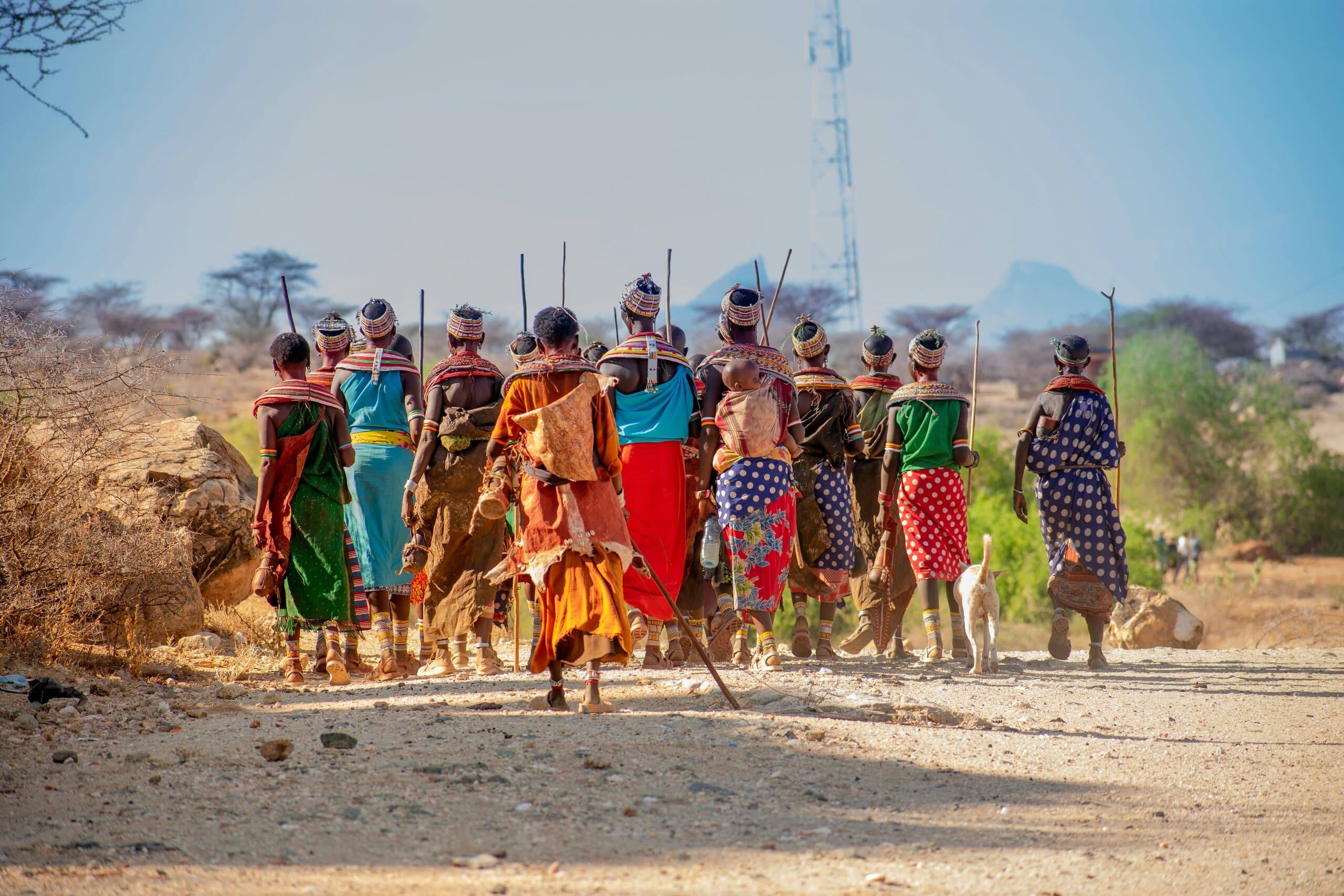
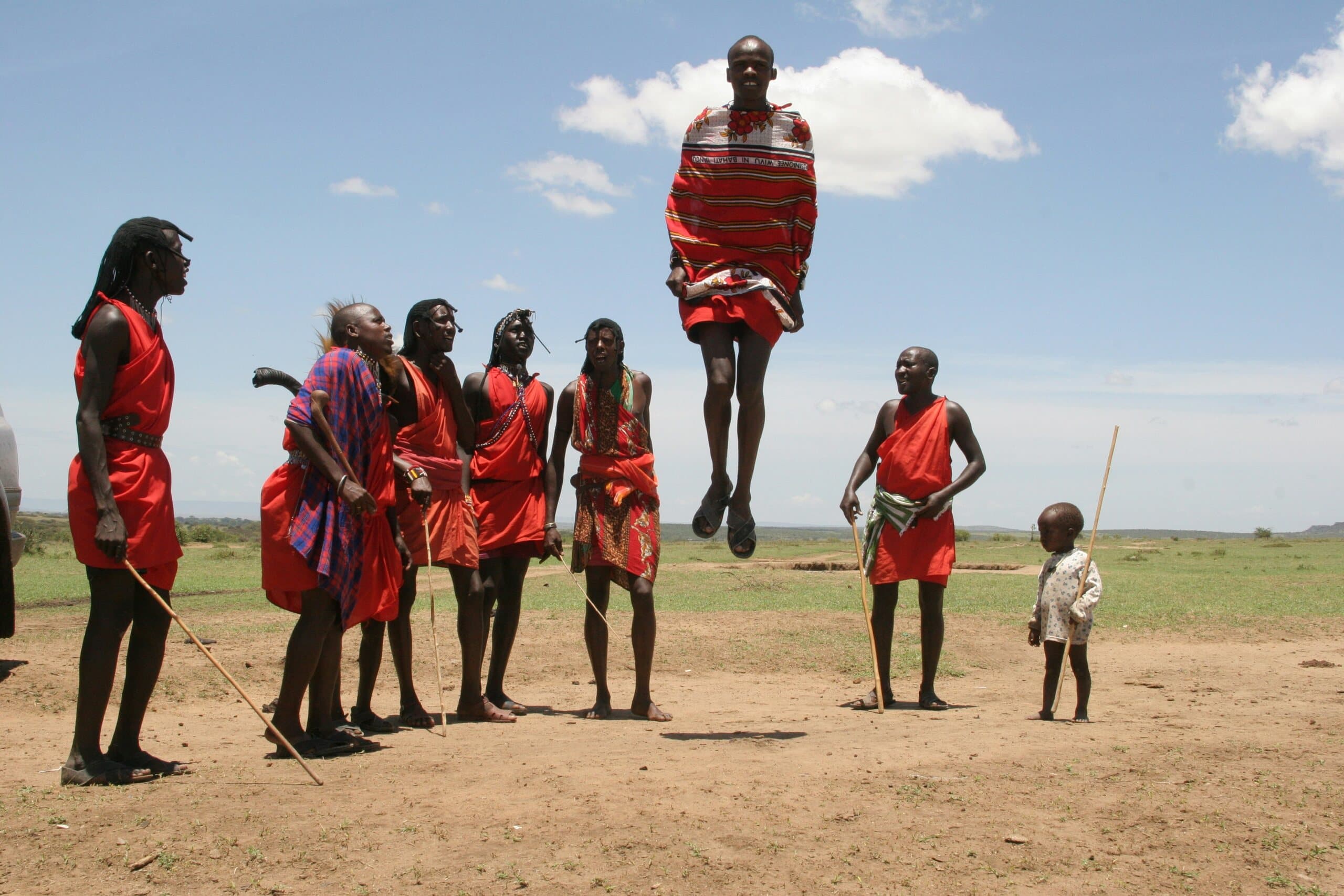
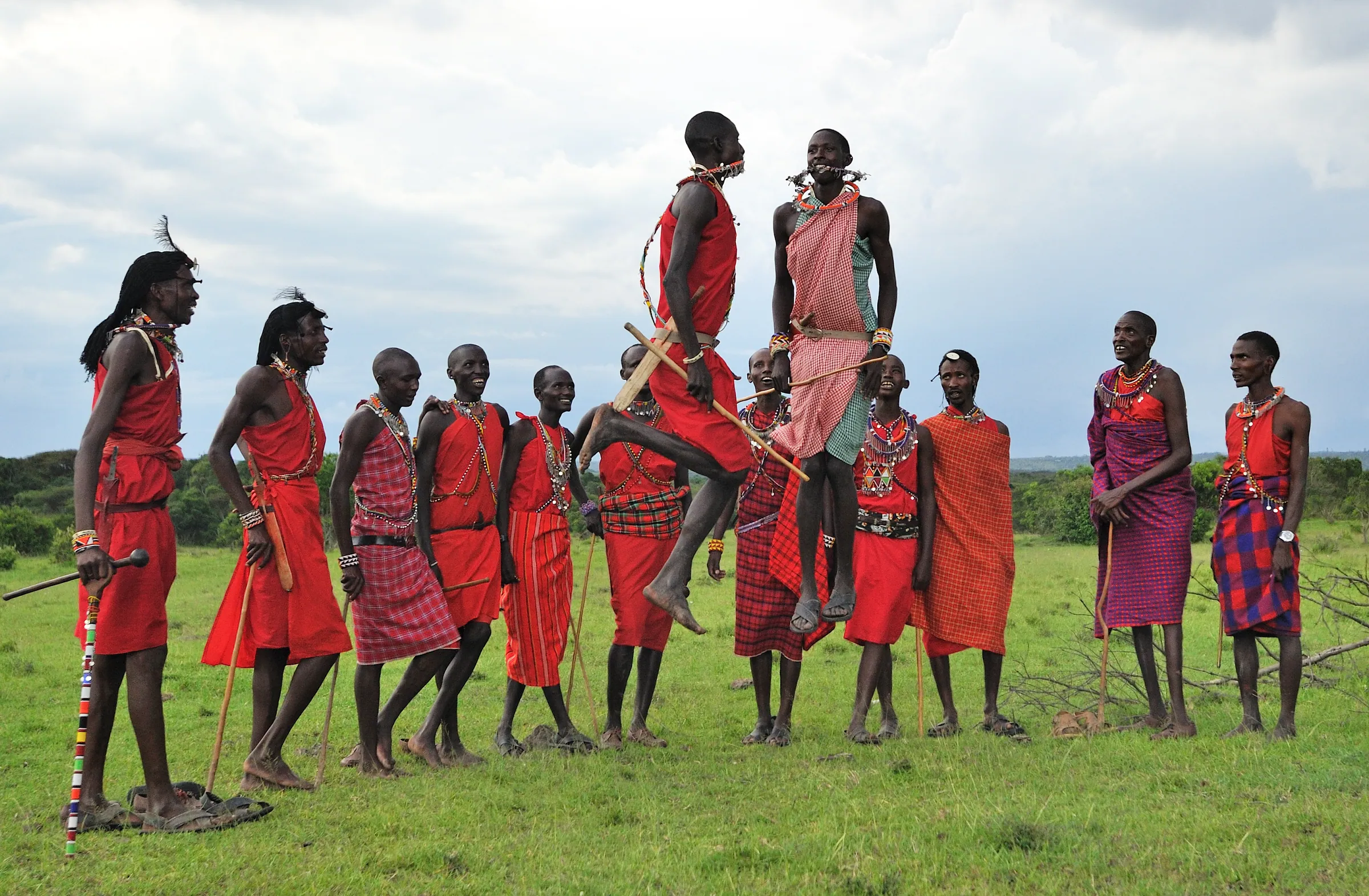
We arrange the day ahead with a specific family or community group, agree what they are comfortable sharing, and pay the hosts directly at an agreed rate. You arrive with your guide, who translates between English, Swahili and Maa where needed. Expect a welcome, a walk through the homestead, called an enkang, and time inside a house the women built from wood, mud and dung. You may see cattle brought in, fire lit with sticks and beadwork in progress. The adumu, the jumping dance, is shared when the young men choose to share it.
Most of our visits take place in communities around the Maasai Mara, usually a short drive from camp, so they fit into a morning or afternoon between game drives. We can also arrange visits near Amboseli, where Maasai families live within sight of Kilimanjaro. Visits run year-round. In the long rains, usually around April and May, tracks can be muddy and timings may shift. Mornings tend to be cooler and quieter, and late afternoon light is soft for any photos your hosts agree to.
Families do especially well here, because children often connect fastest, through games, cattle and questions adults are too shy to ask. For diaspora travelers and African American heritage groups, the exchange can feel personal, since hosts are just as curious about life in America. Students and faith groups can arrange a longer session on schooling, land or how pastoral life is changing. Travelers with limited mobility can usually join: the walking is short, though the ground is dusty and uneven in places.
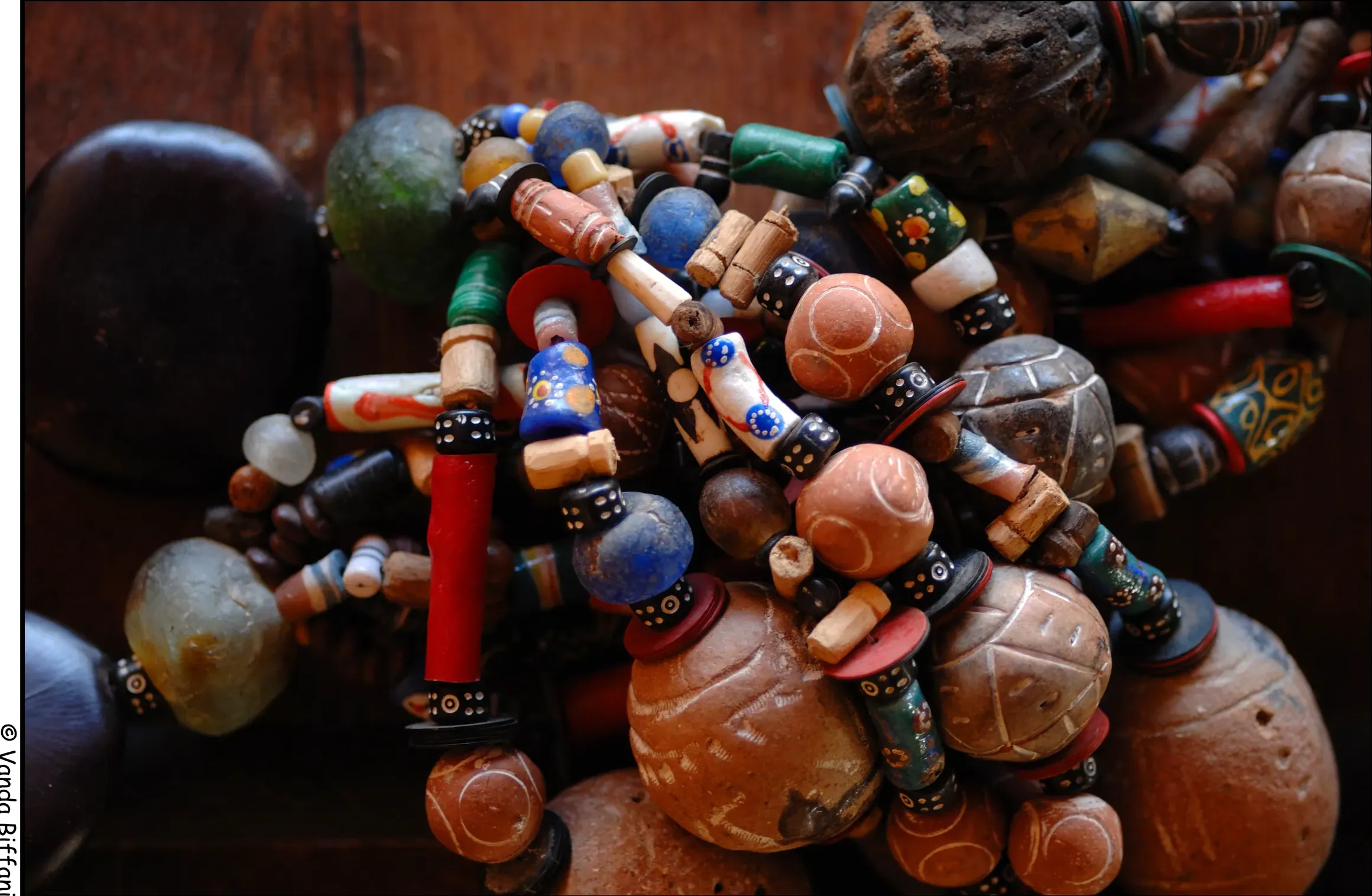
Wear modest, comfortable clothes and closed shoes for dusty ground and cattle enclosures. Ask before every photo, through your guide. Greet elders first. If you want to bring something, ask us beforehand: supplies given to a school or community group help more than handouts to children. Bring cash in small notes if you plan to buy beadwork. Flies can be persistent around cattle, so a hat and sunglasses help. Come with questions about daily life, and be ready to answer some about yours.
Kenya Experience is Kenyan-led, with two U.S. companies behind it, and our Kenyan guides know the communities who host. We build the visit into your Mara or Amboseli safari, and you can pay in full or monthly with no deposit. Send us your dates and a specialist replies within two business days.
We don't do drive-by photo stops. Visits are arranged with a specific community, paid fairly and hosted by people who choose to host. Expect to be asked about your own life as much as you ask about theirs.
Visitors often use manyatta for any Maasai homestead, though the word traditionally means a warriors' camp. A family homestead is usually called an enkang: a ring of houses and cattle pens inside a thorn fence.
Yes, with permission. Ask through your guide before photographing anyone, and accept a no. Many hosts are happy to be photographed once you have spent time together.
Usually two to three hours, which fits a morning or afternoon between game drives. Longer exchanges for school or faith groups can run most of a day.
Many do, especially younger people who went to school, and most also speak Swahili and Maa. Your guide translates so elders can join the conversation.
The adumu belongs to young men's ceremonies, and some hosts share it with visitors as a welcome. We never ask a community to stage a performance, so what you see depends on what your hosts choose to share.
Panga
Panga means plan. Tell us who is going and what you love. A Kenya specialist replies within two business days.