Know Kenya. Updated November 2026. 3 min read.
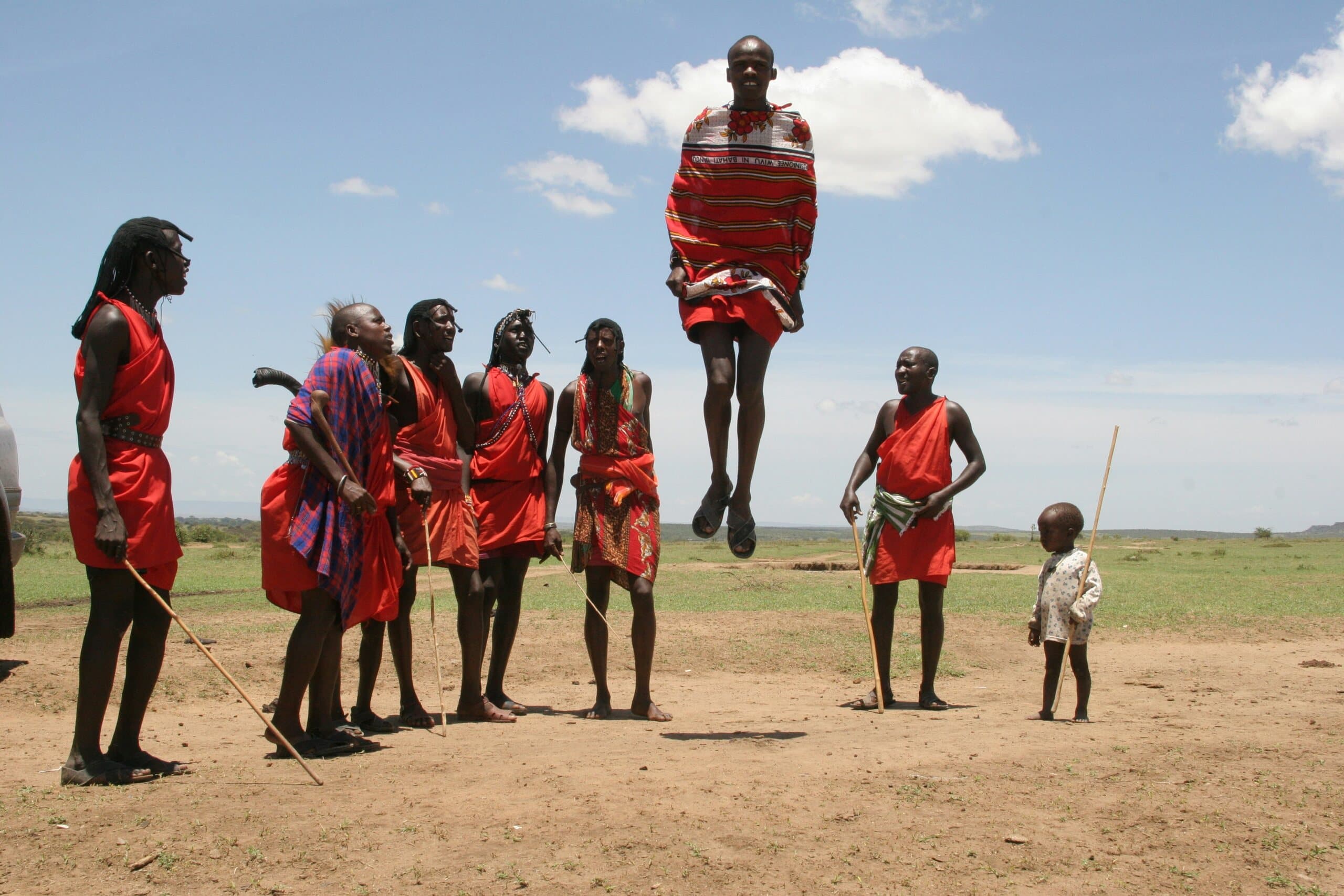
Kenya is home to more than forty ethnic communities, each with its own language, food and traditions, held together by Kiswahili, English and a strong sense of being Kenyan. Visitors tend to meet the Maasai first, but the country's culture is far wider than any one community.
Communities you will meet
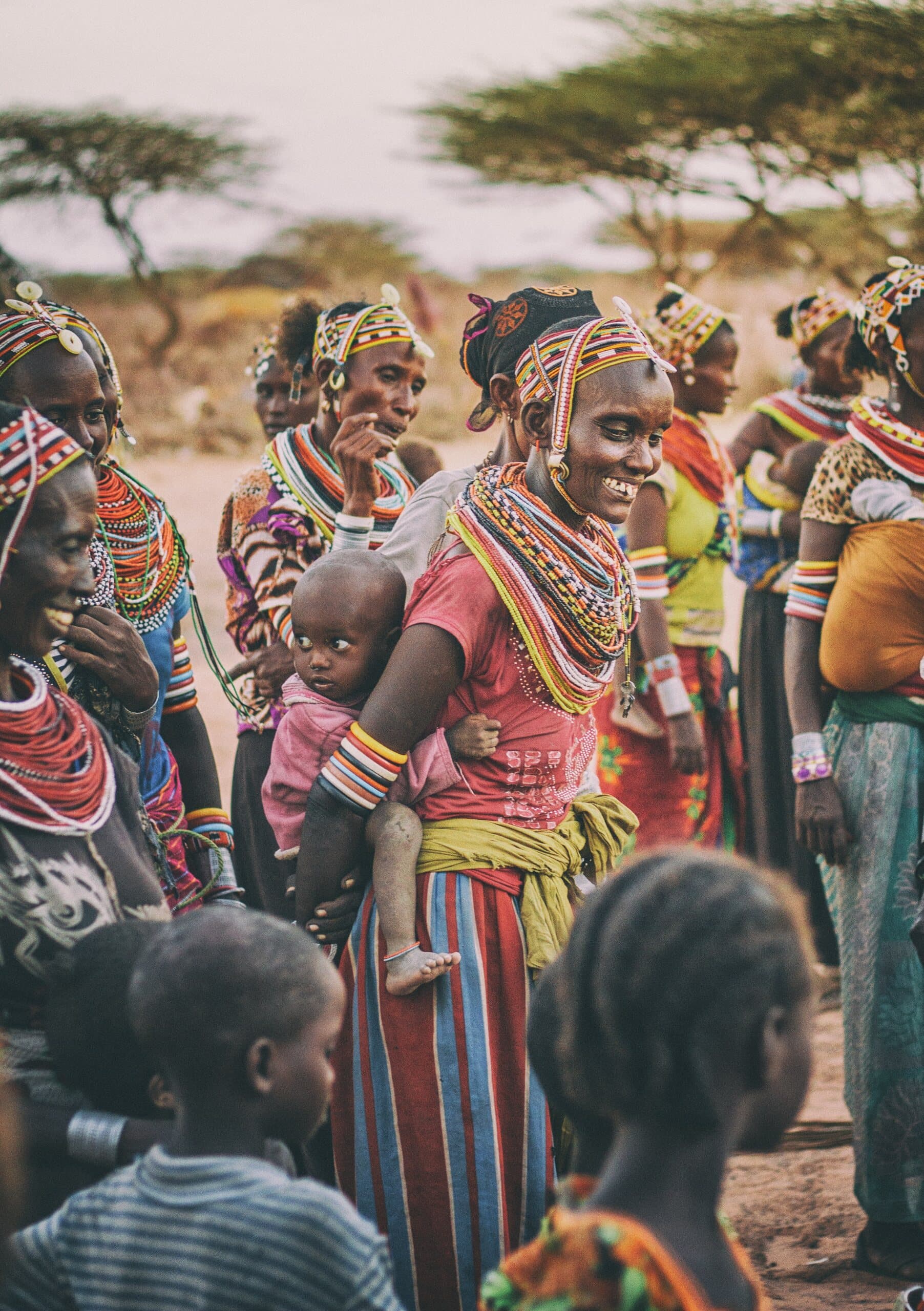
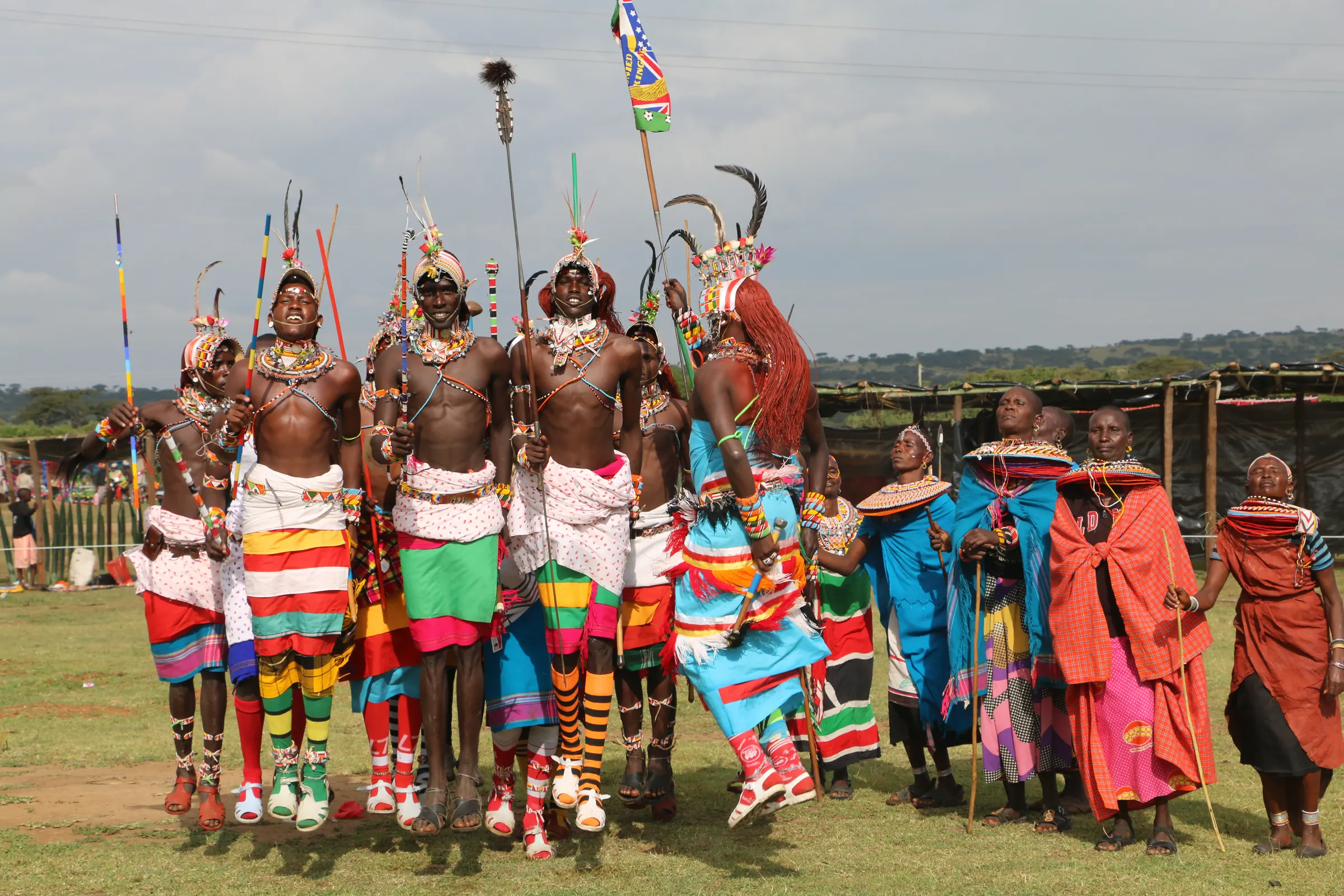
Where you travel decides who you meet: Maasai hosts in the Mara and Kajiado, Samburu in the north, Swahili families on the coast, Luo fishermen on Lake Victoria, Kalenjin runners in Iten, Kikuyu farmers around Mount Kenya. Our guide to Kenya's peoples covers each community in turn, with its homeland, language, history and a greeting, so this page sticks to what every visitor needs: food, music and good manners.
Food
Ugali, a firm maize porridge, is eaten with sukuma wiki greens and stew across the country. Nyama choma, grilled meat shared at weekends, is a national ritual. The coast cooks with coconut, tamarind and spice: pilau, biryani, samaki wa kupaka and mahamri with chai. Chapati, a legacy of the Indian community, is everyone's favorite.
Music and festivals
Benga from Luo country, taarab from the coast, and today's Nairobi pop and gengetone fill the matatus. The Lamu Cultural Festival celebrates Swahili heritage with dhow races and poetry, and county festivals across the country showcase local music and food.
Good manners
- Greet before you ask: Habari? Nzuri. It matters
- Ask before photographing people, and accept no
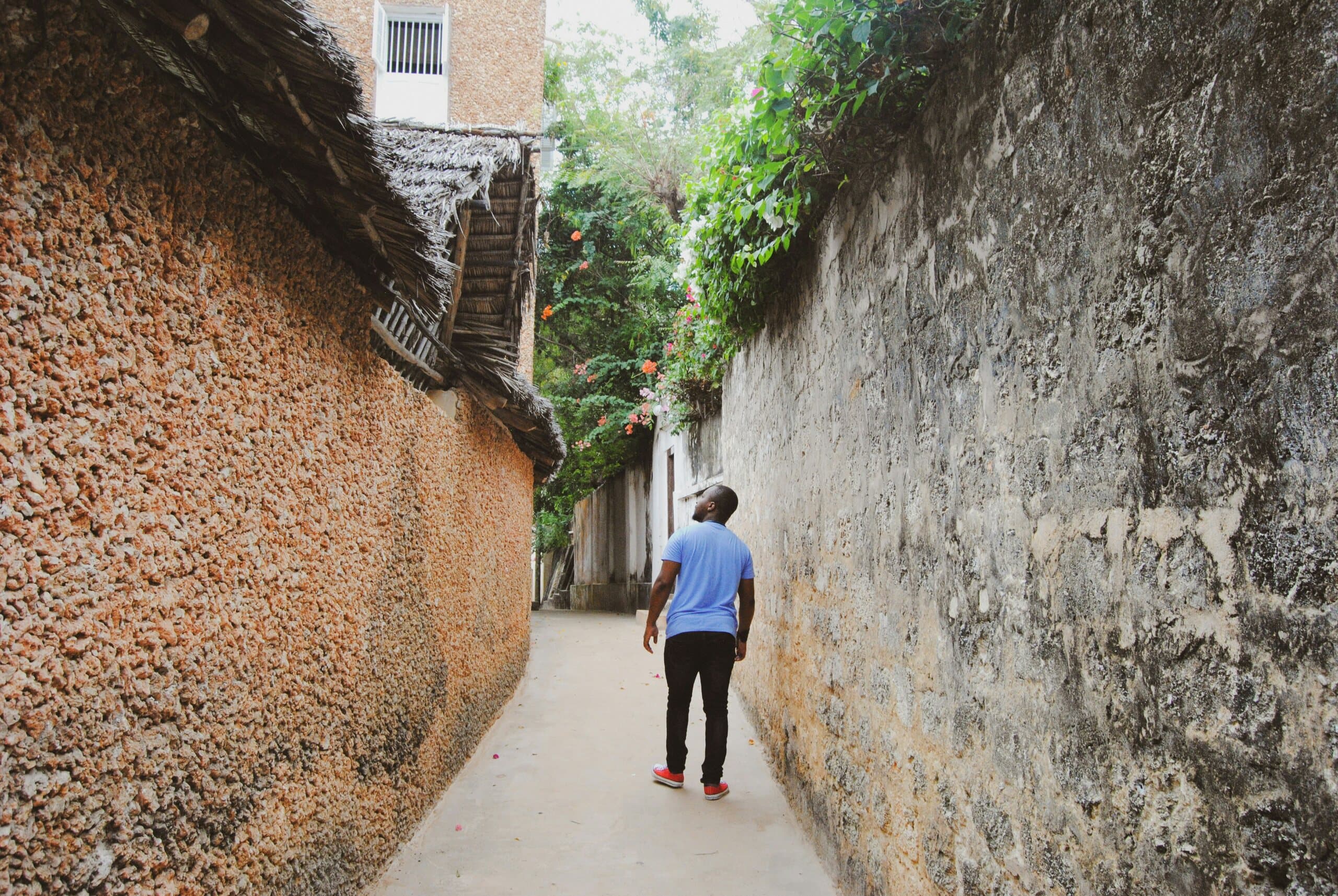
- Dress modestly in Lamu and coastal towns, where most people are Muslim
- Use your right hand to give and receive
- Visit communities through hosts, not as a spectacle