Know Kenya. Updated November 2026. 3 min read.
Almost every indigenous Kenyan community speaks a language from one of three families: Bantu (Niger-Congo), Nilotic (Nilo-Saharan) or Cushitic (Afro-Asiatic). The National Museums of Kenya uses this three-way scheme and splits Bantu speakers into Western, Central and Coastal groups. Language family is a classification of speech, not of ancestry: communities have intermarried, absorbed one another and switched languages for centuries.
Bantu speakers
- Central, around Mount Kenya: Kikuyu, Embu, Mbeere, Meru, Tharaka and Kamba. Historically hoe farming, livestock and trade
- Western, in the Lake Victoria basin: Luhya, Gusii, Kuria and Suba. Farming, cattle and fishing
- Coastal: Mijikenda, Swahili, Bajuni, Pokomo, Taita, Taveta, Walwana, Makonde and Gosha. Farming, fishing and Indian Ocean trade

Nilotic speakers
- River-Lake, or Western: the Luo. Fishing, farming and cattle
- Highland, or Southern: the Kalenjin peoples, Ogiek and Sengwer. Cattle, millet farming and forest foraging
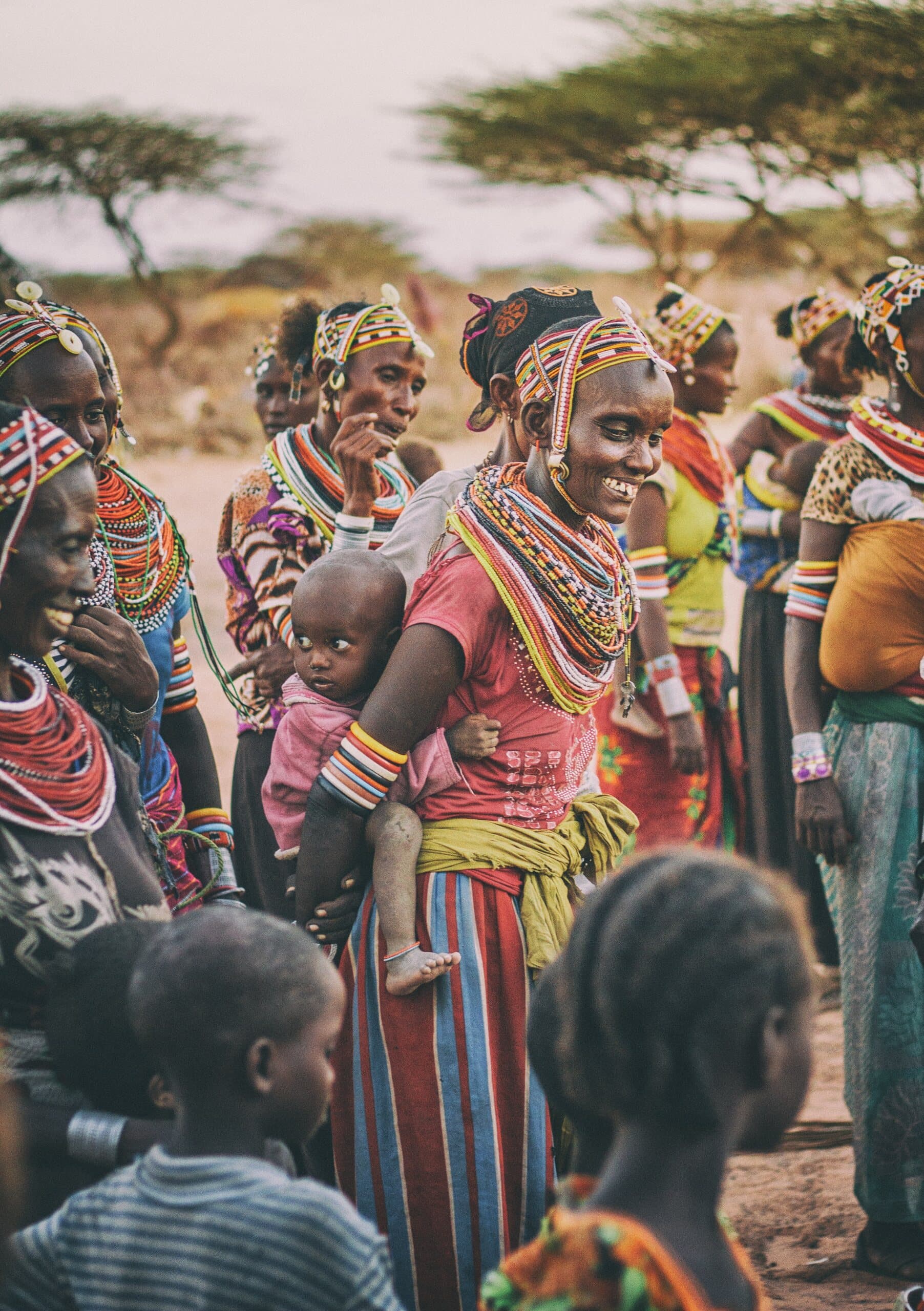
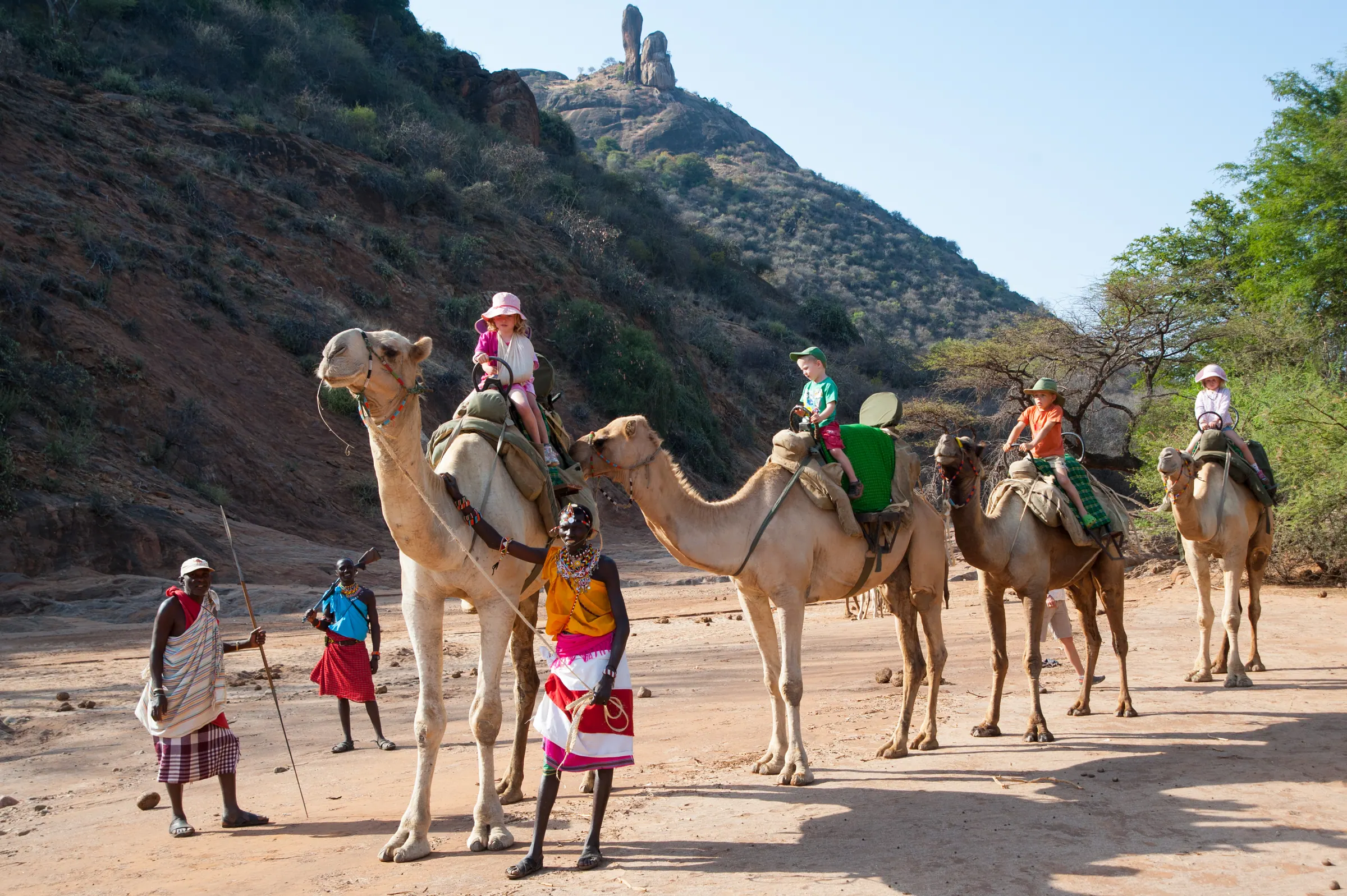
- Plains, or Eastern: Maasai, Samburu, Ilchamus, Turkana and Iteso. Pastoralism
Cushitic speakers
- Eastern, Somali branch: Somali, Rendille and Aweer. Camel pastoralism and foraging
- Eastern, Oromo branch: Borana, Gabra, Orma, Sakuye and Wayyu. Cattle and camel pastoralism
- Eastern, other: Burji, Konso, Daasanach and El Molo. Farming, agro-pastoralism and fishing
- Southern: the Dahalo. Foraging
How they arrived
The earliest inhabitants were hunter-gatherers. Cushitic-speaking herders from the Horn of Africa followed, with archaeological estimates of their arrival ranging from roughly 3200 to 1000 BC. Nilotic-speaking pastoralists began moving south from the present South Sudan region from around 500 BC, and Bantu-speaking farmers settled the coast and interior between about 250 BC and AD 500. These dates are scholarly estimates and are revised as new evidence appears.
Later movements shaped today's map. Kikuyu oral tradition places their ancestors north-east of Mount Kenya, in a migration probably under way by the fifteenth century. The Luo entered from Uganda between roughly the fifteenth and eighteenth centuries, the Maasai expanded down the Rift Valley in the seventeenth and eighteenth, and Oromo and Somali groups pushed south into the north and the Tana basin from the sixteenth century onward.
What colonial rule changed
British administration from 1895 drew district boundaries around presumed tribes, created native reserves and issued the kipande pass naming each man's tribe. Historians such as Timothy Parsons have shown that people had earlier changed identity through migration, trade, marriage and adoption. The umbrella names Luhya, Kalenjin and Mijikenda were all coined or popularised in the 1930s and 1940s.
One country, many languages
Kiswahili and English are Kenya's official languages, and most Kenyans speak one or both alongside their mother tongue. A greeting in someone's own language is warmly received anywhere in the country.