Know Kenya. Updated November 2026. 3 min read.
Kenya has no single official list of its ethnic communities. The 2019 census reported 45 main groups, and more than 120 categories once sub-groups are included. It counted 47,564,296 people, and no community is a majority: the largest, the Kikuyu, is about 17% of the population. A further 183,023 people answered simply "Kenyan".
Where the number 42 comes from
The "42 tribes" figure traces to the 1969 census, the only one that counted exactly 42 groups. Censuses between 1948 and 1989 counted between 38 and 47, and the number roughly tripled in 2009. The political scientist Samantha Balaton-Chrimes argues, in her 2026 book Knowing Ethnicity, that state lists of ethnic groups contradict each other and that the vagueness is deliberate.
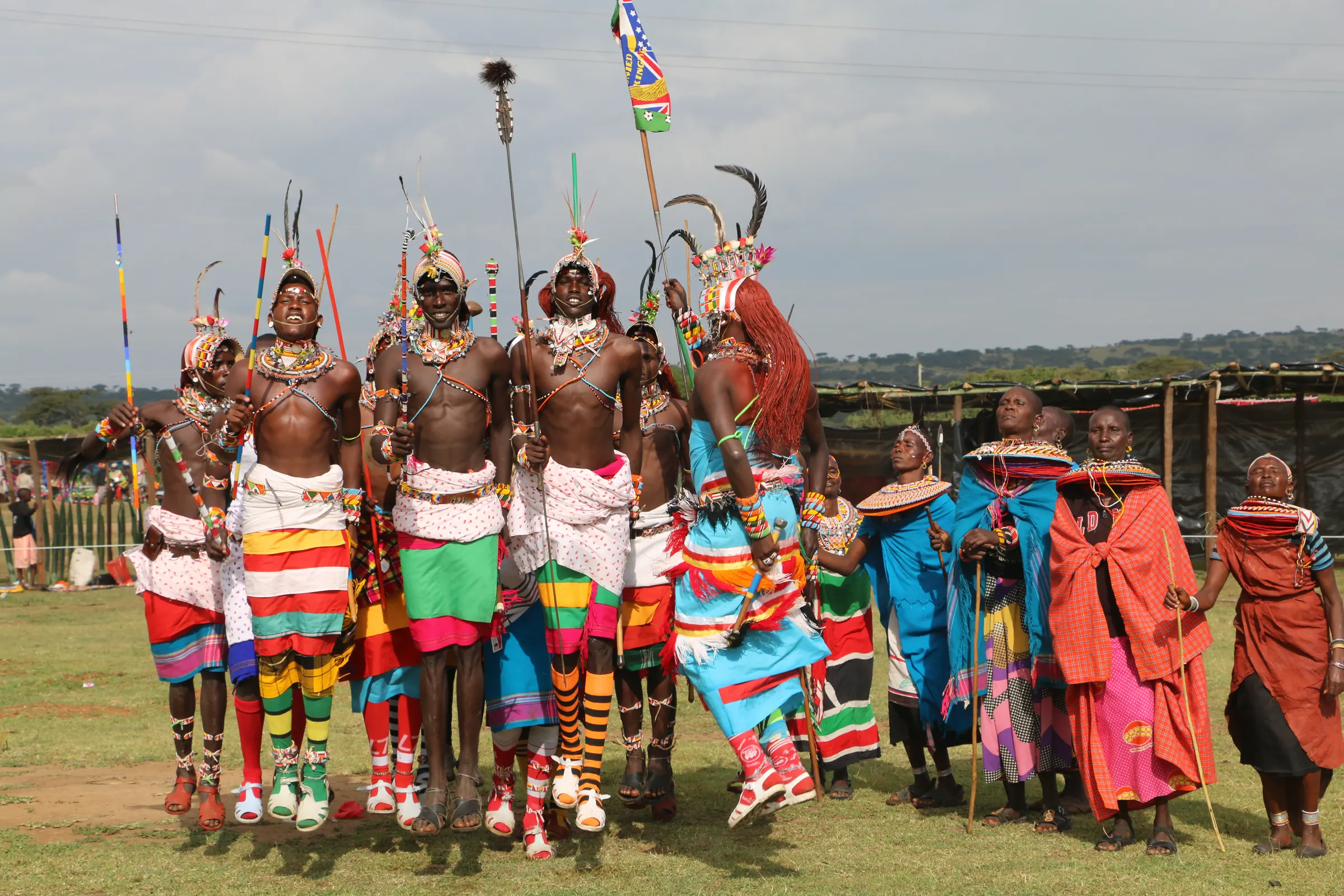
The ten largest communities in 2019
- Kikuyu: 8,148,668
- Luhya: 6,823,842
- Kalenjin: 6,358,113
- Luo: 5,066,966
- Kamba: 4,663,910
- Kenyan Somali: 2,780,502
- Gusii (Kisii): 2,703,235
- Mijikenda: 2,488,691
- Meru: 1,975,869
- Maasai: 1,189,522
Ethnic counts in Kenya are contested, sub-group categories change between censuses, and several smaller groups' numbers moved sharply between 2009 and 2019. Treat any single figure as an estimate.
Recognition and the 43rd to 46th communities
Recognition has become a route to citizenship. The Makonde, who came from Mozambique in the colonial era, were proclaimed the "43rd tribe" in 2017, and Kenyans of Asian heritage the "44th" in July 2017. The numbering after that is disputed: press reports give the Shona as 45th and the Pemba as 46th, while the Wayyu were also announced as the 46th.
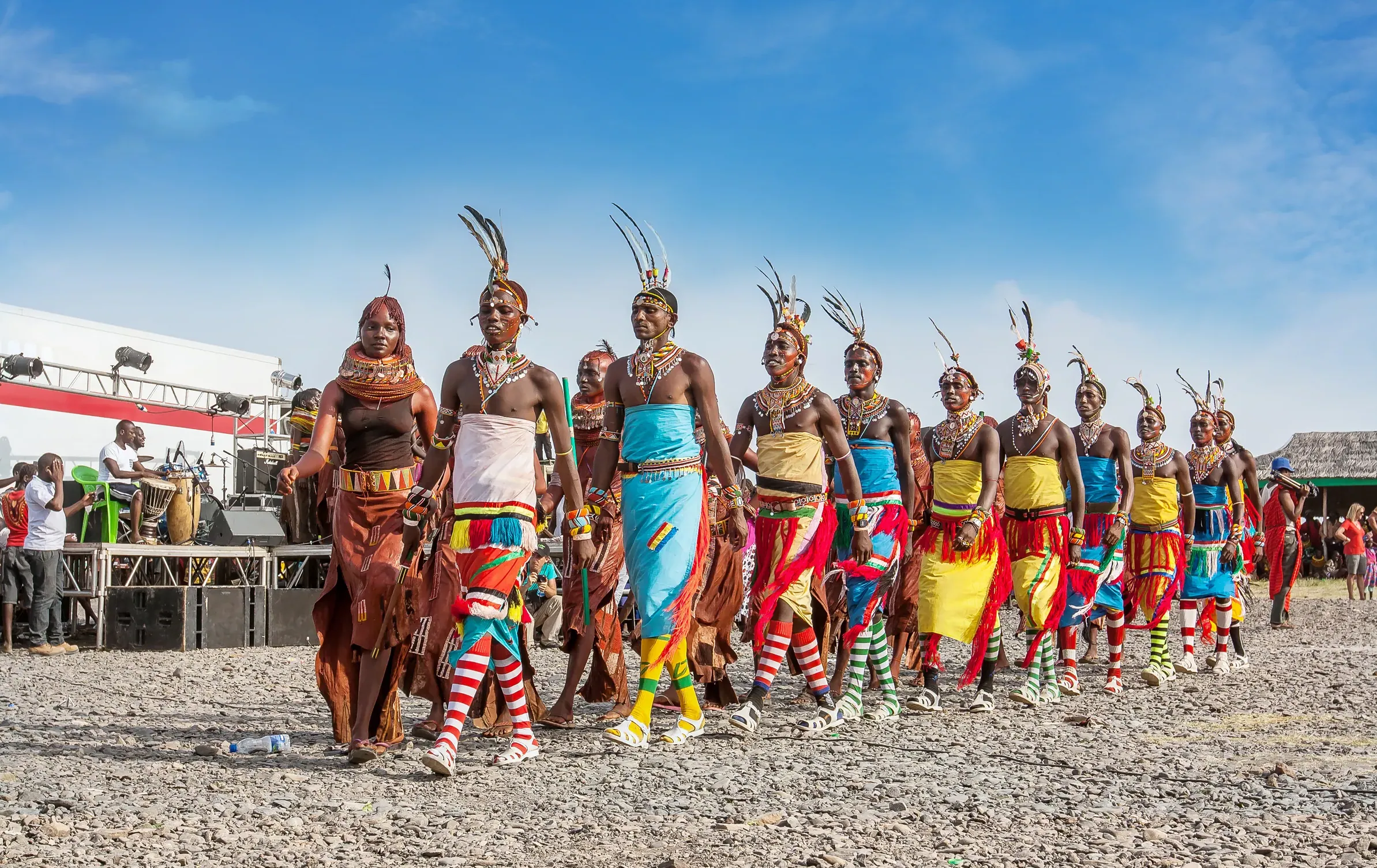
Tribe, community or people?
Kenyans use tribe, kabila in Swahili, in everyday speech. Scholars generally prefer ethnic group, community or people, because many of today's boundaries were fixed by colonial administration rather than inherited unchanged. British rule from 1895 drew district boundaries around presumed tribes and issued the kipande pass naming each man's tribe. Several of the largest communities, the Luhya, Kalenjin and Mijikenda, are twentieth-century federations of older, smaller peoples, and their umbrella names were coined or popularised in the 1930s and 1940s.
Meet them one by one
Our pages on Kenya's peoples cover each community in turn: homeland, language, origins, society, belief, rites of passage, food, arts, history and a greeting. They are grouped by the three language families, Bantu, Nilotic and Cushitic, followed by the communities recognised more recently.