Education & Research
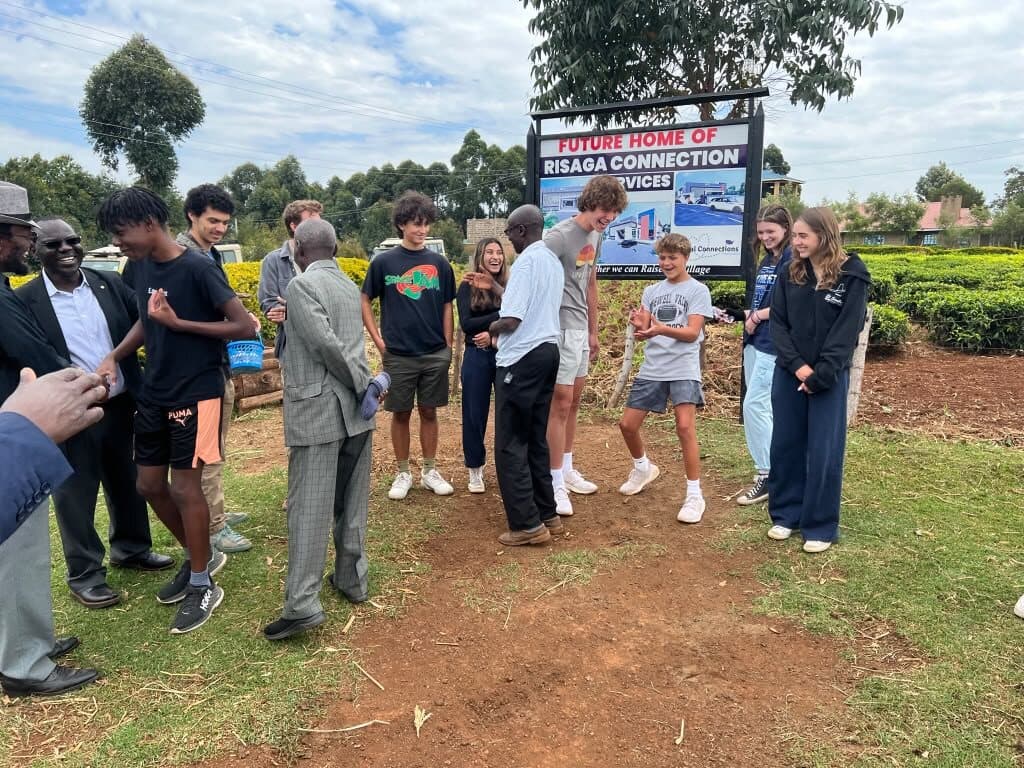
Locally led community projects with partner schools, tree planting and reflection every evening.
Ethical by design.
Education & Research
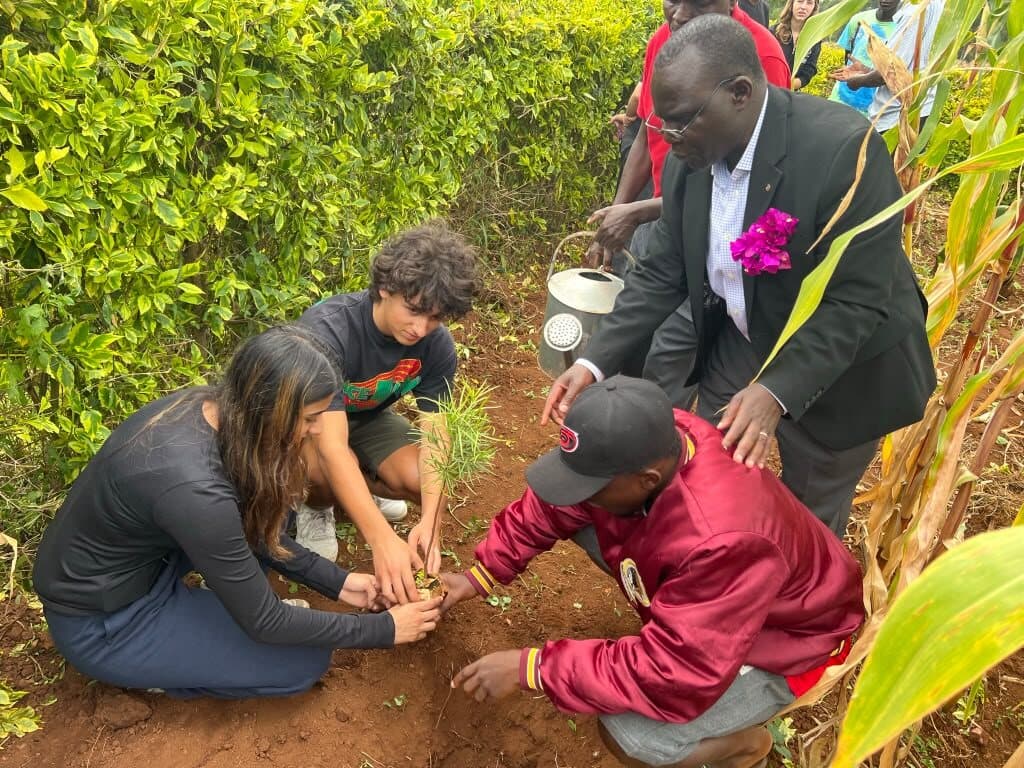
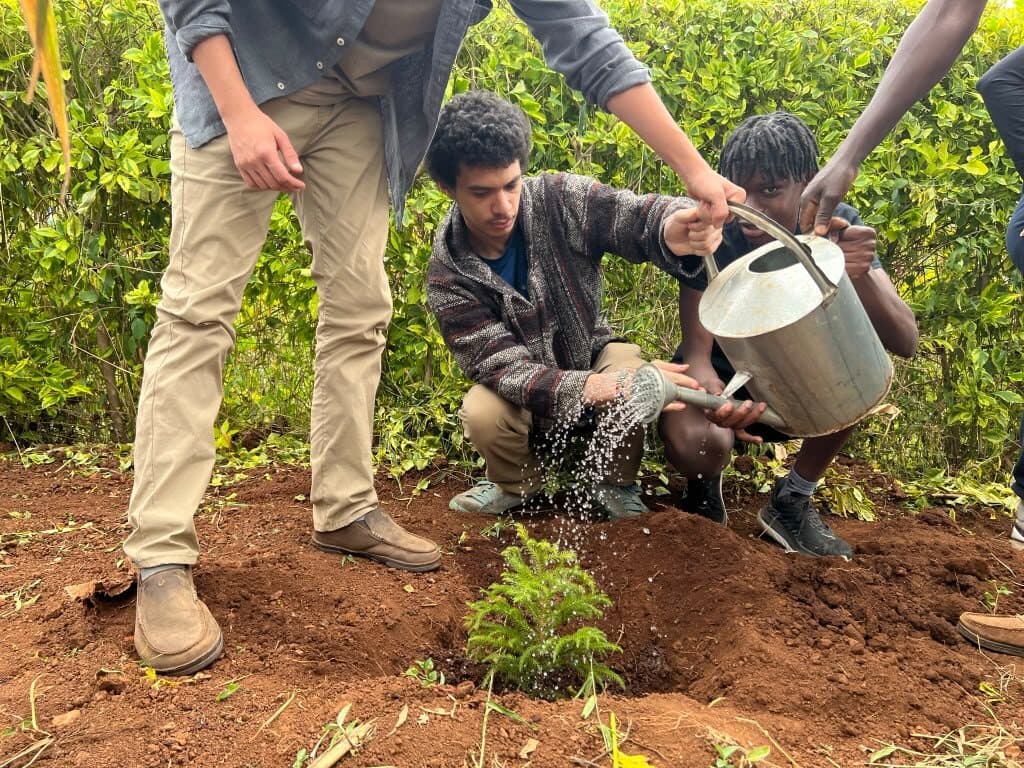
Locally led community projects with partner schools, tree planting and reflection every evening.
Ethical by design.
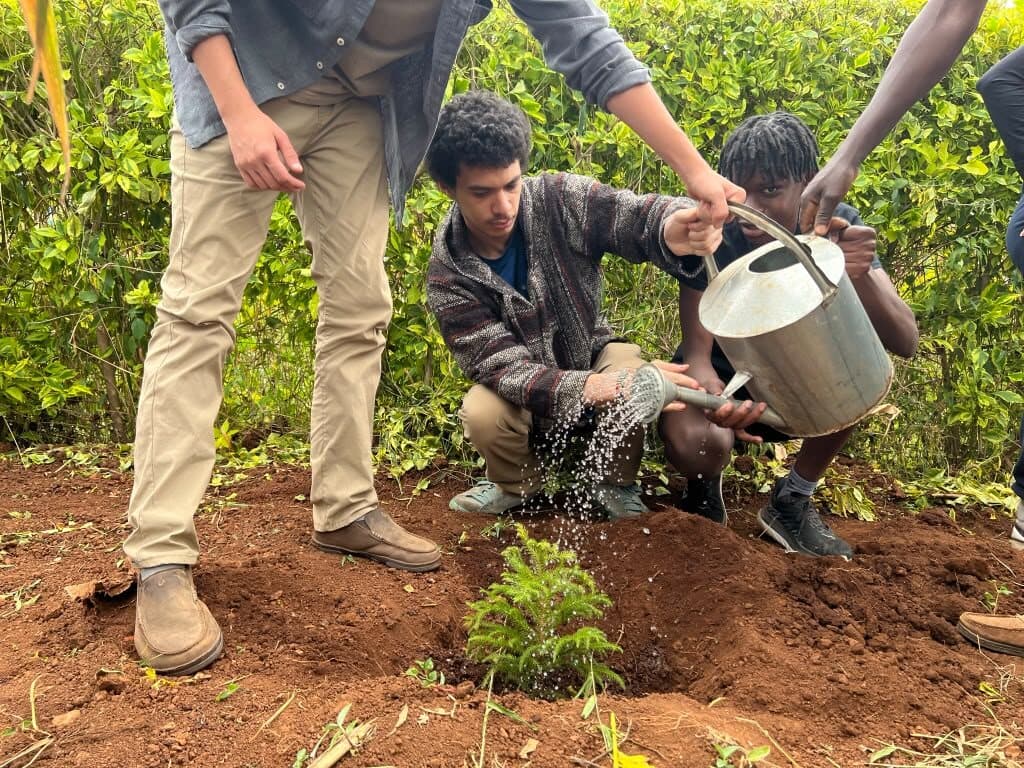
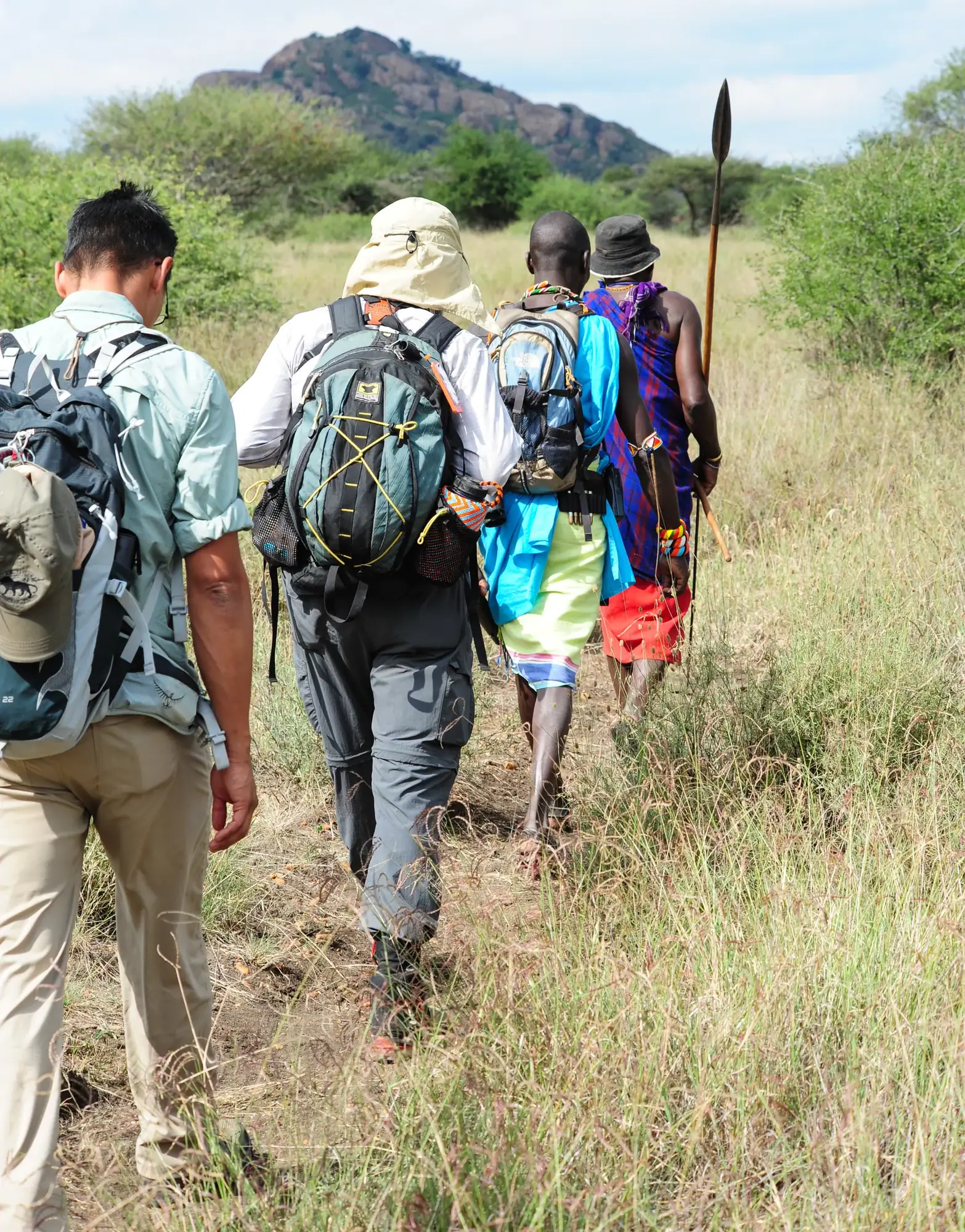
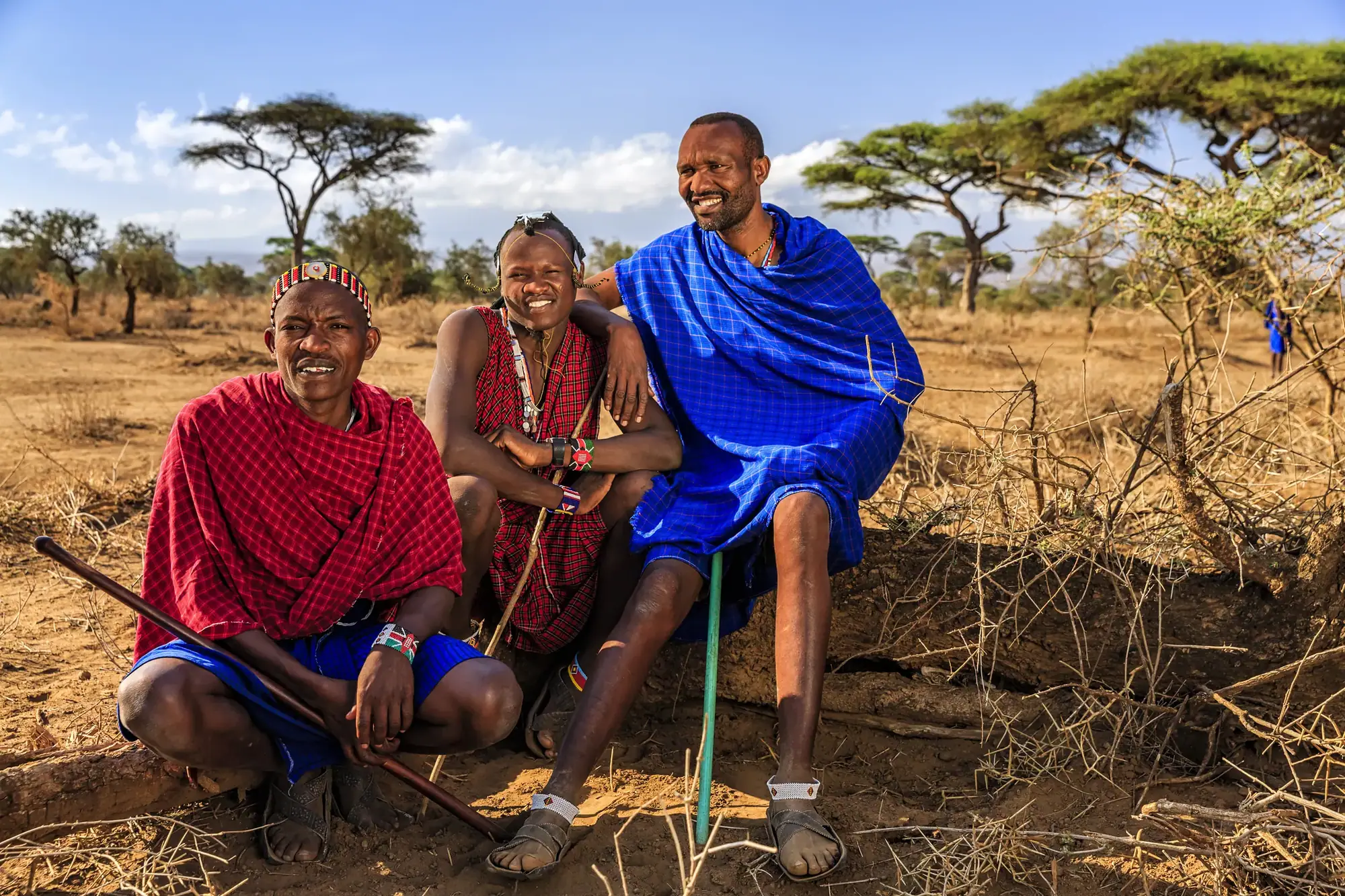
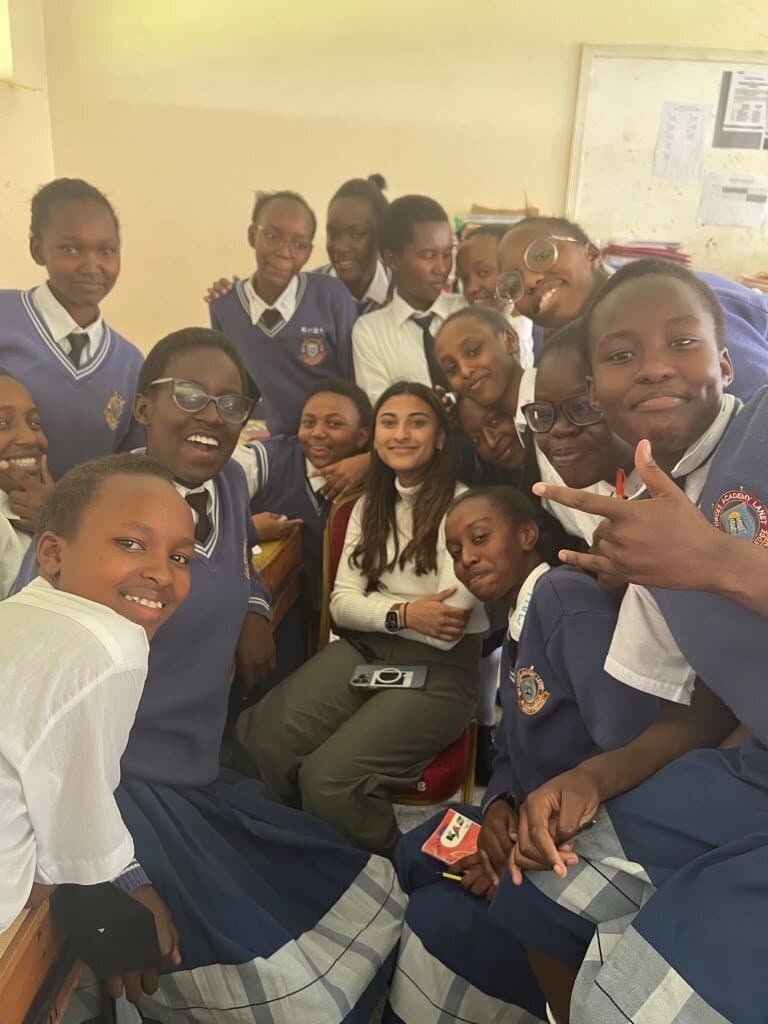
Kenya gives students a rare chance to see community-led development up close, in English as well as Swahili, both official languages. The central highlands carry a proud tradition of tree planting: Wangari Maathai, who grew up in Nyeri, founded the Green Belt Movement and became the first African woman to win the Nobel Peace Prize. Students plant and learn in that landscape, among tea, coffee and smallholder farms below Mount Kenya, beside Kenyan peers who are just as curious about them. The friendships and the questions last longer than the project.
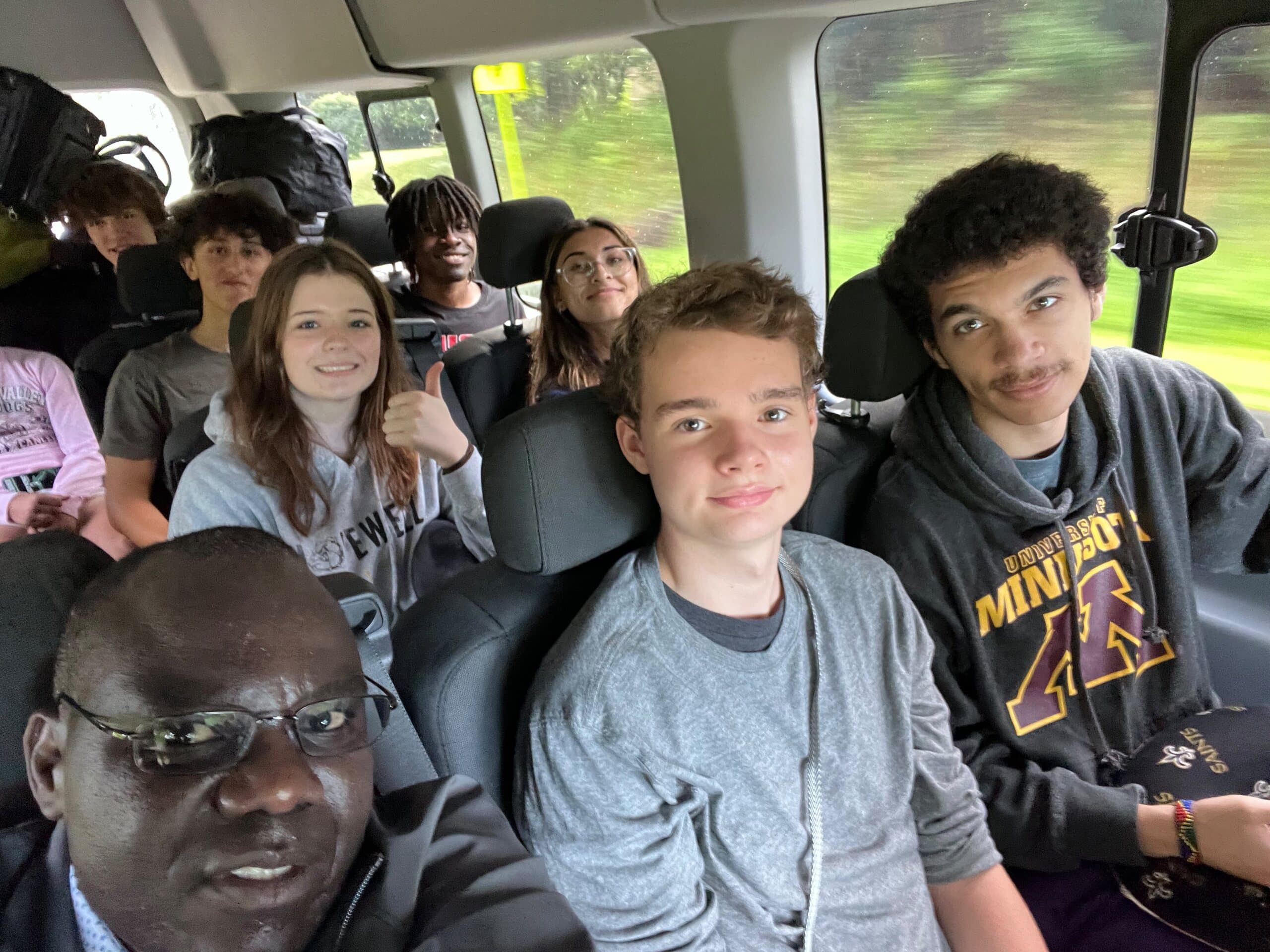
The host school or community names a need months before you travel, and we agree a scope that a visiting group can genuinely help with in a few days. Materials are budgeted with the project and bought from local suppliers. Skilled work stays with Kenyan tradespeople; students help, learn and record what was done. Before the group leaves, the hosts confirm who will maintain the garden, nursery or library. Gifts are not handed out to children, and any donation goes through the institution, by agreement.
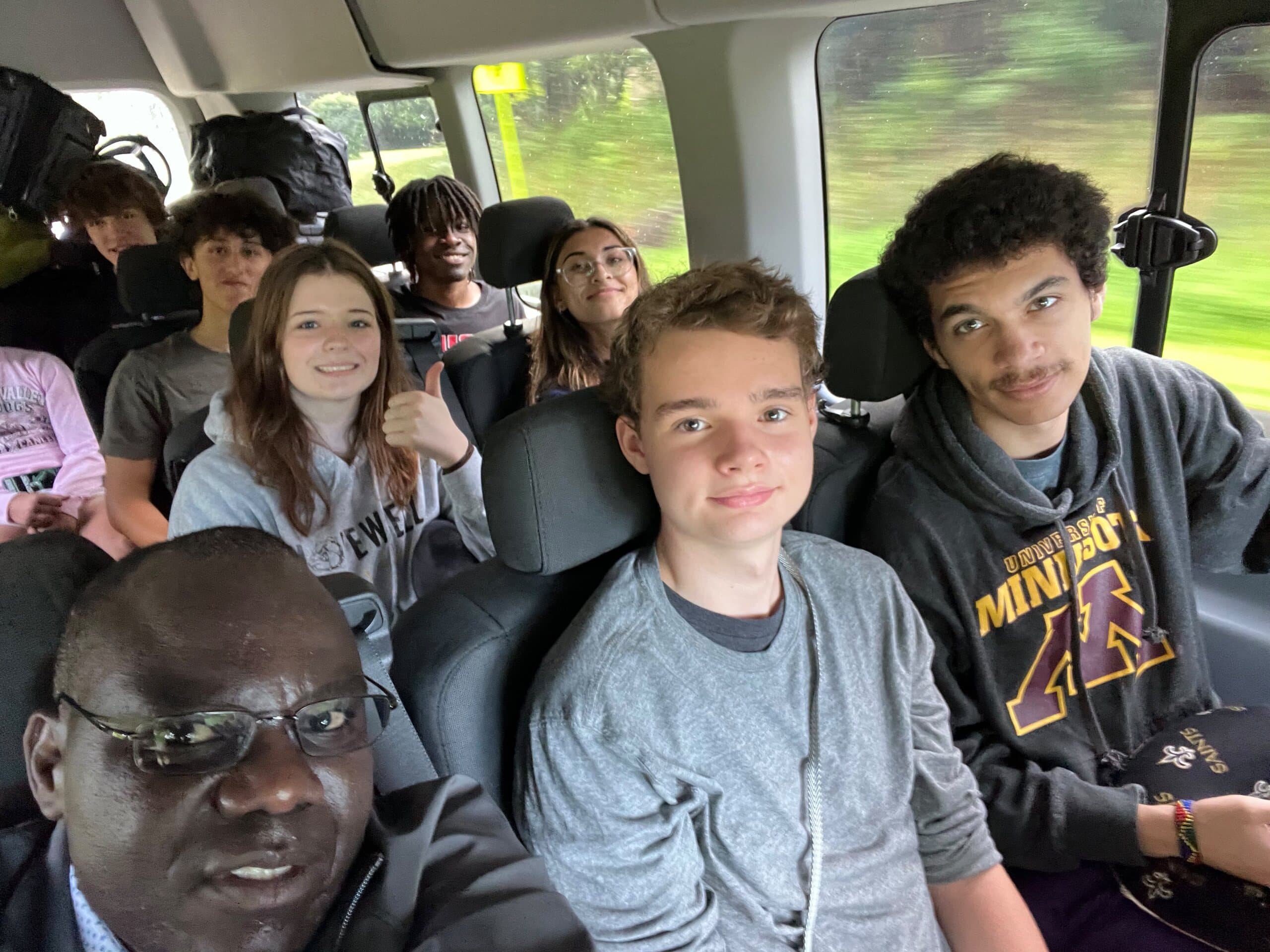
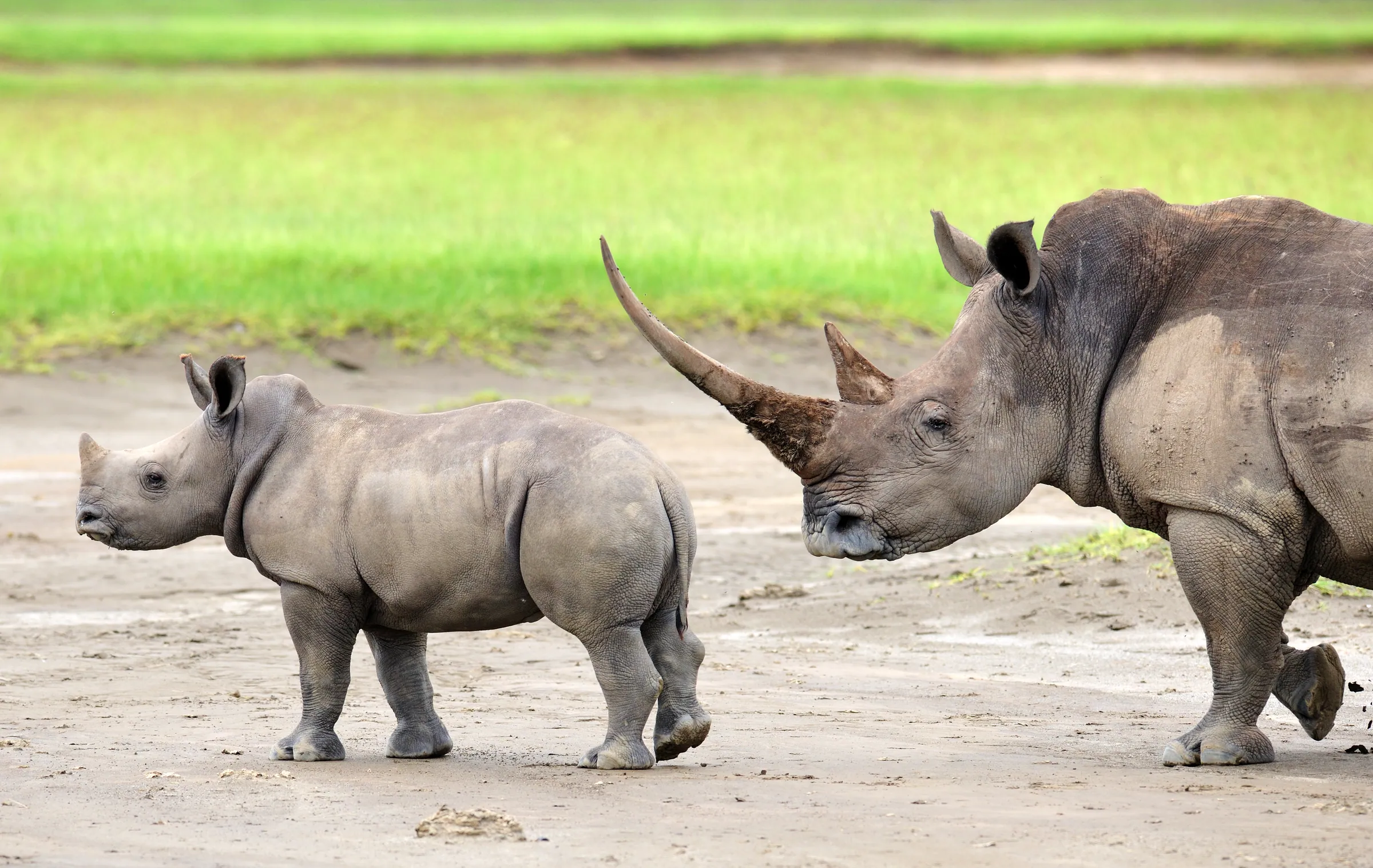
Breakfast and a short briefing from the group leader. The morning at the project, working alongside Kenyan students and teachers. Lunch together, often the same food the host school serves. In the afternoon, something to learn: a Swahili lesson, a farm or market visit, a talk from a local leader, or a football match against the hosts. Evenings bring small-group reflection led by your teachers, time to call home and an agreed curfew. Days are full but paced for students, with rest and water breaks. Most programs end with two or three nights on safari, at Ol Pejeta, Lake Nakuru or the Maasai Mara, so students have time to process what they have seen.
Your school's policies travel with you, and we add ours. Before booking we agree adult-to-student ratios, rooming plans, buddy groups, headcounts and the emergency procedure. Hosts, drivers and vehicles are vetted, and no student is left alone with an unrelated adult. Photos of Kenyan children are taken only with consent and kept off public social media. Medical and consent forms are collected before departure, and a 24-hour line connects chaperones with our team in Kenya and the United States.
High school groups, university service and global health clubs, faith youth groups and gap-year programs. It works best for students who are ready to listen as much as they help. Projects involve outdoor work in the sun at altitude, so pack sturdy closed shoes, work gloves, a hat, modest clothes for school visits and a refillable water bottle. Students with health needs or limited mobility can join; every project has lighter roles and we plan around them.
Kenya Experience is Kenyan-led, with two U.S. companies behind it and Kenyan program staff. Send a group request and a specialist replies within two business days; families can pay in full or monthly with no deposit.
Projects are chosen and supervised by the host community: a school garden, a library, a tree nursery. Visiting students work alongside Kenyan students, never in place of local labour and never in unskilled roles with children.
Work a host community has asked for, supervised by local people, that does not replace paid local jobs or put untrained visitors in roles with children. Learning and relationship come first, and the result is handed over to people who will maintain it.
Yes, with written guardian consent, school chaperones and a supervision plan agreed before travel. Programs for minors avoid heavy construction and any unsupervised contact with children.
Ask first. Hosts usually prefer that money for materials is budgeted with the project and spent with local suppliers, which supports the local economy and avoids bulky luggage and customs questions.
It depends on the project, from planting trees and building garden beds to painting or reading sessions. Days are paced for students, with shade, water and a lighter role for anyone who needs it.
Panga
Panga means plan. Tell us who is going and what you love. A Kenya specialist replies within two business days.