Parks and reserves. Updated November 2026. 3 min read.
At Ol Pejeta you can track lions with researchers, watch rhinos graze below Mount Kenya and see chimpanzees, all in one stay. This 90,000-acre (about 360 square kilometer) not-for-profit conservancy in Laikipia County, near Nanyuki, is East Africa's largest black rhino sanctuary and has all of the Big Five. It is one of the best places anywhere to see world-leading conservation at work up close.
What makes Ol Pejeta special
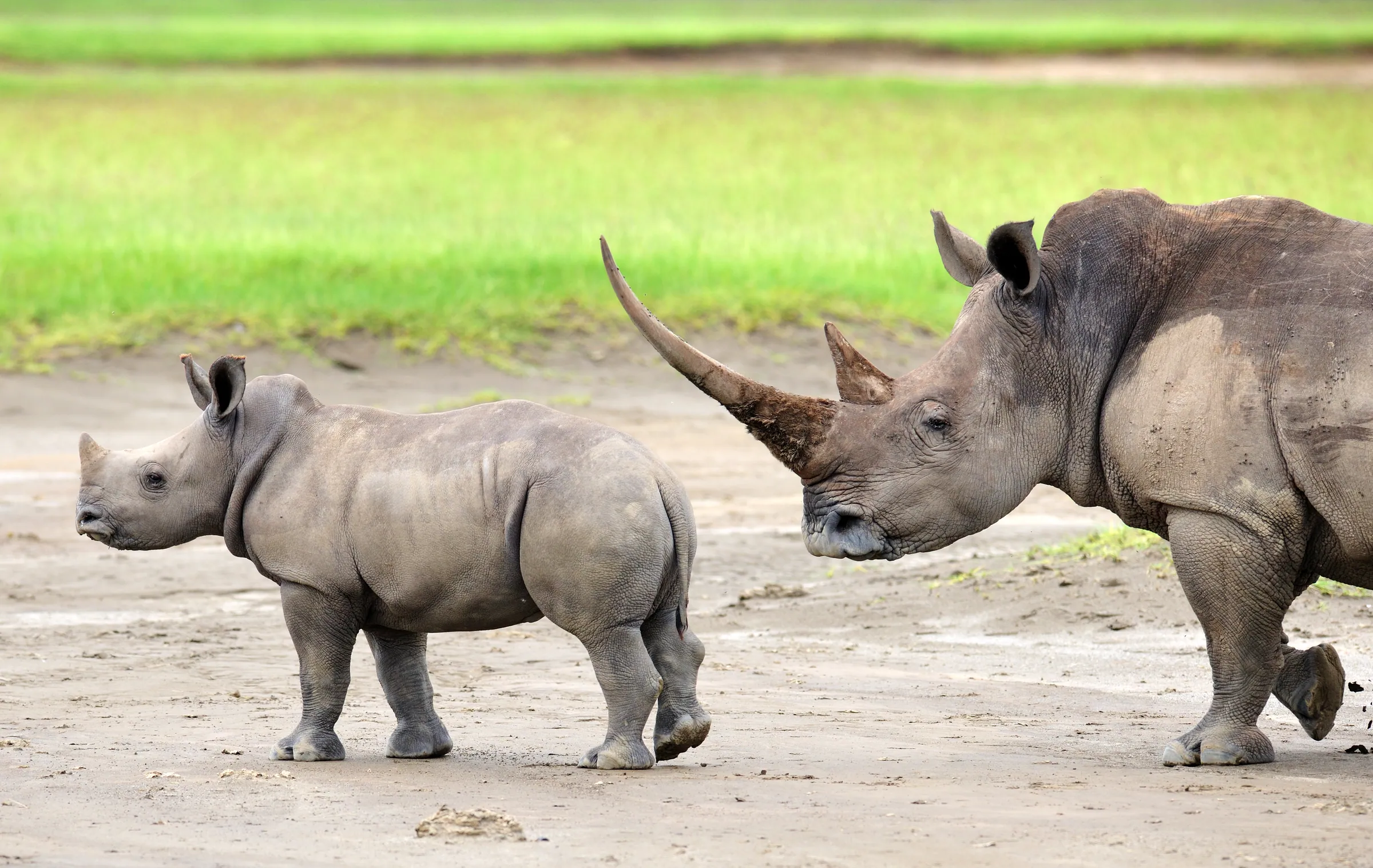
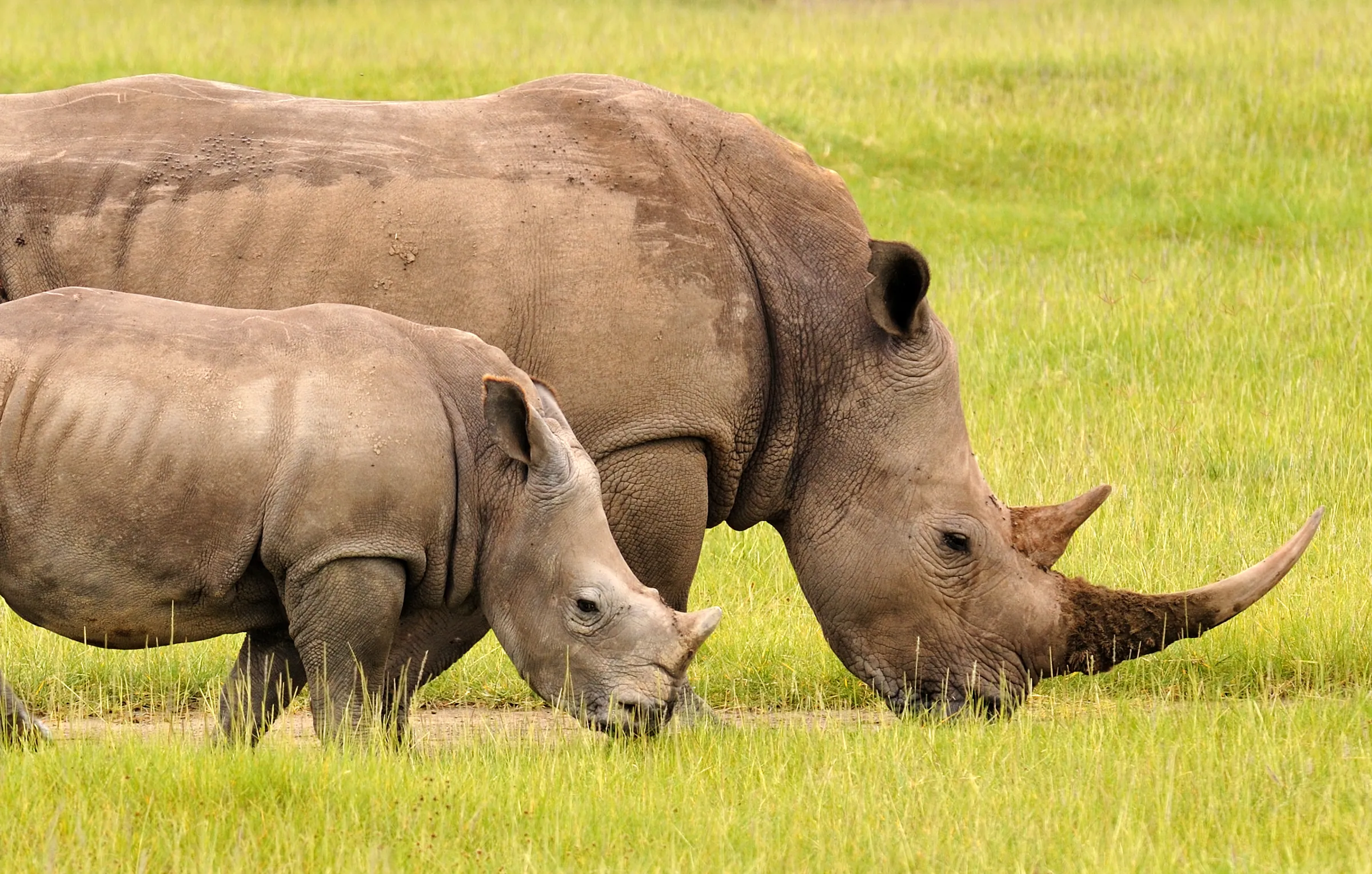
Ol Pejeta holds the largest single population of eastern black rhinos in Kenya, and southern white rhinos graze its plains too. It is also known around the world for the northern white rhino, a subspecies reduced to its last few animals, and for its part with international partners in the scientific effort to save it. The situation changes, so ask us for the latest before you travel.
Ol Pejeta is part of a wider Kenyan success. Black rhinos were nearly wiped out in Kenya by poaching in the 1970s and 1980s, and sanctuaries like this one, Lewa, Lake Nakuru and Tsavo West have helped numbers grow again, one of the great conservation comebacks in Africa.
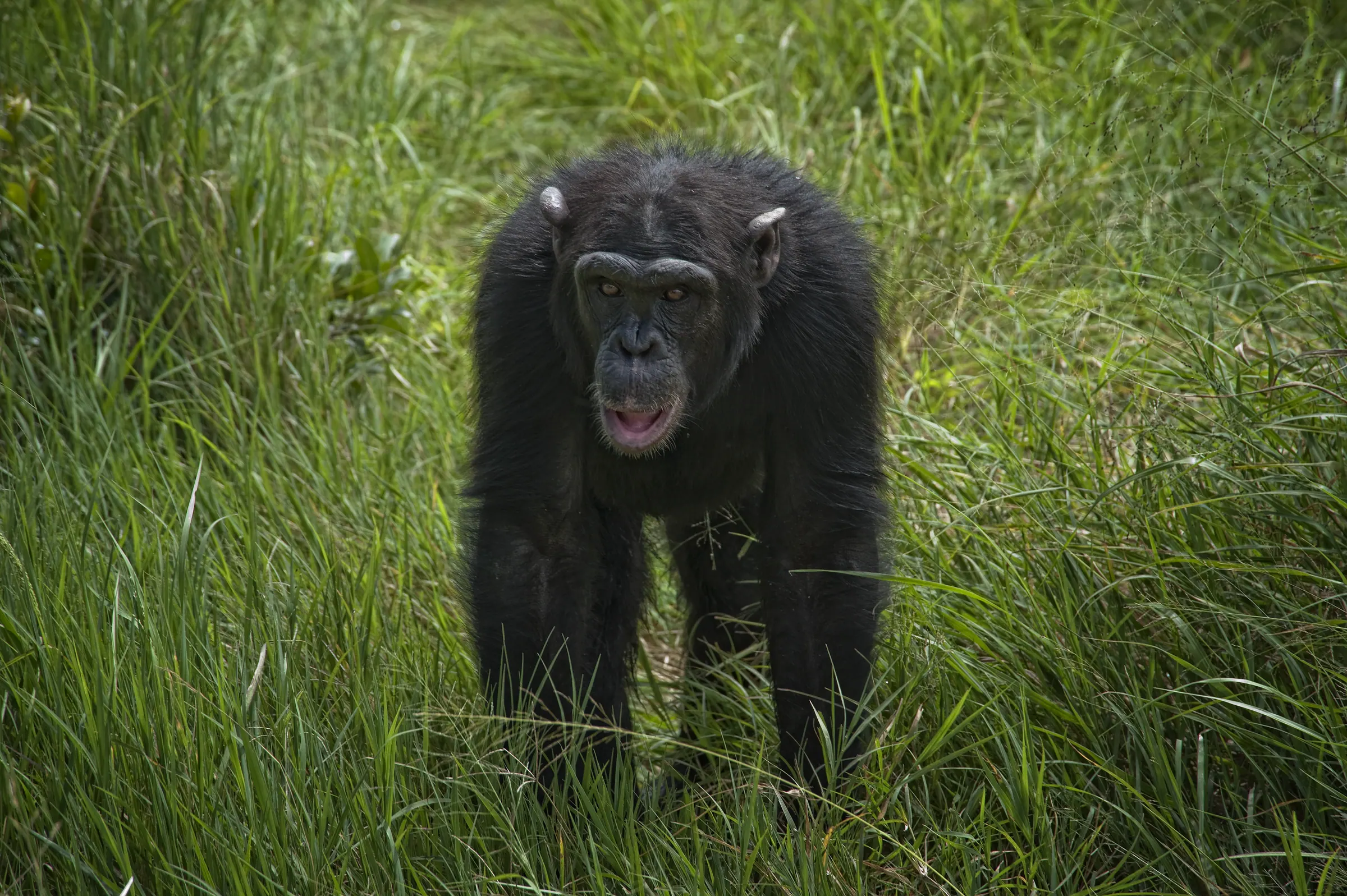
The Sweetwaters Chimpanzee Sanctuary, run with the Jane Goodall Institute and Kenya Wildlife Service, gives a lifelong home to chimpanzees rescued from the illegal wildlife trade in West and Central Africa. Chimpanzees are not native to Kenya, so this is the only place in the country to see them. Ol Pejeta is also a working cattle ranch, showing how livestock and wildlife can share the same land, and it is on the IUCN Green List of well-managed protected areas.
Wildlife and when to see it
- Black and white rhinos, in one of the best places in Africa to see both
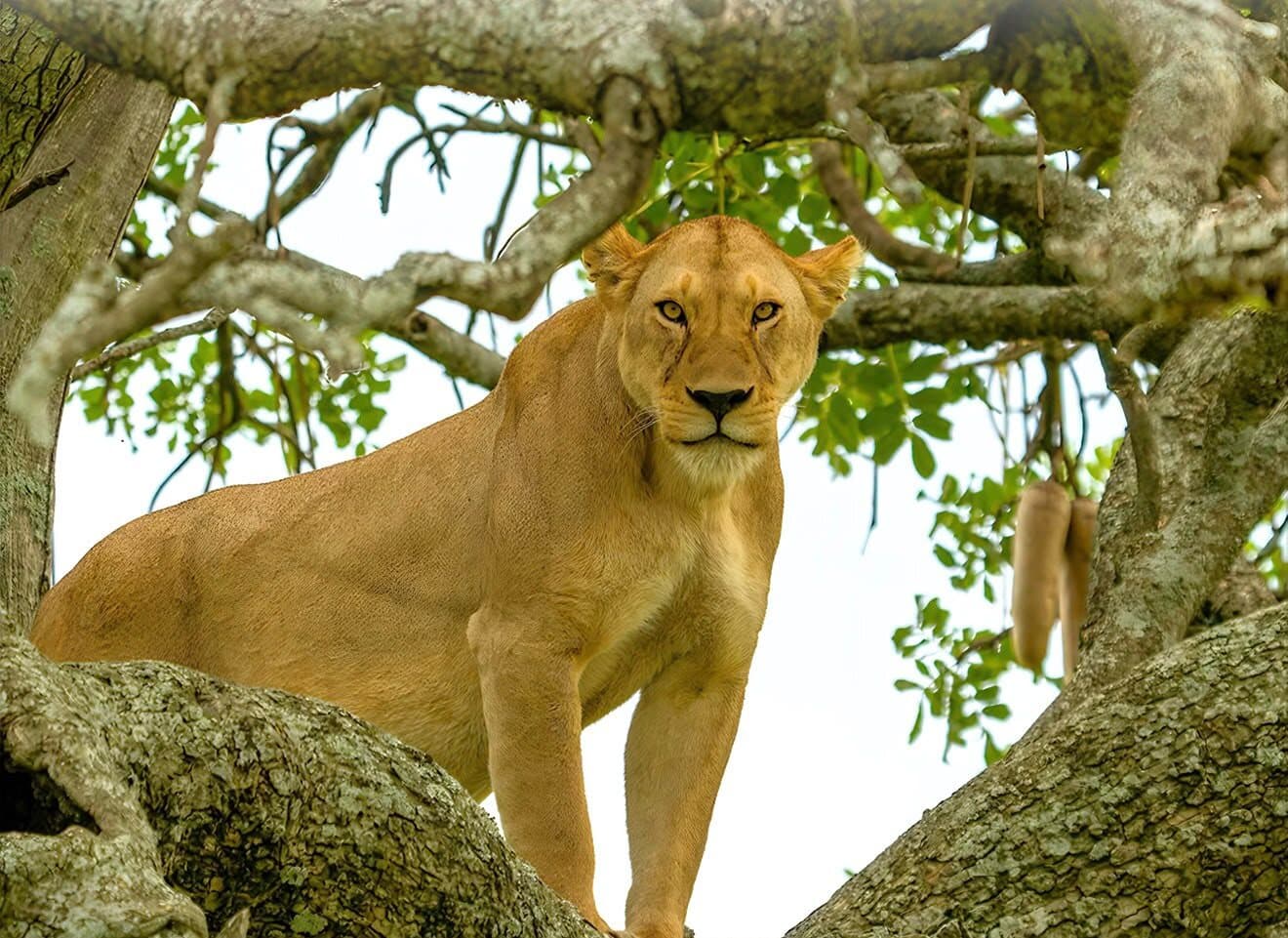
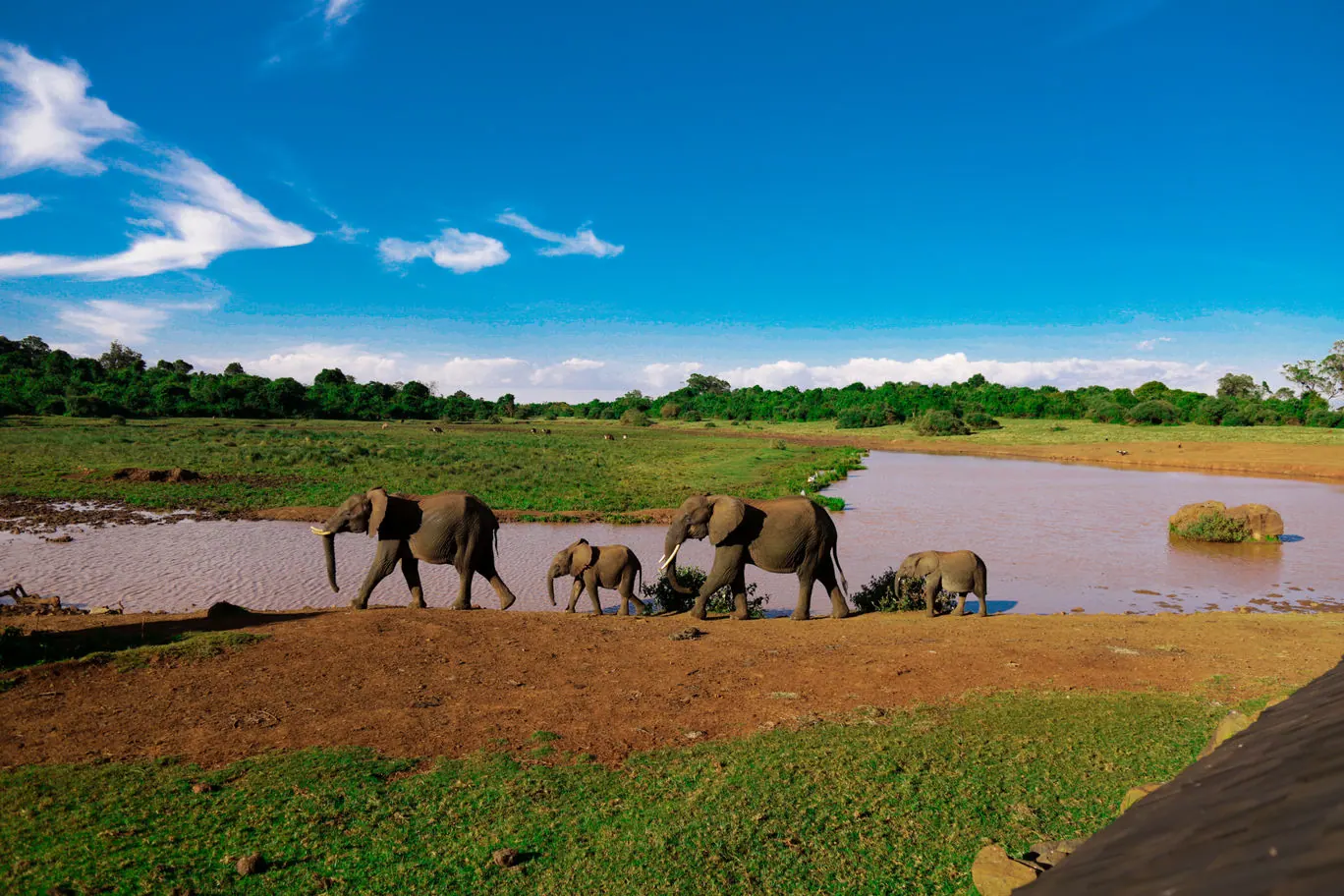
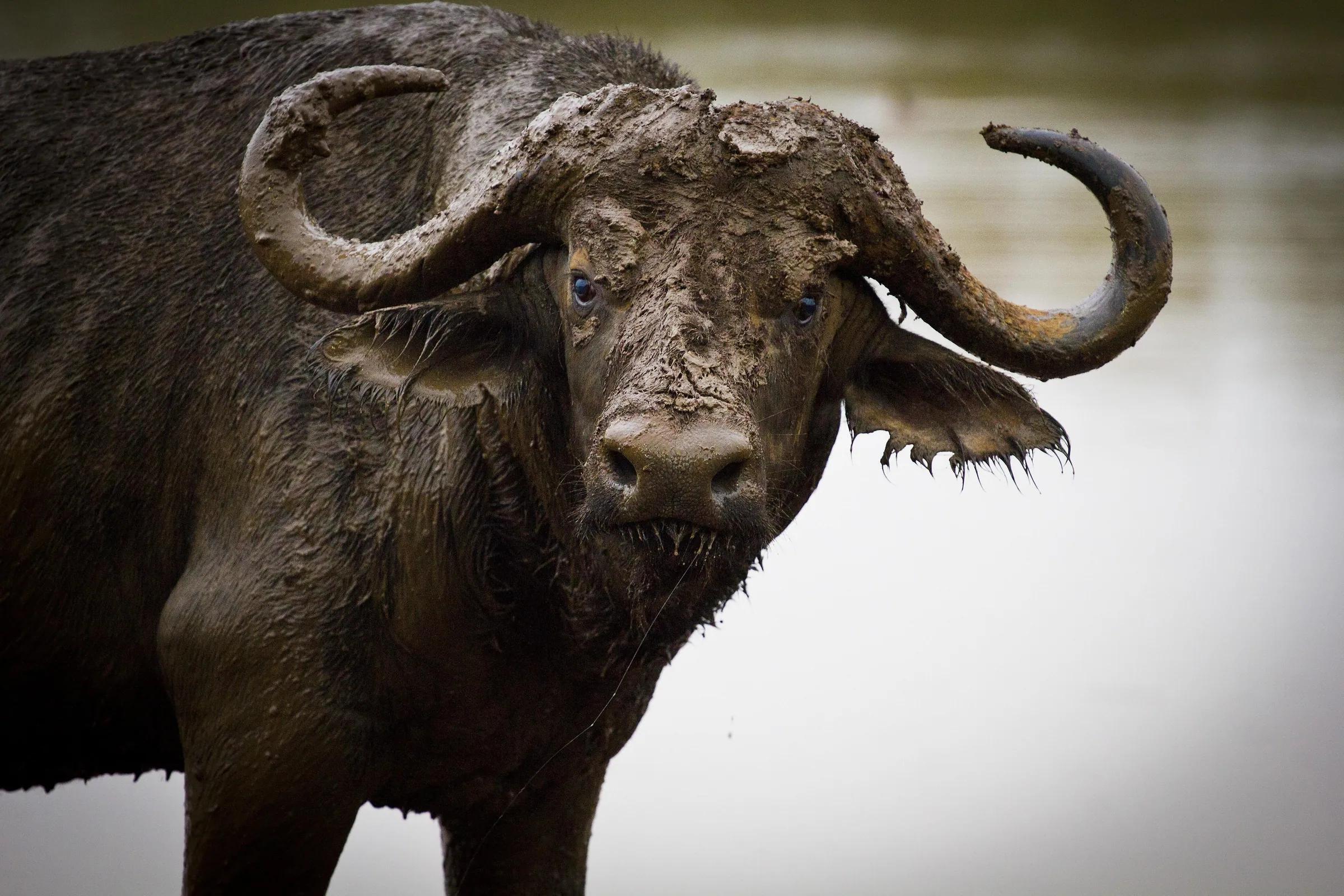
- Lions, leopards, cheetahs, elephants and buffalo: all of the Big Five
- Chimpanzees on a guided visit to the Sweetwaters sanctuary
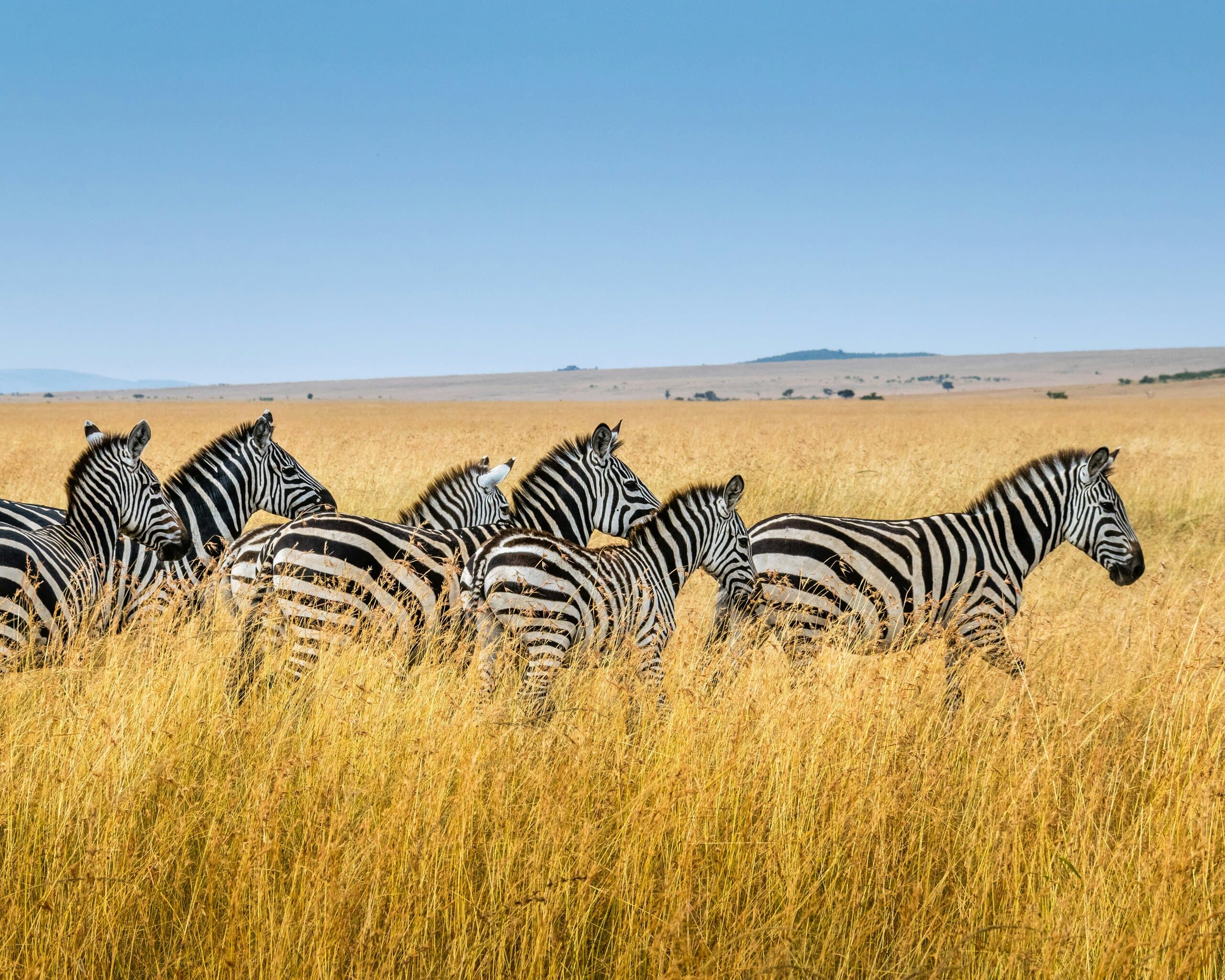
- Grevy's zebra and reticulated giraffe, alongside common plains game
- Mount Kenya's peaks on clear mornings
Wildlife is good all year. The dry months, roughly June to October and January to March, bring clearer skies and animals near water. The rains usually fall in April and May and around November, turning the plains green; tracks stay mostly passable.
Getting there and how long to stay
The drive from Nairobi takes about three to four hours on paved roads through Nyeri or Karatina to Nanyuki. Scheduled flights from Wilson Airport reach Nanyuki in under an hour, and the conservancy is a short drive from the airstrip. The equator runs just outside Nanyuki, so many travelers stop for a photo with a foot in each hemisphere. Spend two nights to fit in game drives, a night drive and a visit to the rhinos and chimpanzees. Three nights gives you time for lion tracking or a walk.
Activities
- Day and night game drives; night drives are run by the conservancy and booked ahead
- Lion tracking with Ol Pejeta's researchers, using radio collars
- Guided bush walks with armed rangers
- A visit to the rhino enclosure and the Sweetwaters Chimpanzee Sanctuary
- Meeting the conservancy's anti-poaching dog unit, when available
Where it fits on a trip
- With Samburu: two to three hours north for the Special Five
- With Lewa and Mount Kenya: more rhinos, highland forest and the equator at Nanyuki
- With the Mara: fly from Nanyuki to the Mara for big cats and the migration
- With the Aberdares: misty forest on the other side of the Laikipia plateau
Responsible travel
Your visit helps pay for rangers, rhino protection and community programs on the conservancy's borders. Fees are set by Ol Pejeta and change, so we confirm them in every quote. Keep rhino locations offline, follow the rangers' instructions on walks and at the enclosure, and choose stays that support the conservancy's work.
Kenya Experience is Kenyan-led, with two U.S. companies behind it, and our Kenyan guides pair Ol Pejeta with Samburu, Mount Kenya or the Mara. Pay in full or monthly with no deposit, and a specialist replies within two business days.