Parks and reserves. Updated November 2026. 4 min read.
Lewa Wildlife Conservancy is a private, non-profit conservancy of about 62,000 acres in northern Kenya, on the plains below Mount Kenya's northern slopes. It is one of the best places in Africa to see both black and white rhinos, and it shelters the largest resident population of Grevy's zebra in the world. Since 2013 it has been part of the Mount Kenya UNESCO World Heritage site.
What Lewa is, and who runs it
Lewa began as a cattle ranch. In 1983 the Craig family and the conservationist Anna Merz set aside part of it as a rhino sanctuary, at a time when poaching had pushed Kenya's black rhinos close to the edge. In 1995 the whole ranch became the Lewa Wildlife Conservancy, a non-profit with its own rangers, rhino monitoring teams and community programs in schools, health care and water. Lewa is not a national park. Kenya Wildlife Service oversees wildlife across the country, but the land is managed by the conservancy, and visitors stay at a small number of lodges and camps inside it.
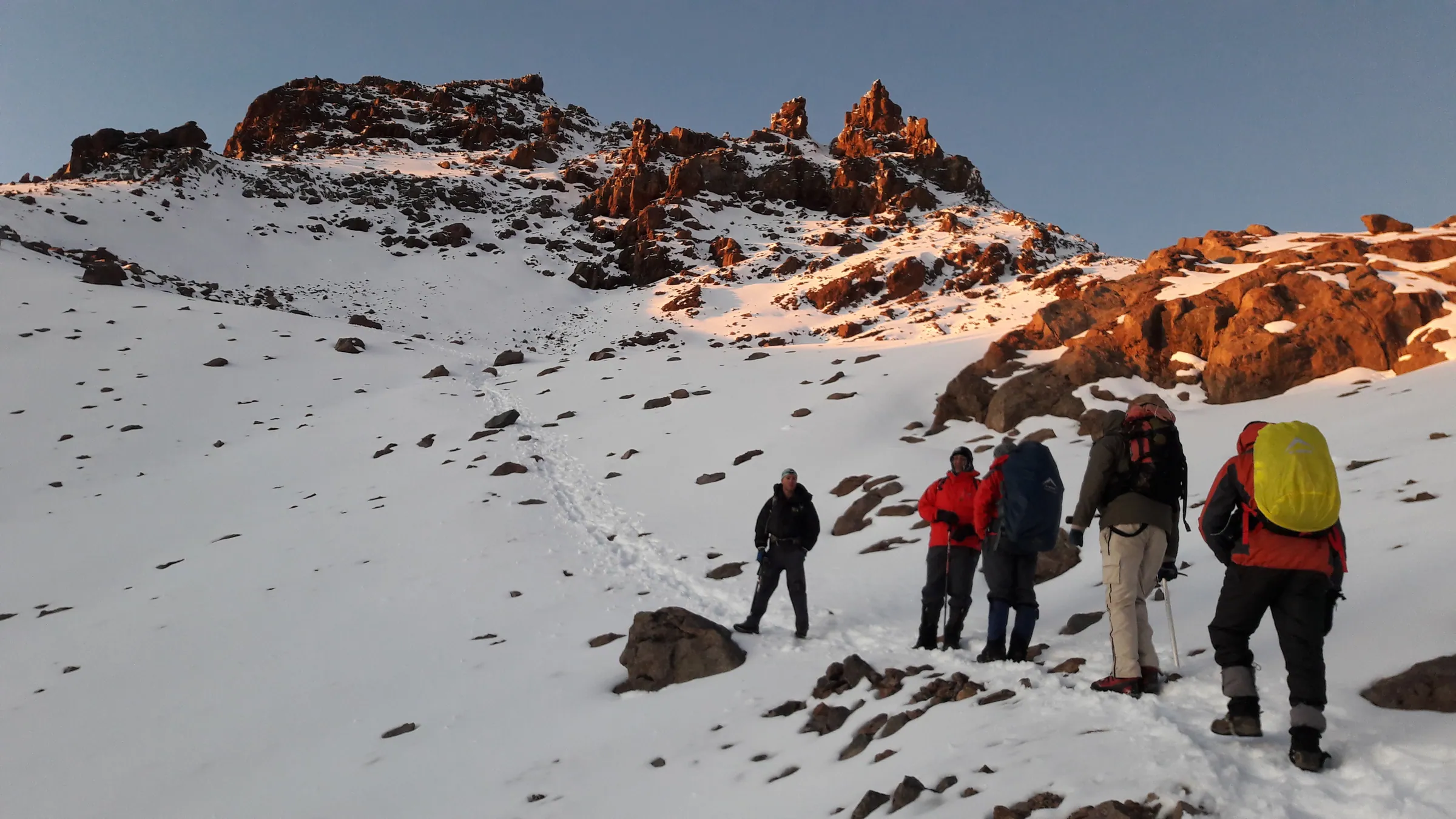
In 2013 UNESCO extended the Mount Kenya World Heritage site to take in Lewa and the neighboring Ngare Ndare Forest, recognizing the route elephants use between the mountain and the northern rangelands. The fence between Lewa and its neighbor Borana has since been removed, so the two work as one larger rhino landscape.
Wildlife and when to see it
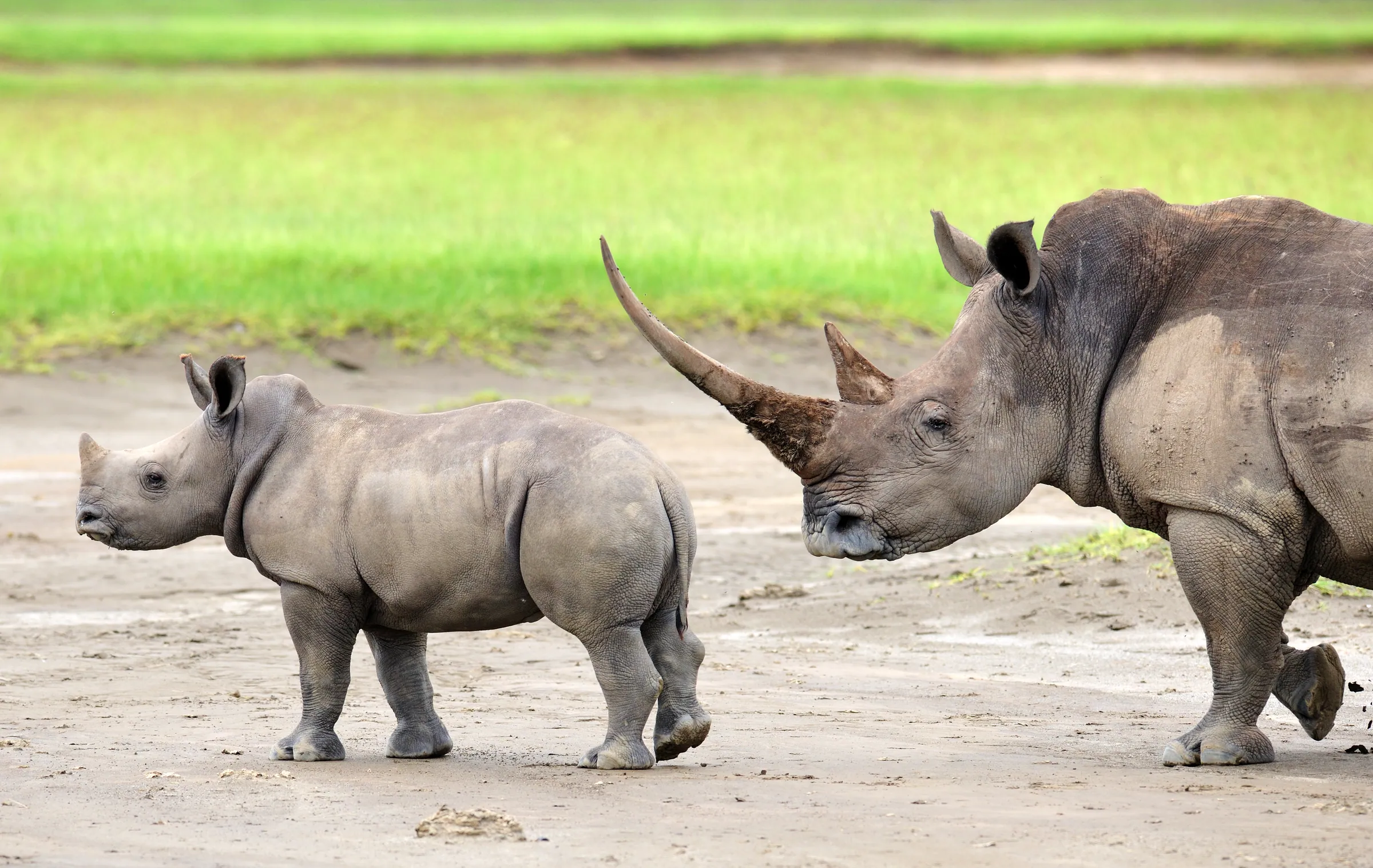
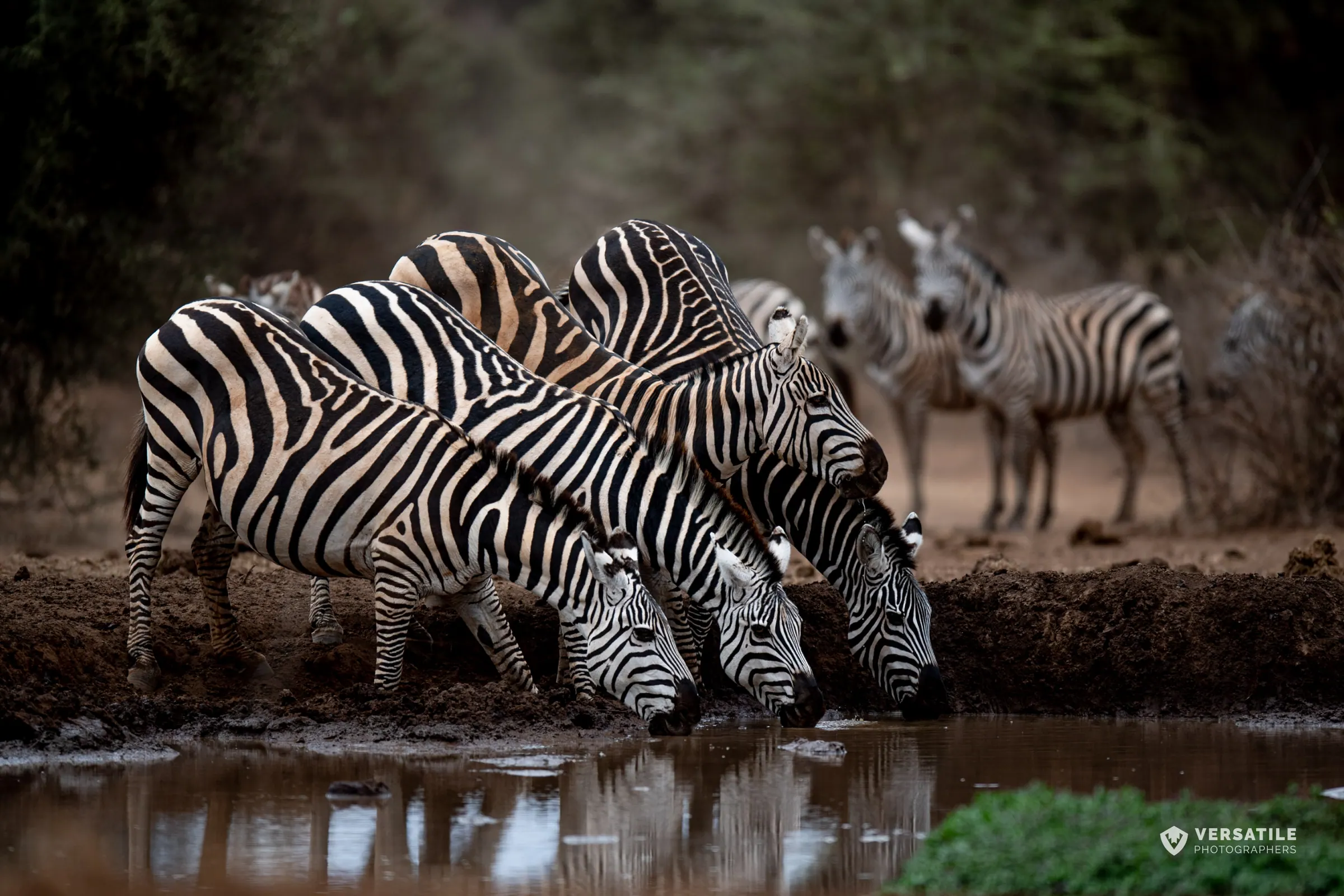
Lewa is compact and the game is dense. Rhinos are the reason most people come: the conservancy says about 14 percent of Kenya's rhinos live in the wider Lewa landscape. You also have a good chance of northern species that are hard to find farther south, alongside the classic plains animals.
- Black and white rhinos, the conservancy's founding purpose
- Grevy's zebra, the larger, narrow-striped zebra of the north, now endangered
- Reticulated giraffe and Beisa oryx, both dry-country specialists
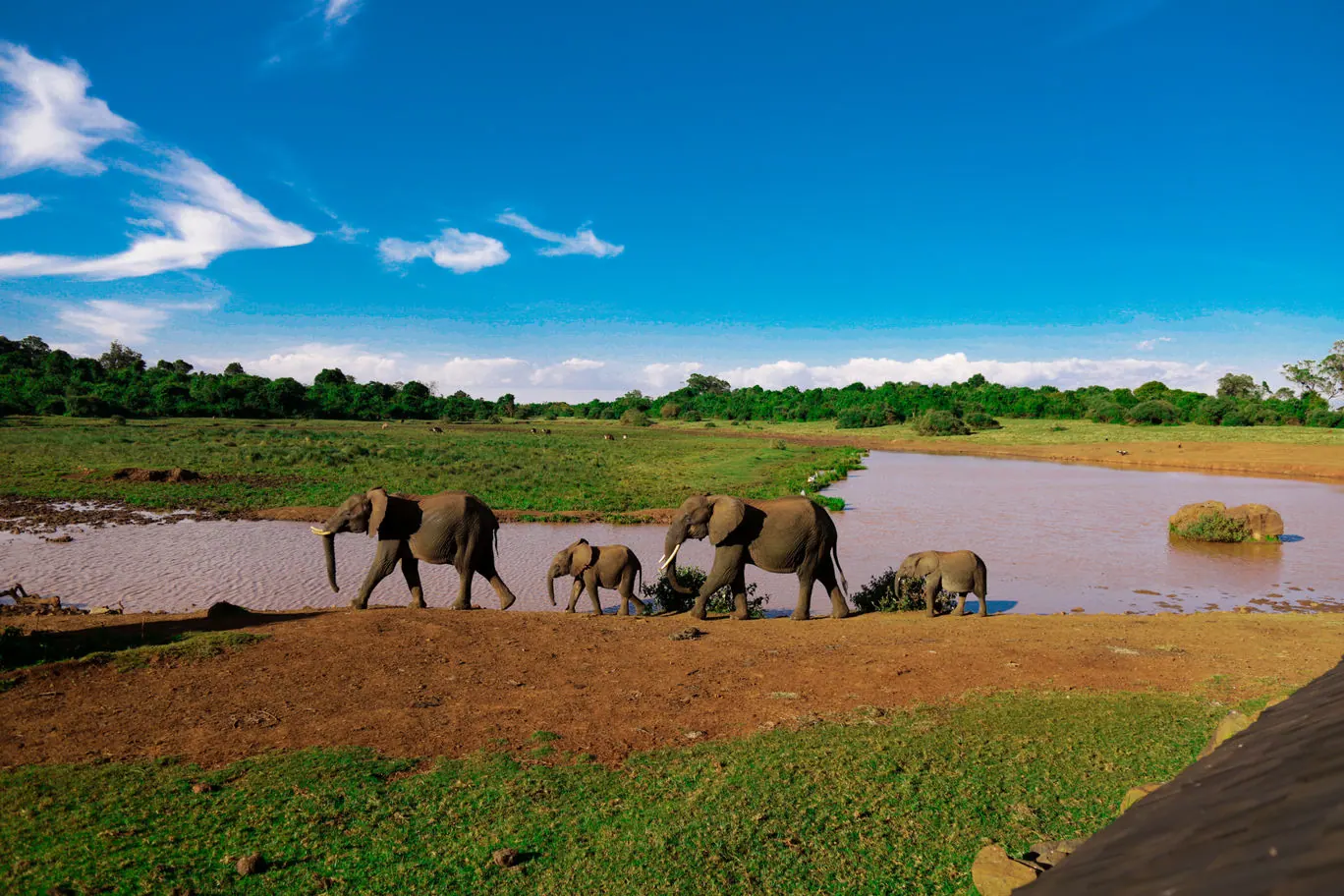
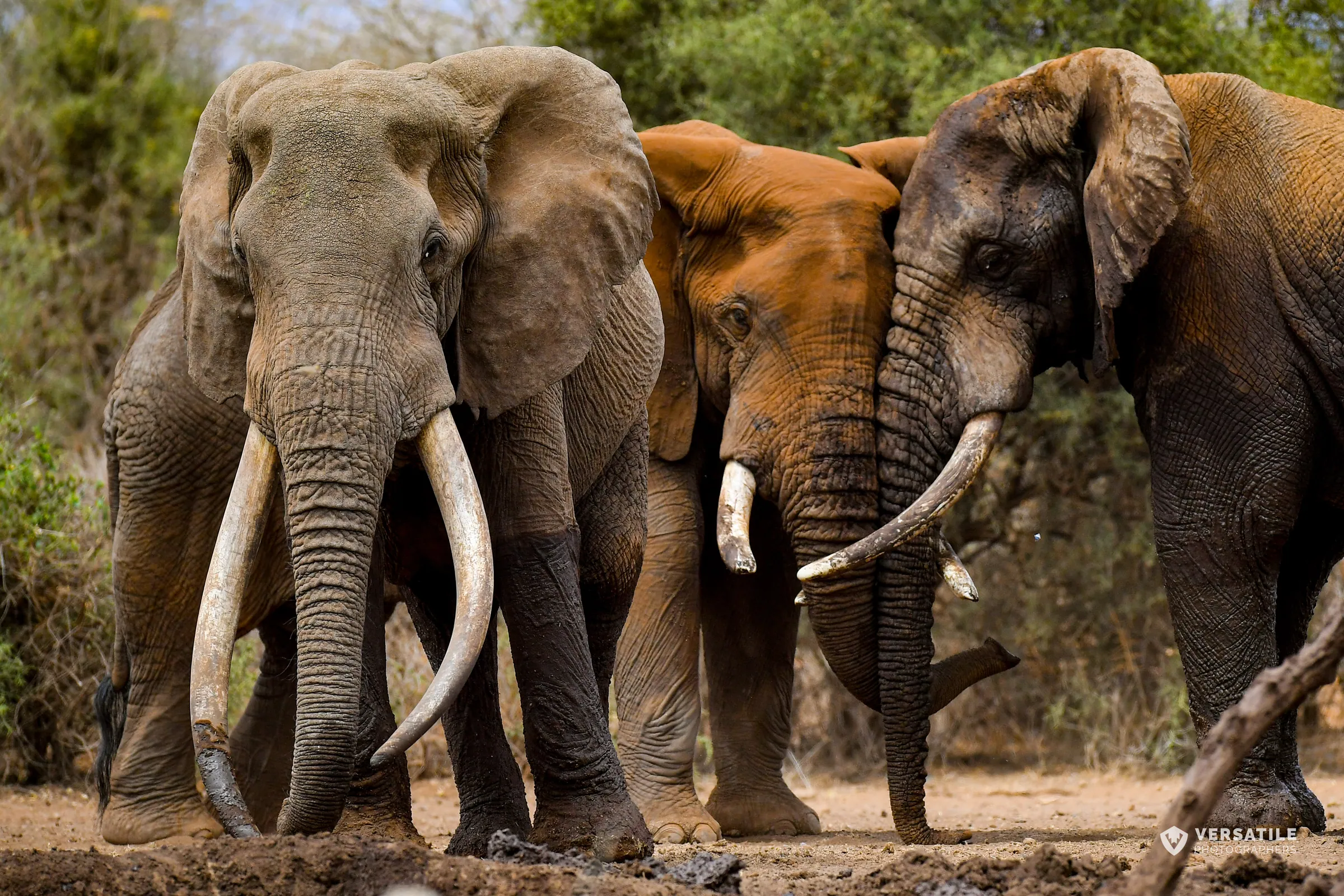
- Elephants, which move through on their way between Mount Kenya and the north
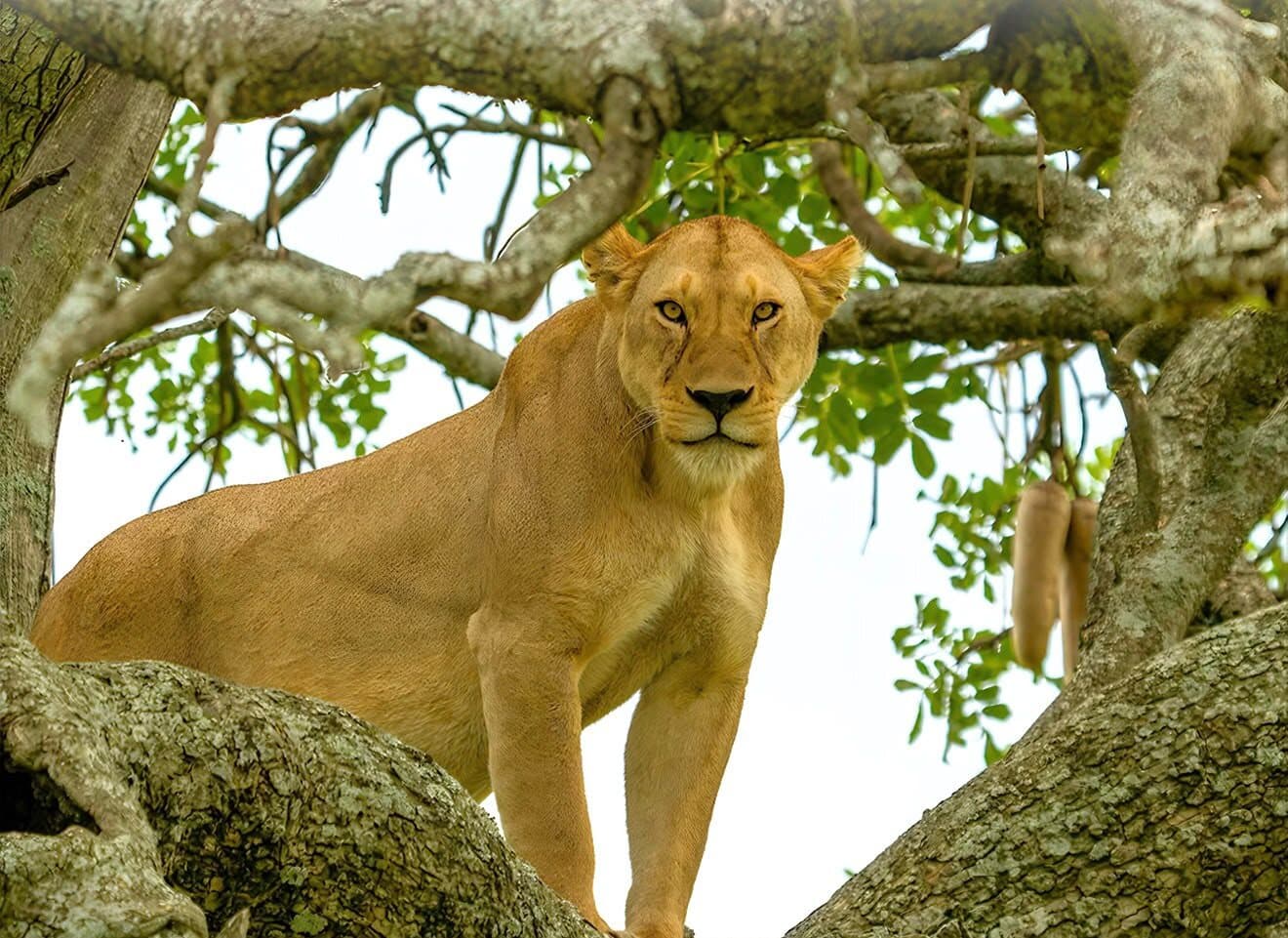
- Lions, cheetahs and leopards, with spotted hyenas and, at times, African wild dogs
- Buffalo, plains zebra, eland, impala and Grant's gazelle
Game viewing is good all year. The dry months, usually late June to October and again from about January to March, bring animals to water and make tracking easier. The long rains, roughly April and May, turn the plains green, and some lodges close for a few weeks around that time. No sighting is ever guaranteed, but rhinos here are watched closely by rangers, which helps guides know where to look.
Getting there and how long to stay
- By air: scheduled light-aircraft flights leave Nairobi's Wilson Airport daily for Lewa's own airstrip, usually in about an hour
- By road: about four hours from Nairobi via Nyeri, Nanyuki and Timau, on tarmac most of the way
- From Samburu: roughly an hour and a half by road
- Charter flights can also land on the Lewa airstrip
Not every vehicle is allowed inside the conservancy, so many travelers are met at the gate or the airstrip by their lodge. We suggest two to three nights. That gives you time for rhino viewing, a night drive and one slower morning on foot or on horseback.
What you can do on Lewa
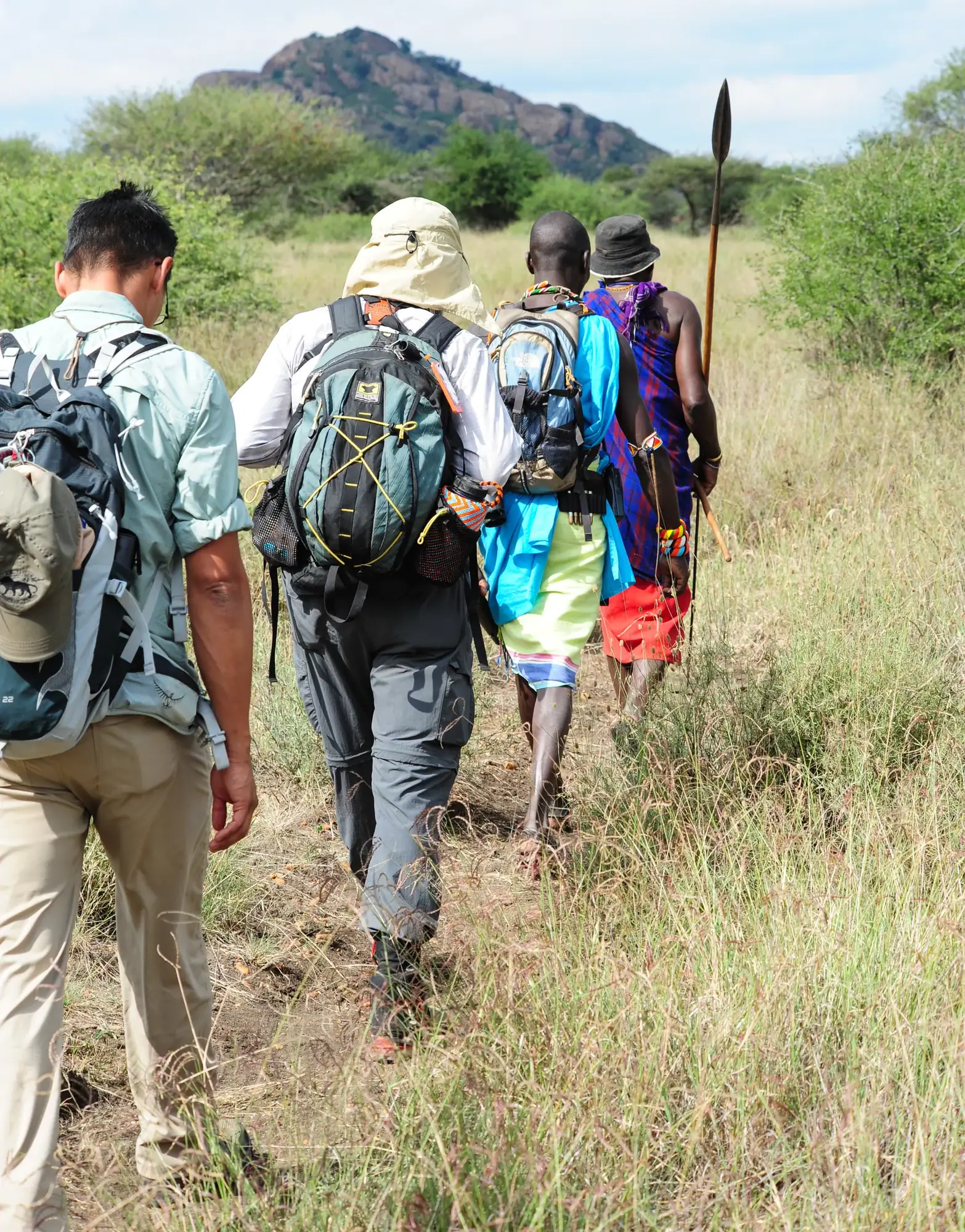
Because Lewa is private land, it allows activities that national parks usually do not. What is on offer depends on where you stay, so tell us what matters most to you.
- Day and night game drives with your lodge's guides
- Guided bush walks with armed rangers
- Horseback and camel rides at some properties
- Behind-the-scenes conservation activities run by the conservancy, booked through your lodge
- Visits to community projects such as schools and clinics the conservancy supports
Each year the Lewa Safari Marathon runs across the conservancy, usually in June, raising money for conservation and community work. Runners share the course with the wildlife, under close watch by rangers.
Combining Lewa with other parks
Lewa sits at a crossroads. Ol Pejeta, with its chimpanzees and rhinos, is near Nanyuki, about an hour and a half away. Samburu, Buffalo Springs and Shaba lie to the north for the dry-country Special Five. Meru National Park is a few hours east, and Mount Kenya rises right behind. A classic northern circuit flies from Nairobi to Lewa, drives to Samburu, then flies on to the Maasai Mara. Getting to Kenya is simple: you apply for the eTA online, and Kenya Airways flies nonstop from New York to Nairobi.
Traveling responsibly
Conservancy fees are set by Lewa, change from time to time and are paid through your lodge. They fund rangers, rhino monitoring and community programs, so your stay keeps the work going. Follow your guide's lead around rhinos, keep voices low, and never ask a driver to leave the track for a closer photo. Ask before photographing people in nearby communities.
Lewa is a Kenyan success story: a rhino sanctuary that grew into a model for community-backed conservation across the north. We are a Kenyan-led company with two U.S. companies behind us, and you travel with Kenyan guides who know this country well. Pay in full or monthly with no deposit, and a specialist replies within two business days.