Parks and reserves. Updated November 2026. 3 min read.
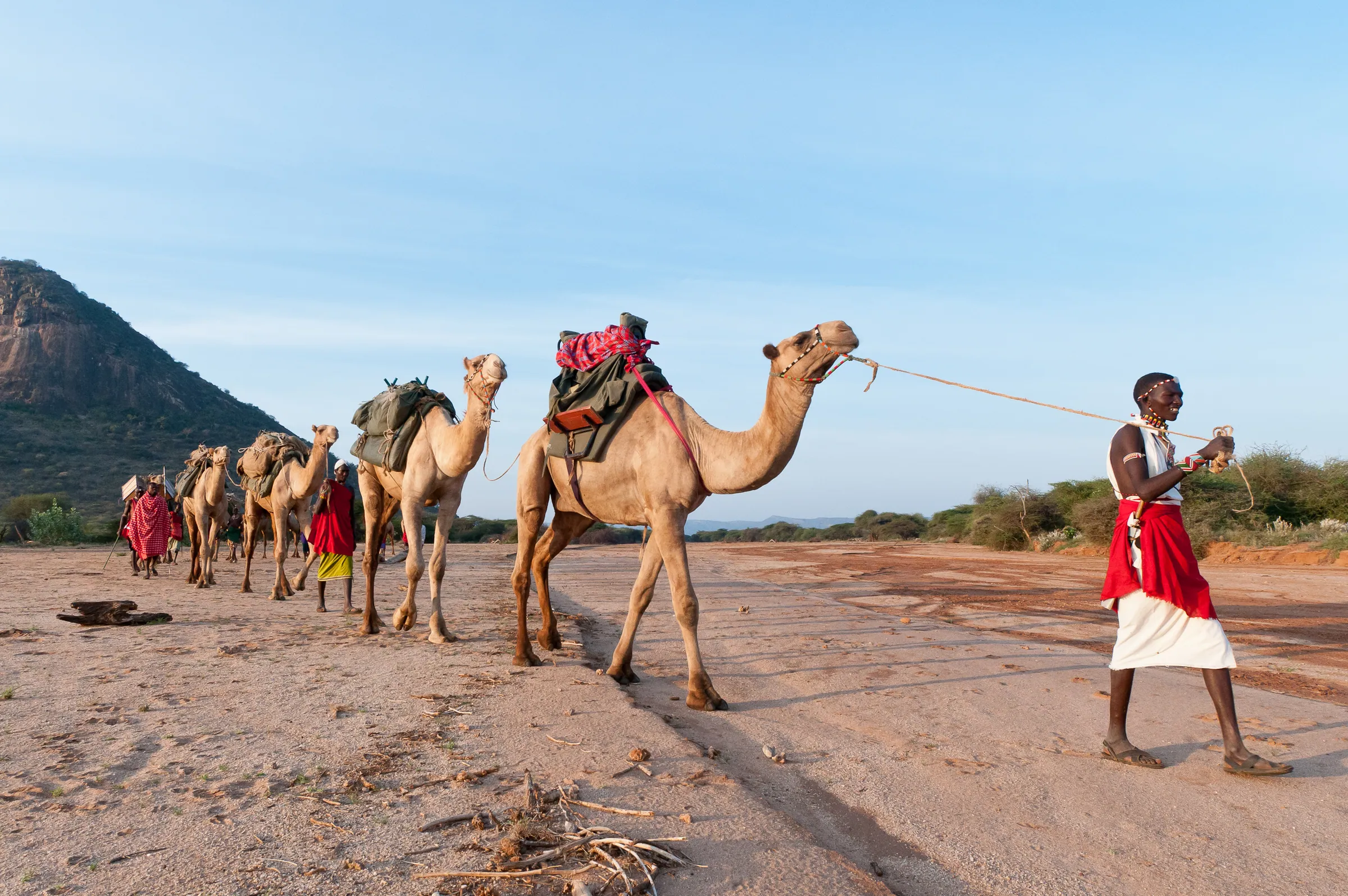
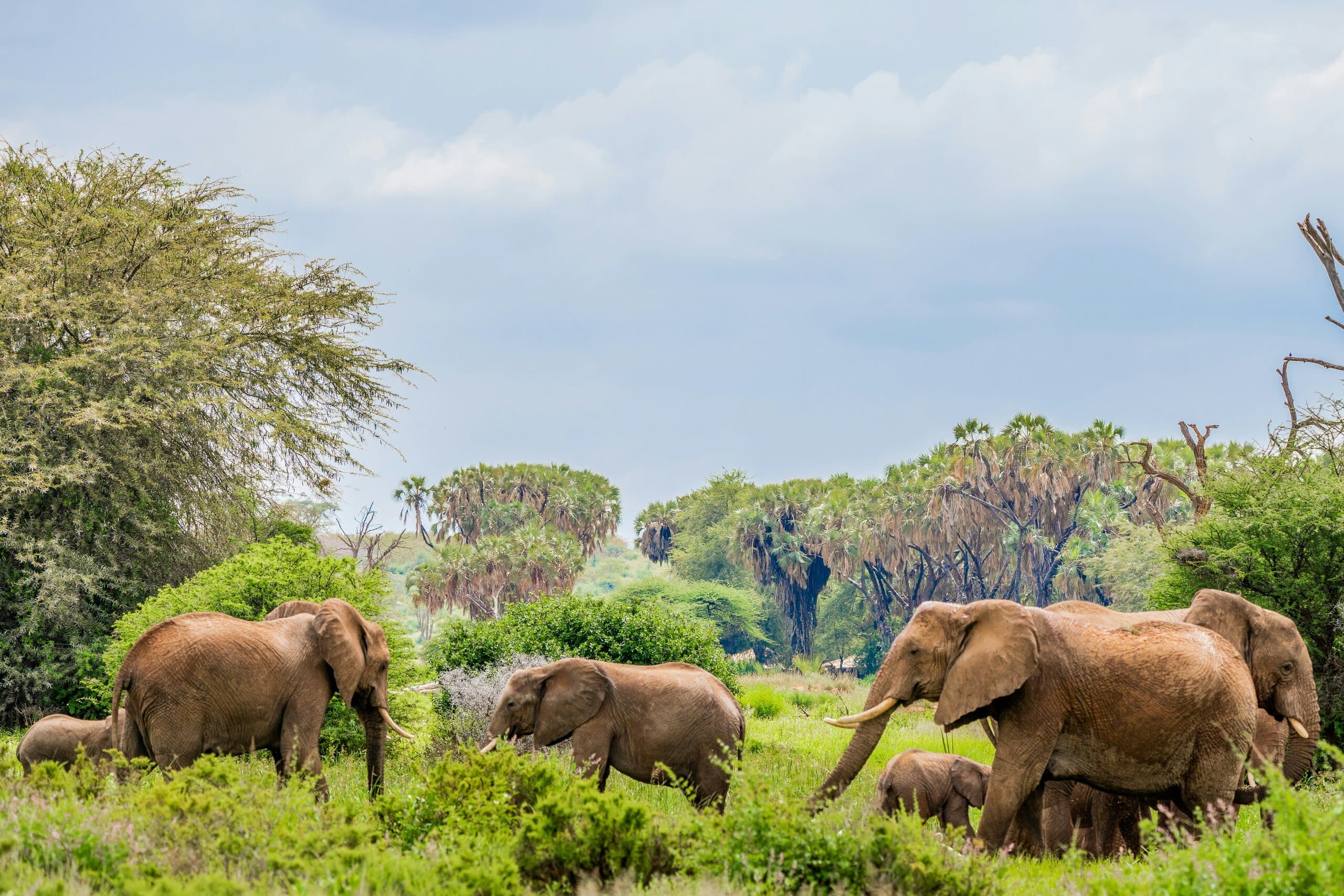
Samburu is a different Kenya: red earth, doum palms, a wide brown river and animals you will not see in the south, such as Grevy's zebra and the reticulated giraffe. Samburu National Reserve and its neighbors, Buffalo Springs and Shaba, cover about 535 square kilometers (some 200 square miles) along the Ewaso Ng'iro River in the dry north, with elephants, lions and leopards too. With Samburu culture all around, it is the perfect contrast to the Mara.
Three reserves, one ecosystem
Samburu National Reserve, about 165 square kilometers, lies on the north bank of the river and is managed by the Samburu County Government. Buffalo Springs, about 131 square kilometers, lies on the south bank, and Shaba, about 239 square kilometers, lies to the east across the main highway; both are managed by the Isiolo County Government. Animals move freely between them, and most safaris explore at least two.
Around the reserves, community conservancies on Samburu land host camps and wildlife, and research groups such as Save the Elephants have studied the river's elephants for many years. Many of these conservancies, supported by the Northern Rangelands Trust, are run by local communities themselves, a Kenyan model that draws interest from conservationists far beyond the country.
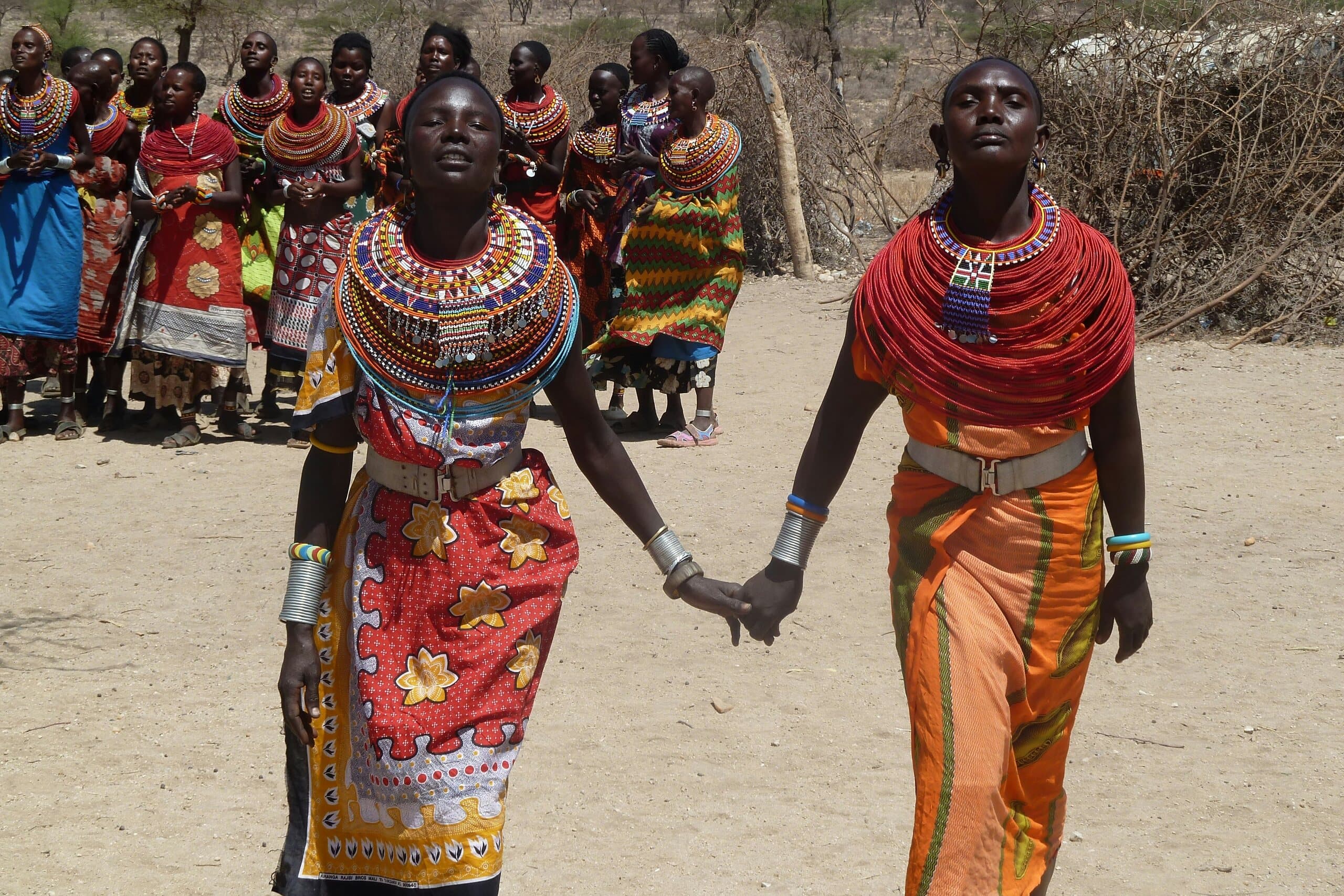
The Samburu people, cousins of the Maasai who also speak the Maa language, are pastoralists known for their beadwork and red cloth. Meeting them, through a hosted visit or a guide from the community, is one of the great pleasures of the north.
Wildlife and when to see it
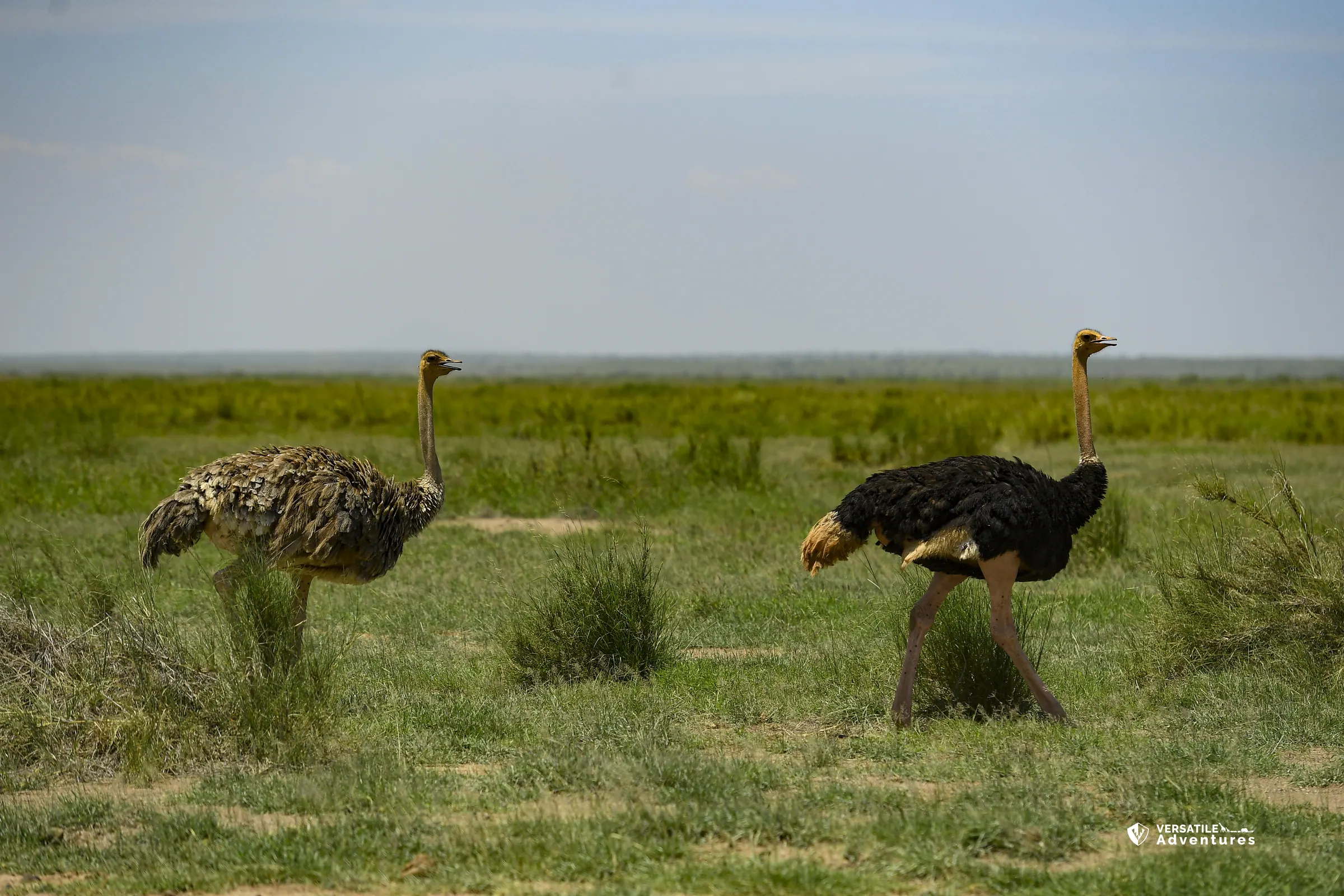
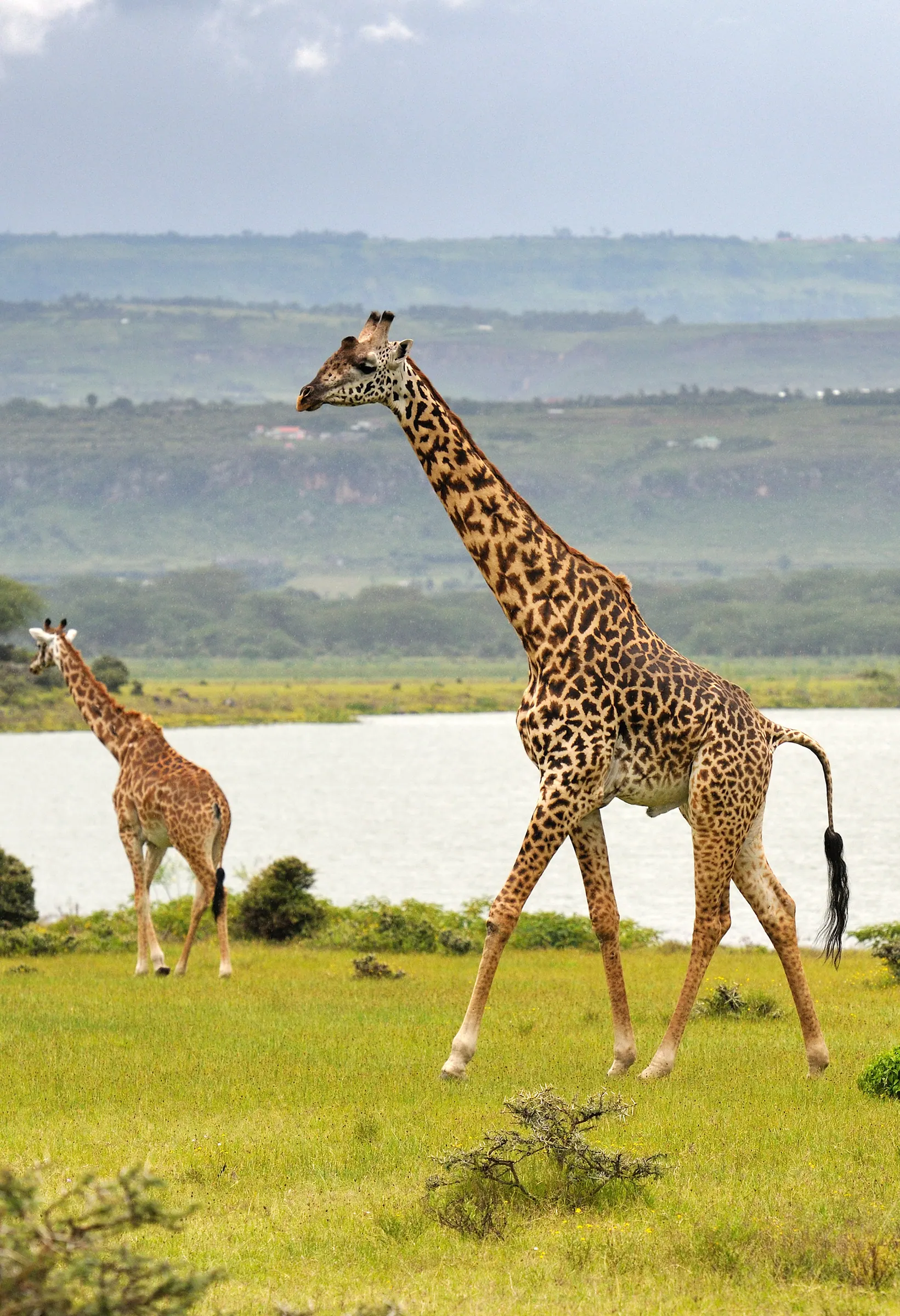
- The Samburu Special Five: Grevy's zebra, reticulated giraffe, Beisa oryx, Somali ostrich and the gerenuk, which stands on its hind legs to feed
- Elephants: drawn to the river in the dry season, often digging in the sand for water
- Leopards in the riverine forest, and lions and cheetahs on the plains
- Wild dogs pass through the wider area at times; sightings are rare
- Birds of dry country, including vulturine guineafowl and colorful rollers and starlings
Best time to visit
The dry seasons, roughly June to October and January to March, are best, when the Ewaso Ng'iro becomes the only reliable water and animals gather along its banks. The rains usually come in April and May and again around November. The north is hot year round, so game drives run early in the morning and late in the afternoon, with a long rest at midday.
Getting there and how long to stay
By road, the drive from Nairobi takes about five to six hours on paved highway through Nanyuki and Isiolo to Archers Post, passing Mount Kenya on the way. Scheduled light aircraft fly from Wilson Airport to airstrips in and around the reserves in about an hour or a little more, often with a stop.
Stay two to three nights. That gives you time to explore both banks of the river, look for the Special Five and visit a Samburu community.
Where it fits on a trip
- With Laikipia: Ol Pejeta or Lewa for rhinos, two to three hours south
- With Mount Kenya and the central highlands, on the road back to Nairobi
- North and south in one trip: fly from Samburu to the Mara for two very different safaris
Activities and responsible travel
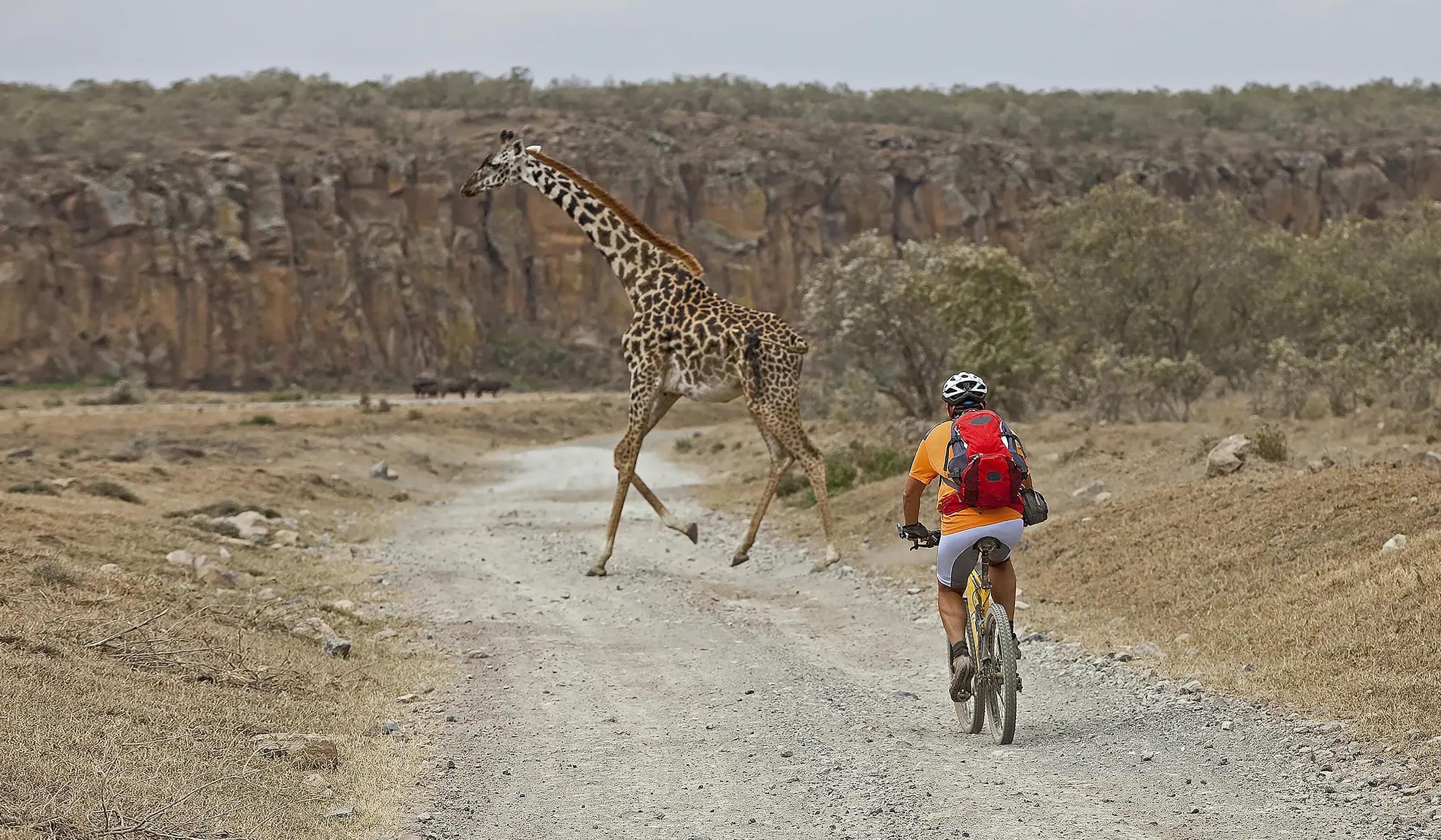
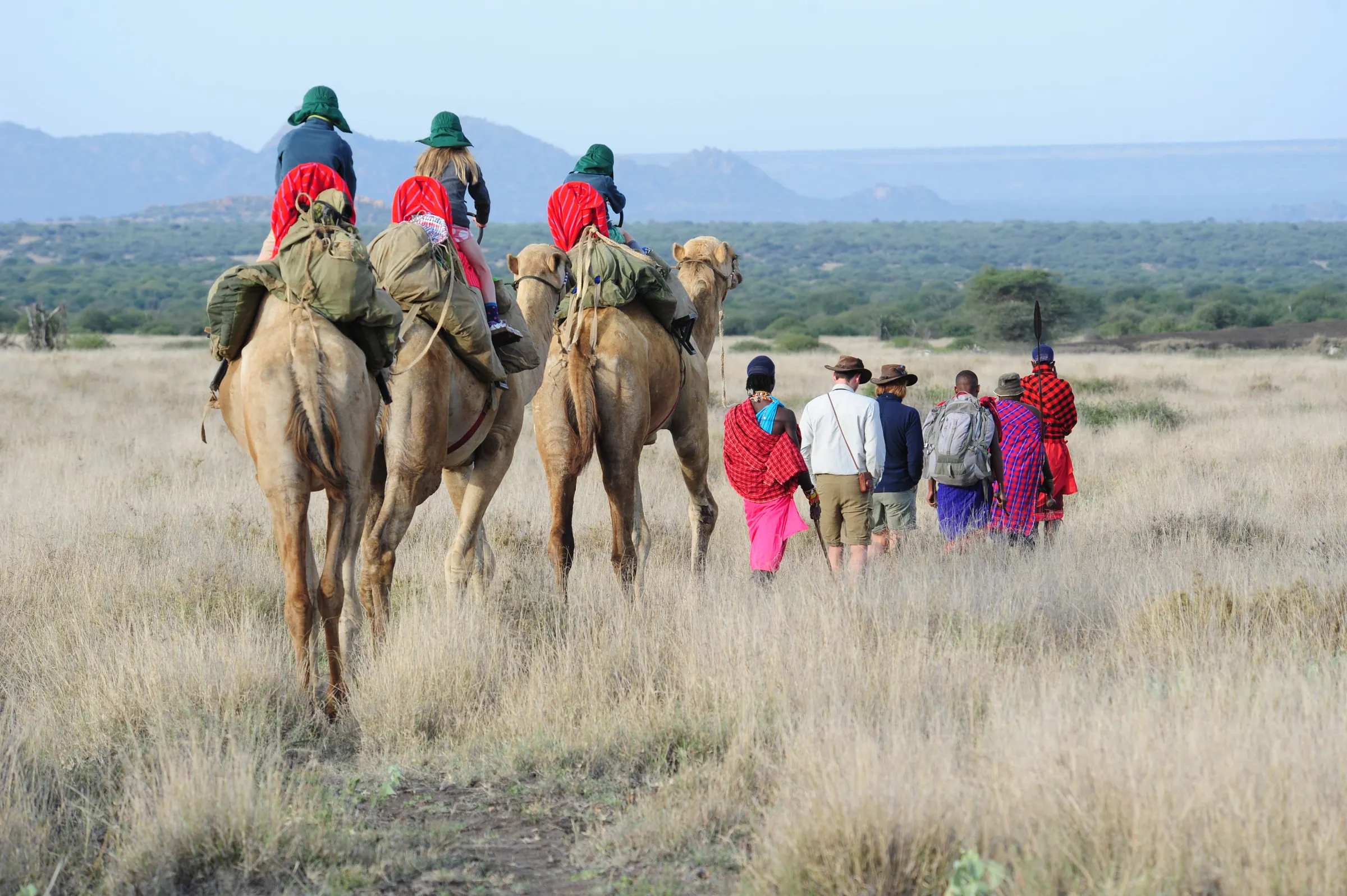
Game drives are the main activity inside the reserves. Guided walks, camel walks and night drives are offered in some of the surrounding community conservancies. Fees are set by the two county governments and change, so we confirm them when we quote.
- Ask before photographing Samburu people, and accept a polite no
- Buy beadwork directly from the women's groups who make it
- Respect the river: elephants have right of way at crossings and water holes
- Choose camps that share income with Samburu communities and conservancies
Kenya Experience is Kenyan-led, with two U.S. companies behind it, and our Kenyan guides know the north and its communities. Pay in full or monthly with no deposit, and a specialist replies within two business days.