Culture & Heritage
An afternoon with a women's cooperative in the north: the meaning of the colours, a piece of your own, and an evening of song.
Culture & Heritage
An afternoon with a women's cooperative in the north: the meaning of the colours, a piece of your own, and an evening of song.
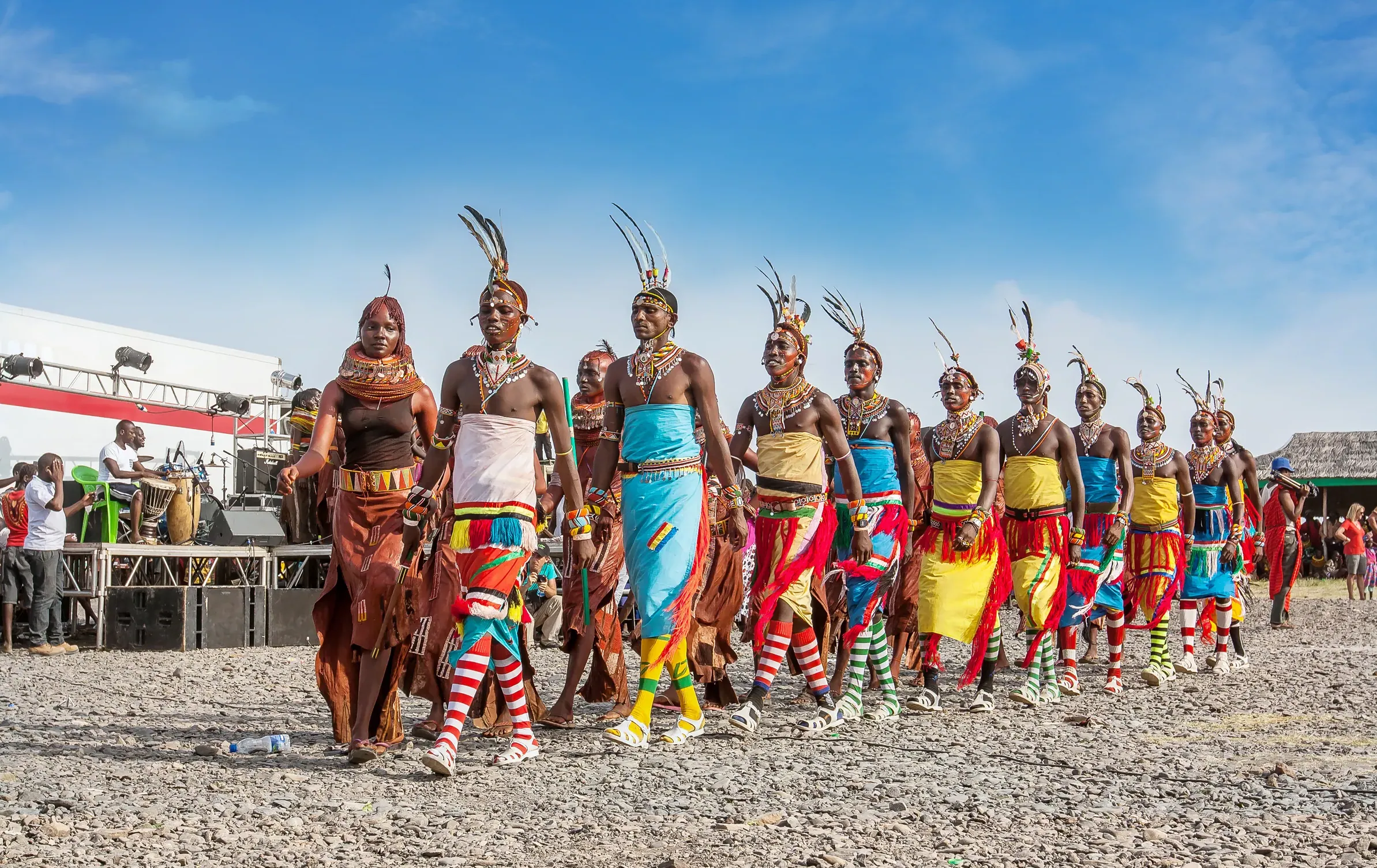
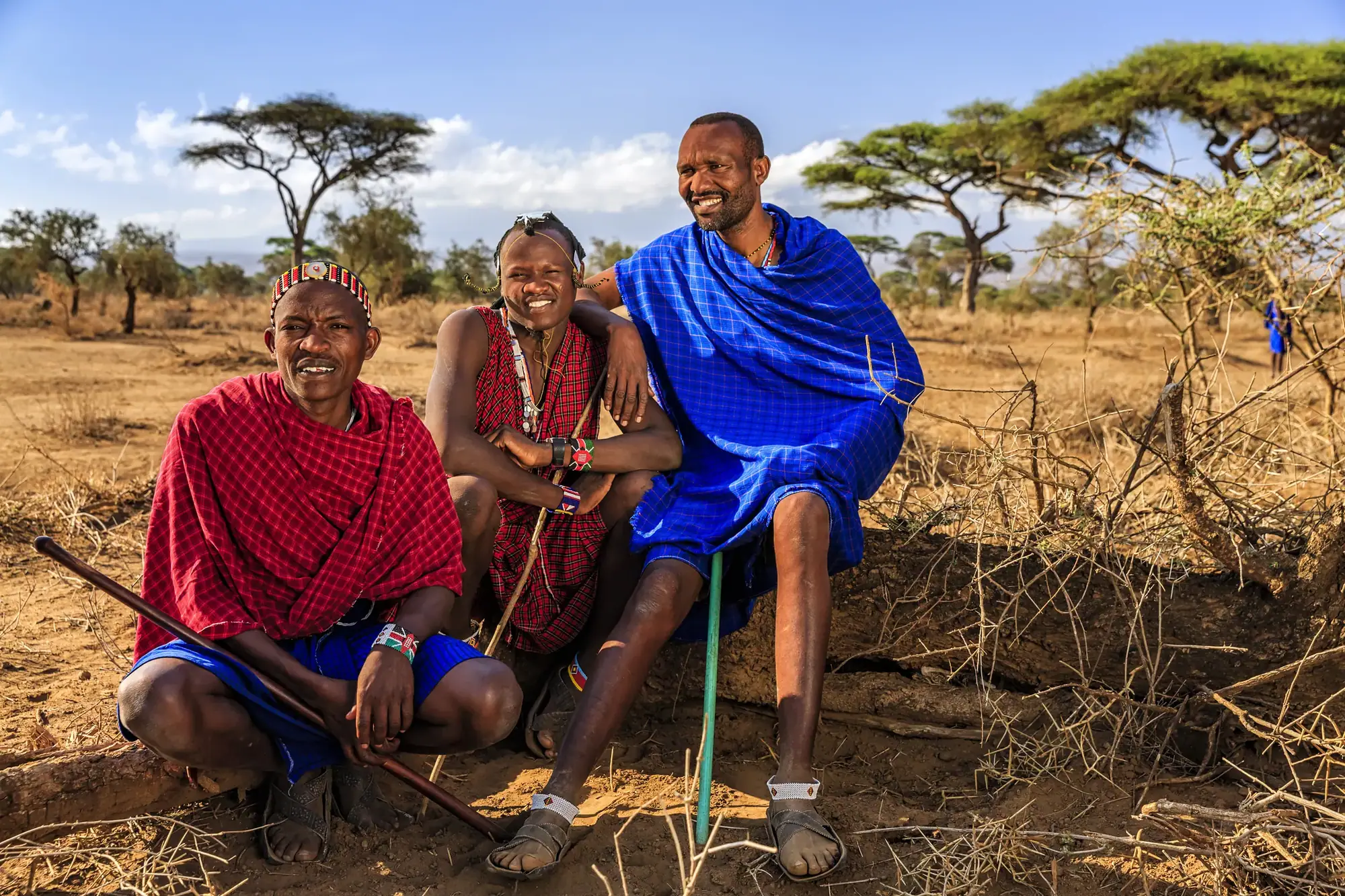
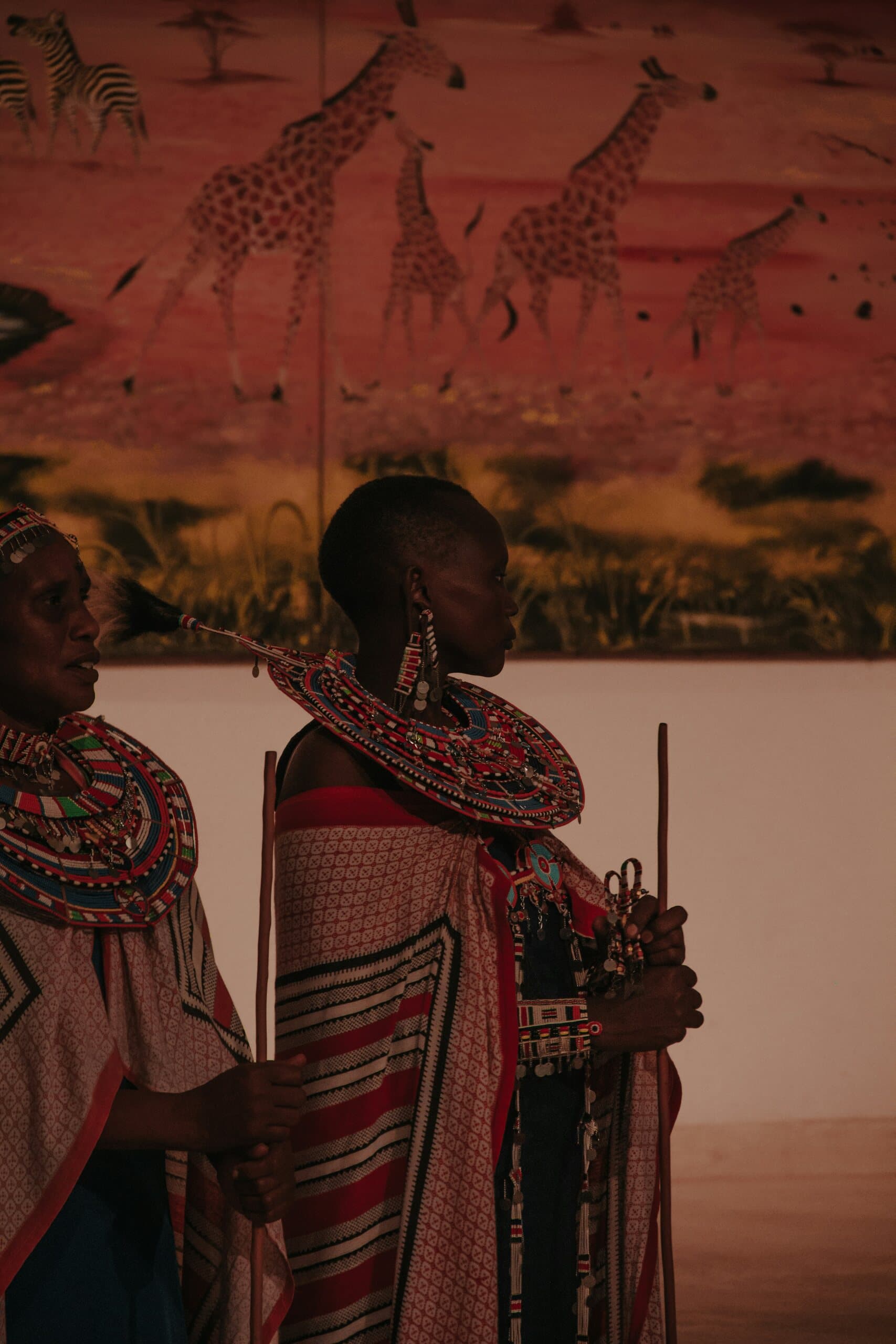
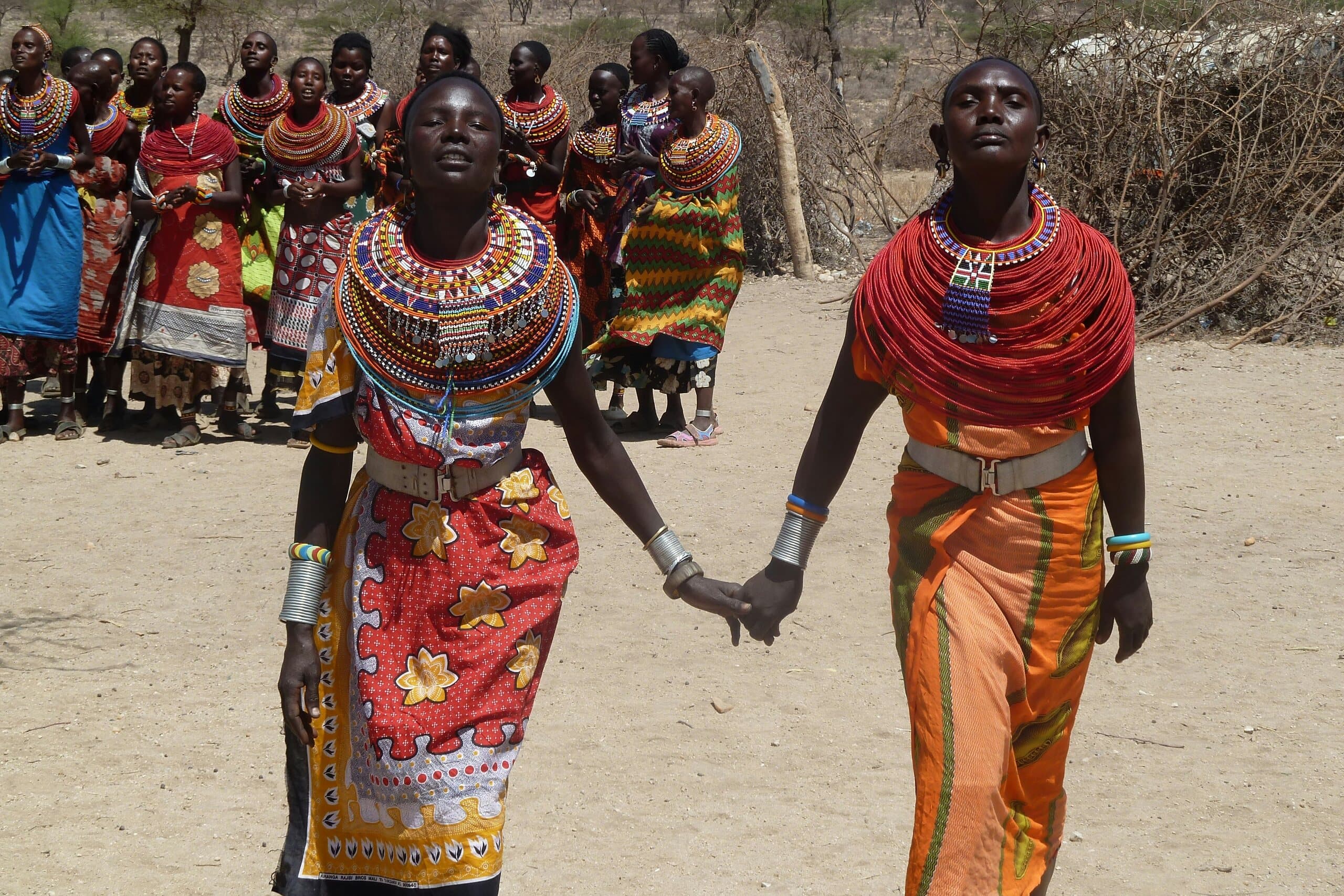
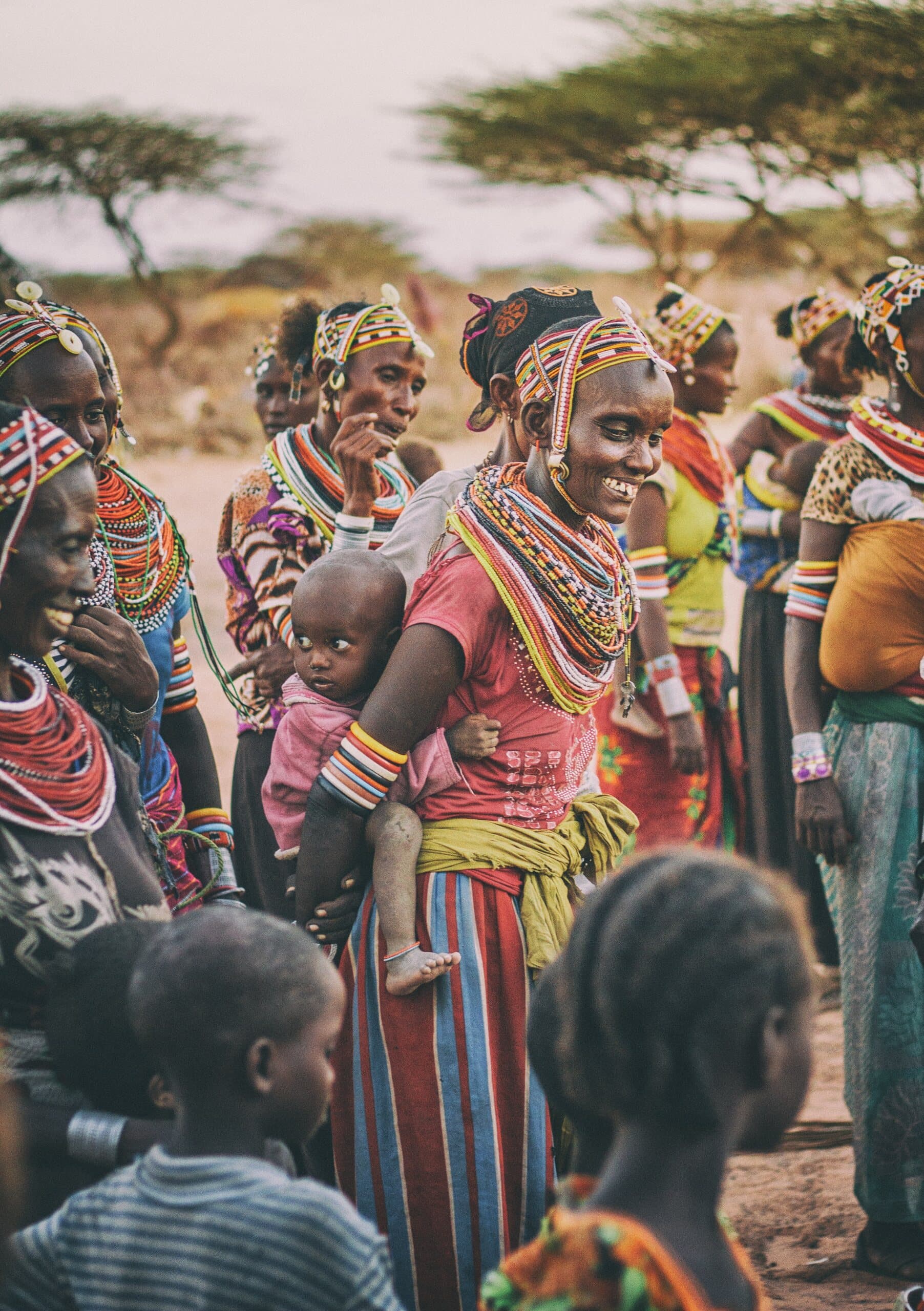
Northern Kenya feels like a different country from the Mara: dry red earth, doum palms along the Ewaso Ng'iro River, and pastoral communities who keep much of their dress and ceremony in daily use. Samburu women are known for layered bead collars that carry meaning about age, marriage and family. Beadwork has also become income. Women's groups linked to community conservancies in the north sell their own work, which keeps money in households that share their land with elephants, lions and rare northern species.
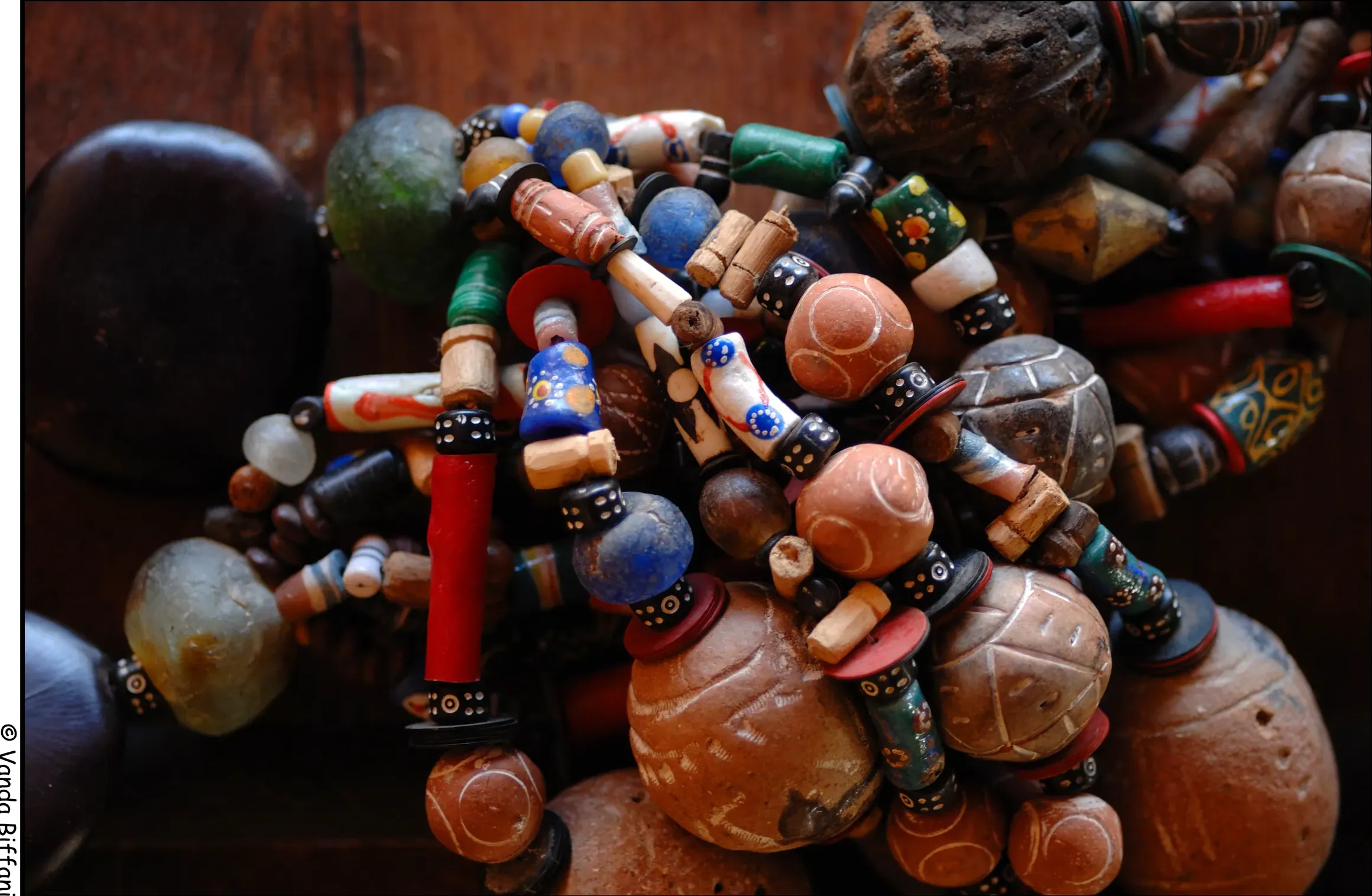
The women lead. You usually start with introductions and a look at how glass beads, wire and leather become a collar, a bracelet or earrings. Then you sit in the shade and make a simple piece of your own, with patient correction from your teacher. Along the way you hear what certain colors and patterns signal in their community. Meanings vary between families and areas, so ask your hosts rather than trusting a chart online. Pieces made by the group are for sale, and the money goes to the makers.
Workshops take place in communities near Samburu National Reserve and the conservancies around it. The north is hot and dry for most of the year, and game viewing is usually best in the dry months, when animals gather along the river. The long rains often arrive around April and the short rains around November, though the north gets far less rain than the south. An afternoon workshop fits well after a morning game drive, when the heat makes the bush quiet anyway.
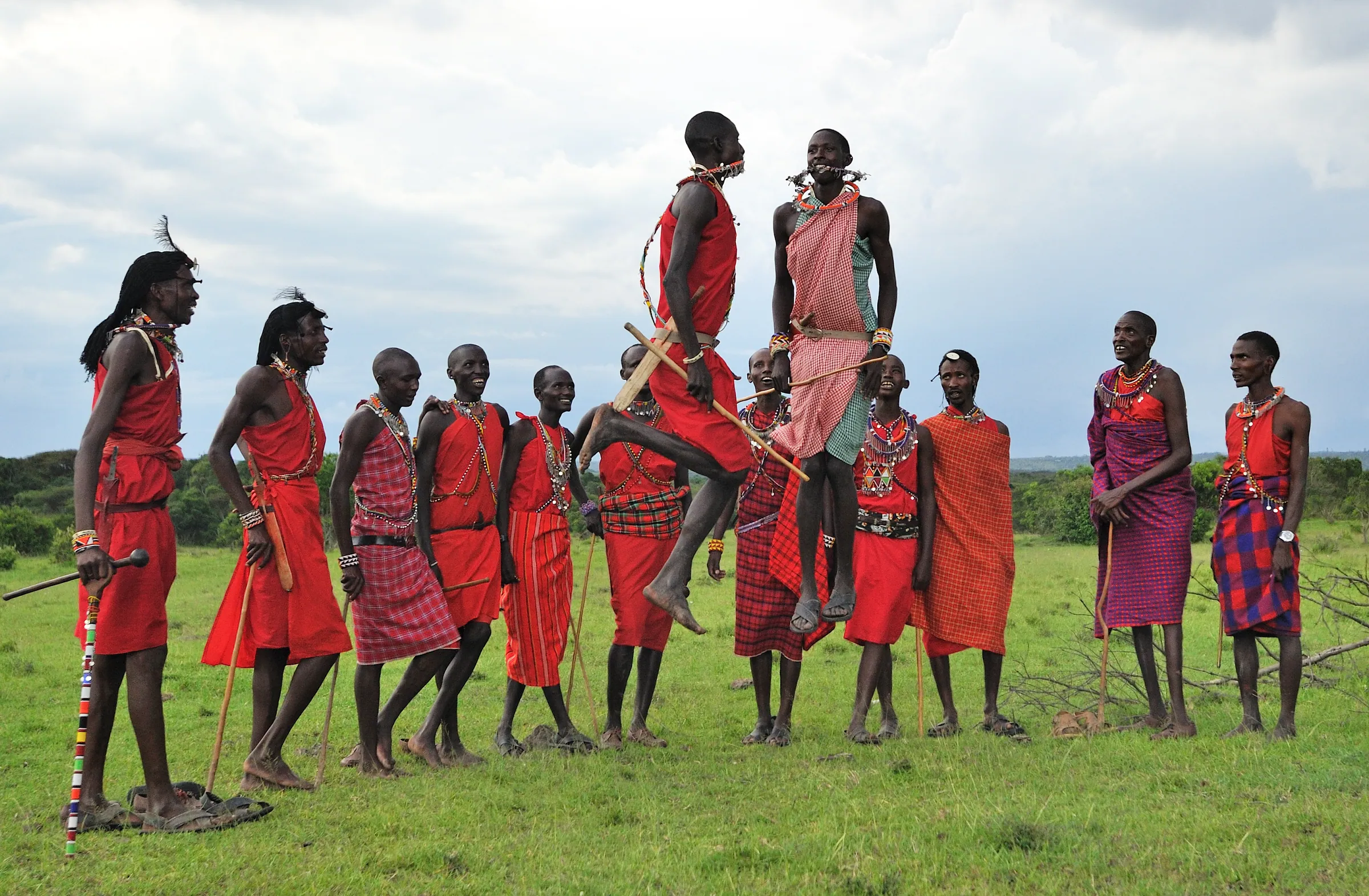
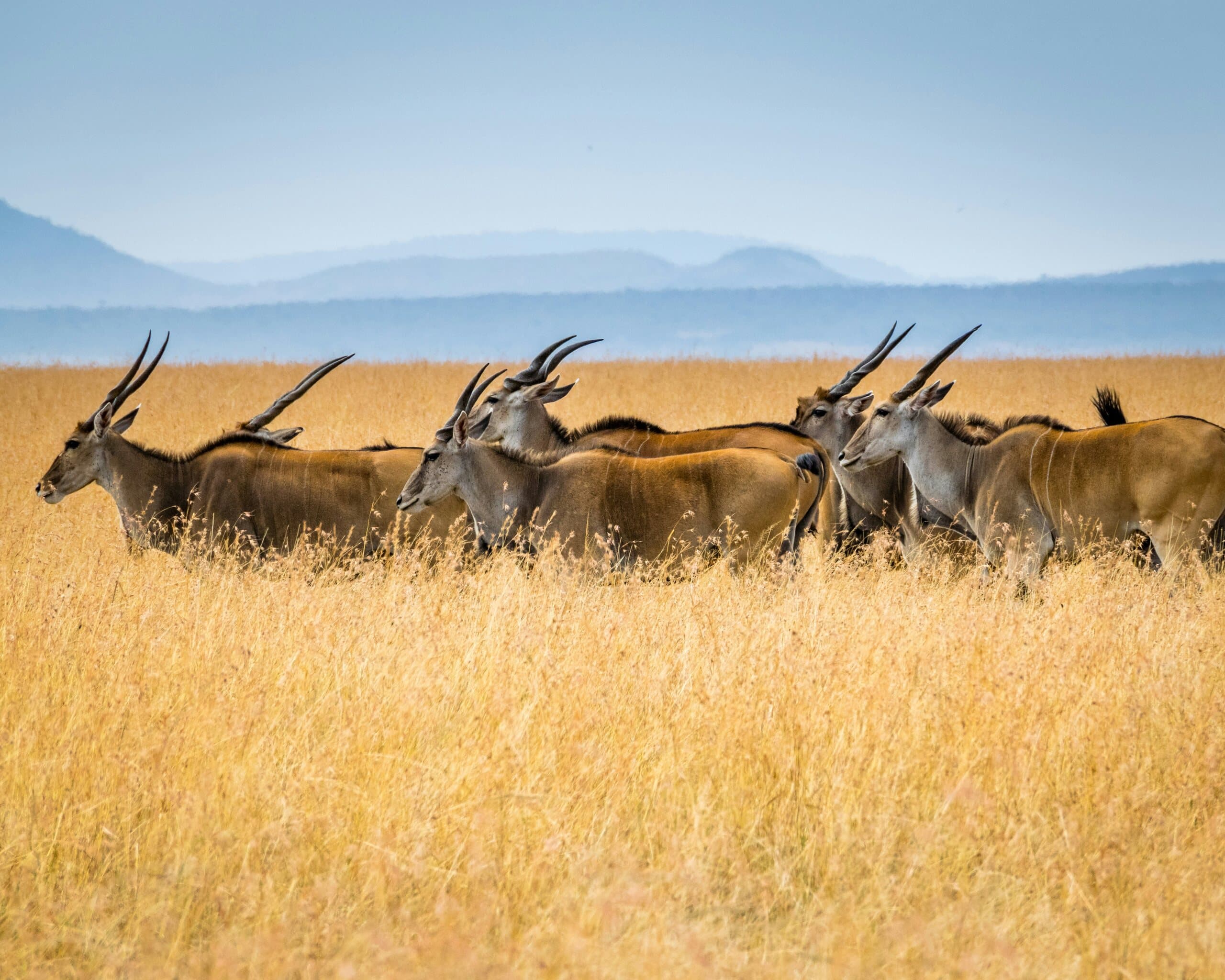
Samburu pairs naturally with wildlife the south does not have, including Grevy's zebra, reticulated giraffe, gerenuk, beisa oryx and the Somali ostrich, often called the Samburu Special Five. From there you can head south to Lewa or Ol Pejeta for rhinos, then on to Mount Kenya or the Rift Valley lakes. The Maasai village exchange in the Mara makes a good contrast, since Samburu and Maasai speak forms of the same Maa language but differ in dress and custom. Many travelers finish at the coast.
Bring cash in small notes for purchases, and wear light, loose clothing and a hat, because the sun in the north is strong. Ask before photographing anyone. Reading glasses help if tiny beads are hard to see. Teenagers often enjoy having a new skill to take home, and women's groups, church groups and students can ask for a longer exchange about how the group runs and spends what it earns. Small pieces pack flat; wrap larger collars in clothing.
Kenya Experience is Kenyan-led, with two U.S. companies behind it, and our Kenyan guides make the introductions in Samburu. We fit the workshop into a northern safari, and you can pay in full or monthly with no deposit. A specialist replies within two business days.
Samburu beadwork is a language: colour and pattern mark age, marriage, status and clan. The cooperatives we work with sell directly to visitors and run the workshops themselves.
Colors, patterns and the number of strands can signal age, marriage and status, and some pieces are worn only at certain stages of life. Meanings differ between families and areas, so the best source is the woman who made the piece.
Both are pastoral peoples who speak forms of the Maa language and share many customs. The Samburu live mainly in northern Kenya, while the Maasai live in southern Kenya and northern Tanzania.
Yes. Buying directly from a women's group at a workshop means the money goes to the makers, and you know who made your piece.
Yes, for species you will not see in the south, such as Grevy's zebra, reticulated giraffe and gerenuk, and usually far fewer vehicles than the Mara. It works well as a second or third safari stop.
Panga
Panga means plan. Tell us who is going and what you love. A Kenya specialist replies within two business days.