Culture & Heritage
A UNESCO-listed island town with no cars, where donkeys and dhows do the work and a thousand years of Swahili trade live in the carved doors.
Culture & Heritage
A UNESCO-listed island town with no cars, where donkeys and dhows do the work and a thousand years of Swahili trade live in the carved doors.



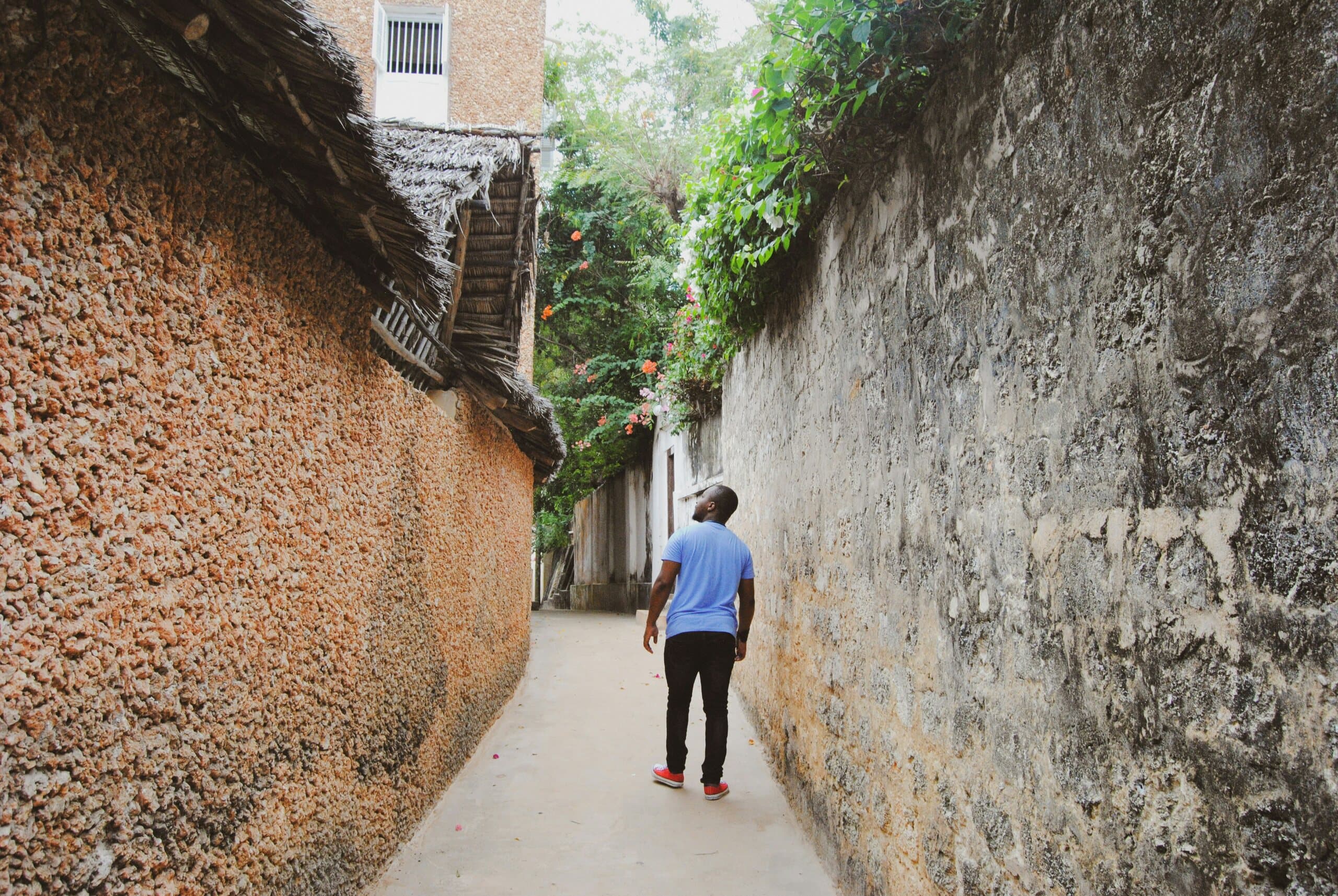
Lamu Old Town was added to the UNESCO World Heritage list in 2001 as the oldest and best-preserved Swahili town in East Africa. Its houses are built of coral stone and mangrove timber, with carved wooden doors, inner courtyards and rooftop terraces. The town grew on trade across the Indian Ocean with Arabia, Persia and India, and its mix of African, Arab and Asian influence still shapes the food, music and faith. It is a living town, home to families who have lived here for generations.
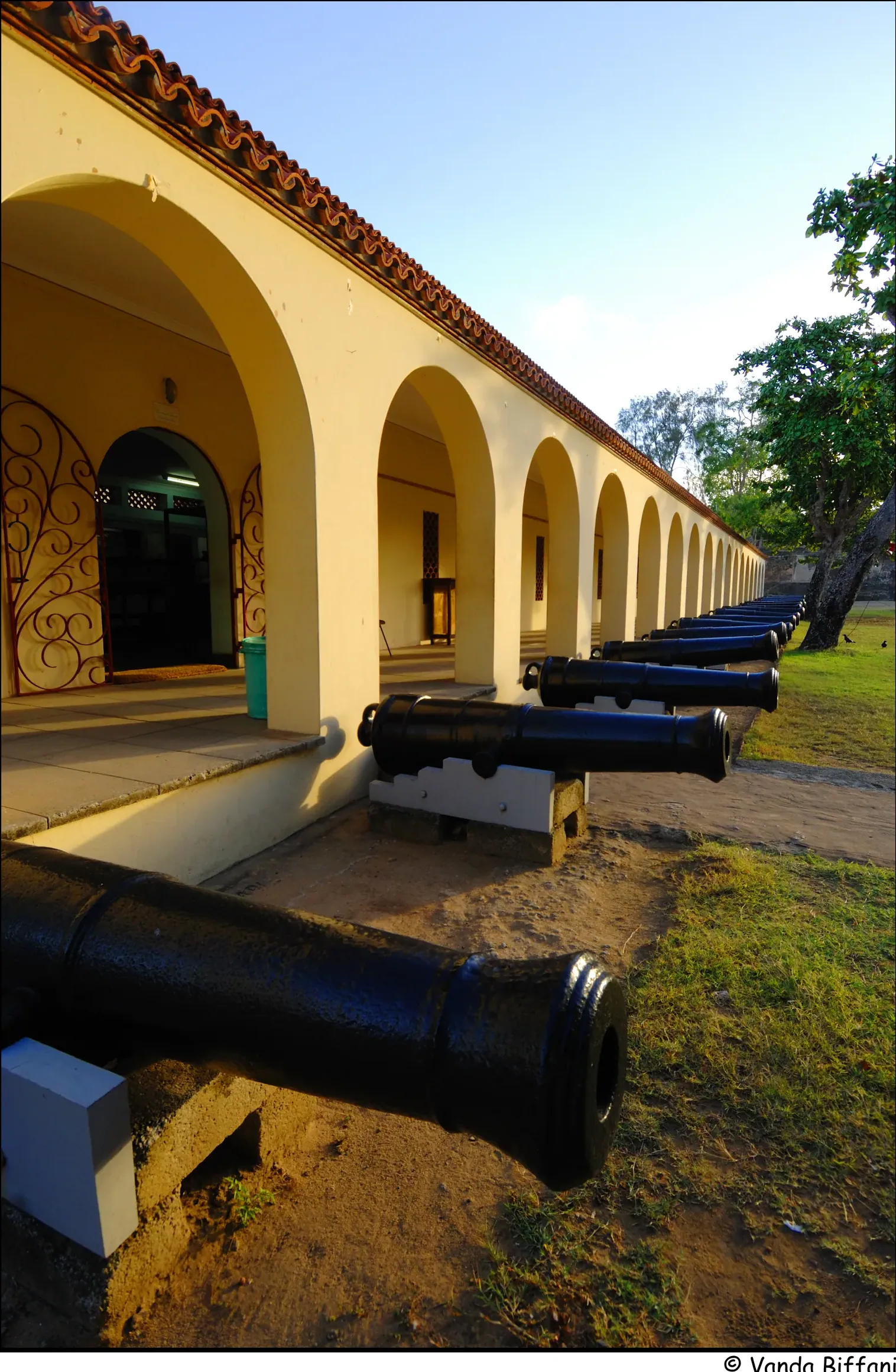
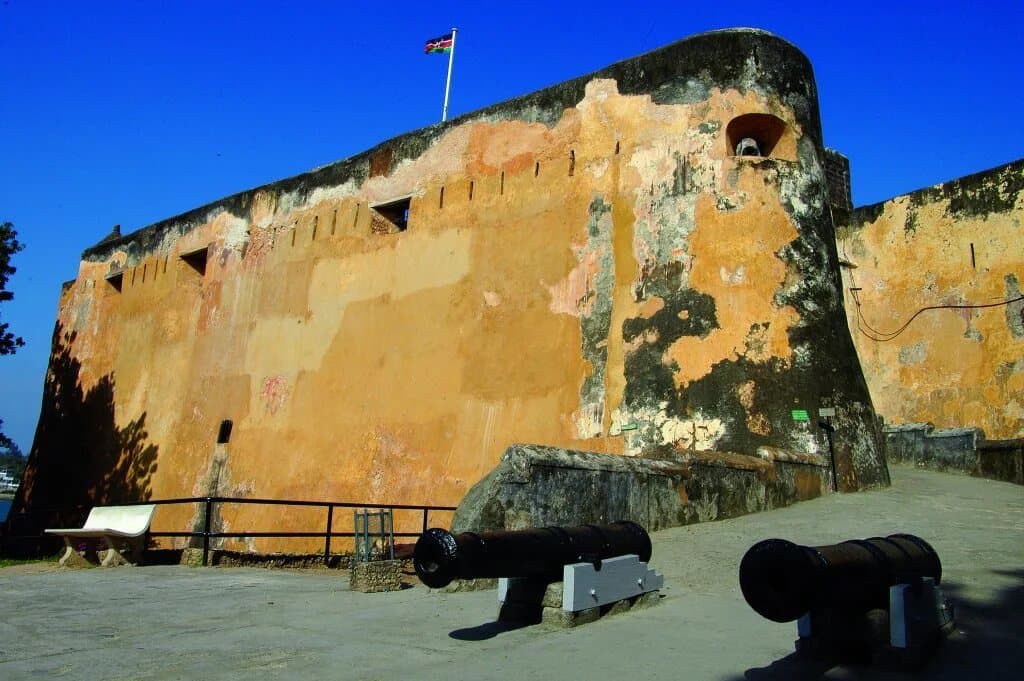
Check the travel advisories first. The U.S. State Department's travel advisory for Kenya has warned Americans against travel to Lamu County because of kidnapping and terrorism risk, and the UK's advice treats Lamu Island and Manda Island differently. We follow the current U.S. advisory, so while it advises against Lamu we plan Swahili heritage in Mombasa's Old Town and Fort Jesus instead, and we will tell you when the advice changes.
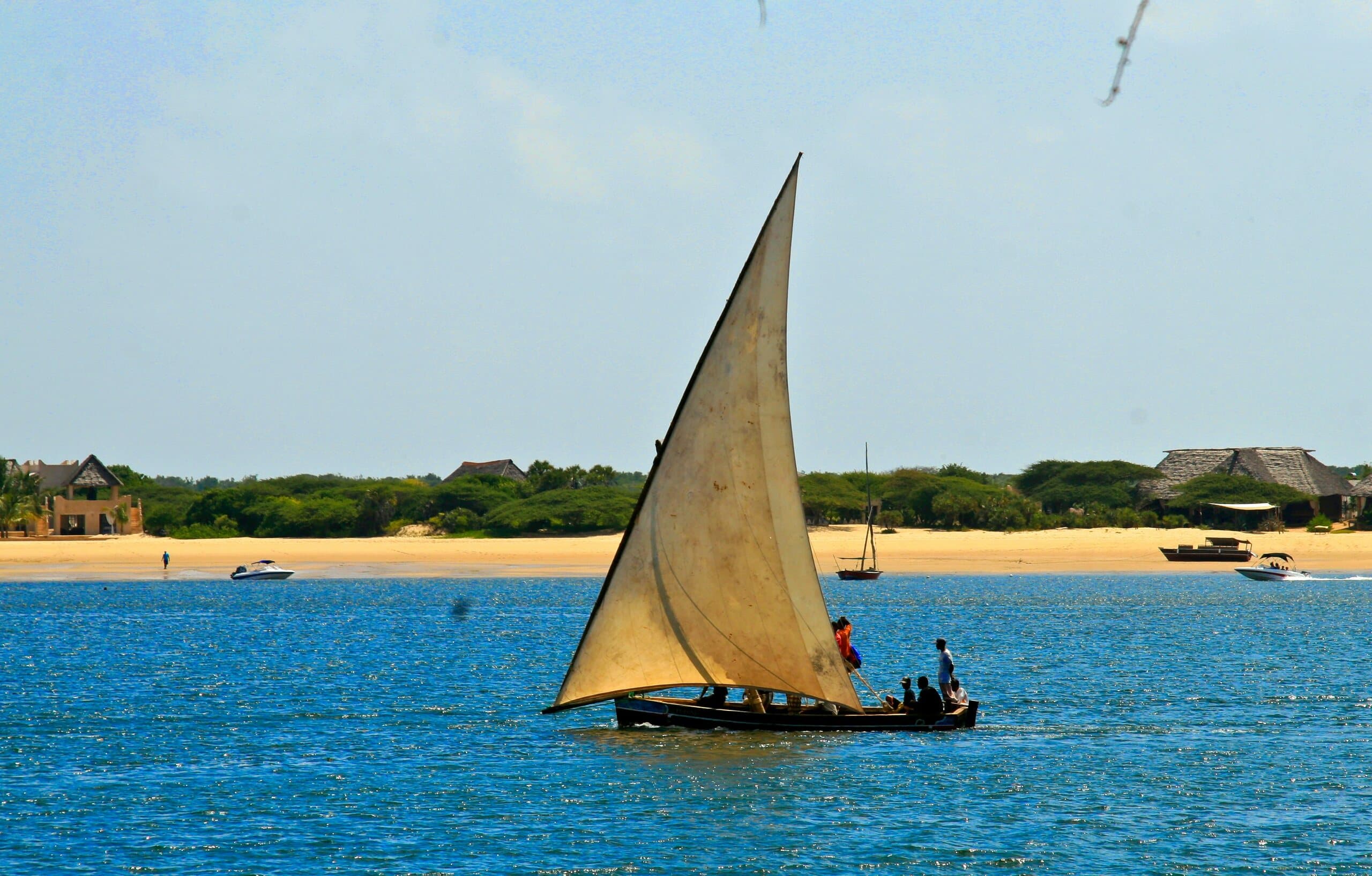
Flights from Nairobi land on Manda Island, and a short boat ride across the channel brings you to the Old Town jetty. Cars are not allowed in the Old Town, so you walk the narrow lanes or ride a donkey, and boats and dhows connect the town with Shela village and the other islands. The Donkey Sanctuary runs a clinic in town that cares for the working animals. Most guesthouses arrange the airport boat for you.
Morning walks through the lanes with a local guide, past the 19th-century Lamu Fort and the waterfront museum. Lunch of fish in coconut sauce. A dhow sail in the afternoon to the ruins at Takwa on Manda, or the dunes and beach at Shela. Sunset from a rooftop as the calls to prayer cross the town. Dhow builders still work at Matondoni village on the north side of the island, shaping hulls by hand much as their grandparents did. Evenings are for the waterfront, where families gather in the cool air and boats come in from the day's fishing.
Lamu is a conservative Muslim town. Dress modestly in the Old Town, with shoulders and knees covered, and ask before you photograph people. During Ramadan, avoid eating or drinking in the street by day. The Maulidi festival follows the Islamic calendar, so its date moves each year. Bring cash for small purchases, comfortable sandals and a hat. Most guesthouses are in traditional houses with steep stairs and no elevators, so tell us about any mobility needs. The best weather is usually from about October to March, and the long rains usually fall from April to June.
Kenya Experience is Kenyan-led, with two U.S. companies behind it and Kenyan guides, and we check current advisories before we confirm any coast stay. Pay in full or monthly with no deposit, and a specialist replies within two business days.
Lamu Old Town is the oldest continuously inhabited Swahili settlement in East Africa. Days pass on rooftops and dhows; the November cultural festival brings donkey races, dhow races and music to the waterfront.
Scheduled flights from Nairobi land at Manda Airport on Manda Island, and a short boat ride takes you across to Lamu Town.
Not in the Old Town, where the lanes are too narrow for cars. People walk, ride donkeys or travel between villages by boat.
The U.S. State Department's travel advisory for Kenya has warned against travel to Lamu County because of kidnapping and terrorism risk. Check the current advisory before planning; we follow it for every trip and suggest Mombasa's Old Town while it advises against Lamu.
Lamu Old Town was inscribed in 2001 as the oldest and best-preserved Swahili settlement in East Africa, with its traditional coral stone architecture and way of life still intact.
Panga
Panga means plan. Tell us who is going and what you love. A Kenya specialist replies within two business days.