Month by month. Updated November 2026. 3 min read.
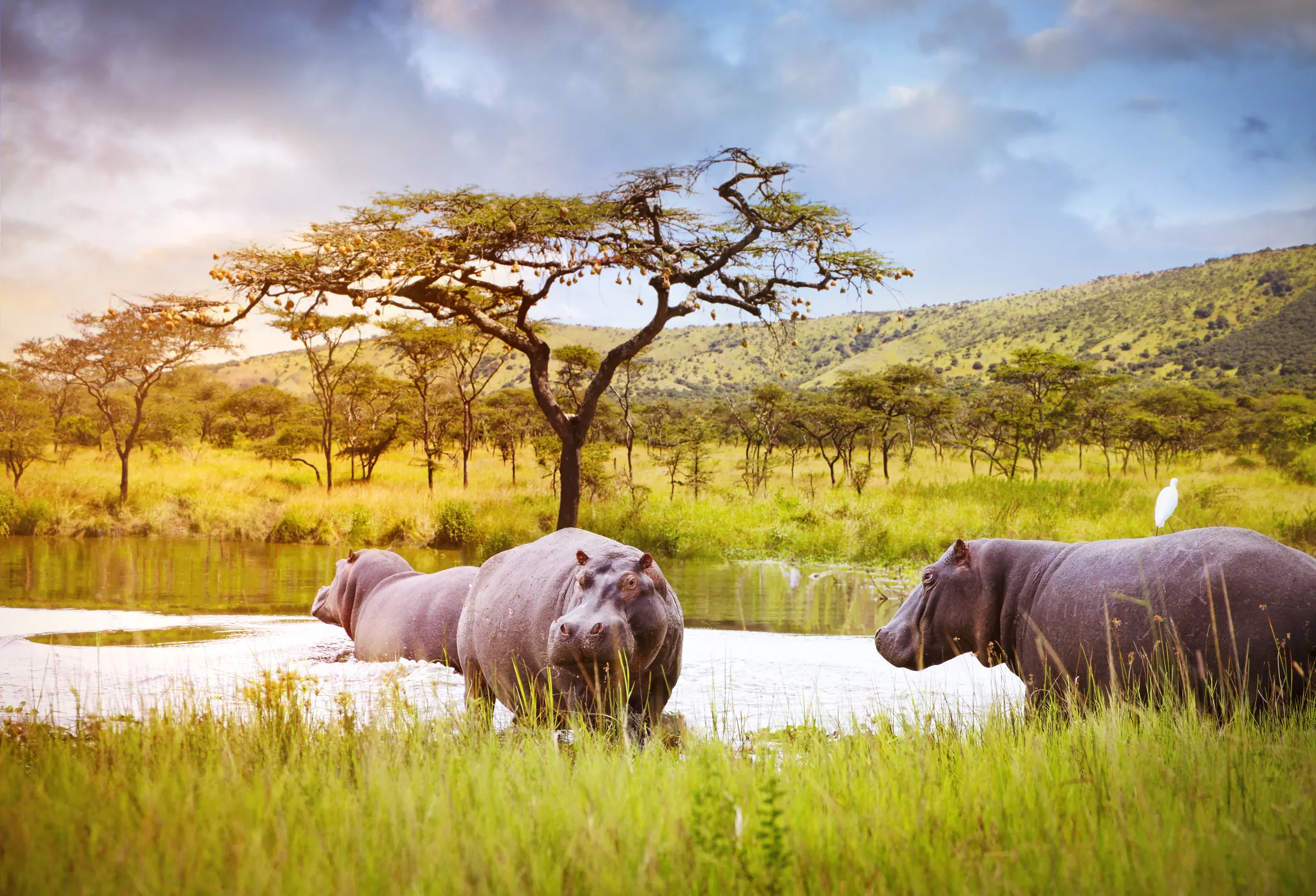
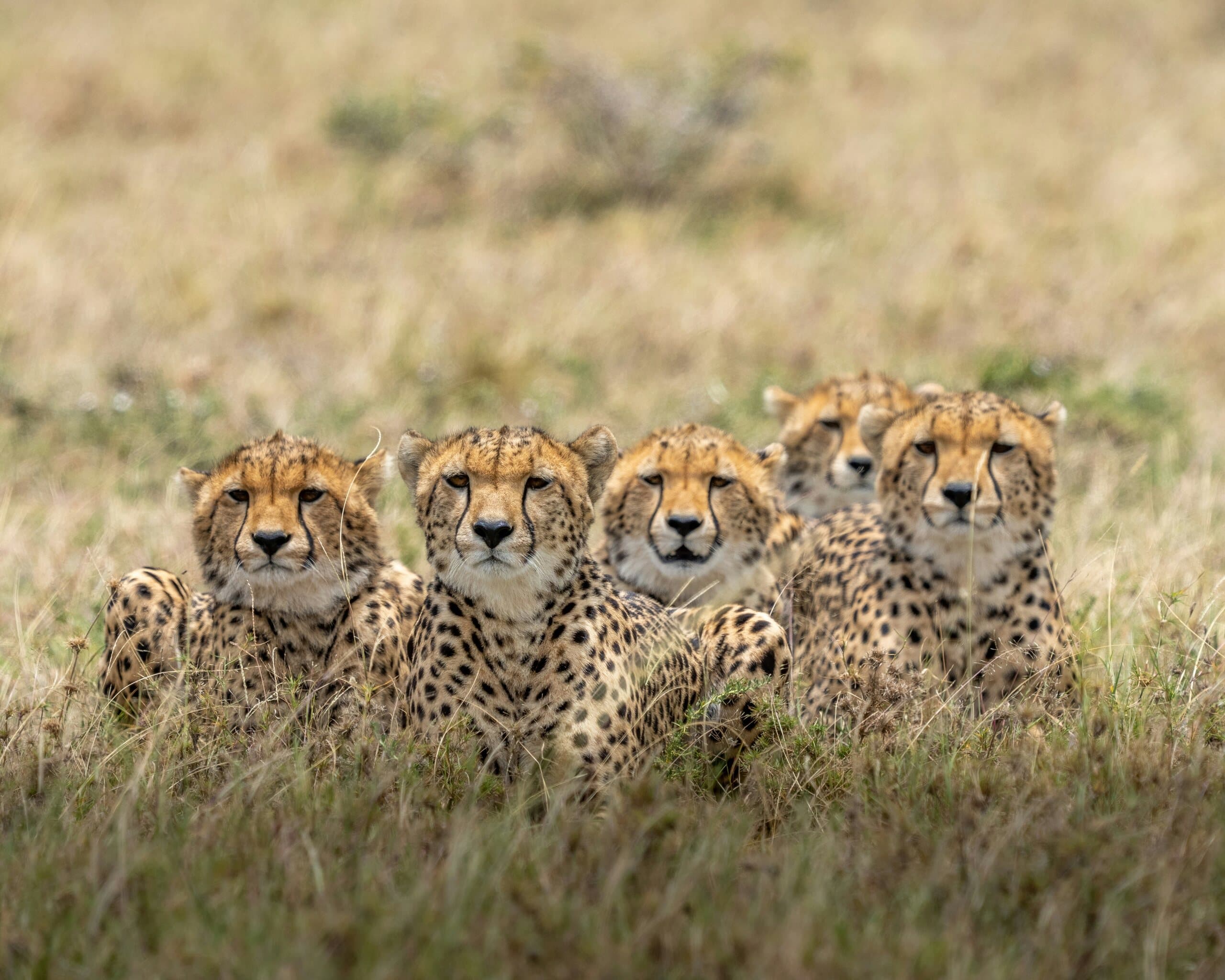
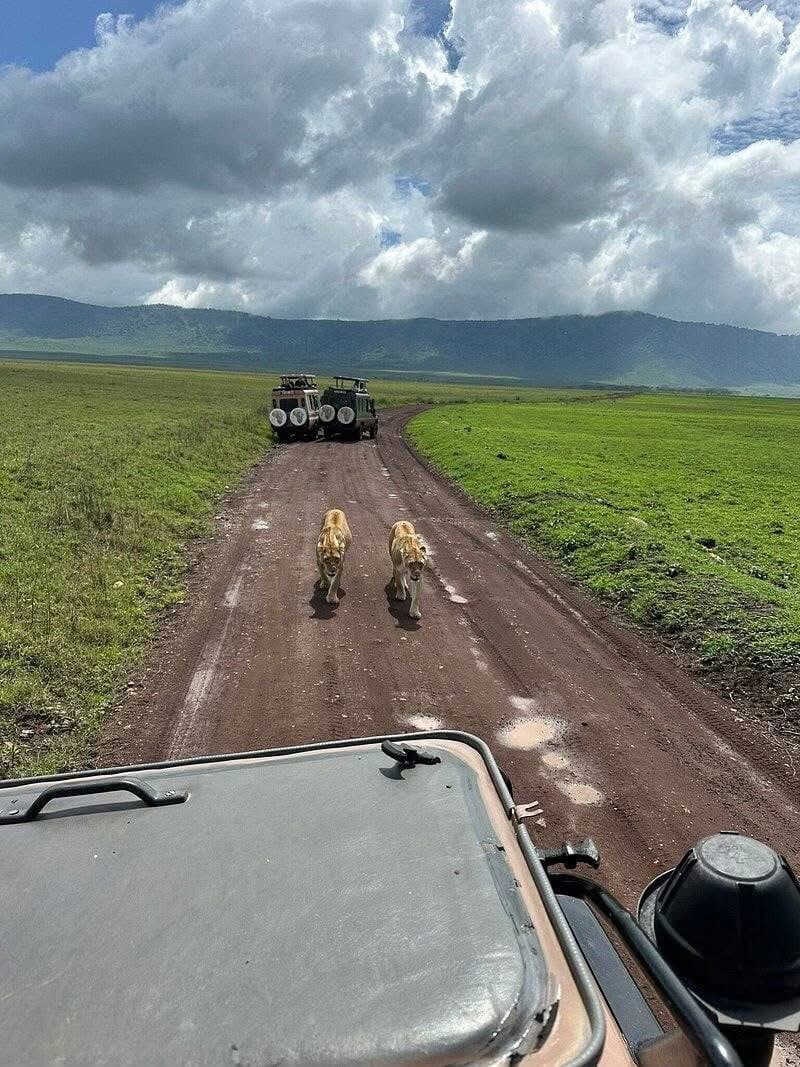
November is Kenya at its greenest and quietest. The short rains wash the parks clean, migrant birds arrive from Europe and Asia, you share the Mara's lions and cheetahs with far fewer vehicles, and Lamu celebrates its Swahili heritage at its cultural festival. It is a good time to visit if you don't mind some rain: storms usually come in the afternoon or evening, and many camps lower their rates.
The weather in November, region by region
- Nairobi and the highlands: mild, about 15°C to 25°C (59°F to 77°F), and usually the wettest month of the short rains. Mornings are often bright, with storms building later in the day.
- The Maasai Mara and the southern parks: about 12°C (54°F) at dawn and 27°C (81°F) in the afternoon. Rain is common, black-cotton soil tracks get muddy, and the grass grows fast. Amboseli and Tsavo get their share of the rain too.
- The north: Samburu usually gets some of the short rains. The bush turns green within days, and dry riverbeds can run for a few hours after a storm.
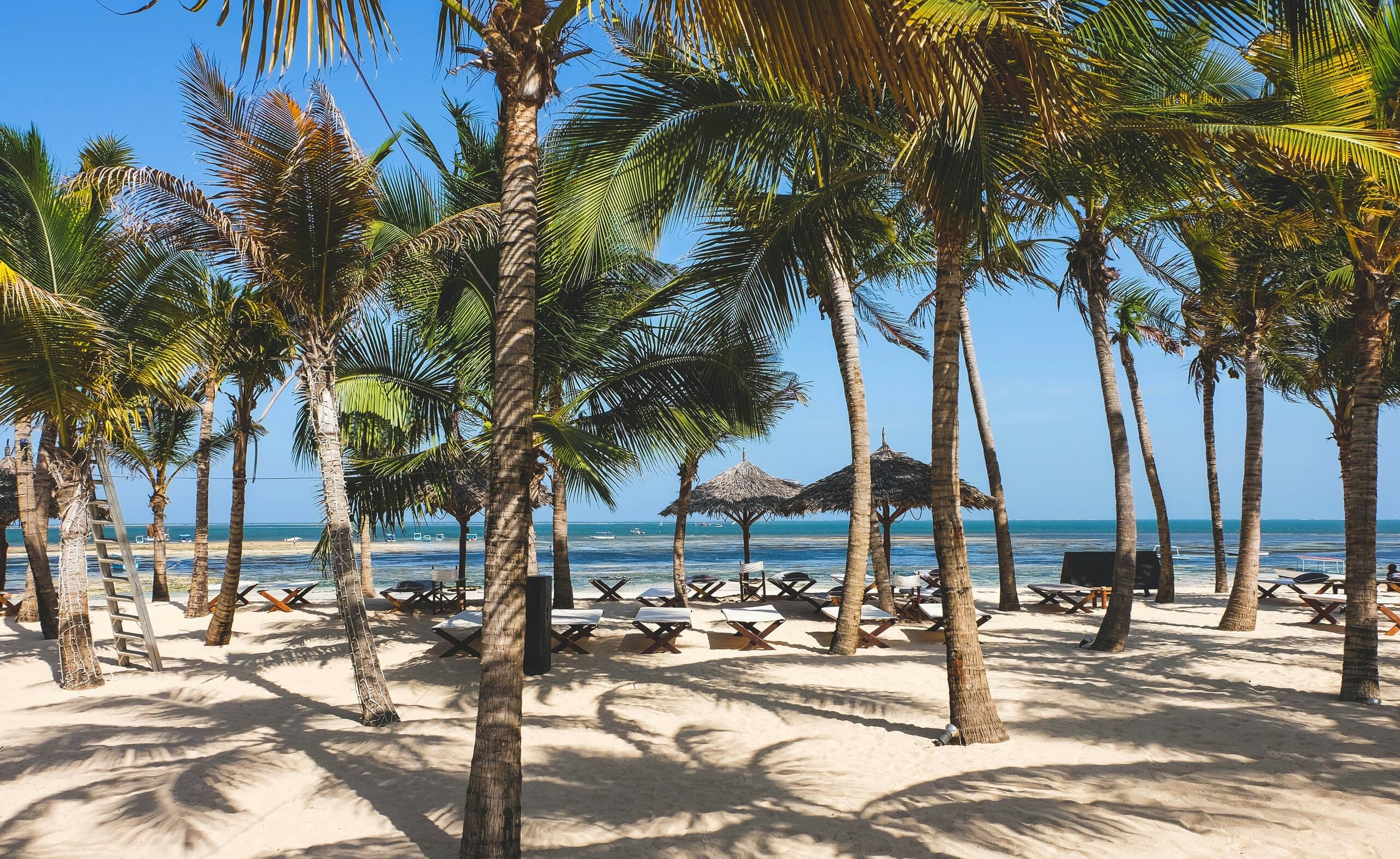
- The coast: hot and humid, about 23°C to 31°C (73°F to 88°F) in Mombasa, with the sea near 28°C (82°F). Showers are usually short, and Lamu gets far less rain than the south coast.
The short rains usually start in late October or November and ease in December. In some years they are light; in others heavy rain causes flooding and damages roads. We check the Kenya Meteorological Department's October to December outlook and keep routes flexible, often flying between parks rather than driving.
Wildlife and birds in the green season
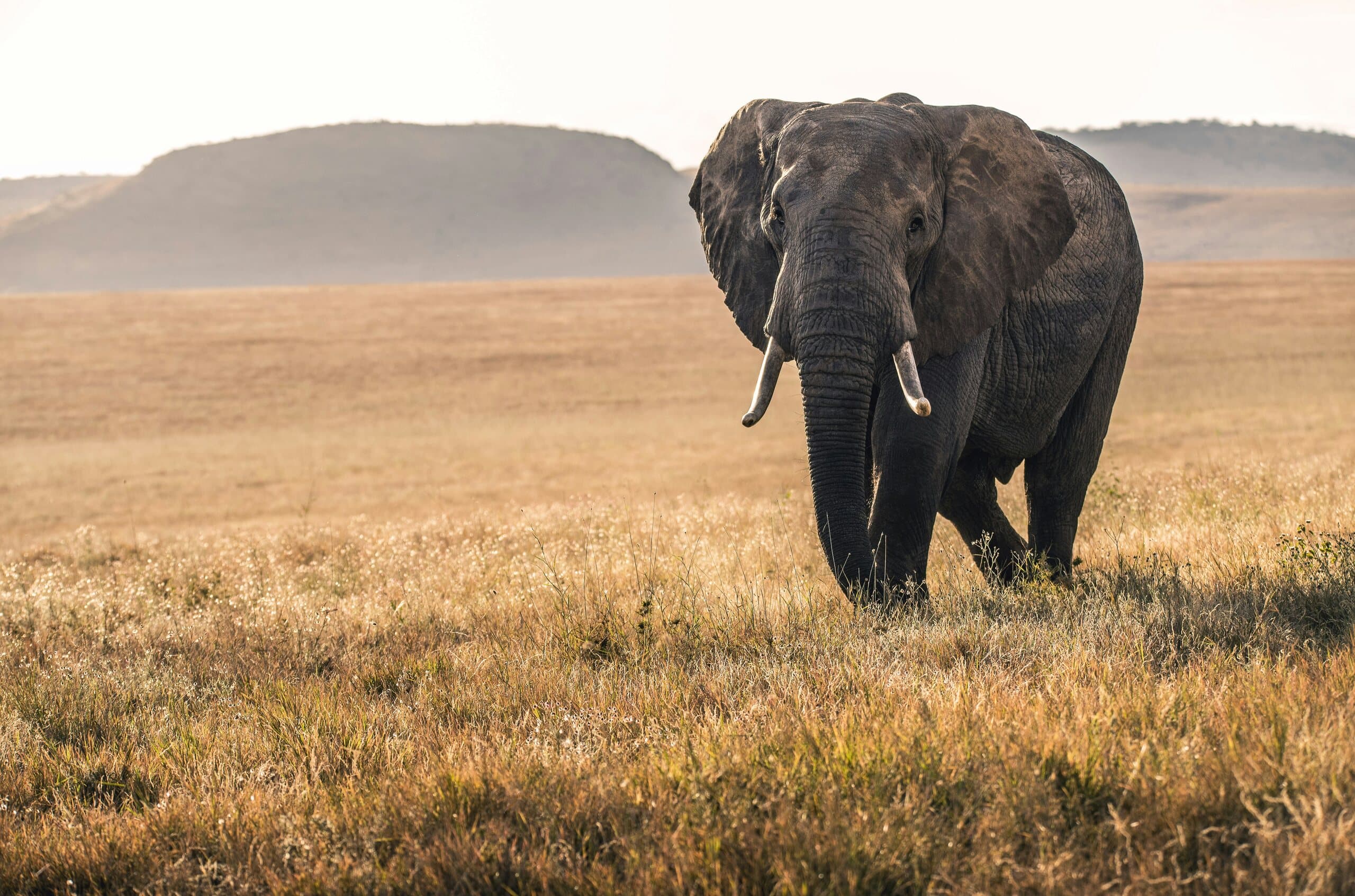
- The Mara: the great herds are usually in Tanzania by now, but the reserve's lions, cheetahs, leopards, elephants and plains game are all there, with far fewer vehicles than in August.
- Fresh grass: the rains bring new grazing that draws plains game out onto open ground.
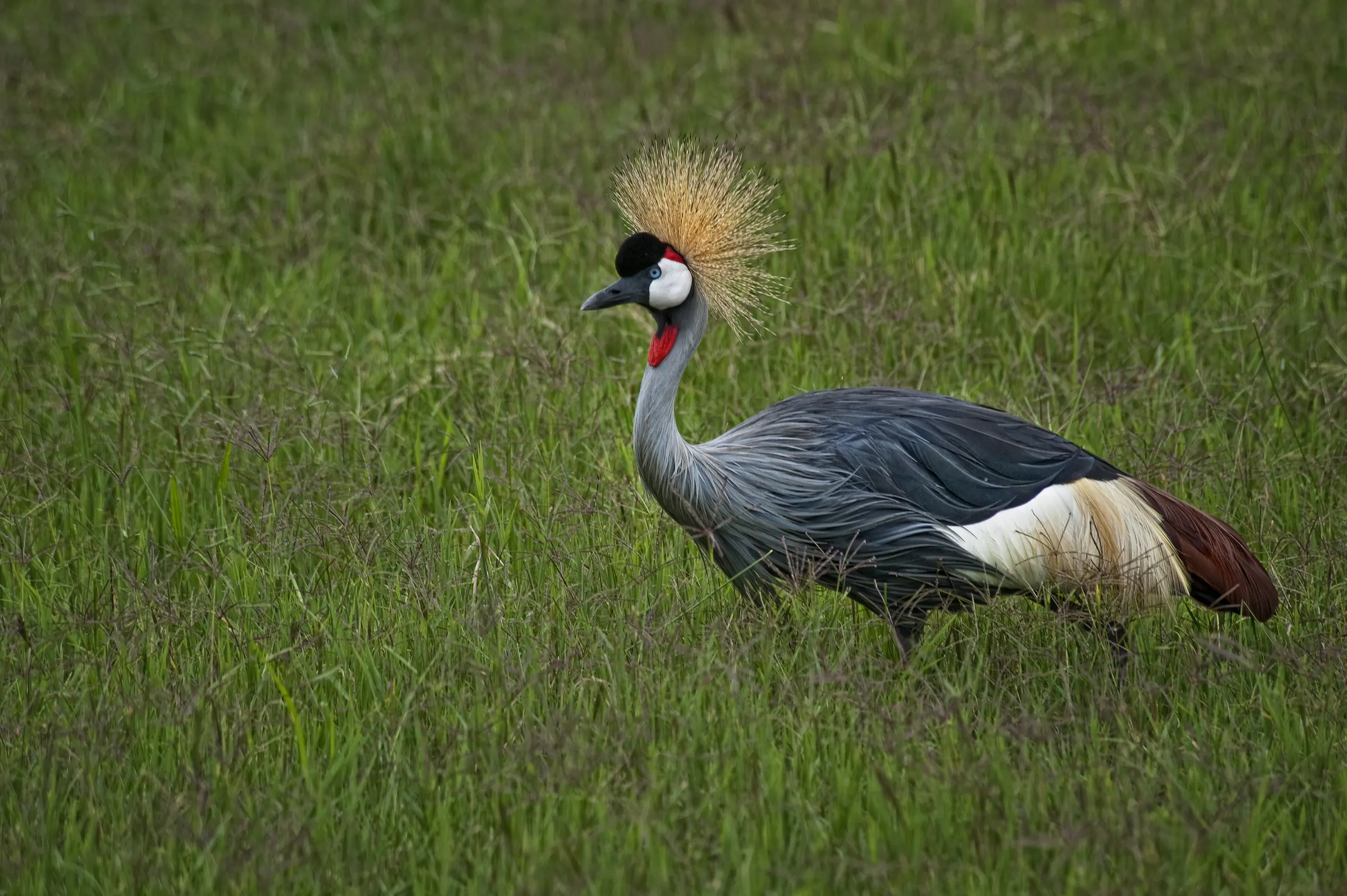
- Birds: November is one of the best birding months. Migrant birds from Europe and Asia are passing through or settling in for the northern winter, and many resident birds breed in the rains.
- Flamingos: Lake Bogoria and Lake Nakuru can hold large flocks, though numbers rise and fall with the water levels.
- Whale sharks: they are sometimes seen off the south coast around Diani and Kisite from about November, though the most reliable sightings are usually early in the year.
The best places to go in November
- The Maasai Mara and its conservancies, for big cats with few vehicles around
- Lake Nakuru and Lake Bogoria, for rhinos, flamingos and birds
- Nairobi National Park, an easy half day in any weather
- Kakamega Forest, for forest birds and primates
- Lamu, for the cultural festival and the old town
- Watamu, for the marine park and a quiet beach
The coast and the Lamu Cultural Festival
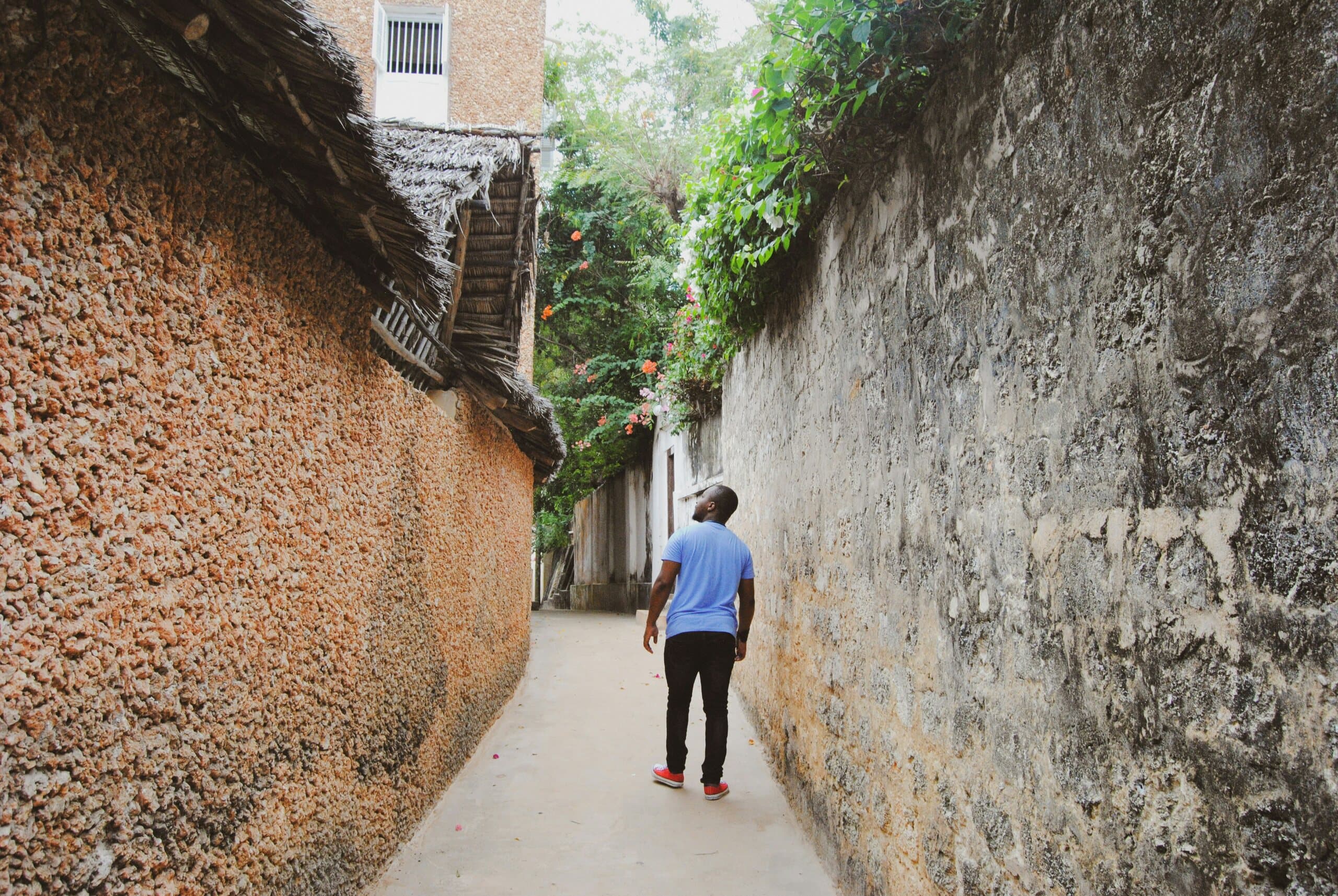
The coast is hot, calm and quiet before the Christmas rush. November is usually the least windy month, so it is a poor month for kitesurfing and a good one for calm water. The Lamu Cultural Festival is usually held over a few days in the second half of November, sometimes running into early December, with dhow races, donkey races, Swahili poetry, music and henna. Dates are often announced only weeks ahead, and Lamu's small hotels fill fast.
Crowds, prices and holidays
November is one of the quietest months in Kenya's parks, and many camps charge green-season or shoulder rates. There are no national public holidays in Kenya in November. Thanksgiving week is popular with American travelers: add a few vacation days and it makes a good ten-day trip.
What to pack, and who November suits
- A good rain jacket and quick-dry clothes
- A waterproof bag for your camera and phone
- Closed shoes that can get muddy
- Insect repellent, and malaria prevention as advised by your doctor
November suits travelers looking for value, birders, photographers who love green landscapes and storm light, families on a Thanksgiving trip and return visitors who have already seen the migration. If you want guaranteed dry days or the herds in the Mara, choose another month.
Kenya Experience plans green-season trips around the weather, with Kenyan guides who know which tracks stay open after a storm. We are Kenyan-led, with two U.S. companies behind us. Pay in full or monthly with no deposit, and a specialist replies within two business days.