Month by month. Updated November 2026. 4 min read.
Yes. February puts all of Kenya within easy reach: dry plains full of resident wildlife, the clearest weeks of the year on Mount Kenya, whale sharks off Diani and some of the sunniest beach days on the Indian Ocean. It is usually among the hottest and driest months, with short grass and animals drawn to rivers and waterholes, which makes it one of the best times to visit.
February weather by region
February usually brings very little rain anywhere in Kenya. A stray afternoon shower in the highlands is possible, but most days are dry and bright. The long rains usually begin in late March or April, so February sits comfortably in the middle of the dry season.
- Nairobi and the highlands: sunny and warm, often the warmest weeks of the year. Long-term averages give highs of about 26 to 27°C (79 to 81°F) and lows of about 13 to 14°C (55 to 57°F).
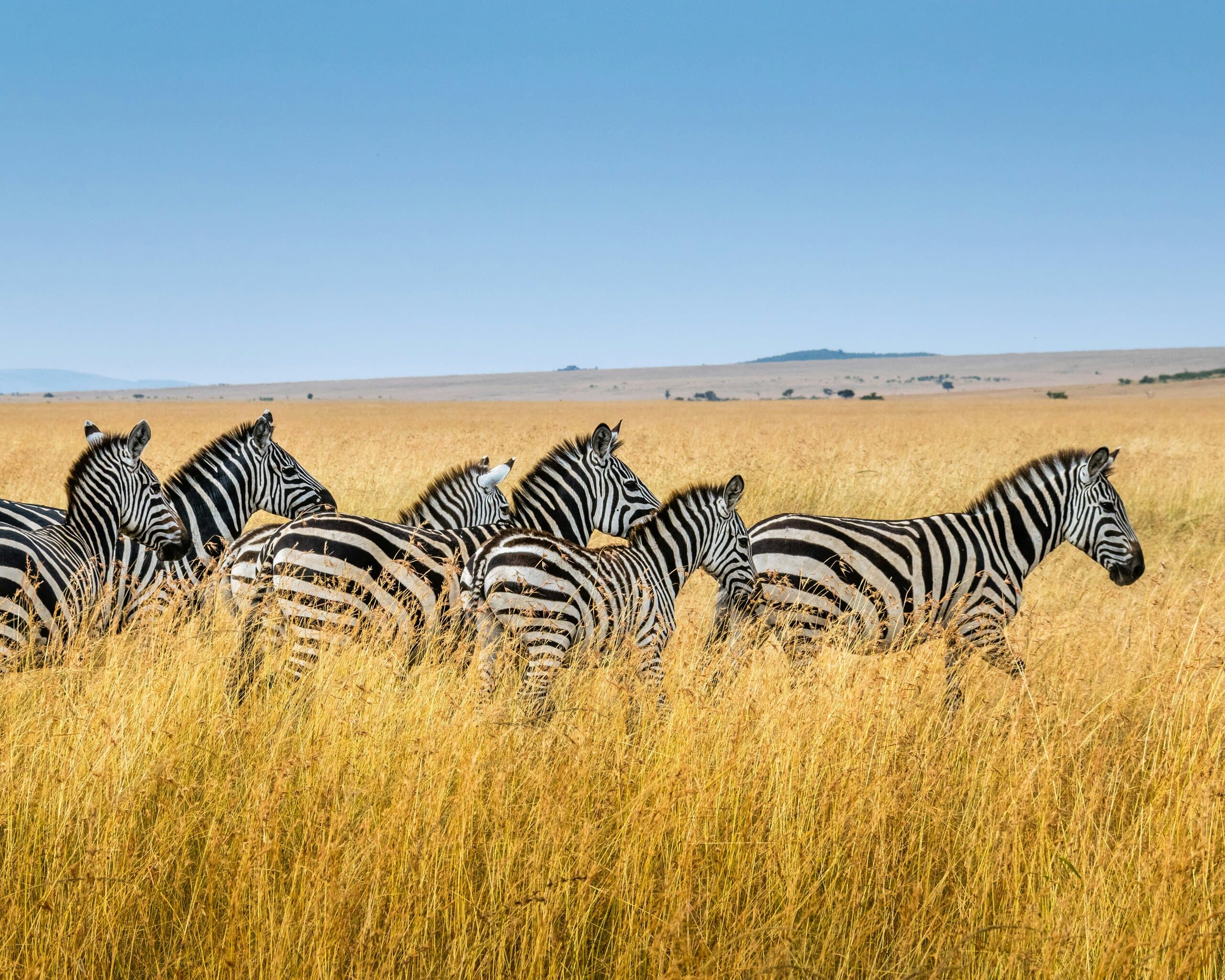
- The Maasai Mara and the southern parks: dry, warm days and cool dawns. The plains turn gold as the grass dries, and Amboseli and Tsavo can be dusty and hot by afternoon.
- The north: hot and dry in Samburu, Buffalo Springs and Shaba, with midday temperatures often around 30°C (86°F) or more.
- The coast: hot and humid, and usually the driest month of the year in Mombasa, with highs of about 33°C (91°F) and lows near 24°C (75°F).
Where the wildlife is
In February the migration herds are in Tanzania's southern Serengeti and the Ndutu area, where calving usually peaks. Hundreds of thousands of wildebeest calves are born within a few weeks, and the predators follow. If you want to see it, we can pair a Kenya safari with a few nights in northern Tanzania.
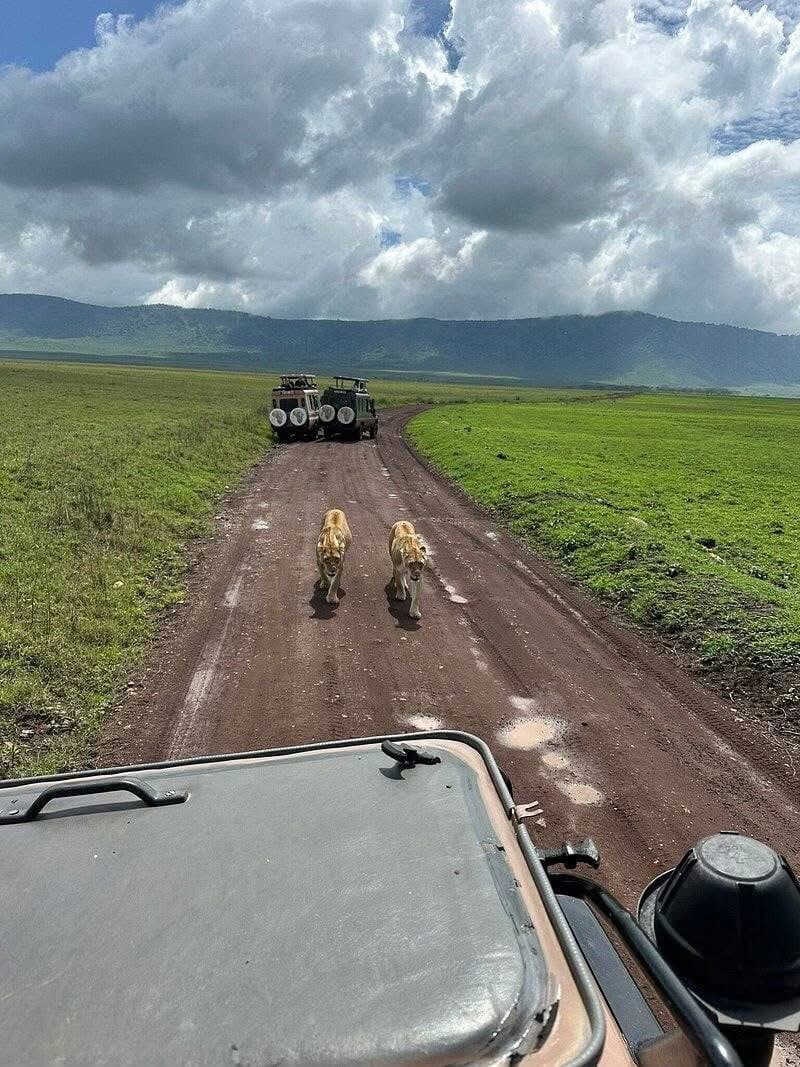
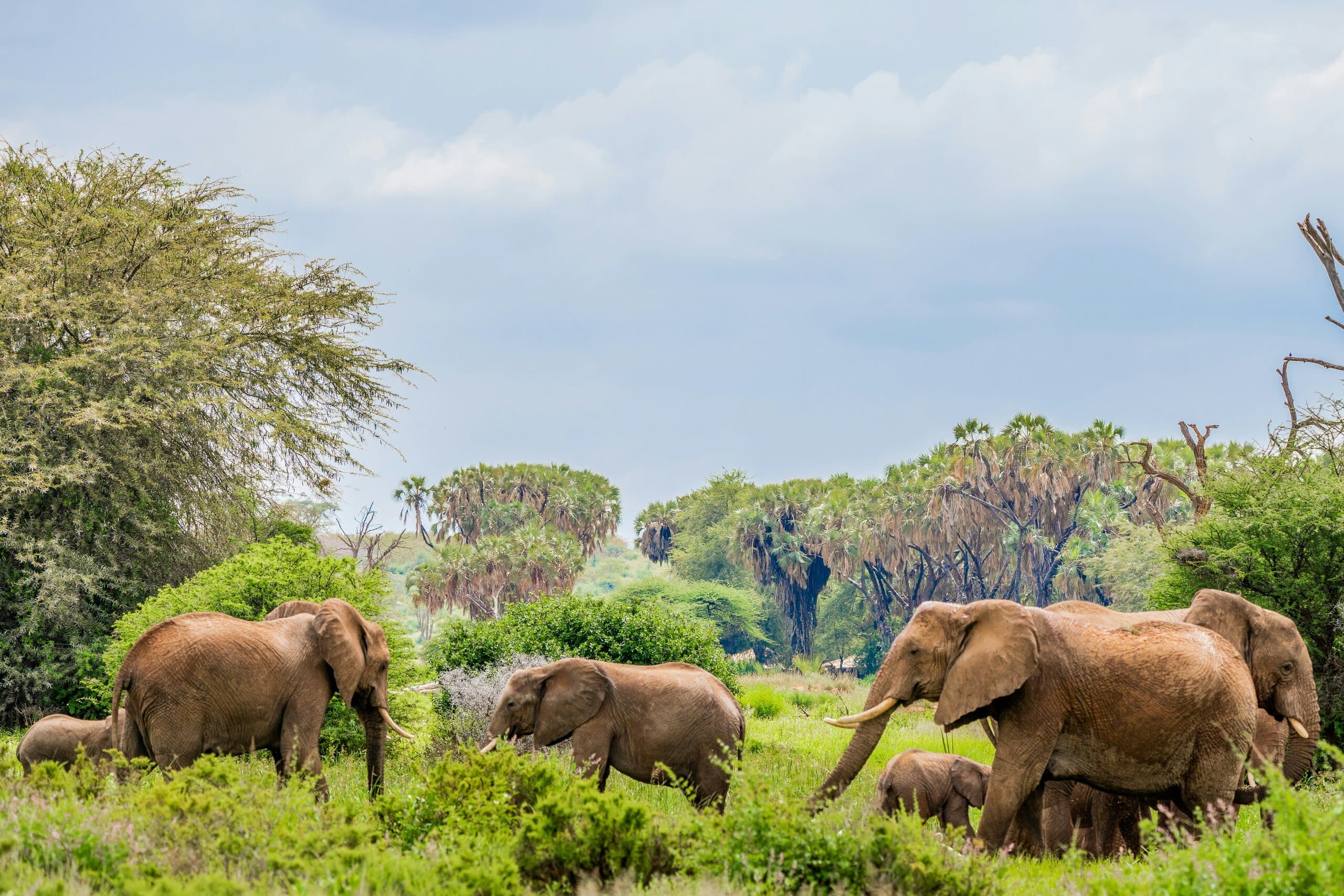
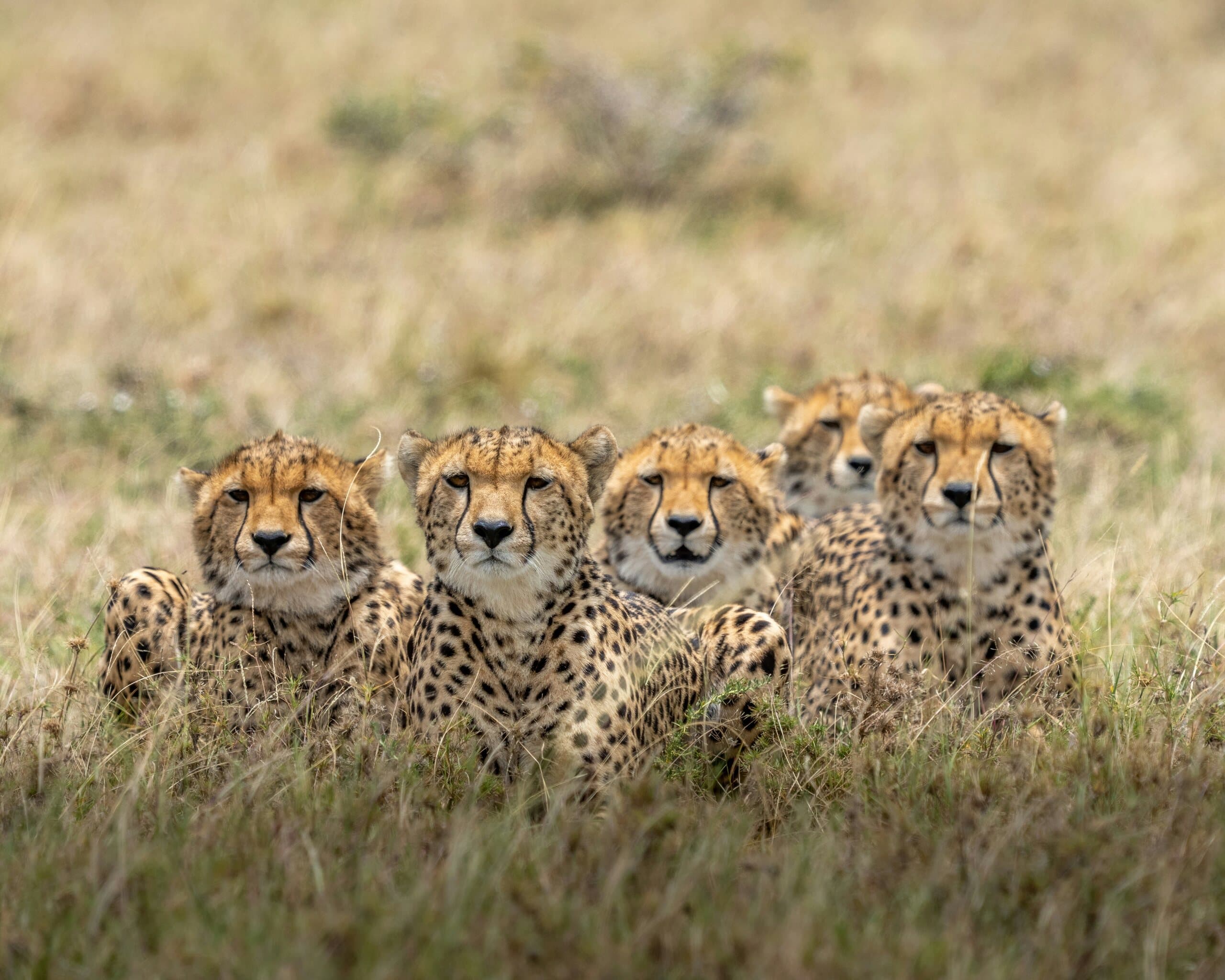
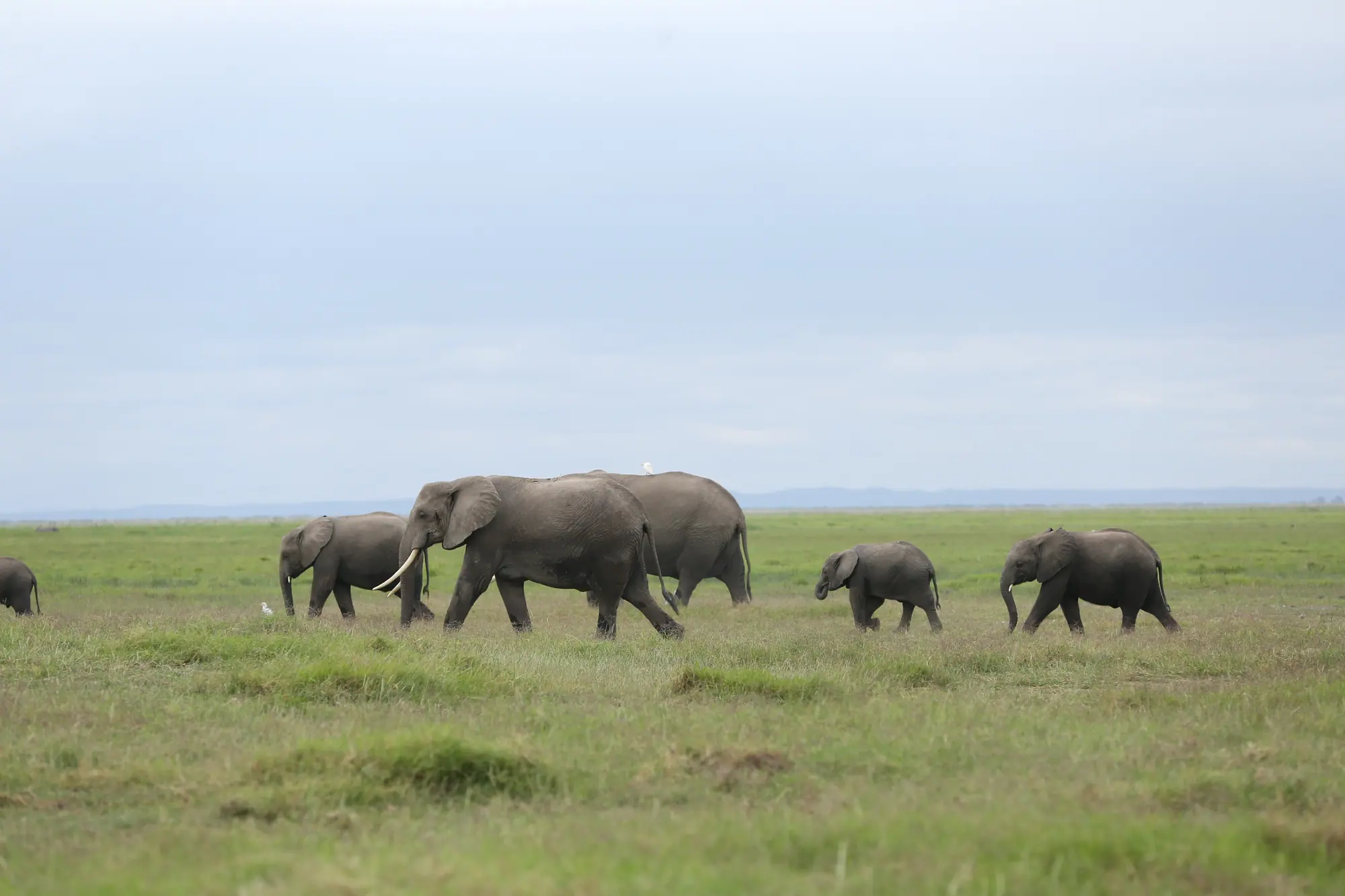
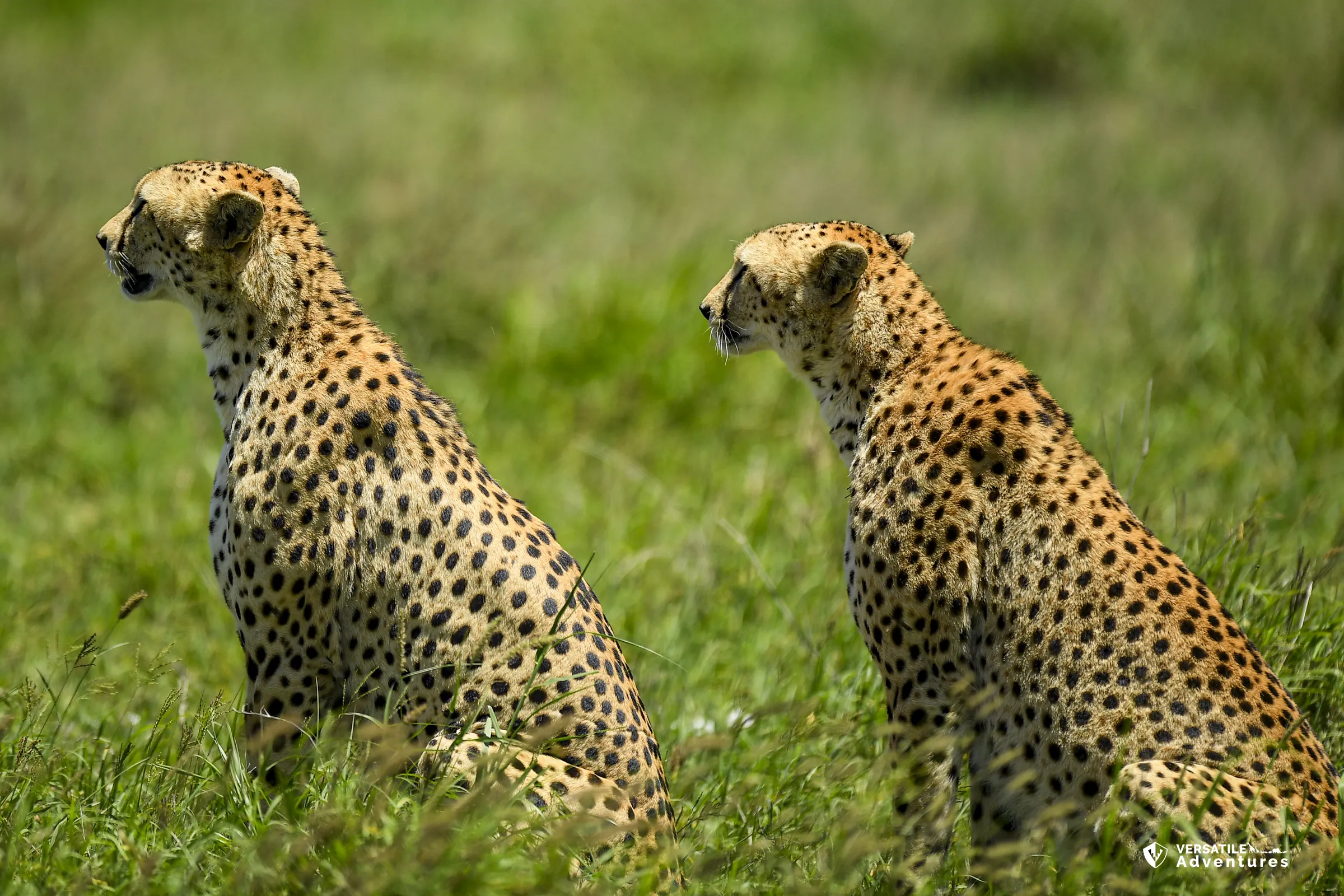
In Kenya, dry conditions make for easy game viewing. The Mara's resident lions, cheetahs and leopards hunt on short grass, elephants and buffalo stay near water, and the river banks are quiet. In Amboseli, elephants move between the swamps and the dry plains, and Kilimanjaro is often clear in the early morning.
Migrant birds from Europe and Asia are still in Kenya, so wetlands and forests are busy. Lake Nakuru, Lake Naivasha and Lake Bogoria are good stops for waterbirds. Flamingo numbers on the soda lakes depend on water levels in a given year, so we check before we promise a pink shoreline.
Where to go in February
- The Maasai Mara and its community conservancies: big cats on open plains, walks and night drives, and fees that support the Maasai families who own the land
- Amboseli National Park: elephants and a good chance of a clear view of Kilimanjaro
- Samburu: the Special Five and elephants along the Ewaso Ng'iro River
- Ol Pejeta and Lewa: rhinos, with Mount Kenya often in view
- Tsavo East and Tsavo West: big, quiet, red-earth country on the way to the coast
- Diani, Watamu and Lamu: the sunniest beach weather of the year
February is usually one of the best months for whale sharks off the south coast near Diani. The main season tends to run from about January or February into March, and sightings vary by year. Snorkeling and diving at Kisite-Mpunguti and Watamu are at their best when the sea is calm, which it usually is under the kaskazi winds.
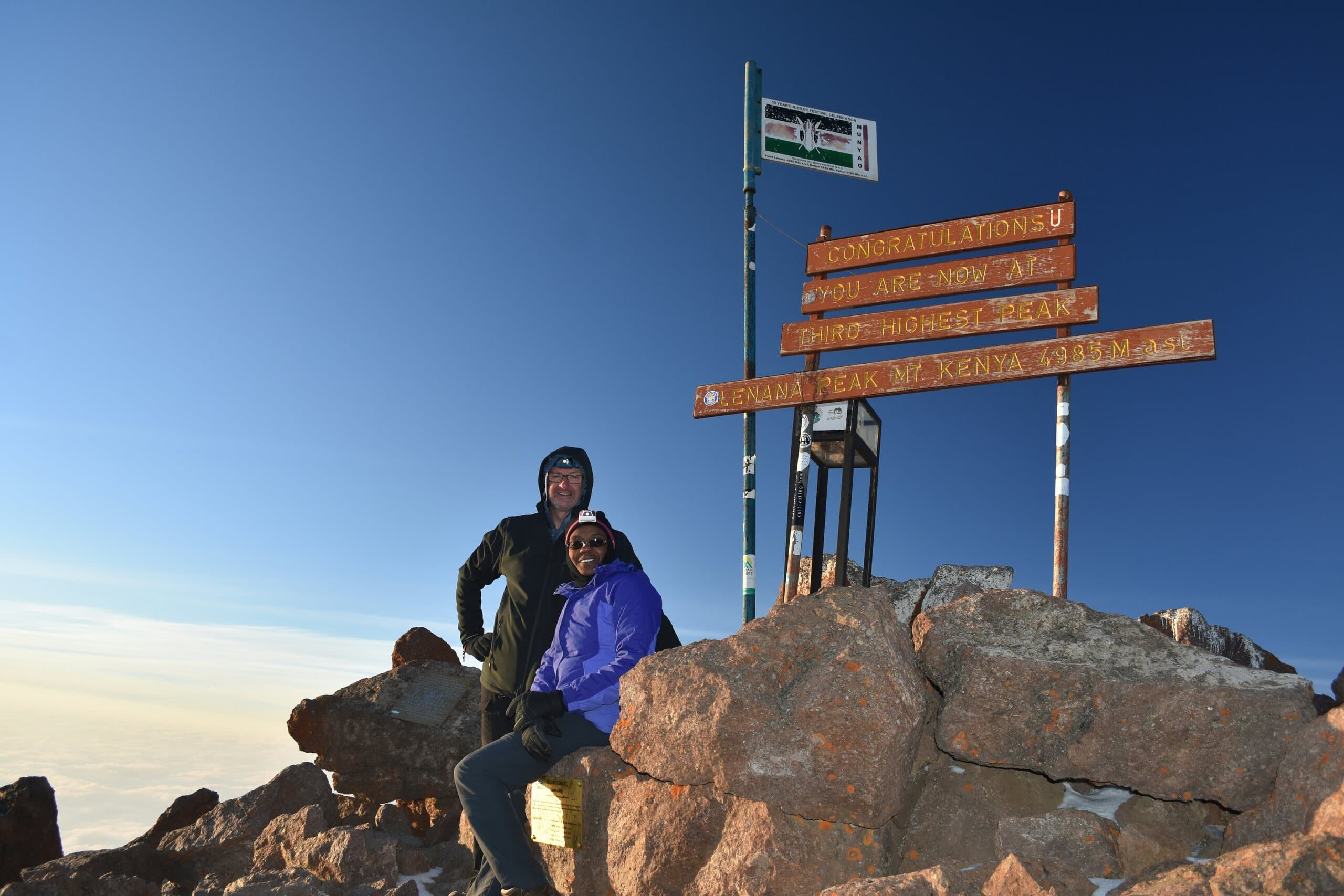
On Mount Kenya, February and January are usually the two most reliable months of the year. Expect clear mornings, cloud building in the afternoon and freezing nights high on the mountain.
Crowds, prices, holidays and events
February is steady dry season: busier than the green months, quieter than the migration. Most lodges charge dry-season rates. There is no Kenyan public holiday in February.
Golf fans should look at the Kenya Open, the country's DP World Tour event in Nairobi. In recent years it has been played in February, and the 2027 edition is scheduled for February 18 to 21 at Karen Country Club. Book Nairobi rooms early if you plan to watch.
In 2027 the Muslim holy month of Ramadan is expected to begin around February 7 or 8, depending on the moon. On the Swahili coast, especially in Lamu and Mombasa's Old Town, life slows by day and comes alive after sunset. Dress modestly, and avoid eating or drinking in the street during daylight.
What to pack
- Lightweight long sleeves for sun by day and mosquitoes in the evening
- A warm layer for 6 a.m. game drives in open vehicles
- A wide-brimmed hat, sunglasses and high-SPF sunscreen
- Swimwear and reef shoes for the coast
- Clothes that cover shoulders and knees for Lamu and the old towns
- Full cold-weather kit if you are climbing Mount Kenya
- A refillable water bottle: many parks ban single-use plastic bottles
The verdict: who February suits
February suits first-time safari travelers, photographers who like clear light, beach lovers, divers hoping for whale sharks and anyone climbing Mount Kenya. It is also the best month to combine Kenya with the calving in Tanzania. If you want the river crossings, come between July and October. If you want the lowest prices, look at April to June.
Kenya Experience is Kenyan-led, with two U.S. companies behind it. We book the dry-season camps early, pair you with Kenyan guides and let you pay in full or monthly with no deposit. Send us your dates and a specialist replies within two business days.