Month by month. Updated November 2026. 4 min read.
Yes. January is Kenya at its most welcoming: dry, warm days, clear mornings over Kilimanjaro from Amboseli, big cats on short grass in the Maasai Mara and hot, calm days on the Indian Ocean. It is one of the best months of the year for a first safari, a beach finish or a Mount Kenya climb, and an easy escape from the American winter: apply for the eTA online and fly nonstop from New York to Nairobi on Kenya Airways.
January weather by region
Kenya sits on the equator, so altitude shapes the weather more than the calendar. January falls in the warm, dry stretch that usually runs from the end of the short rains to the start of the long rains in late March or April. It is one of the driest months of the year in most of the country. In some years the short rains linger into the first days of January and the highlands get a brief afternoon shower, but long spells of rain are unusual.
- Nairobi and the highlands: sunny, warm days and cool nights. Long-term averages for Nairobi give daytime highs of about 25 to 27°C (77 to 81°F) and lows of about 12 to 14°C (54 to 57°F).
- The Maasai Mara and the southern parks: cool at dawn, warm by midday and mostly dry. Amboseli and Tsavo are hot and dusty in the afternoons.
- The north: Samburu, Buffalo Springs and Shaba are hot and dry, and the Ewaso Ng'iro River becomes the lifeline for wildlife.
- The coast: hot, humid and mostly dry. Mombasa averages highs of about 32 to 33°C (90 to 91°F) and lows near 23°C (73°F). The northeast monsoon, the kaskazi, usually brings steady breezes and calmer seas.
Where the wildlife is
The great herds of the migration are in Tanzania in January. They gather on the short-grass plains of the southern Serengeti, where calving usually begins late in the month and peaks in February. If the herds are your priority, a combined Kenya and Tanzania trip makes sense this month.
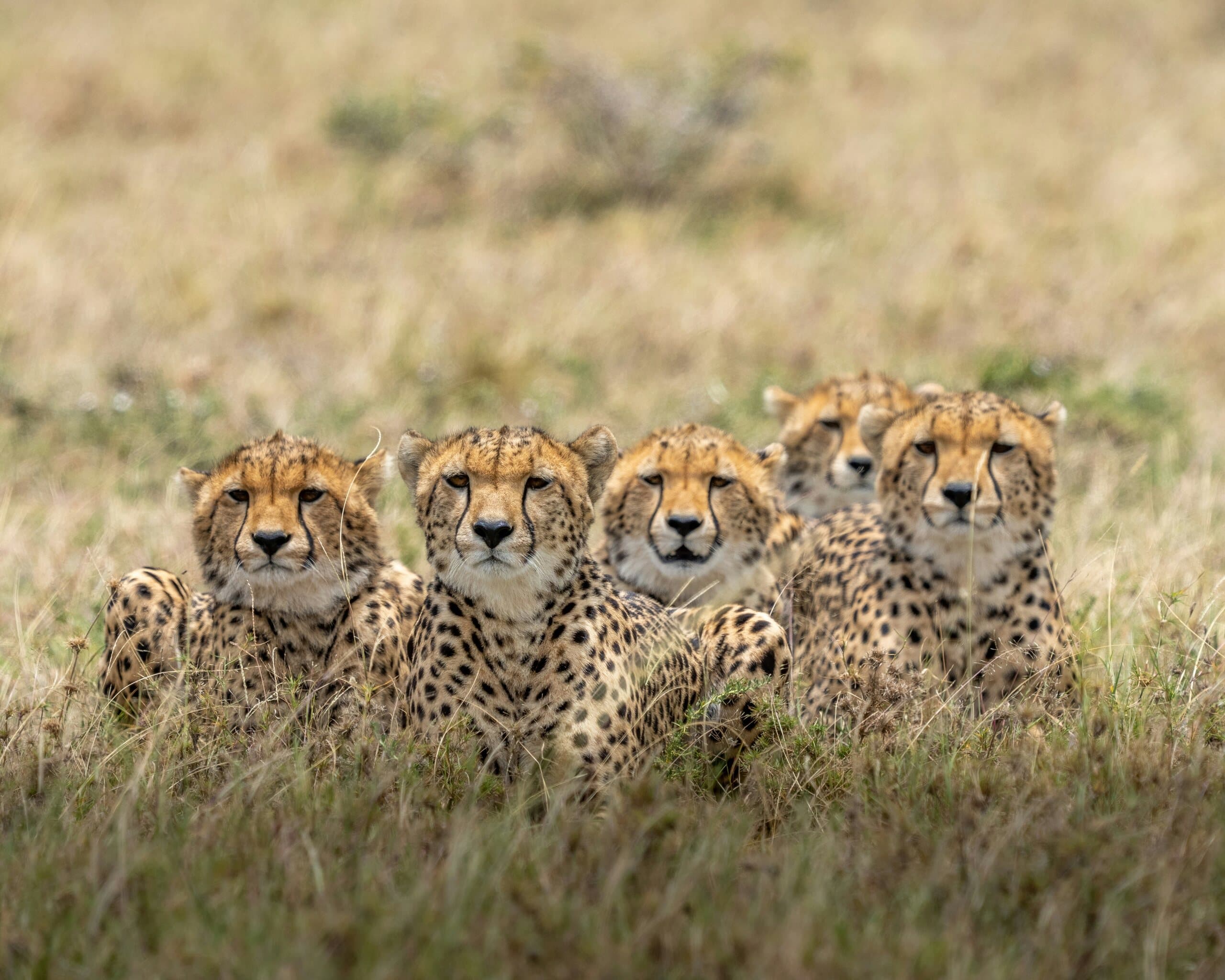
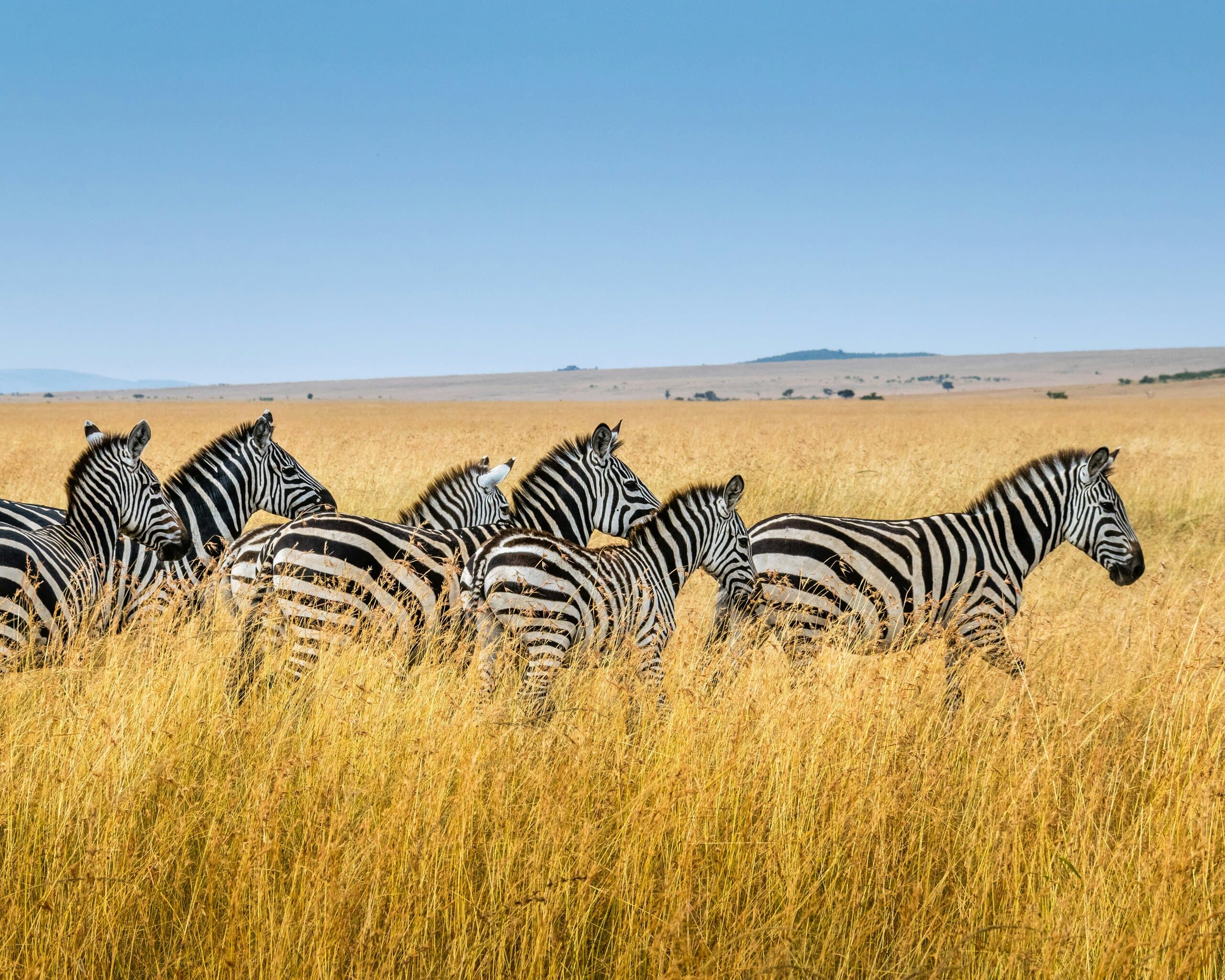
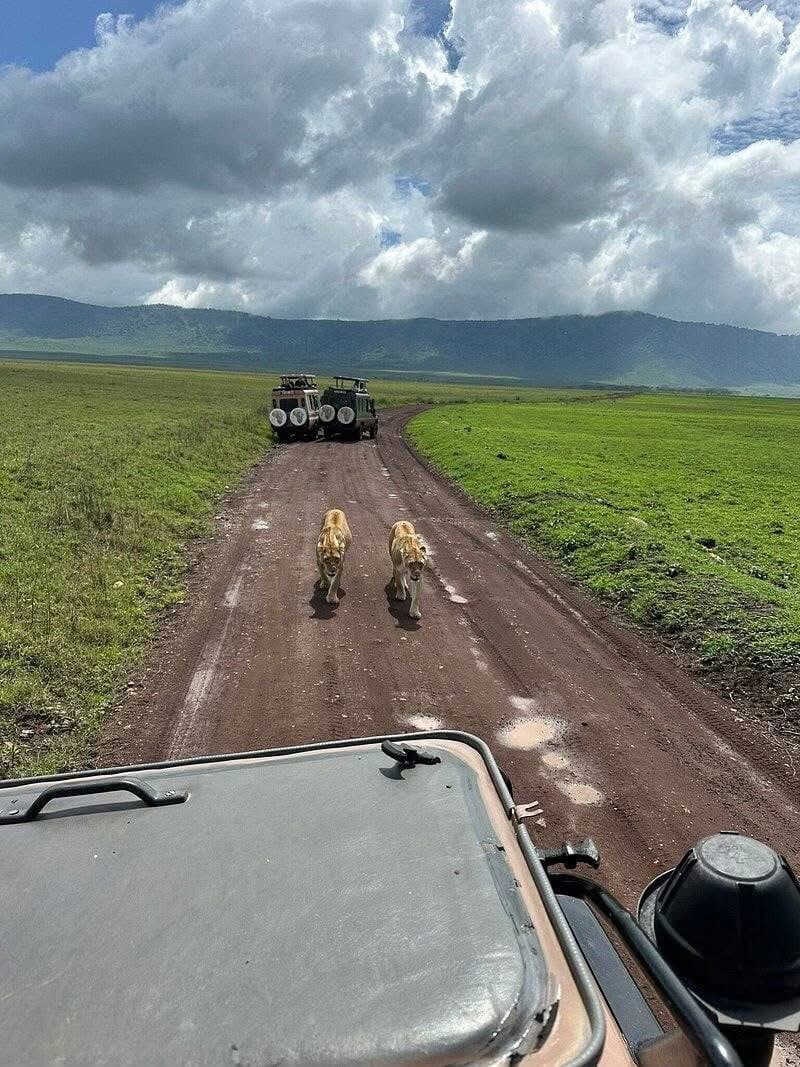
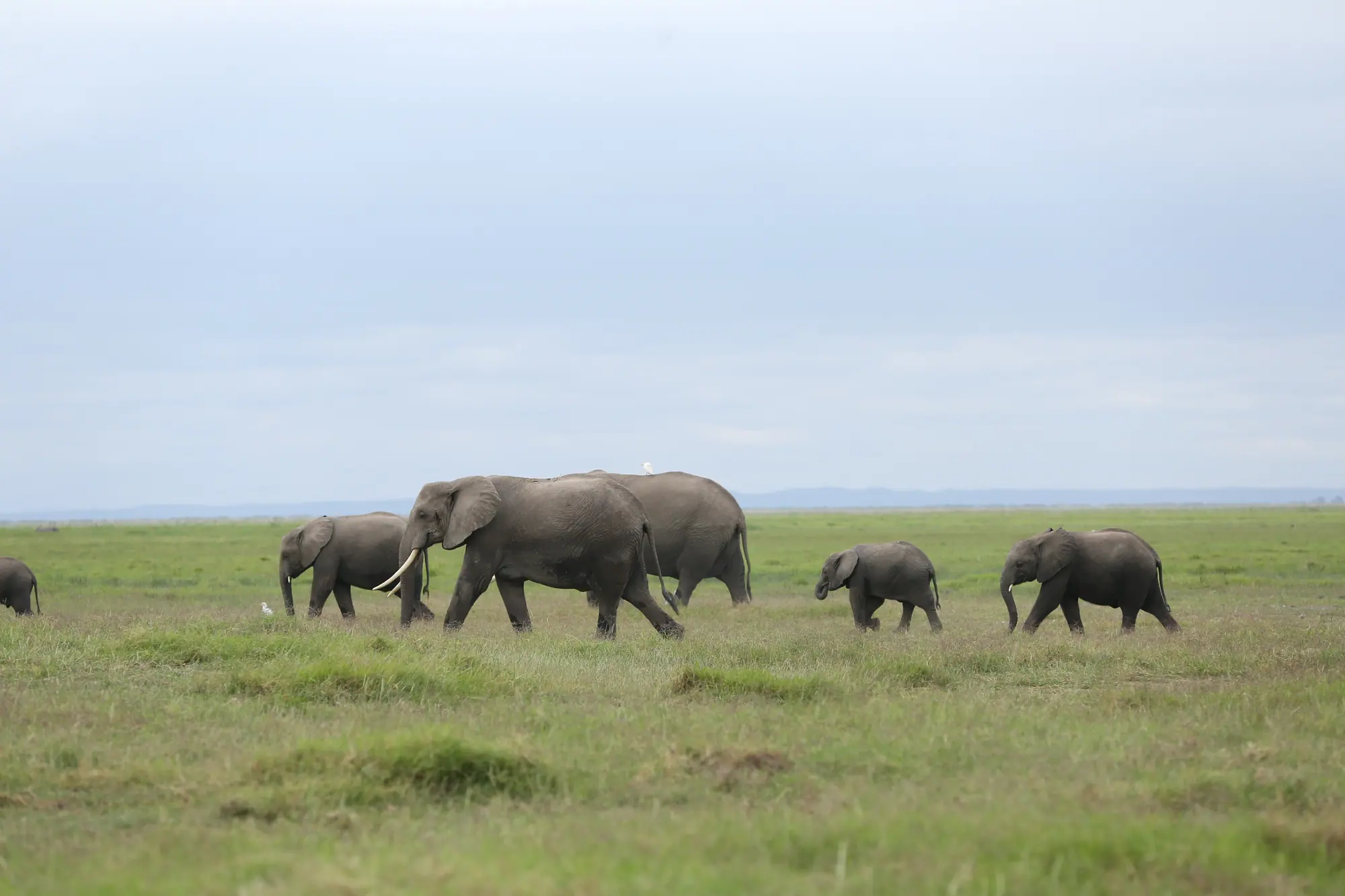
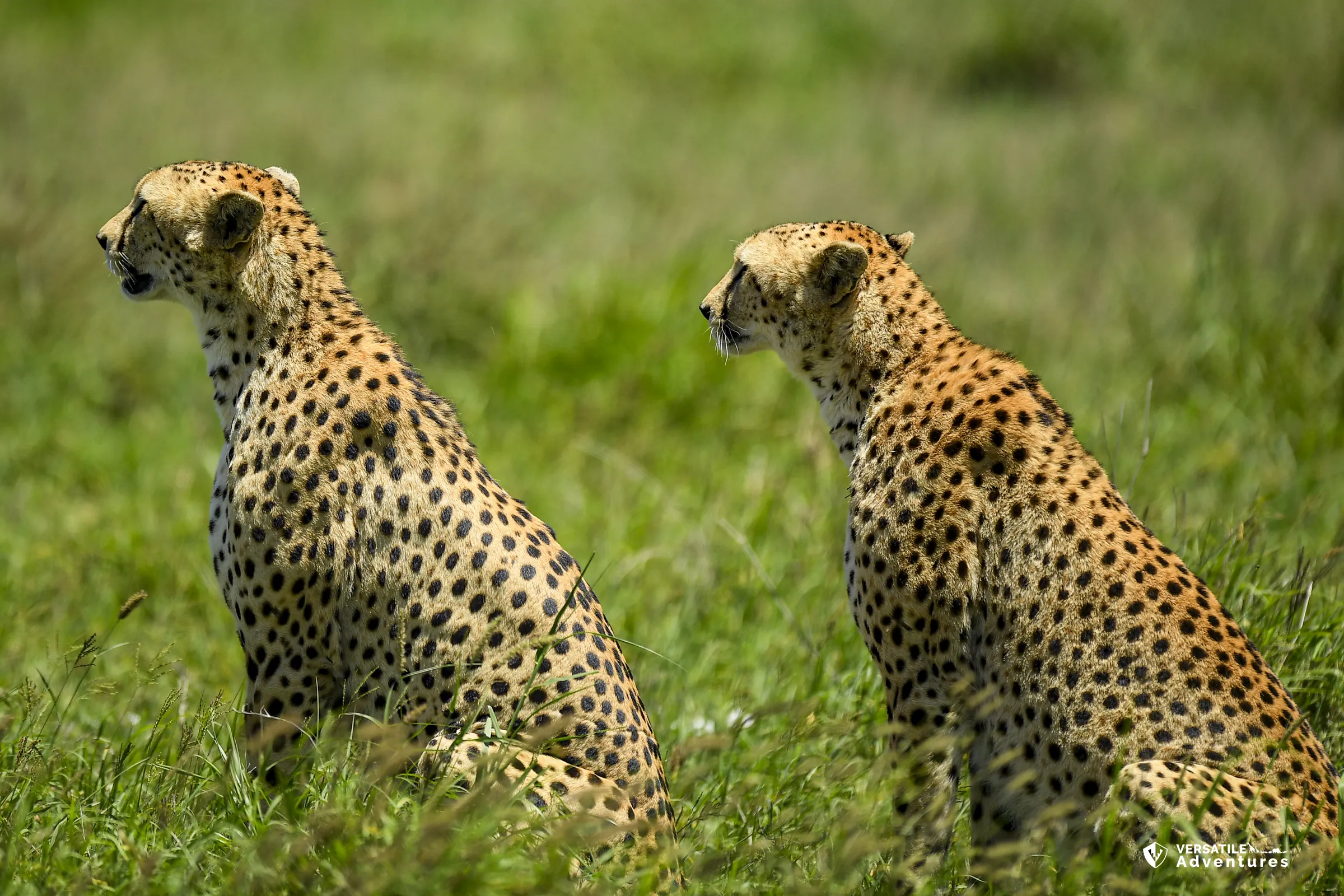
Kenya's own wildlife stays put. The Maasai Mara keeps its resident lions, cheetahs, leopards, elephants, buffalo, giraffes, zebras and topi all year, and the grass is usually short after the rains, which makes the cats easier to find. You also share sightings with far fewer vehicles than in August.
January is excellent for birds. Migrant species from Europe and Asia spend the northern winter in Kenya, usually from about October or November to March or April, so lakes, wetlands and forests are at their busiest.
Where to go in January
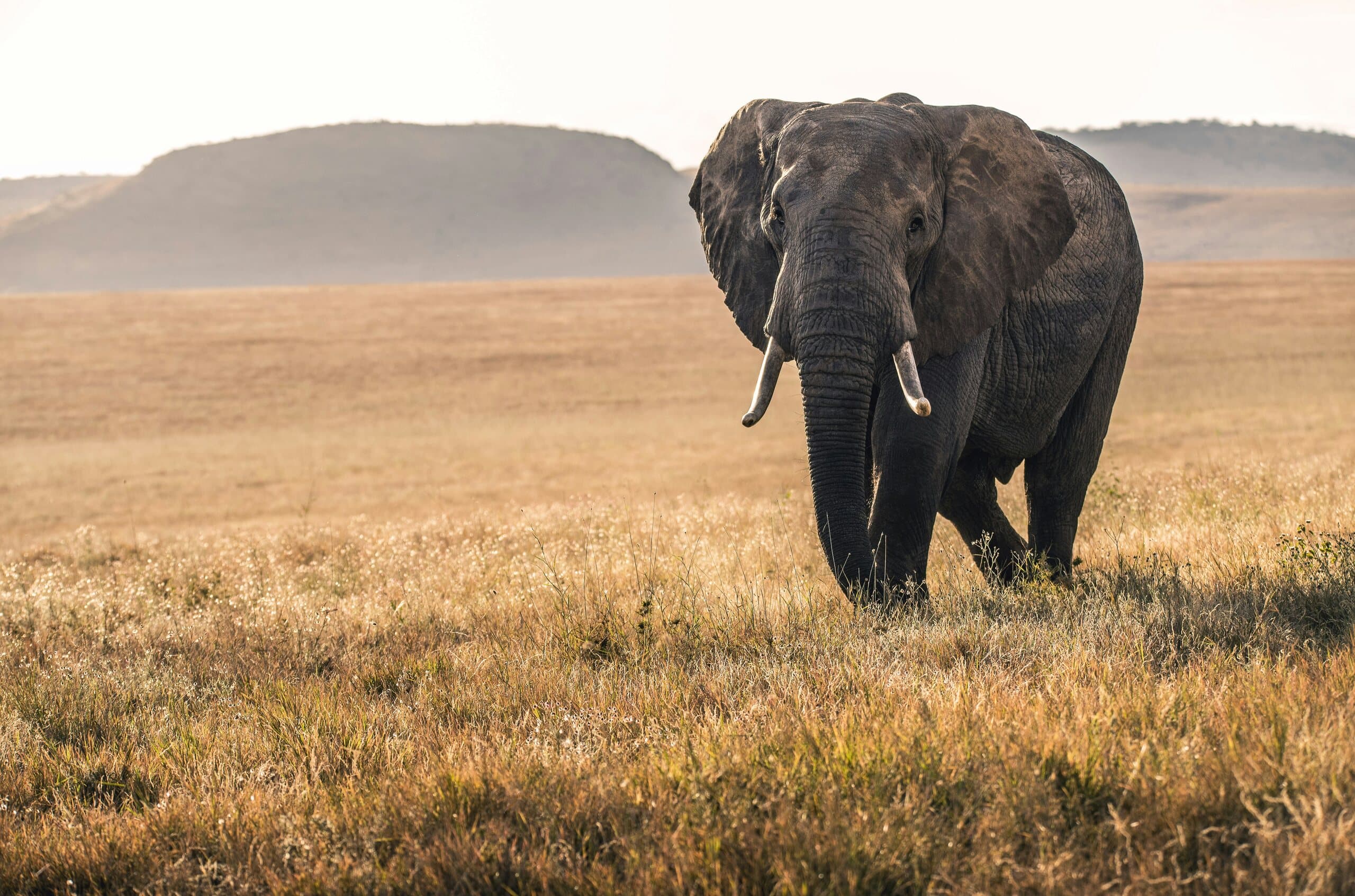
- Amboseli National Park: elephants on the dry plains, with clear mornings that often show Kilimanjaro
- The Maasai Mara and its conservancies: resident big cats on short grass and quiet river banks
- Samburu, Buffalo Springs and Shaba: the Samburu Special Five and elephants along the river as the bush dries
- Lake Nakuru and Lake Naivasha: rhinos, hippos and a long list of birds, an easy drive from Nairobi
- Ol Pejeta and Lewa in Laikipia: rhinos, with wide views of Mount Kenya on clear days
- Diani, Watamu and Lamu: hot, sunny beach days and calm water for snorkeling
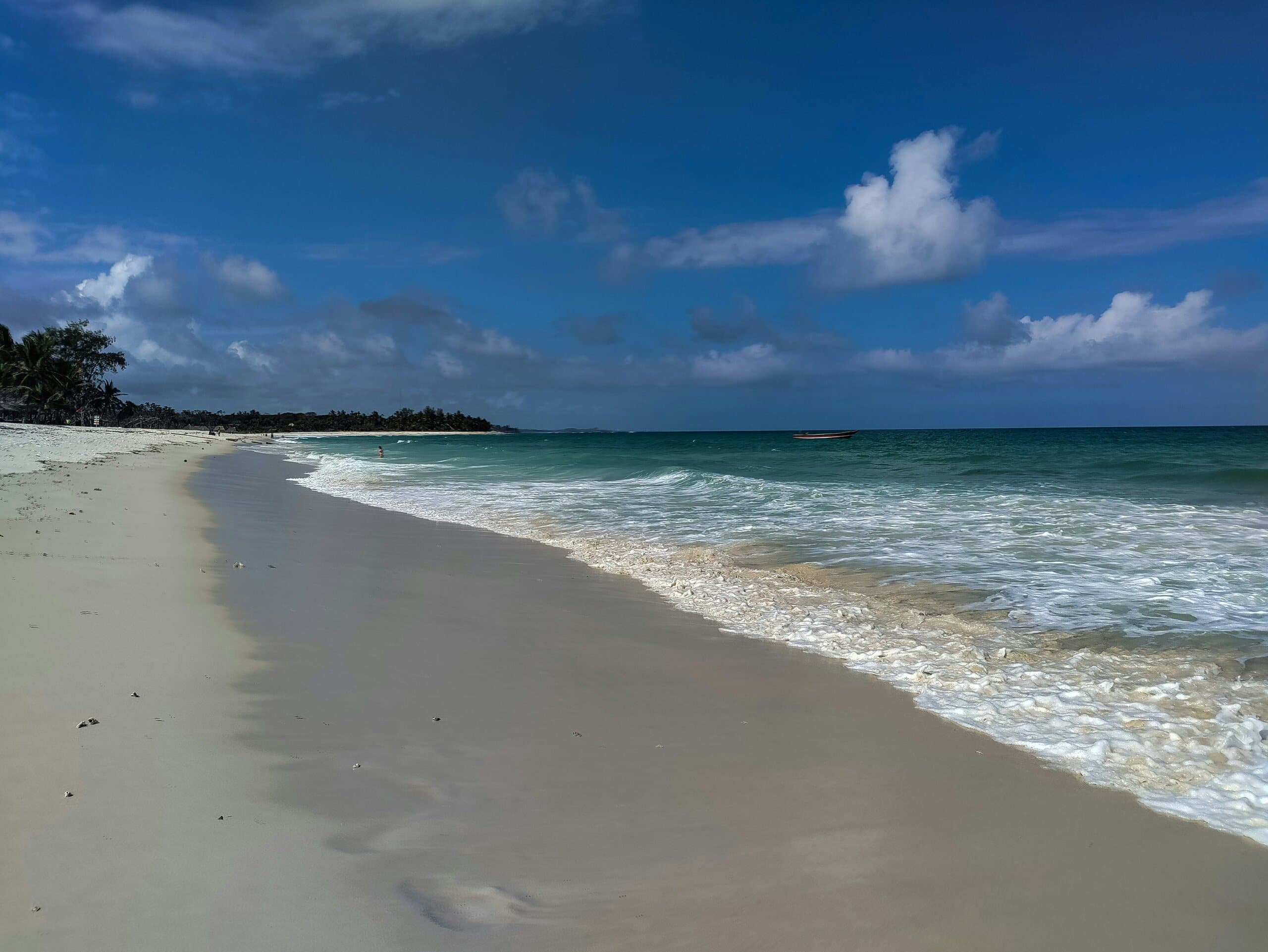
January is high season on the coast. The reefs at Watamu and Kisite-Mpunguti are usually calm and clear, and the whale shark season off Diani usually gets going between January and March, though sightings are never guaranteed. Expect heat and humidity, and plan outdoor time for the morning and late afternoon.
For climbers, January and February are usually the most reliable months on Mount Kenya, with clear mornings and dry trails. Nights near the summit fall below freezing, so you need proper cold-weather gear even on the equator.
Crowds, prices and holidays
The first days of January are part of the festive peak, when Kenyans travel home and to the coast and many camps charge their highest rates. From about the second week of the month the parks quiet down. January is still dry season, so most lodges charge high-season rates rather than green-season discounts. Book early if you have your heart set on a particular camp.
New Year's Day, January 1, is a public holiday in Kenya. Schools usually reopen in early January, one reason the roads and parks ease after the holidays.
What to pack
- Light, breathable clothes in neutral colors for game drives
- A fleece or warm layer for early mornings and evenings in Nairobi and the parks
- Sun hat, sunglasses and high-SPF sunscreen, especially for the coast
- A light rain jacket for the odd highland shower
- Swimwear, reef-safe sunscreen and sandals for the beach
- An insulated jacket, gloves and a warm hat if you are climbing Mount Kenya
- A tote or packing cubes: Kenya bans single-use plastic carrier bags
The verdict: who January suits
January suits almost everyone: first-time safari travelers, families after the holidays, couples who want bush and beach in one trip, birders and climbers. If you want the river crossings, plan for July to October instead. If you want the lowest rates, look at the green season from April to June. For a dry, warm escape from the American winter, January is hard to beat.
Plan January with us and you travel with a Kenyan-led team, backed by two U.S. companies, and Kenyan guides who know where the cats are this month. Pay in full or monthly with no deposit, and a specialist replies within two business days.