Parks and reserves. Updated November 2026. 4 min read.
Few places on Earth let you watch a cheetah hunt after breakfast and a lion pride at sunset on the same day, and the Maasai Mara National Reserve is the most famous of them. It covers about 1,510 square kilometers (roughly 580 square miles) of open grassland in southwest Kenya, joined to Tanzania's Serengeti, with superb big cat viewing in every month and the Great Migration from about late July to October. For most first safaris, it is the one park we would never leave out.
The name comes from the Maa language of the Maasai, in whose homeland the reserve lies: mara means spotted, for the trees, shrubs and cloud shadows that dot the plains. Here you meet the Maasai as hosts, guides and conservancy landowners, which is a big part of what makes a Mara safari distinctly Kenyan.
Who runs the Mara
The Mara is a national reserve, so Kenya Wildlife Service, which runs the national parks, does not manage it. The larger eastern section is managed by the Narok County Government. The Mara Triangle, the wedge west of the Mara River, is managed on the county's behalf by the Mara Conservancy, a not-for-profit organization. Entry fees are set by the county and change from time to time.
Around the reserve's northern and eastern edges sit private and community conservancies, land owned by Maasai families and leased for wildlife. They cap the number of vehicles and allow guided walks and night drives, which the reserve does not. This conservancy model pays landowners to keep their land open for wildlife. Many of our travelers sleep in a conservancy and drive into the reserve on the days they want the river.
Wildlife and when to see it
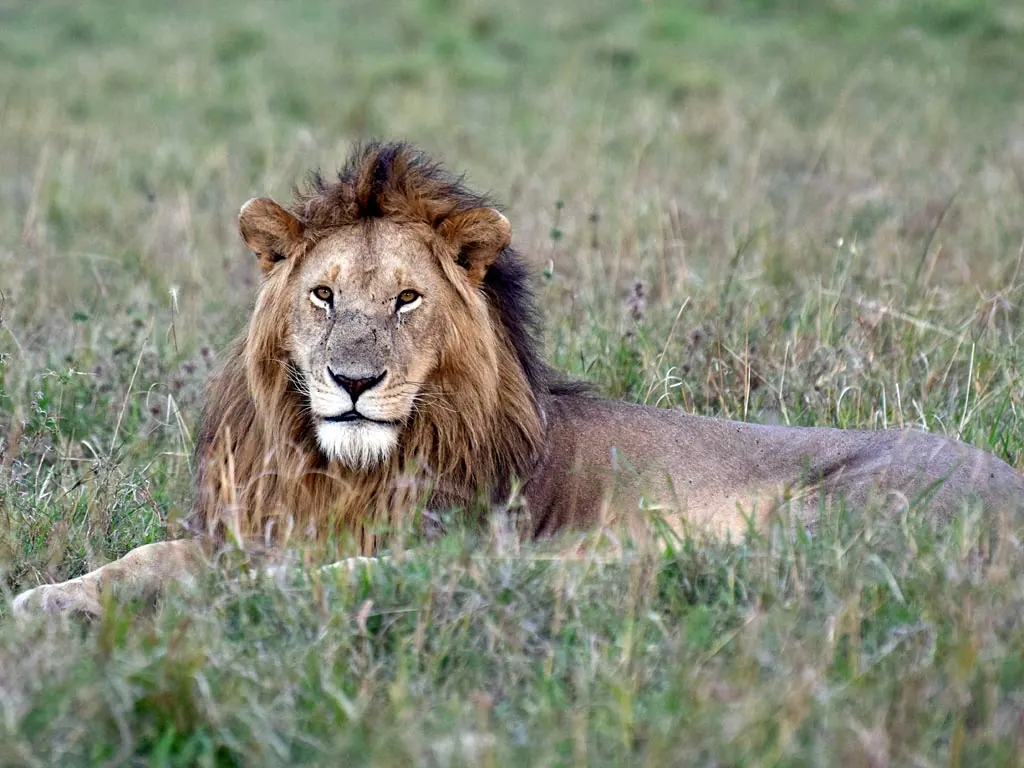
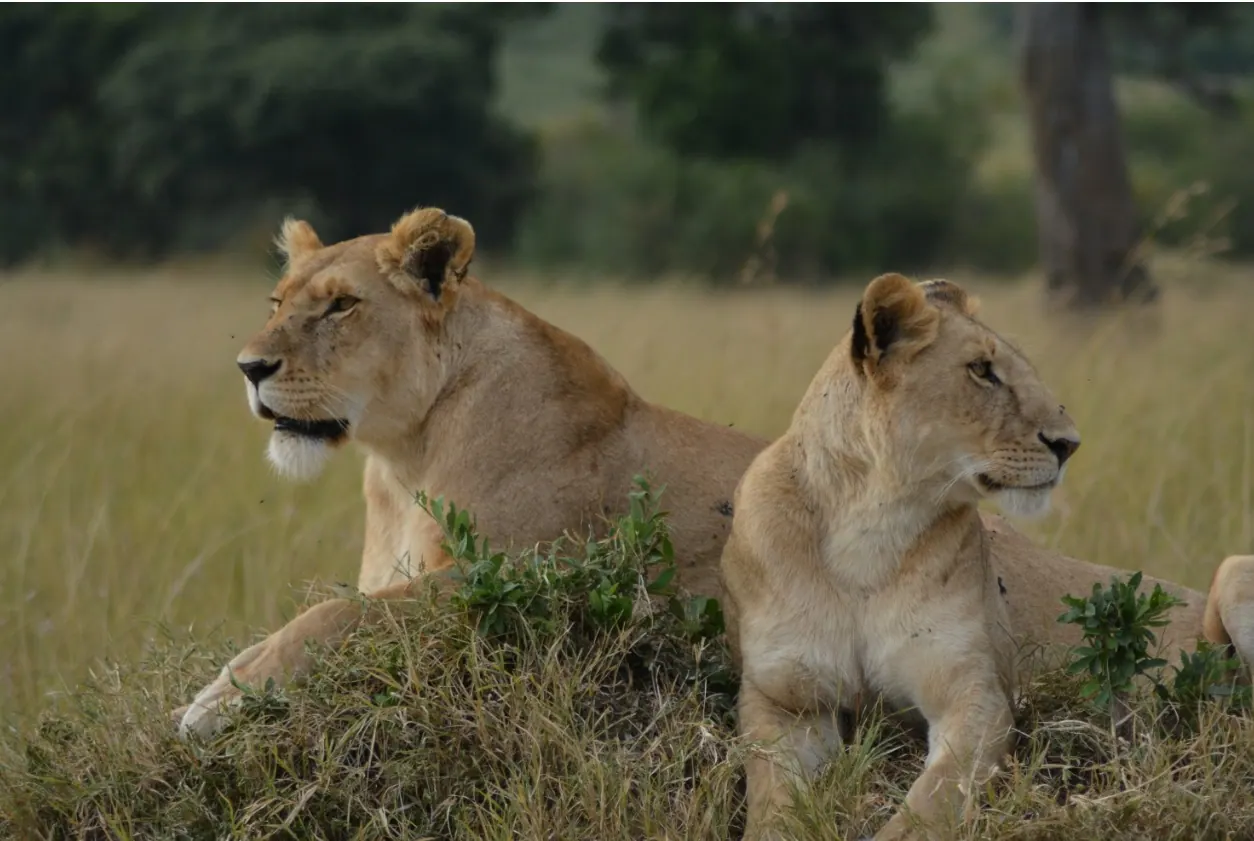
- Lions: large prides live across the reserve and conservancies all year
- Cheetahs: the short-grass plains suit them; mornings are the best time to watch a hunt
- Leopards: shy, found along rivers and in the croton thickets with a patient guide
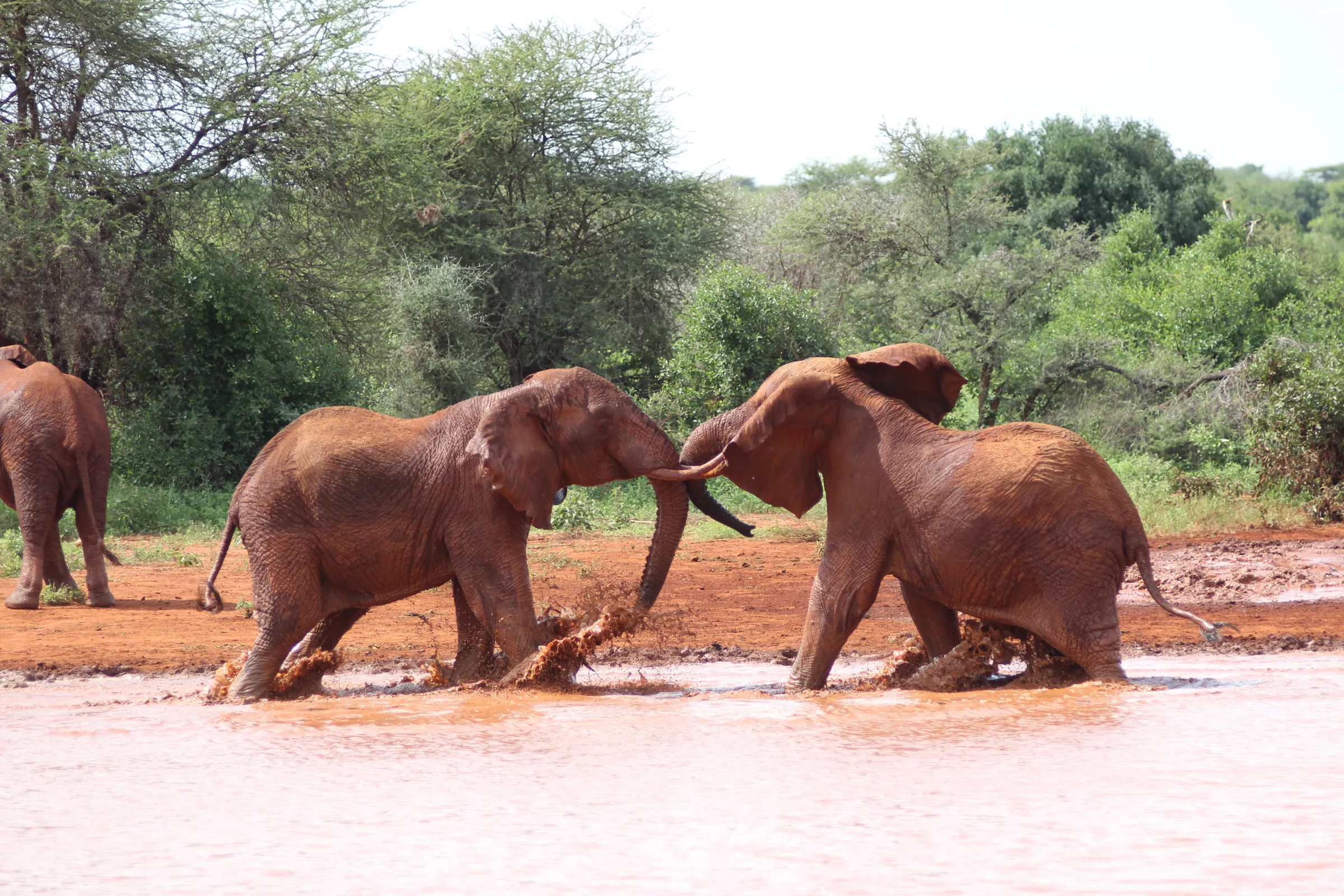
- Elephants, buffalo, giraffe, topi, hyena and hippos: resident all year
- Black rhino: present in small numbers and shy, so never guaranteed
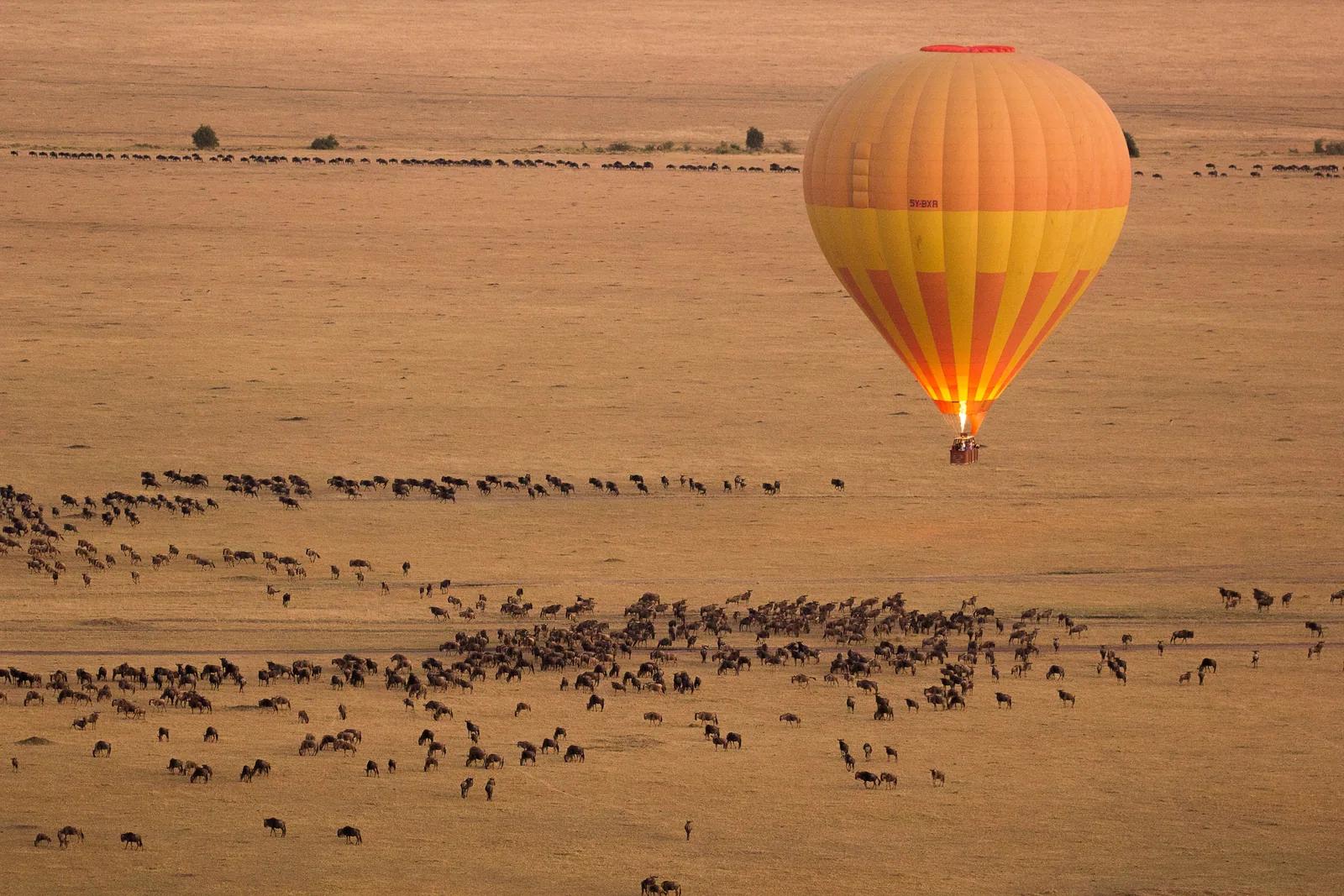
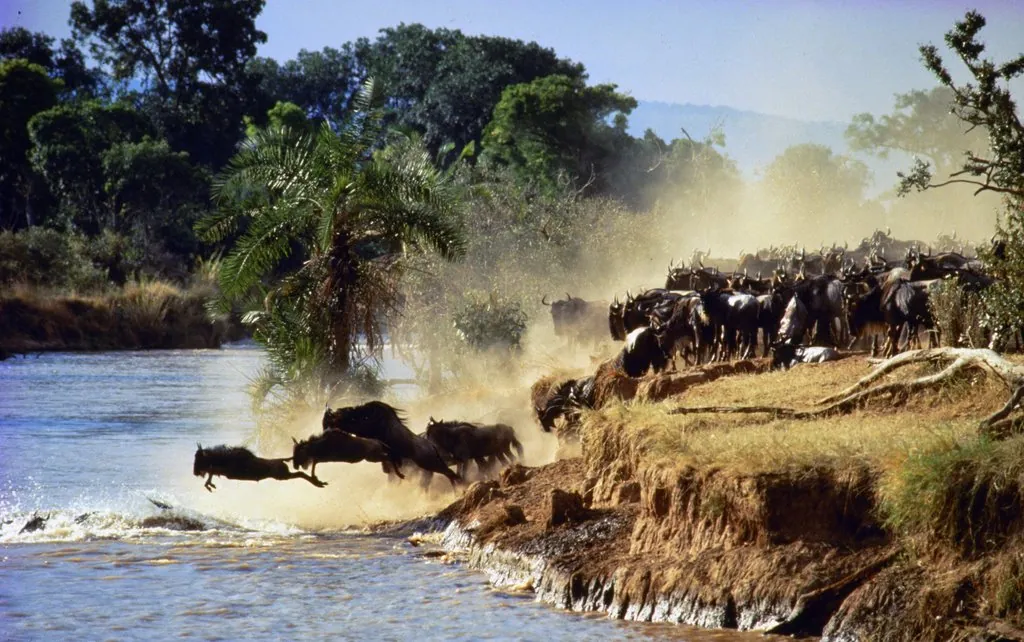
- The Great Migration: wildebeest and zebra usually arrive in late July, cross the Mara River most often in August and September, and start moving south in October
Best time to visit
July to October is peak season: dry, busy and the time for the herds and river crossings. January and February are also dry, quieter and excellent for cats and newborn animals. The long rains usually fall from April to May, when some camps close and tracks get muddy, but the grass is green and rates drop. November brings short rains that tend to come in afternoon showers.
Getting there and how long to stay
By road, the drive from Nairobi takes about five to six hours through Narok, with a stop at the viewpoint over the Great Rift Valley. By air, scheduled light aircraft fly from Wilson Airport in Nairobi to airstrips inside and around the reserve in under an hour, and your camp collects you at the strip. From the U.S., Kenya Airways flies nonstop from New York to Nairobi and the eTA is applied for online, so you can be in the Mara within a day or so of leaving home.
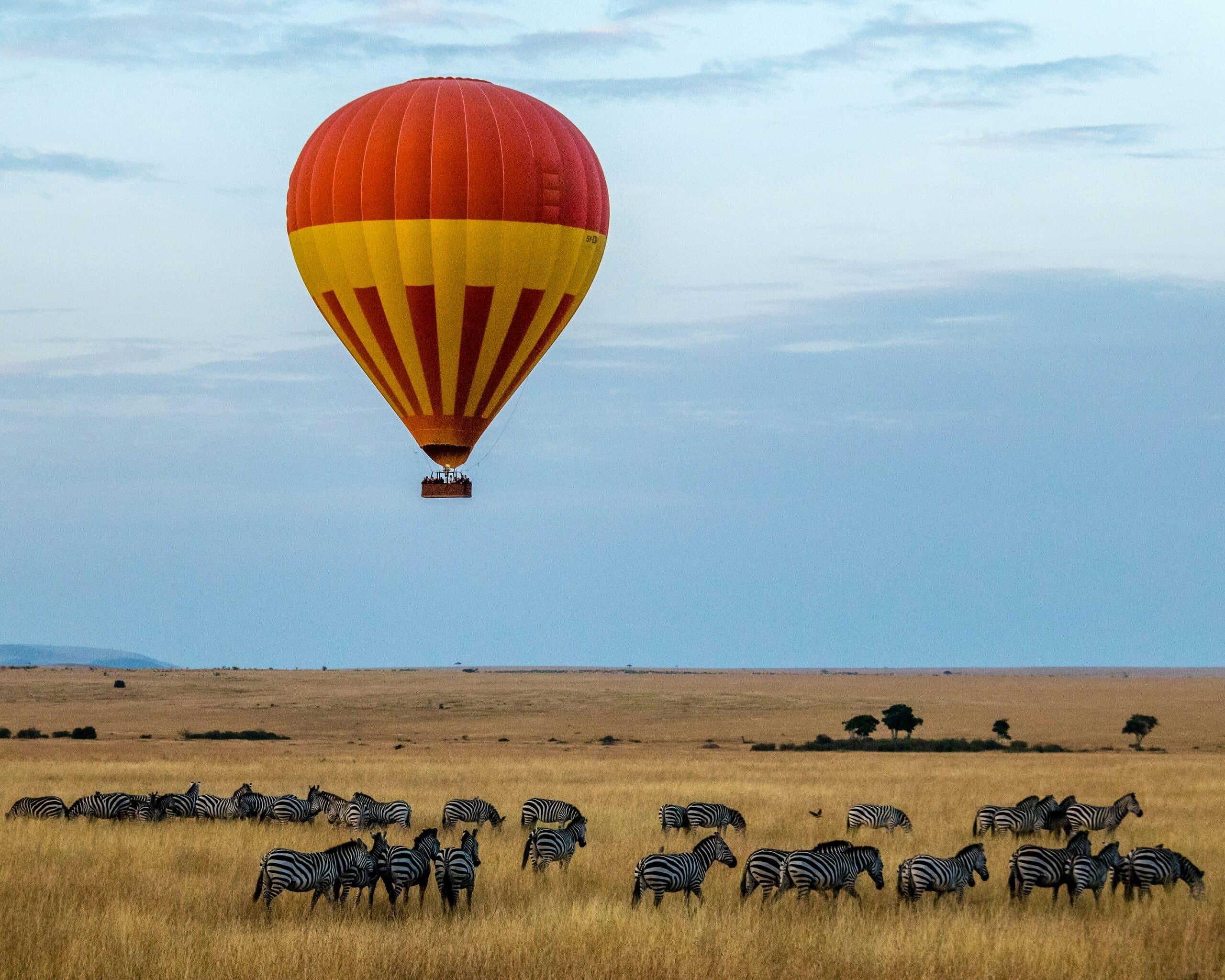
Stay at least three nights. Four is better in migration season, because crossings depend on the herds and you want two or three full days near the river. A balloon flight, a conservancy walk and a hosted visit to a Maasai home fit easily into four days.
Where it fits on a trip
- Classic first week: Nairobi, Lake Naivasha or Lake Nakuru, then three or four nights in the Mara
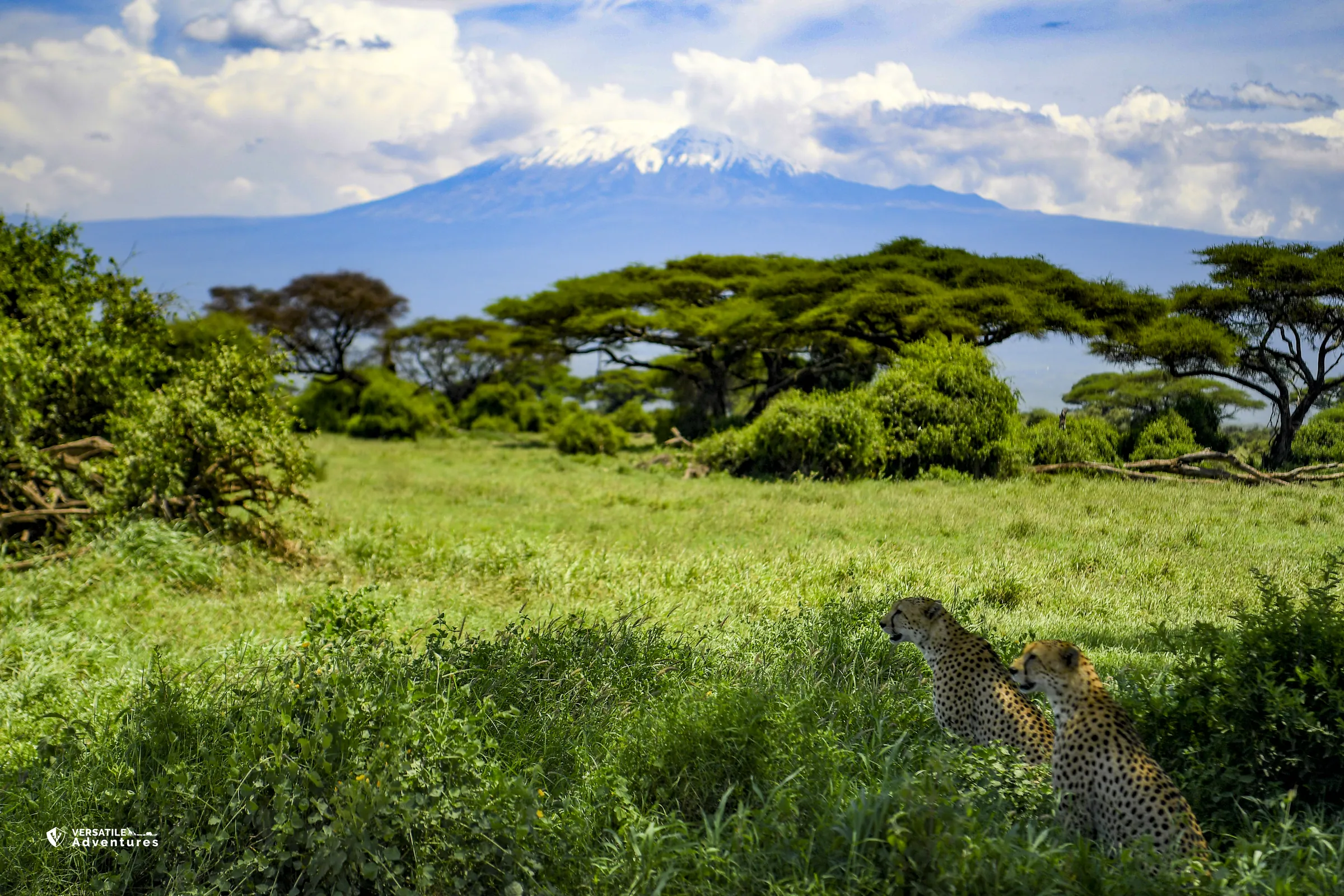
- Two parks by air: fly from the Mara to Amboseli for elephants under Kilimanjaro
- Bush and beach: fly from the Mara to the coast at Diani or Mombasa
- Pair with Tanzania: the Serengeti lies across the border, though there is no direct border crossing between the two parks for visitors
Responsible travel in the Mara
- Ask your guide to keep a respectful distance at sightings and give way when vehicles crowd a cat
- Stay on tracks: off-road driving damages the grassland and is restricted by the reserve
- At river crossings, let the herds reach the water; vehicles that crowd the banks turn animals back
- Choose camps in conservancies that pay Maasai landowners and limit vehicle numbers
- Ask before photographing people, and buy beadwork directly from the women who make it
We plan Mara safaris as a Kenyan-led company with two U.S. companies behind us, and you travel with Kenyan guides who read the plains every day. Pay in full or monthly with no deposit, and a specialist replies to your request within two business days.