Planning a safari. Updated November 2026. 4 min read.
The Maasai Mara and the Serengeti are one ecosystem, split by the border between Kenya and Tanzania. Choose the Mara if you travel between July and October or have limited time: it is an hour's flight from Nairobi, its community conservancies add walks and night drives, and its resident big cats make it superb in every month. Choose the Serengeti if you travel between December and June, when the herds are in Tanzania, or you want a much bigger wilderness.
Size and landscape
Serengeti National Park covers about 5,700 square miles, roughly ten times the Maasai Mara National Reserve at about 580 square miles. The Mara's private conservancies add a large area along the reserve's northern and eastern edges. The Mara is rolling grassland cut by the Mara and Talek rivers, with the Oloololo escarpment on its western side and forest along the water. The Serengeti is more varied: endless short-grass plains in the south, granite outcrops called kopjes around the center, and woodland and hills in the north.
The migration, month by month
- January to March: calving on the southern Serengeti plains around Ndutu, with predators close behind
- April and May: the long rains; the herds move north and west through the Serengeti
- June and July: the herds pass through the western Serengeti and head north; the first usually reach the Mara in late July
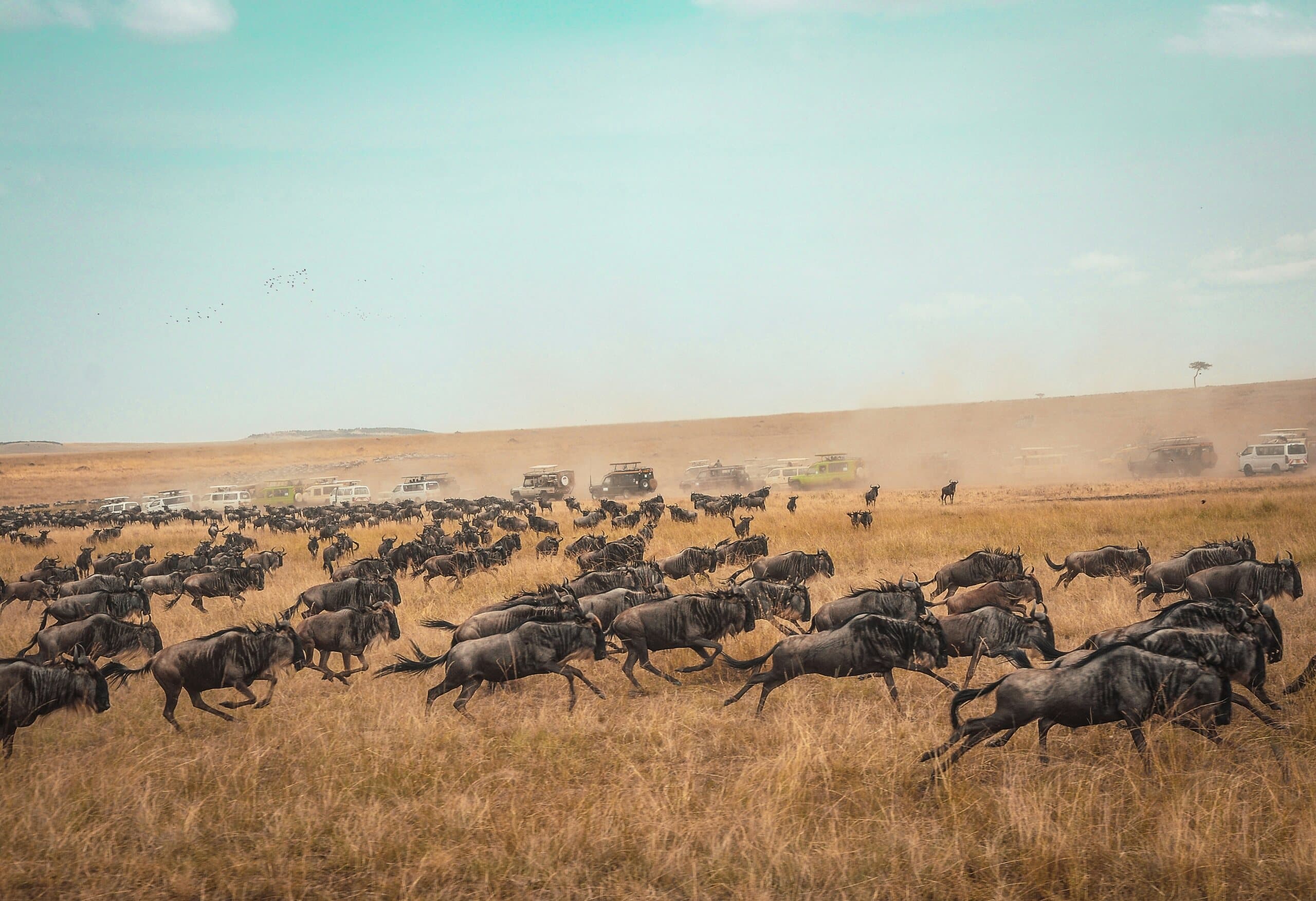
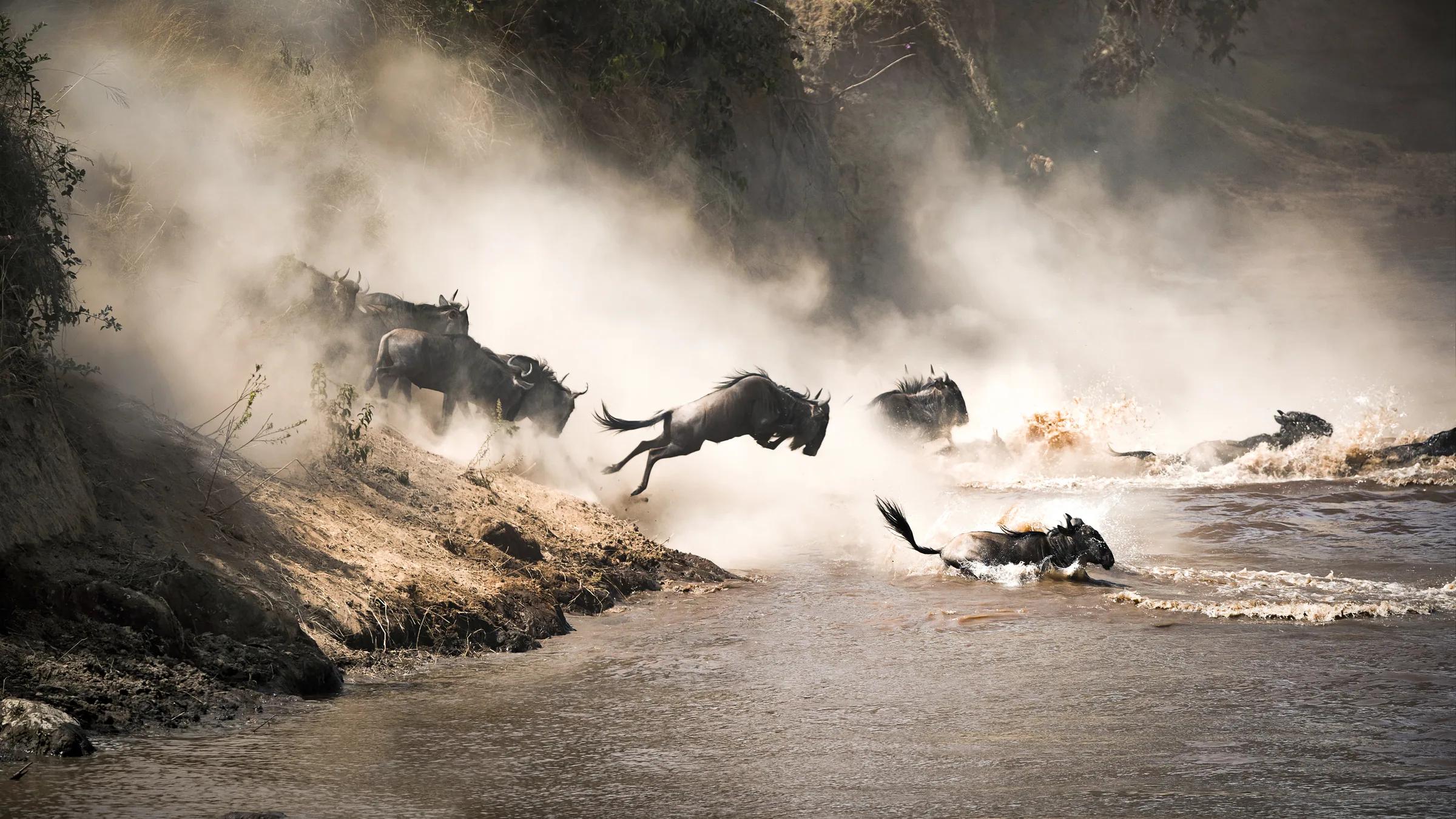
- August to October: the herds spread between the northern Serengeti and the Mara, with crossings of the Mara River on both sides of the border
- November and December: the short rains draw the herds back south through the Serengeti
These are patterns, and the rain shifts them by weeks from year to year. No one can promise a river crossing on a given day.
Wildlife beyond the herds
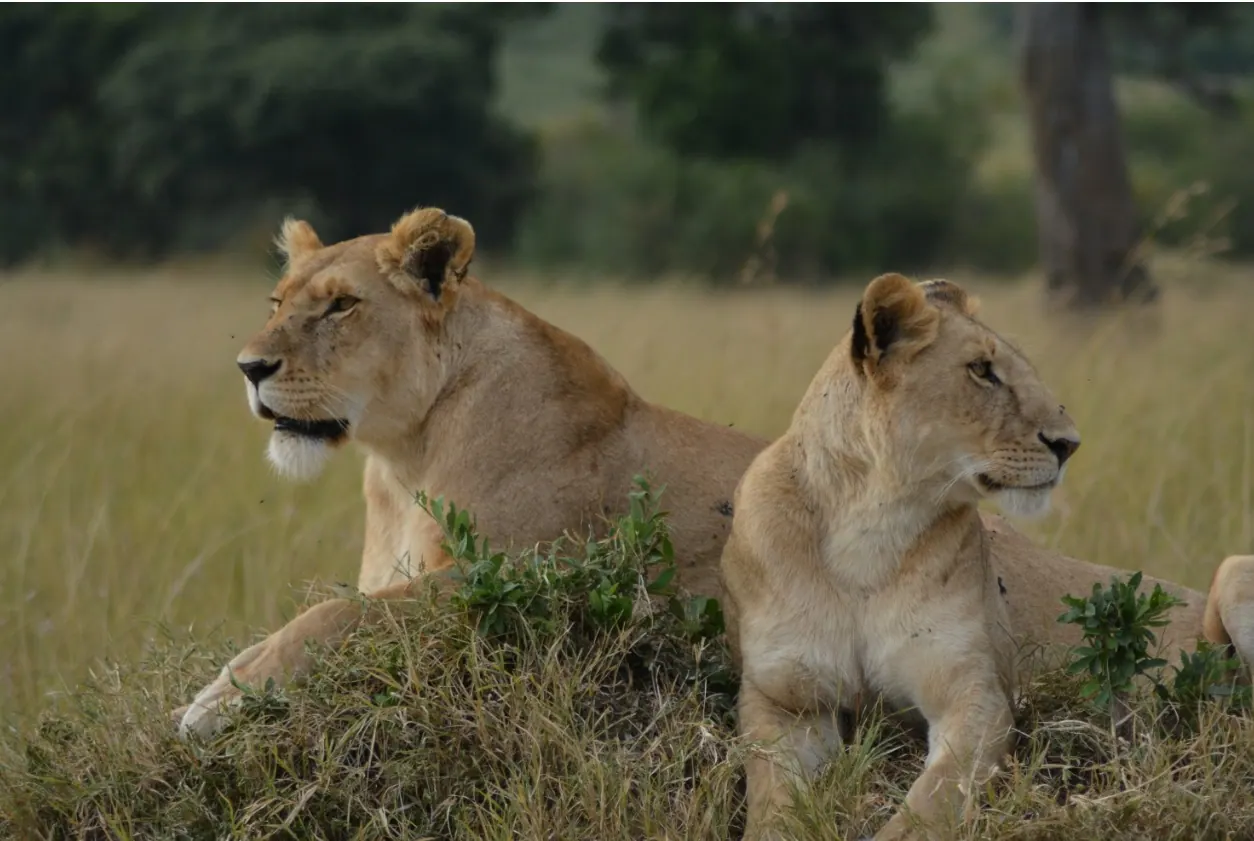
Both have superb predators. The Mara is famous for its density of resident lions, cheetahs and leopards in a relatively small area, which makes it rewarding in any month. The Serengeti's lions are among the most studied in Africa, and its southern plains are good cheetah country. Rhinos are rare in both. For rhinos in Kenya, add Ol Pejeta, Lewa or Lake Nakuru to your trip.
Crowds, access and activities
- Getting there: the Mara is about 45 minutes to an hour by light aircraft from Nairobi, or roughly five to six hours by road; the Serengeti is usually reached by air from Arusha, or by a long drive past Ngorongoro
- Crowds: the Mara reserve's crossing points get busy in August and September; the Serengeti's central Seronera area and its northern crossings can be busy too, but its size makes quiet easier to find
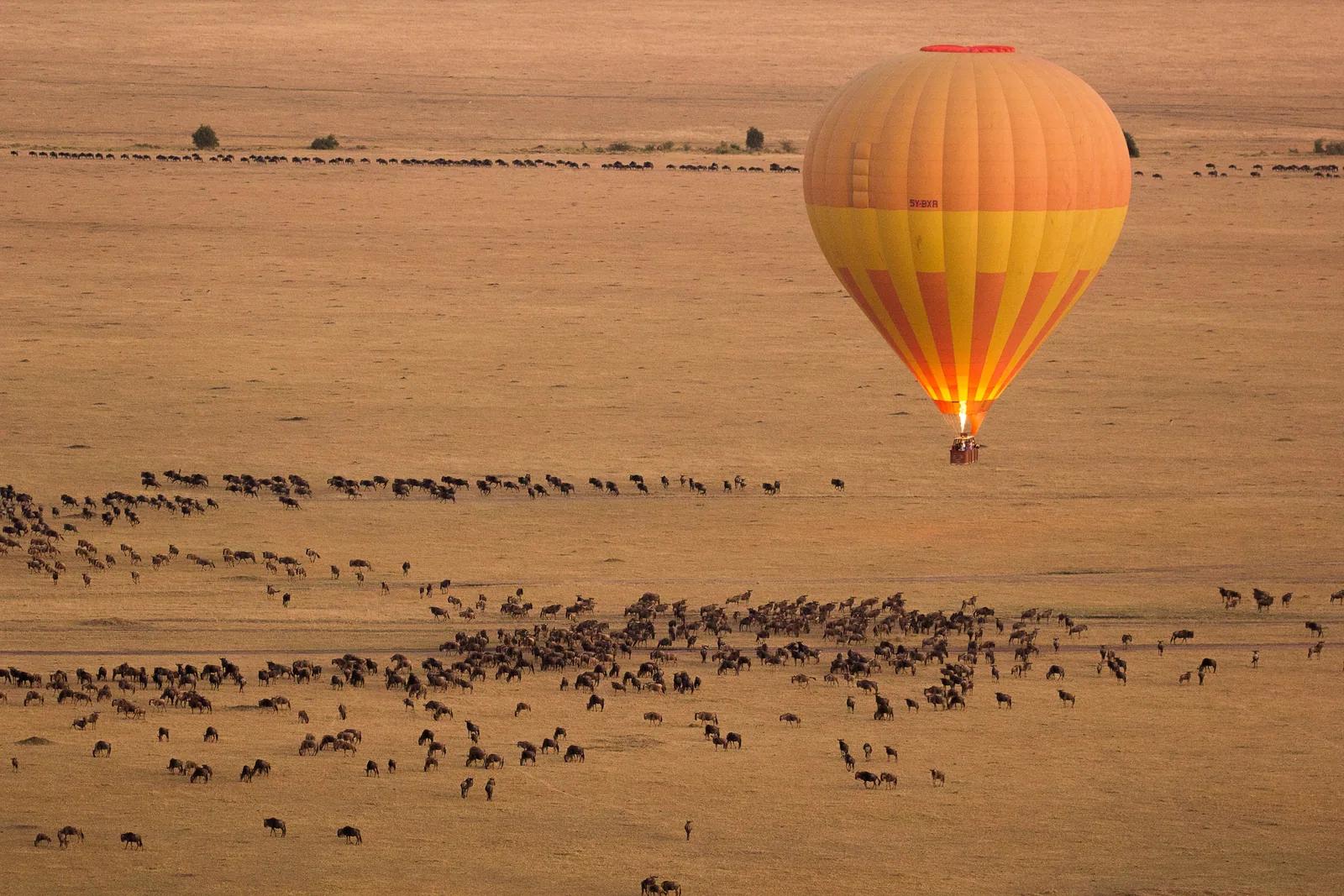
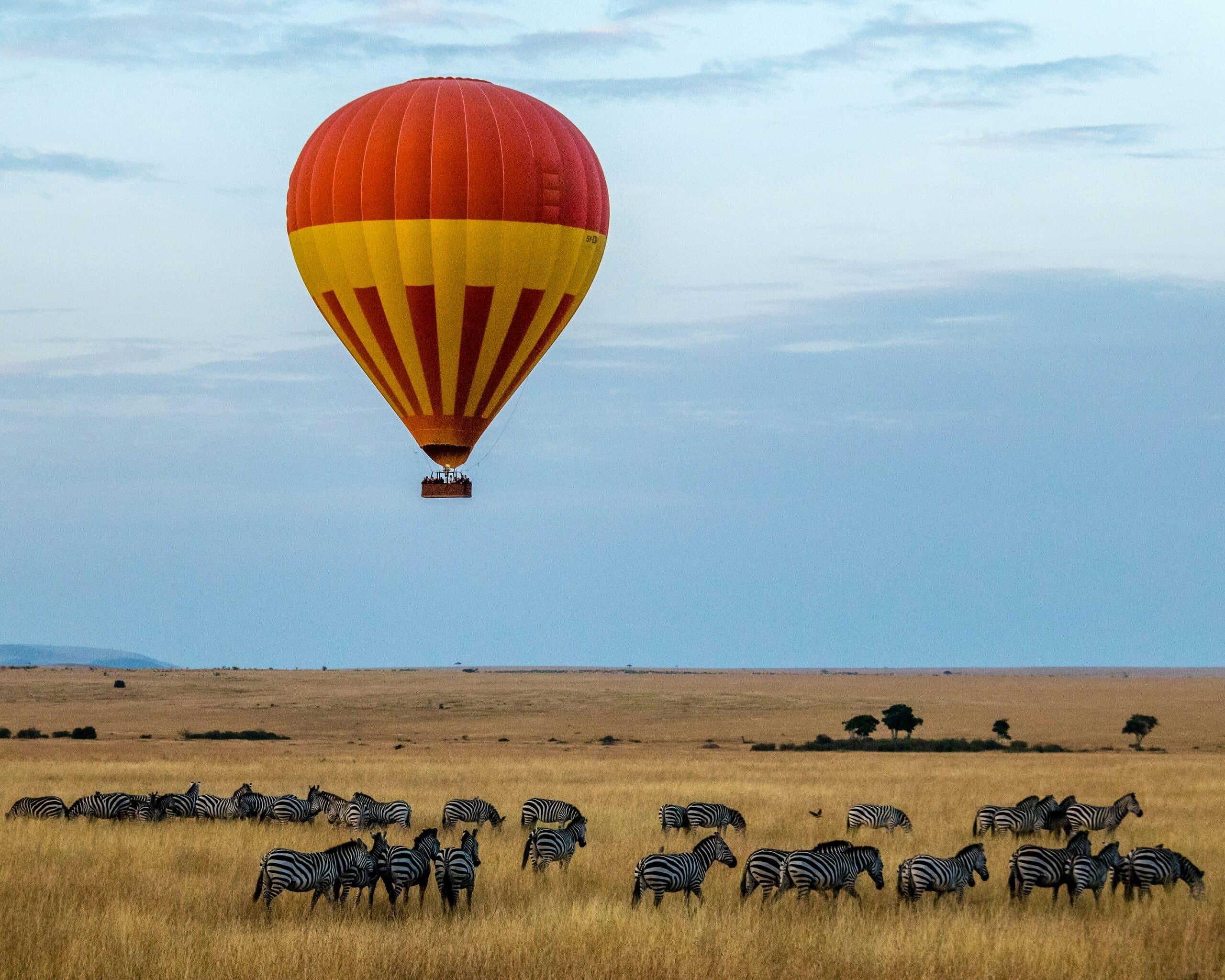
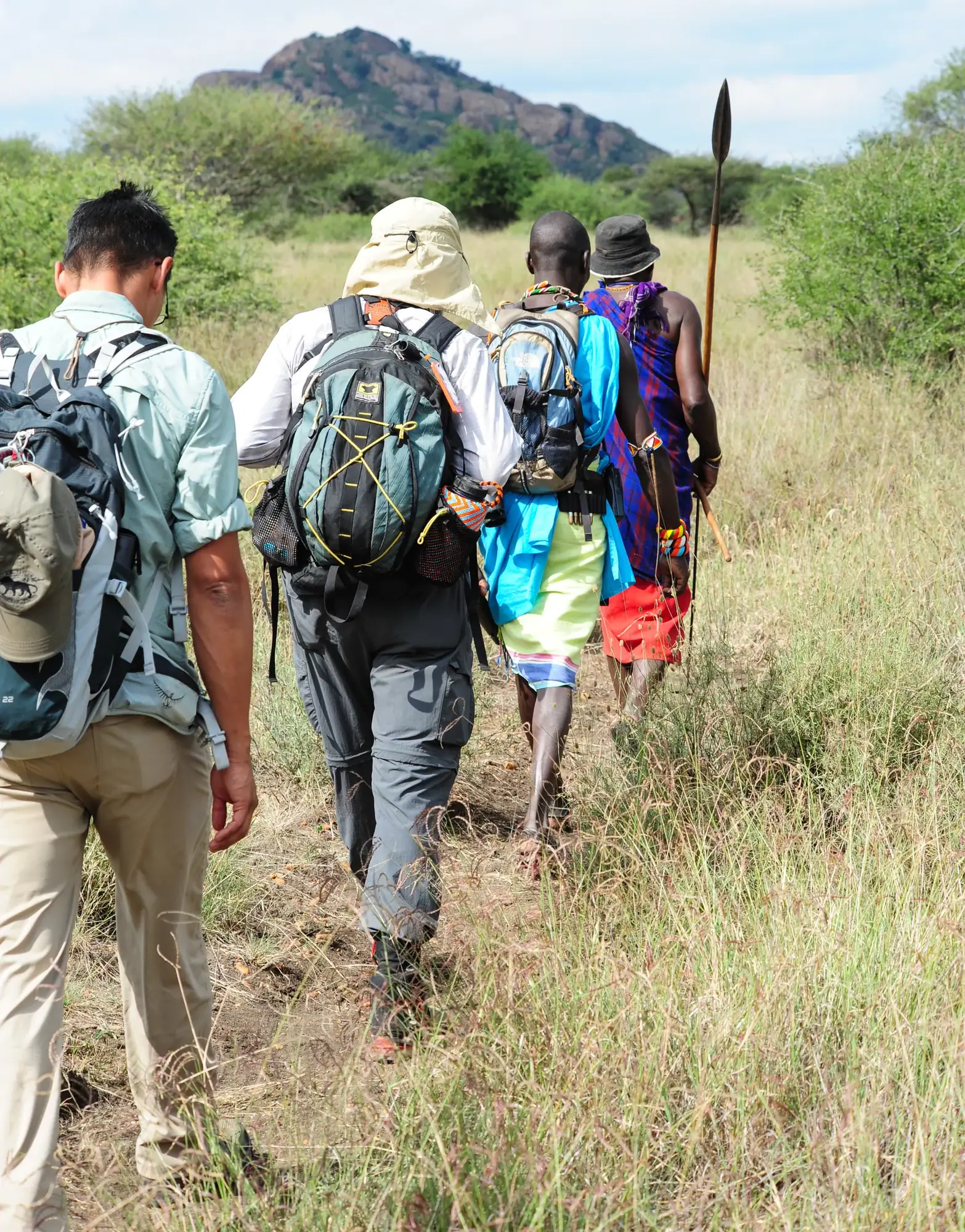
- Activities: Mara conservancies offer guided walks, night drives and off-road viewing; inside the Mara reserve and Serengeti National Park, game drives stay on tracks in daylight; balloon flights run in both
- Who runs them: the Mara reserve is managed by Narok County, with the Mara Triangle run by the not-for-profit Mara Conservancy under agreement with the county; the Serengeti is run by Tanzania National Parks
- Cost drivers: park and conservancy fees, your camp's style and location, flights and season, with the strongest demand in the Mara from July to October
Combining the two
You can see both on one trip, but plan for a border day. The crossing between the two parks is closed to tourists, so most travelers fly via Nairobi and Kilimanjaro or Arusha, or drive through the Isebania border, which takes most of a day. The pairing makes most sense from August to October, when you can watch the river from both sides, or when you add the Serengeti's calving in February to a Kenya trip in another season.
Our advice
For most Americans on a first safari of a week or so, the Mara gives more wildlife for fewer hours of travel, especially from July to October, and its conservancies are a real advantage. If you travel from December to June, or you want long days in wide, empty country, the Serengeti is the better choice. We plan Kenya trips, and if your dates point to Tanzania, we will tell you.
To do the Mara well, give it at least three nights: fly from Nairobi, sleep in a conservancy with a Maasai guide, and spend your river days in the reserve. Add Lake Naivasha or Amboseli before, and the Kenyan coast after, and one trip shows you savanna, Rift Valley and Indian Ocean.
Why plan with us: Kenya Experience is Kenyan-led, with two U.S. companies behind it and Kenyan guides on every game drive. Pay in full or monthly with no deposit, and a specialist replies within two business days.