Planning a safari. Updated November 2026. 4 min read.
Both countries offer world-class safaris, and the right one depends on your dates and your style. Kenya packs the most variety into one trip: the Maasai Mara and its community conservancies, rhinos in Laikipia, Samburu's northern species, Kenyan guides and hosts, and the Indian Ocean coast, all within an hour or so of Nairobi, which you can reach nonstop from New York. Tanzania suits travelers who want vast parks, Ngorongoro Crater and the migration in the months it is not in Kenya.
Who each country suits
- Kenya: first-timers short on time, families, travelers who want walks and night drives in conservancies, and anyone who wants culture, a city and a beach on one trip
- Tanzania: travelers who want huge, remote parks, Ngorongoro Crater, the calving season, or a Kilimanjaro climb or Zanzibar beach afterward
- Both: anyone who loves big cats, elephants and open plains; neither country will disappoint you there
Wildlife and the migration
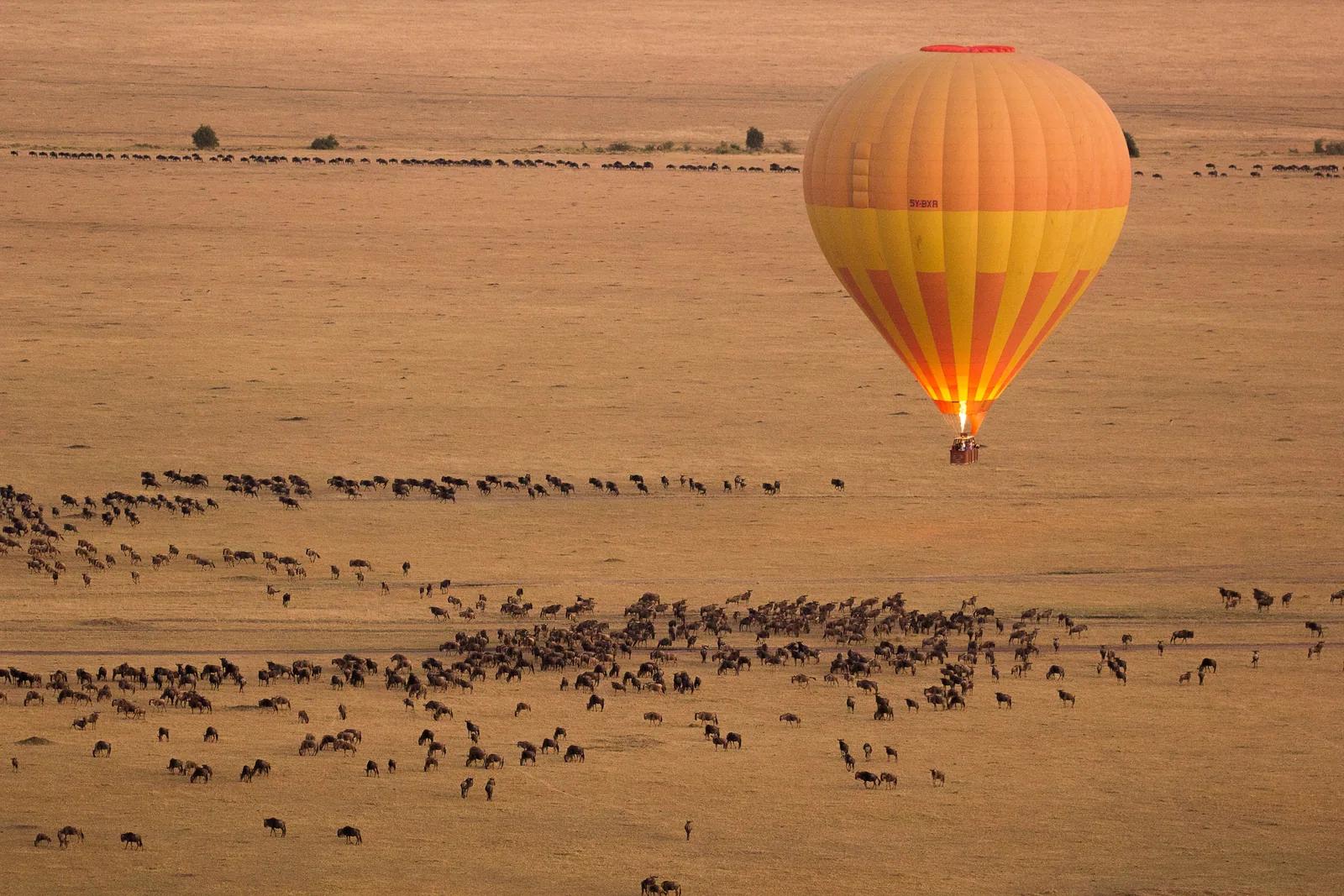
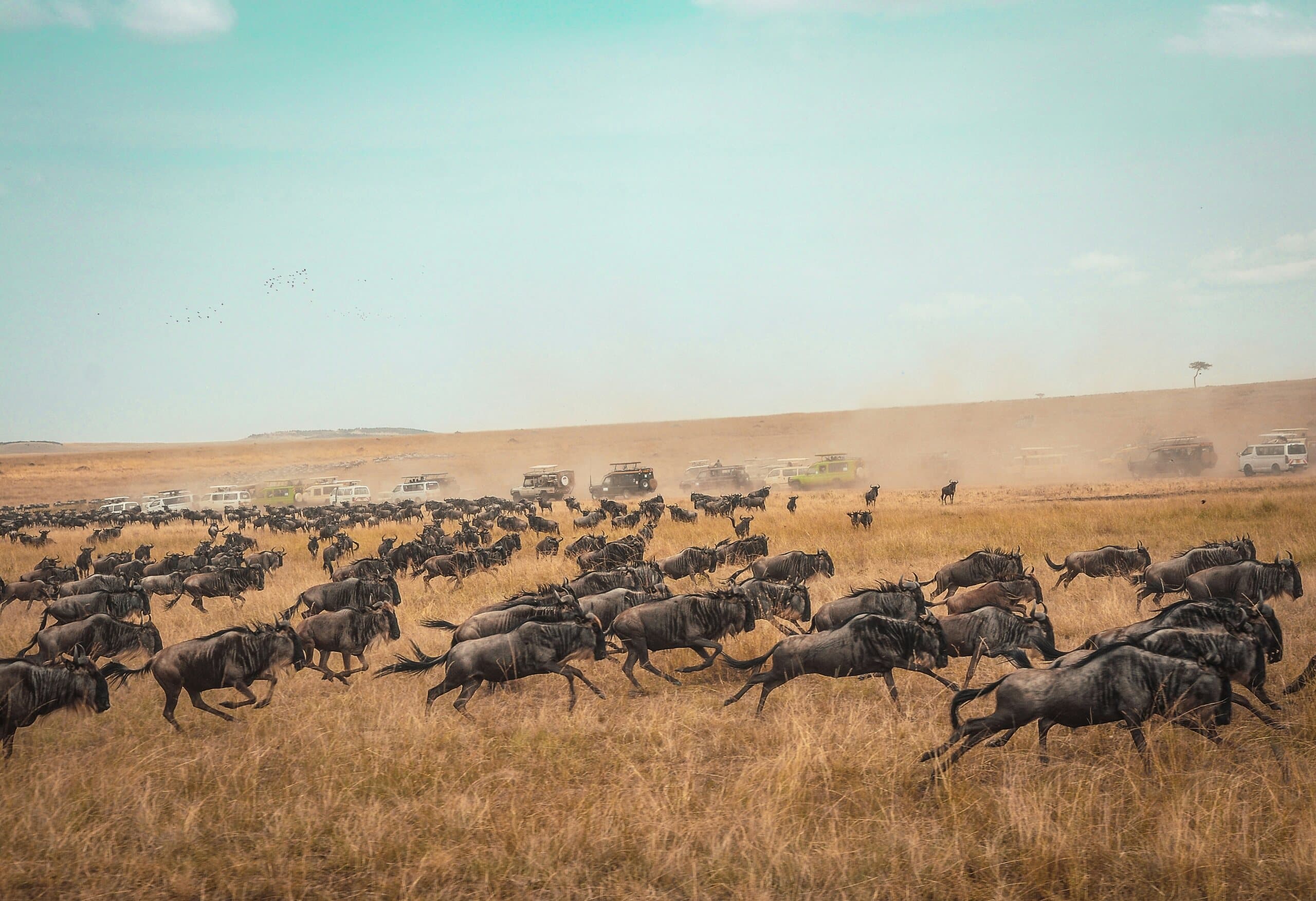
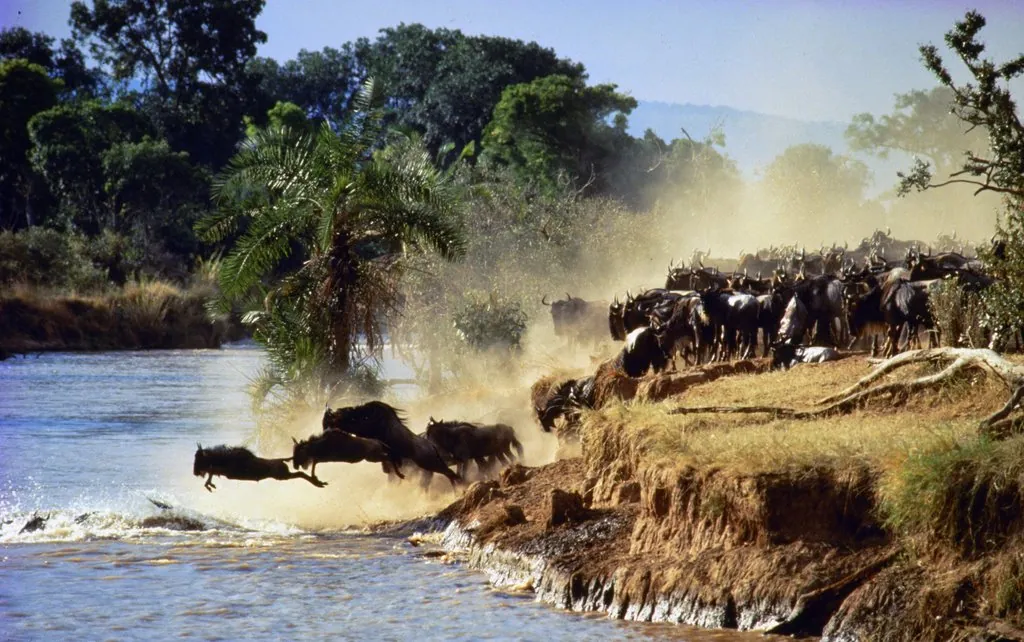
The Maasai Mara and Tanzania's Serengeti are one ecosystem with a border running through it. The wildebeest spend most of the year in Tanzania: calving on the southern Serengeti plains around January to March, moving north and west through the long rains, and in most years reaching Kenya's Mara from about late July. They usually start drifting back south in October. So if your dates fall between December and June, Tanzania has the herds. From August to October, both countries do.
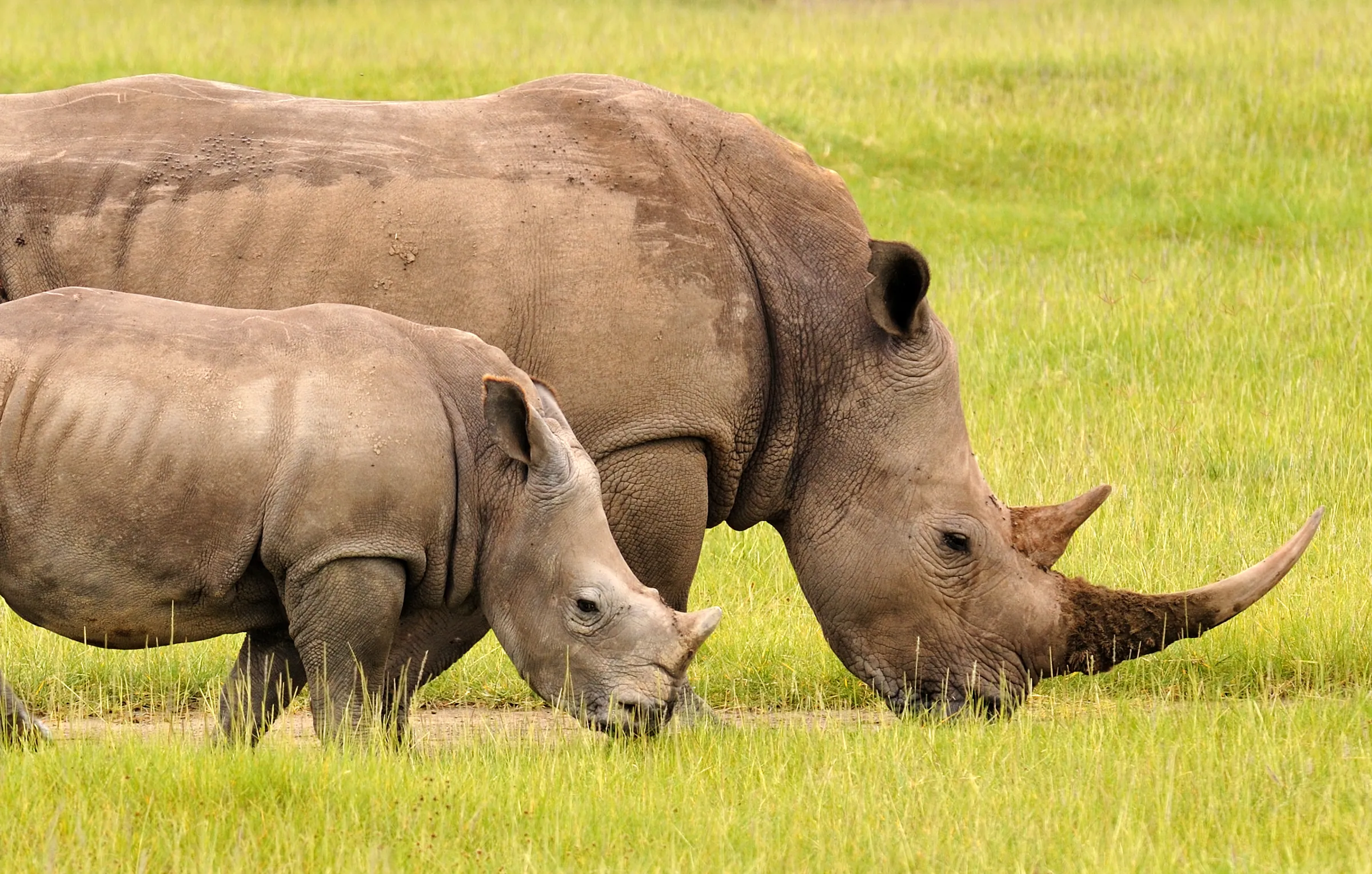
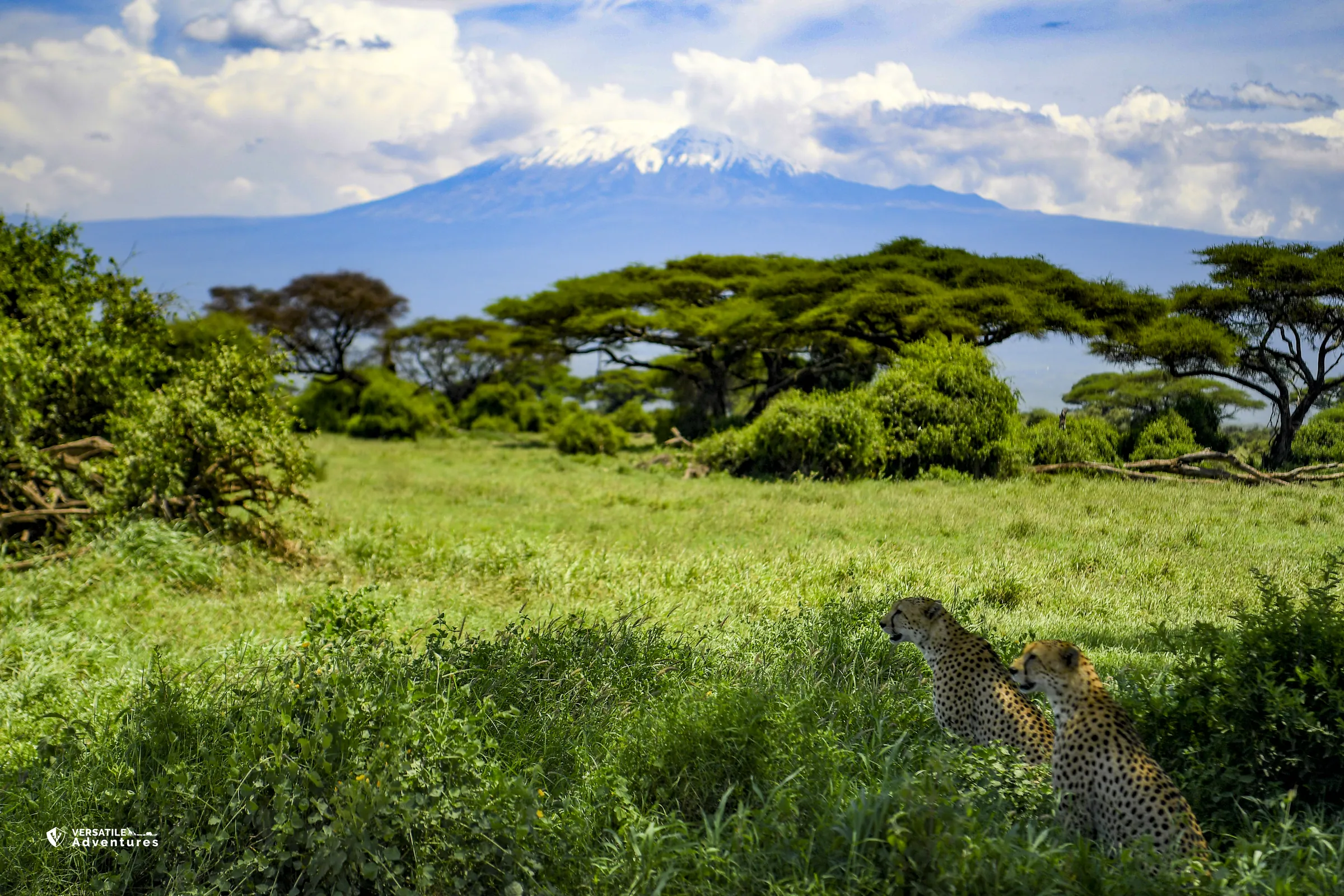
Outside the migration, Kenya's strengths are the resident big cats of the Mara, rhinos at Lewa, Lake Nakuru and Ol Pejeta, home to the last two northern white rhinos on Earth, and the dry-country species of Samburu, such as Grevy's zebra and the gerenuk. Tanzania's are Ngorongoro Crater, a huge volcanic caldera full of wildlife, and the elephants and baobabs of Tarangire in the dry season. Both have excellent lions, elephants and plains game.
Landscape, crowds and access
Kenya is the easier country to reach and to move around. Kenya Airways flies nonstop from New York to Nairobi, the eTA is applied for online, and the parks sit closer together: the Mara is about an hour's flight from Nairobi, and the coast is a short hop from either. Tanzania's northern circuit starts in Arusha, usually reached through Kilimanjaro International Airport with one connection from the U.S., and its drives are longer: the central Serengeti is most of a day by road from Arusha, so many travelers fly.
Both countries have busy spots. The Mara reserve's river crossings and the floor of Ngorongoro Crater draw many vehicles in peak months. Kenya's answer is its conservancies, where camps limit vehicle numbers. Tanzania's answer is sheer size: the Serengeti National Park is roughly ten times the size of the Maasai Mara National Reserve, so its remote corners can feel empty.
Lodges, activities and what drives the cost
- Stays: both have everything from large lodges to small tented camps; Kenya has many small camps on community conservancy land, and Tanzania has more mobile camps that move with the herds
- Activities: Kenya's conservancies allow guided walks, night drives and off-road viewing; inside national parks and reserves in both countries, game drives are mostly in daylight and on tracks
- Cost drivers: park and conservancy fees set by each authority, the size and location of your camp, internal flights and the season; Tanzania's longer distances often mean more flying
- Entry: Americans need an eTA for Kenya and a visa for Tanzania, applied for separately; check both governments' current rules before you book flights
How to combine both
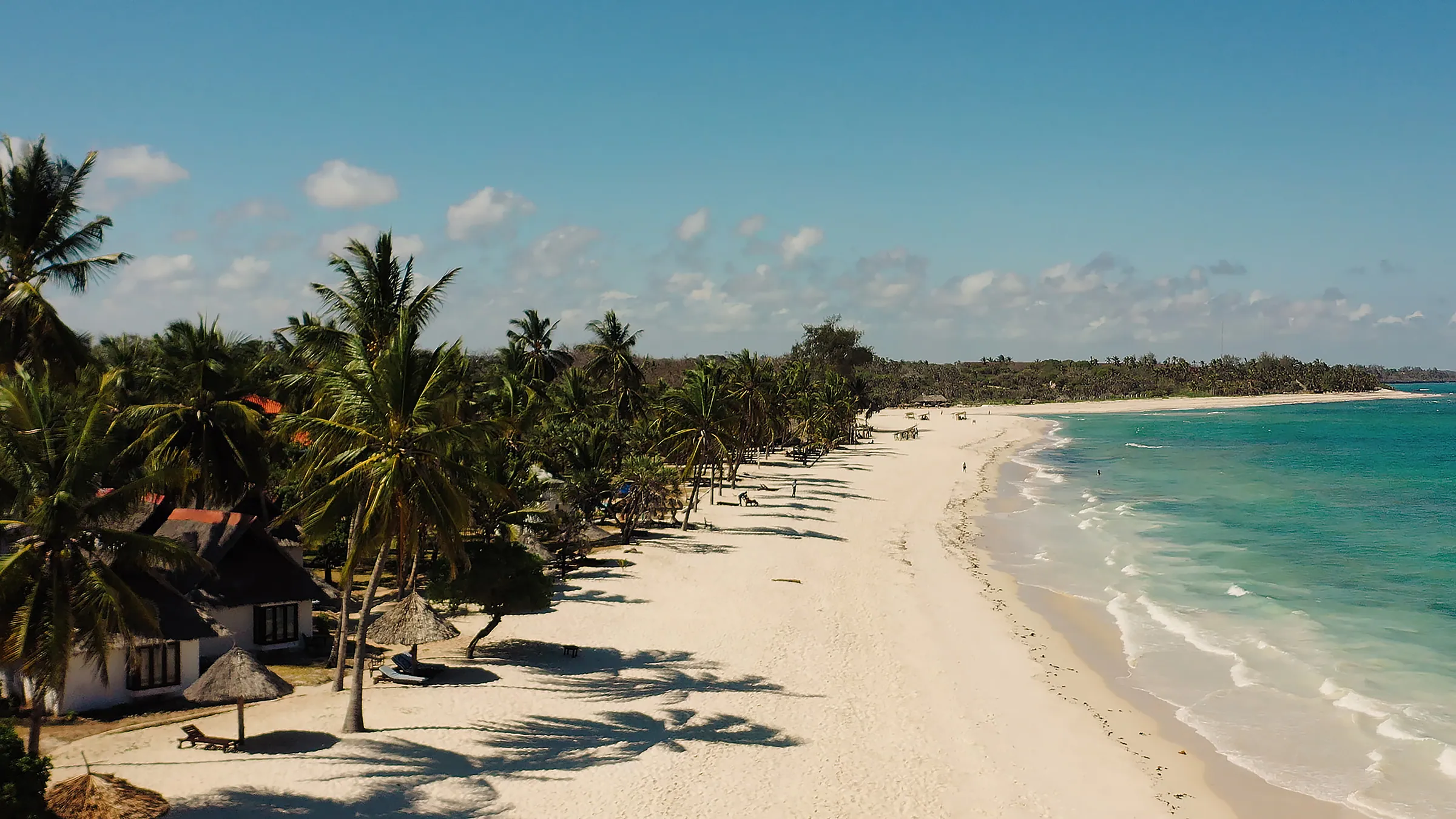
A two-country trip works well with 12 days or more. The usual link is Nairobi and Arusha, a short flight apart, or around five to six hours by road through the Namanga border. There is no open tourist crossing between the Mara and the Serengeti inside the parks, so plan on a flight or a long drive between them. A good shape is Nairobi, Amboseli or Laikipia and the Mara in Kenya, then Ngorongoro and the Serengeti in Tanzania, finishing on Zanzibar or the Kenyan coast.
Our advice
We are a Kenyan company, so weigh our view with that in mind. If this is your first safari, you have ten days or fewer, or you want the migration between August and October, Kenya gives you more variety for your time. If you are traveling between January and March to see the calving, or you have your heart set on Ngorongoro, go to Tanzania, and consider a few days in Kenya on the way. Tell us your dates, and if the other side of the border suits your month better, we will say so plainly.
For a Kenya trip, our usual shape is ten to twelve days: two nights in Nairobi, the Mara and a conservancy, Laikipia or Amboseli, and three nights on the coast. For Kenya plus Tanzania, start in Nairobi, finish in Arusha or on Zanzibar, and allow two weeks.
Why plan with us: Kenya Experience is Kenyan-led, with two U.S. companies behind it and Kenyan guides on the ground. You can pay in full or monthly with no deposit, and a specialist replies within two business days.