Planning a safari. Updated November 2026. 3 min read.
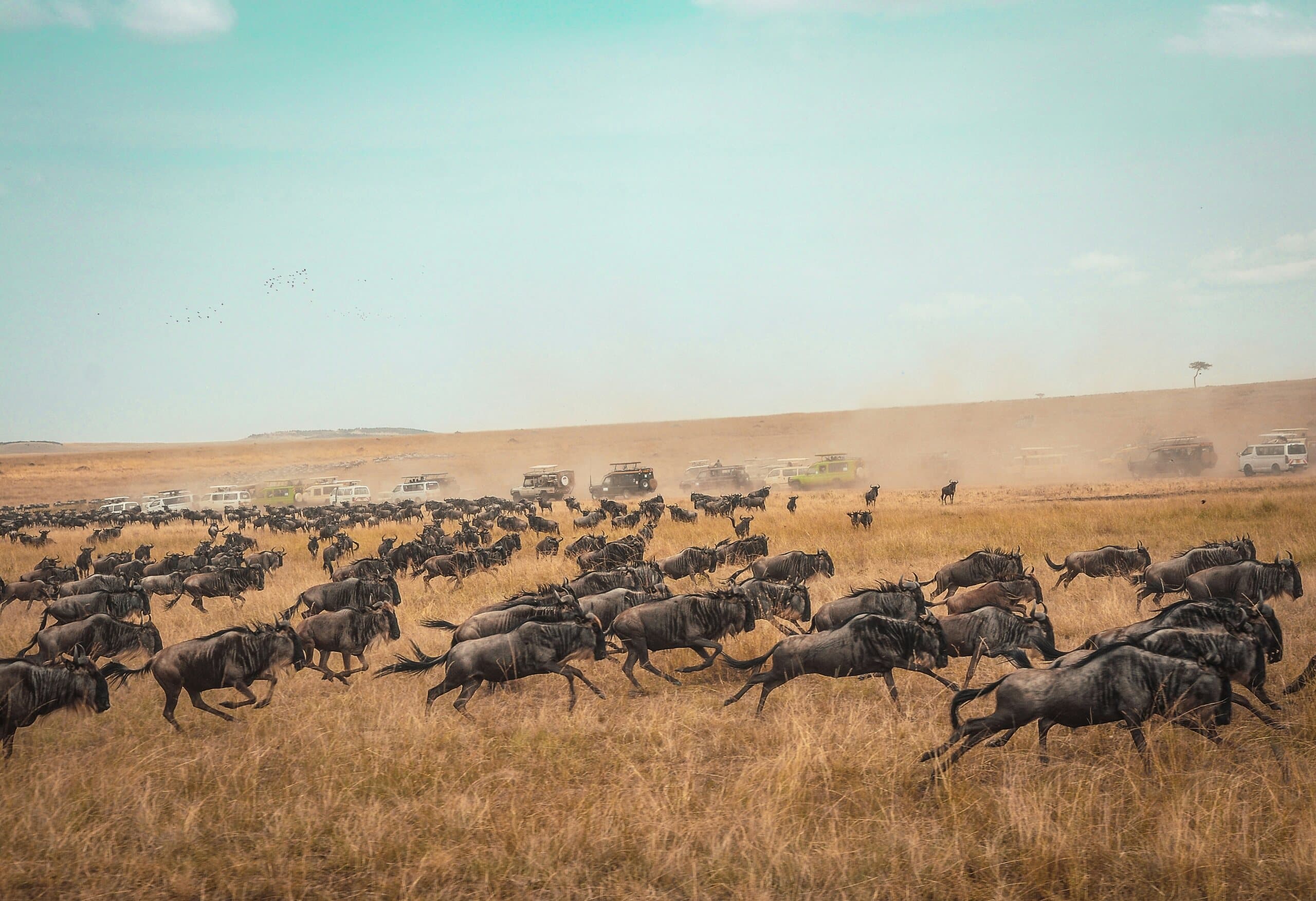
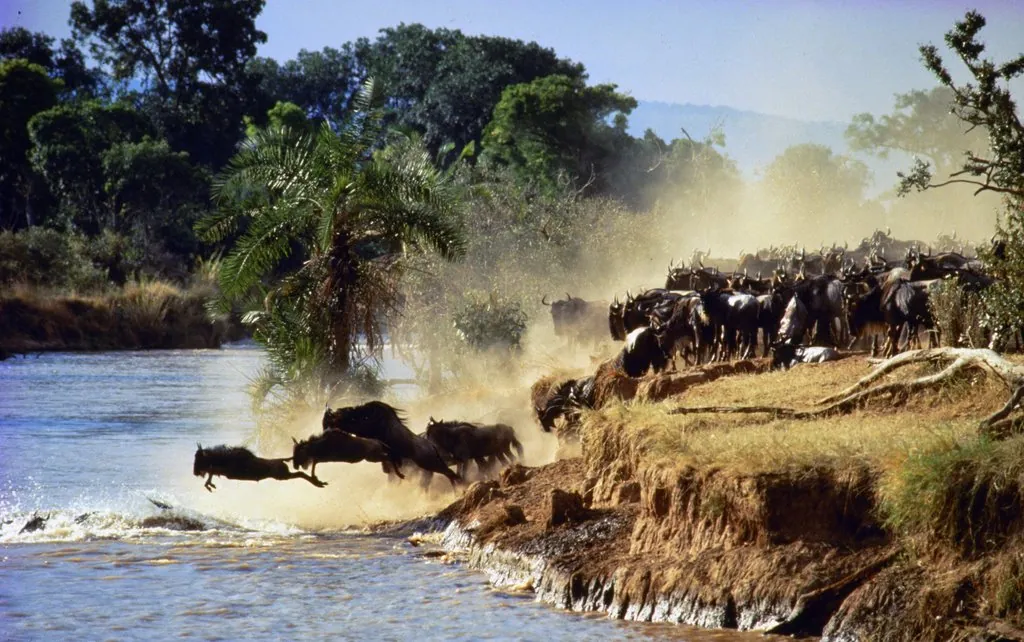
Every year more than a million wildebeest, with hundreds of thousands of zebra and gazelle, move in a great loop between Tanzania's Serengeti and Kenya's Maasai Mara, following the rain and the grass. The Kenyan chapter is the most famous: the crossings of the Mara River, where the herds plunge through water guarded by crocodiles.
Month by month
- January to March: the herds are in the southern Serengeti in Tanzania, where calves are born
- April to June: the long rains; the herds move north and west through the Serengeti
- July: the first herds usually reach the Mara late in the month
- August and September: the herds spread across the Mara and crossings of the Mara River are most frequent
- October: herds start moving back south; crossings continue in smaller numbers
- November and December: the herds are back in Tanzania; the Mara's resident wildlife stays
These are patterns, not timetables. The rains shift the herds by weeks from year to year, and no one can promise a crossing on a given day. That is why we plan at least two full days near the river.
Where to stay
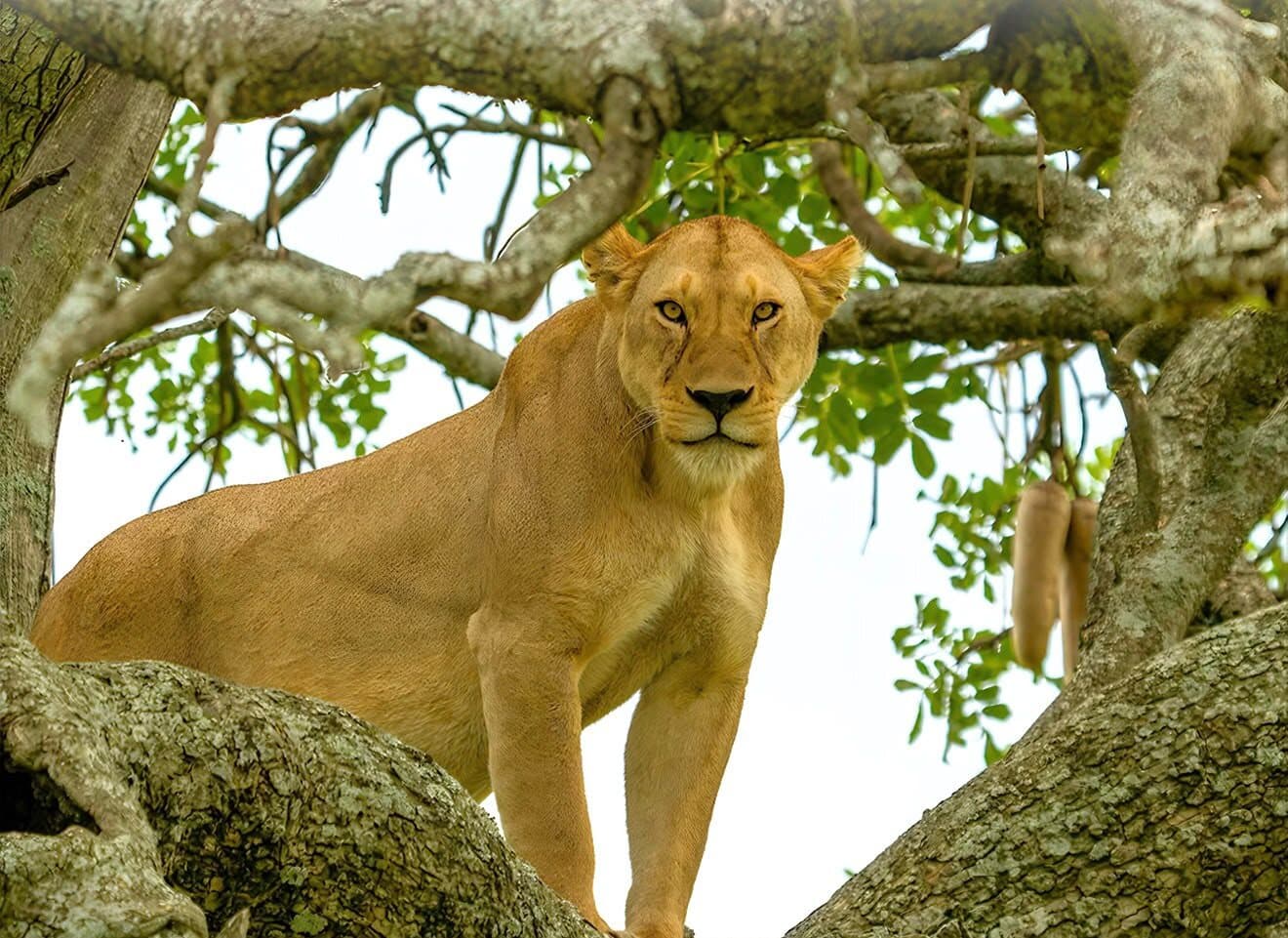
The Maasai Mara National Reserve has the river. The private conservancies on its northern edge limit the number of vehicles, allow walks and night drives, and have excellent cats. Our favorite plan mixes the two: sleep in a conservancy, drive into the reserve on river days.
How to see a crossing
- Be patient: herds can mass at the bank for hours before one animal commits
- Go with an experienced Kenyan guide who reads the wind and the zebra
- Bring a long lens and a warm jacket for early starts
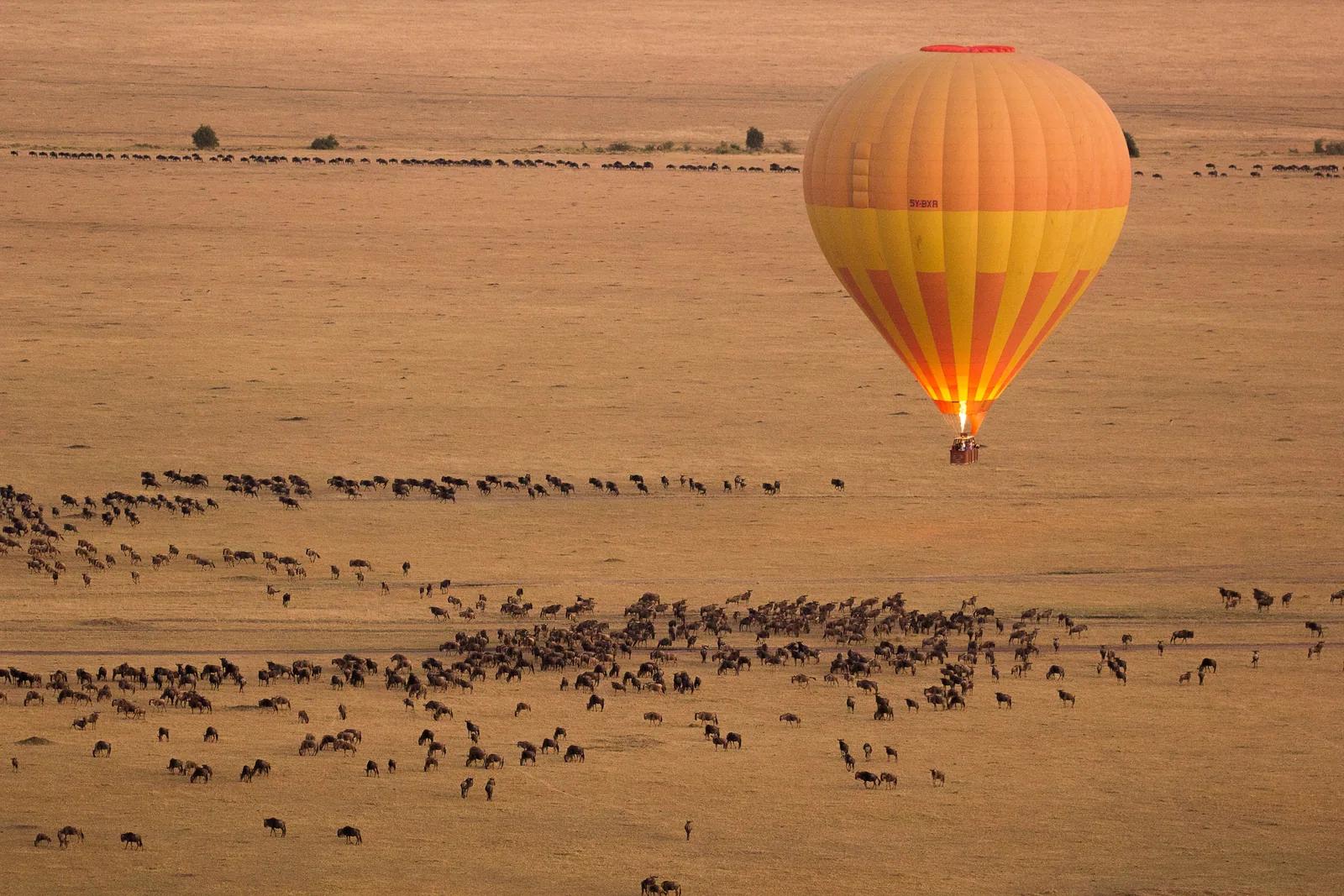
- Add a balloon flight on a morning you are not at the river
Book early
Camps near the river fill nine to twelve months ahead for August and September. If those dates are gone, late July and October are quieter and can still be excellent.