Leisure & Safari
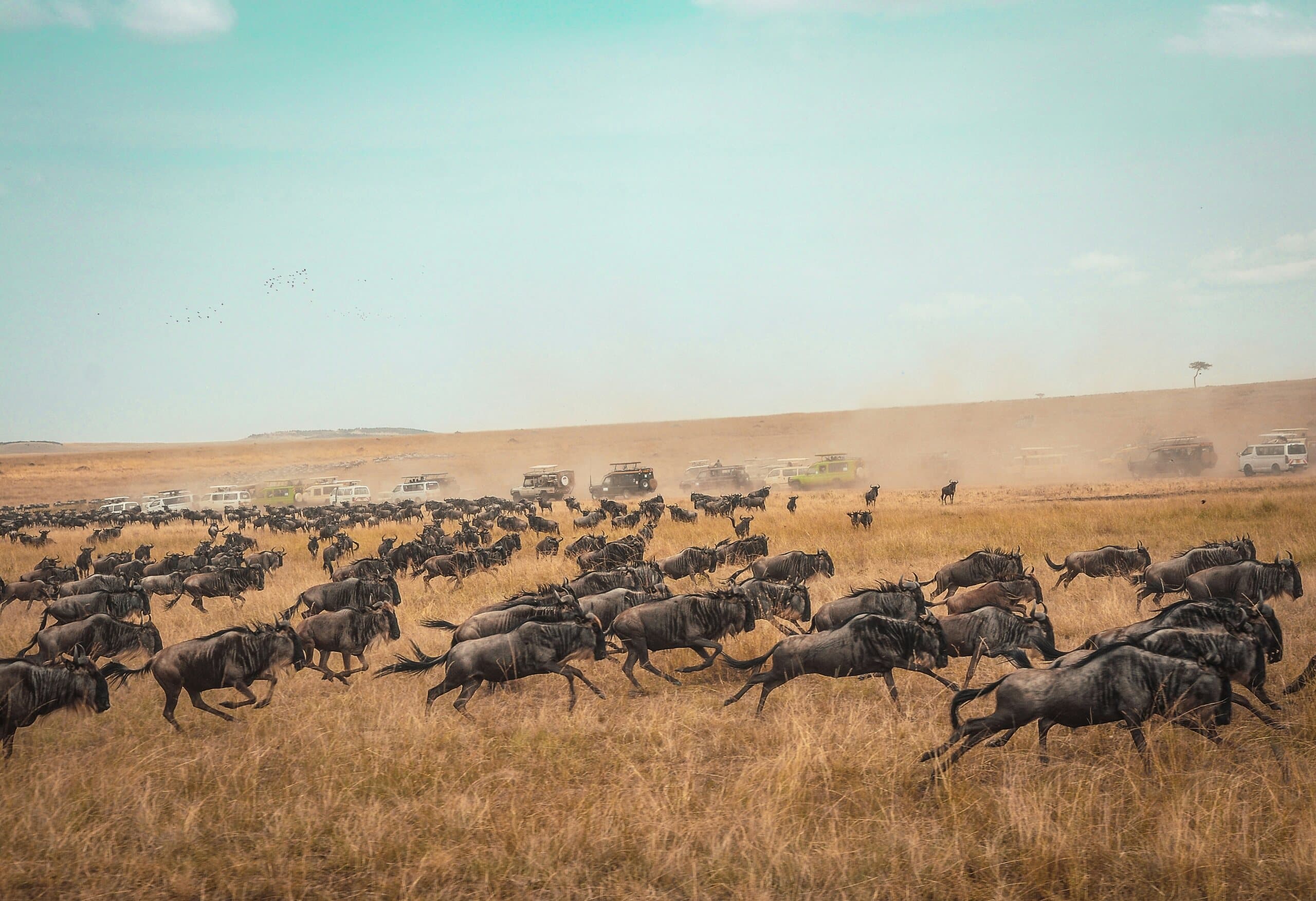
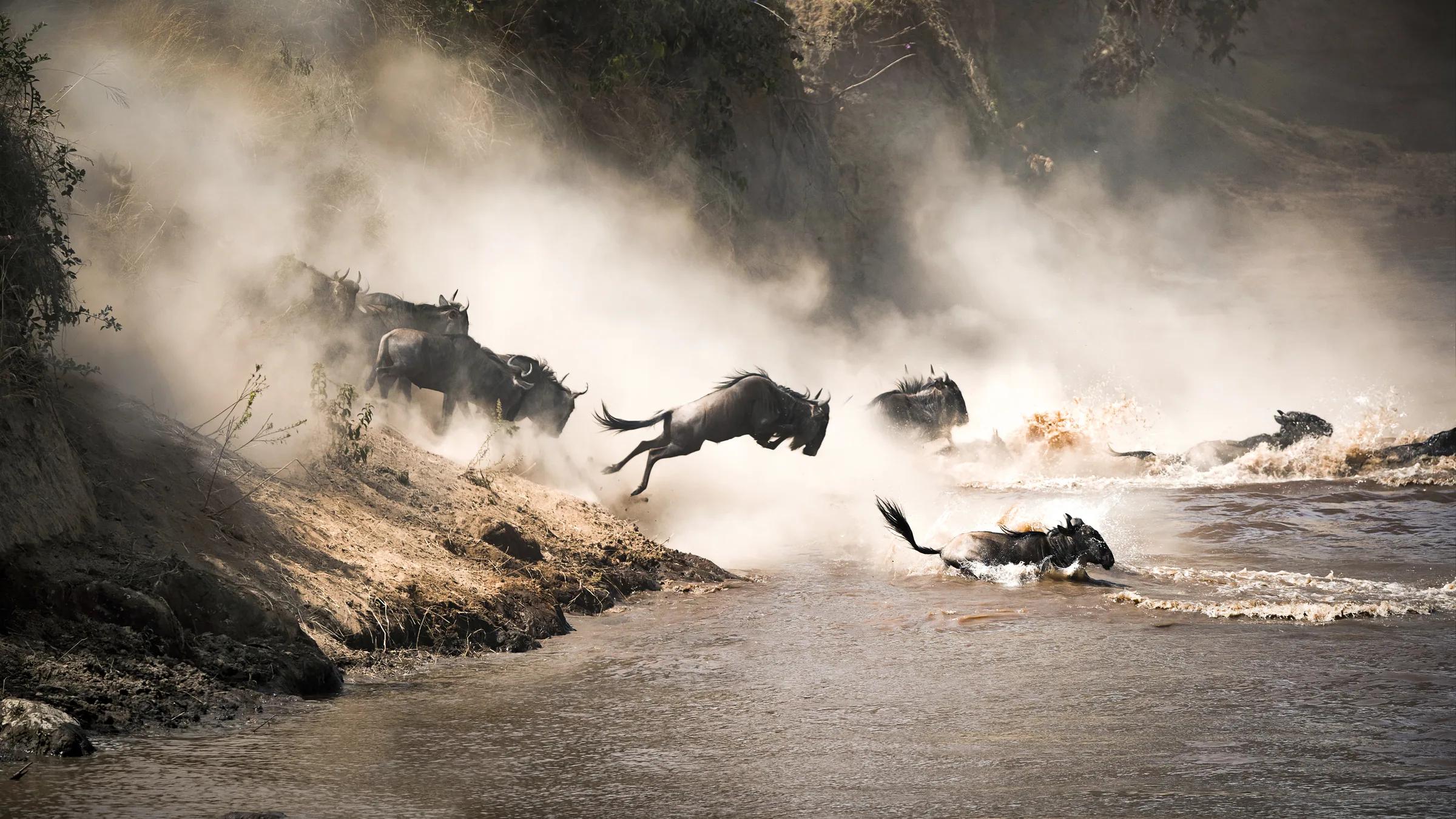
More than a million wildebeest and zebra cross the Mara River between July and October, with crocodiles below and big cats on the banks.
Leisure & Safari
More than a million wildebeest and zebra cross the Mara River between July and October, with crocodiles below and big cats on the banks.
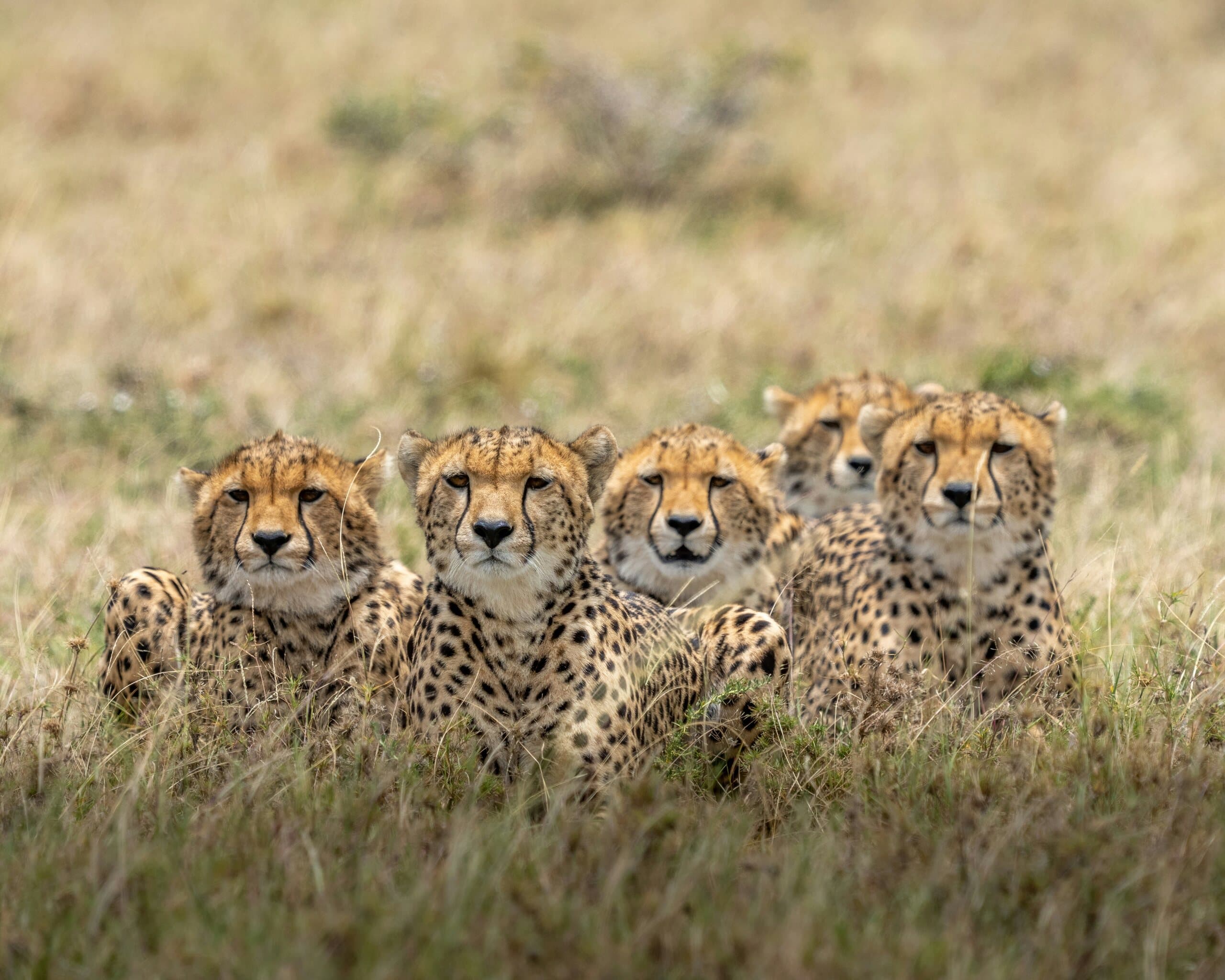
Out before dawn with a packed breakfast, on the river by eight, lunch in the shade of the vehicle, back for sundowners. Two full days at the river gives you the best odds.
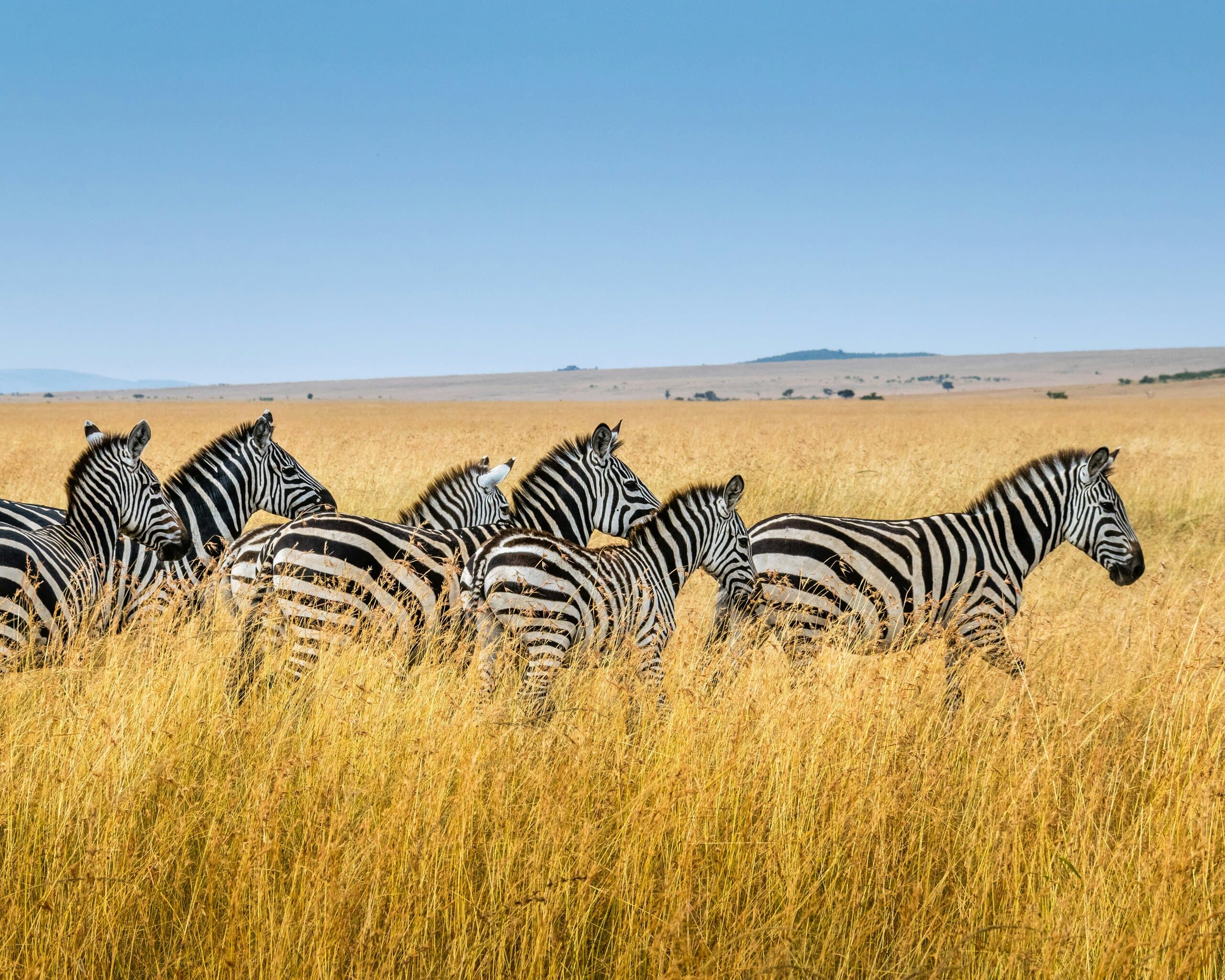
Private conservancies north of the reserve, with night drives and far fewer vehicles, driving into the reserve for the river itself.
The Maasai Mara is where the migration meets its hardest test. The Mara River runs deep and fast through the reserve, and the herds must cross it to reach the fresh grass on the far side. Kenya also gives you the conservancies: Maasai-owned land around the reserve where camps limit vehicle numbers, guides can drive off-road and you can walk or go out after dark. You watch the river by day inside the reserve and come back to a quiet camp at night. Your guide is Kenyan, often Maasai, and grew up reading these plains.
The herds spend the early months of the year in the southern Serengeti in Tanzania, where most calves are born. In most years the first columns reach the Mara in July, and the main river action usually runs from late July into September, with crossings possible into October. The timing follows the rain, so it shifts by a few weeks from year to year. Crossings happen at a handful of favored points along the Mara River and the smaller Talek River. Resident herds from the Loita plains to the northeast also move into the Mara, so the grasslands can look full even before the Serengeti herds arrive.
Your guide watches where the herds gather and how they behave. Zebra often lead, and a herd may walk to the bank, mill about and turn back several times before one animal commits. Then the rest follow in a rush, and crocodiles and waiting lions make their move. Reserve rules ask vehicles to stay back from the bank until the animals have chosen their path, and rangers enforce them. Some days you wait for hours and nothing happens. Other days you see two crossings before lunch. Patience and time at the river are what improve your odds.
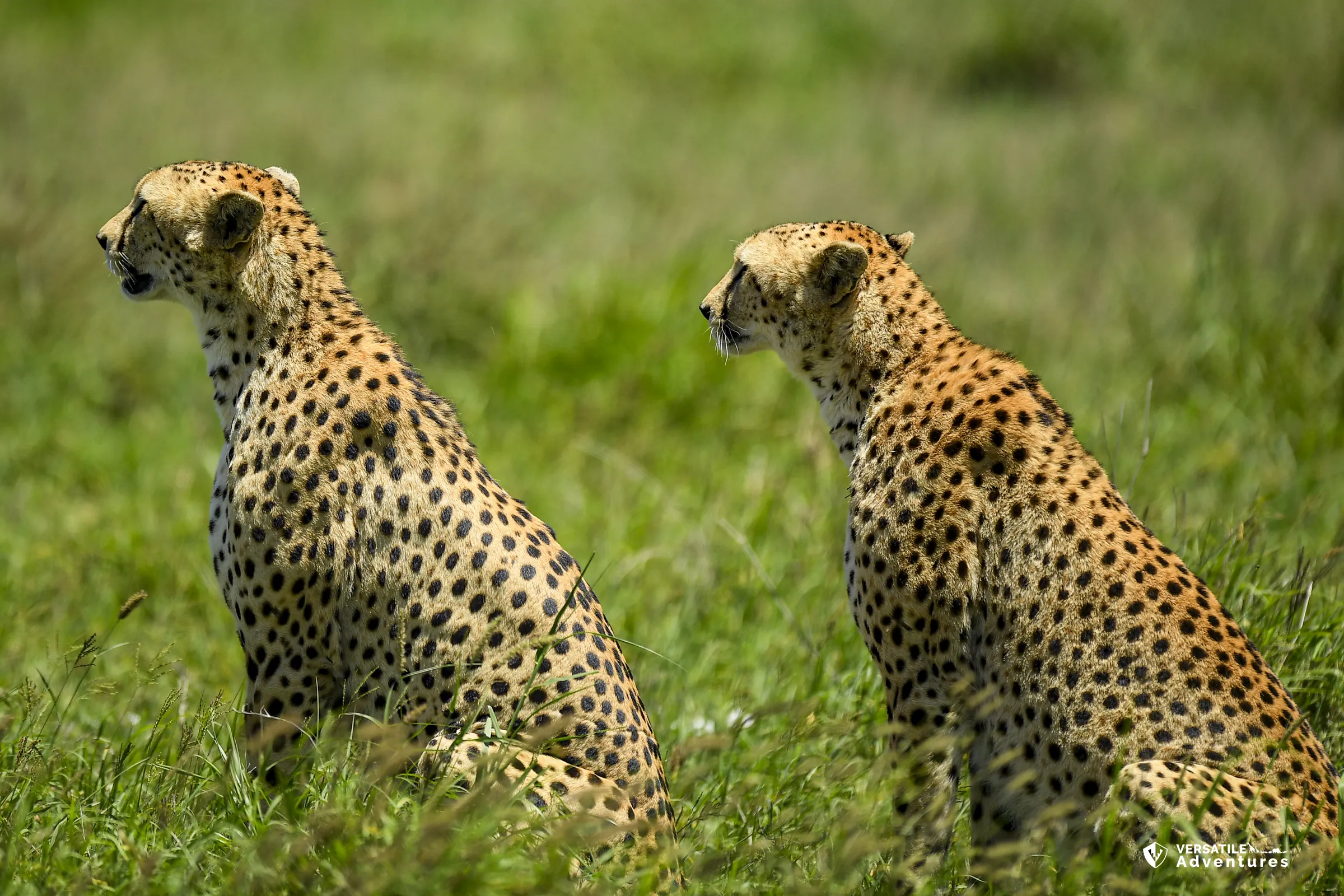
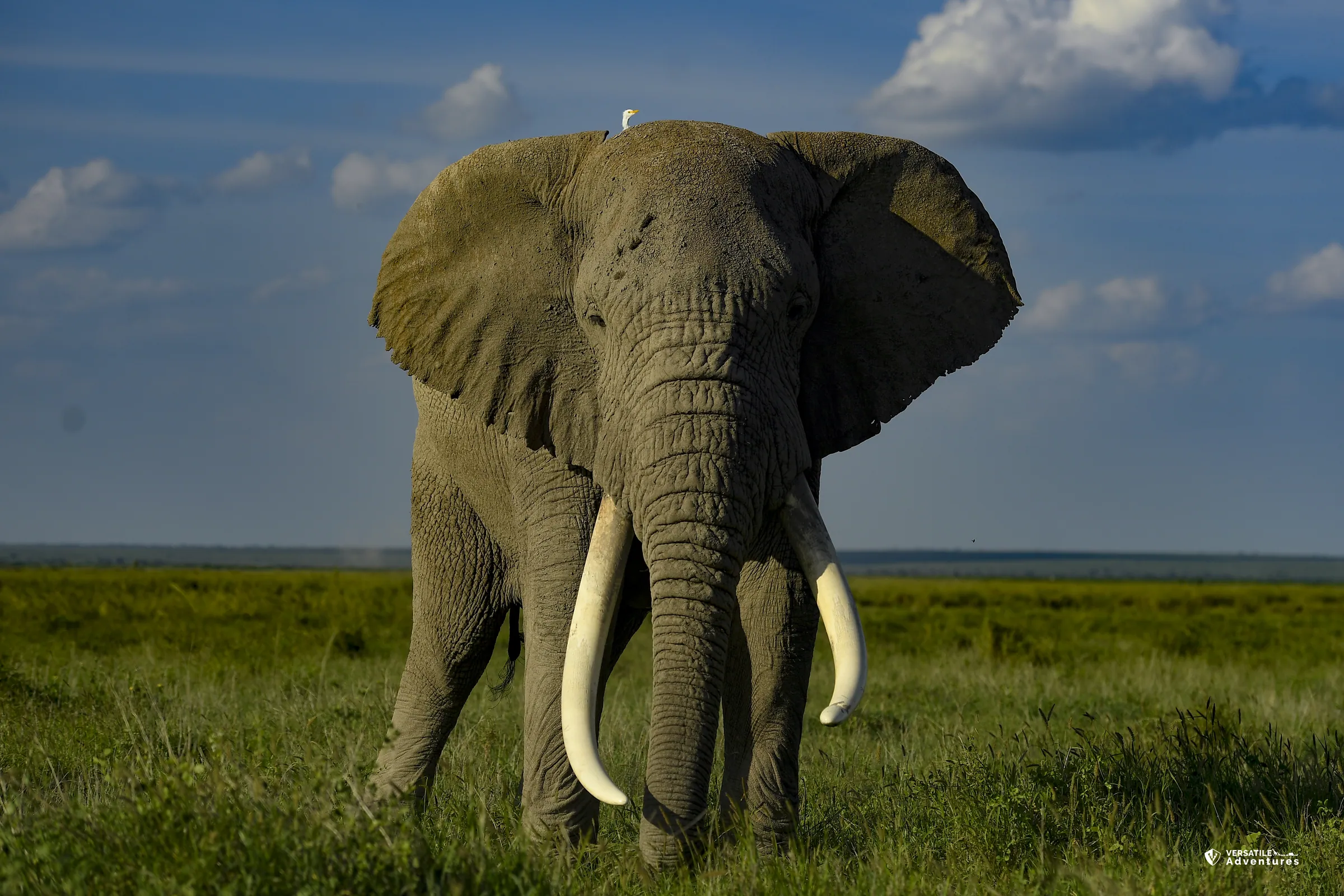
First-time safari travelers who want one of the great wildlife events on Earth, photographers who will happily wait all day for the right light, and families with children old enough to sit quietly in a vehicle for long stretches. It also suits travelers who want more than the crossings: the same days bring lions, cheetahs, elephants and giraffes on the open plains. If you dislike crowds, ask us about staying in a conservancy and timing your river days early in the morning or late in the season.
Bring a long lens, a beanbag or window mount, and binoculars for each traveler. Mornings in the Mara are cold, so pack a fleece and a windproof jacket even in August. Neutral colors are best in the vehicle. Long river days mean packed lunches, so tell us about any dietary needs early. Camps near the river book up many months ahead for July to September, so plan early if your dates are fixed. Fees for the reserve are set by Narok County and change, and we confirm them in your quote.
Kenya Experience is Kenyan-led, with two U.S. companies behind it and Kenyan guides in the field. You can pay in full or monthly with no deposit, and a specialist replies within two business days with a migration plan built around your dates.
The herds arrive from the Serengeti in July, cross and re-cross the Mara River through September and drift south in October. A crossing can take hours to build and seconds to happen; the trick is a guide who reads the herds and a camp close enough to the river to wait.
August and September are usually the most reliable months for crossings in the Maasai Mara. Late July and early October can also be good, but the timing shifts with the rains each year.
Both. The herds move in a loop through the Serengeti in Tanzania and the Maasai Mara in Kenya, and they usually spend roughly July to October in Kenya.
No one can. Herds decide when to cross, and some days they don't, which is why we plan two or three full days near the river.
We suggest at least three nights in the Mara, and four if seeing a crossing matters most to you.
Panga
Panga means plan. Tell us who is going and what you love. A Kenya specialist replies within two business days.