Leisure & Safari
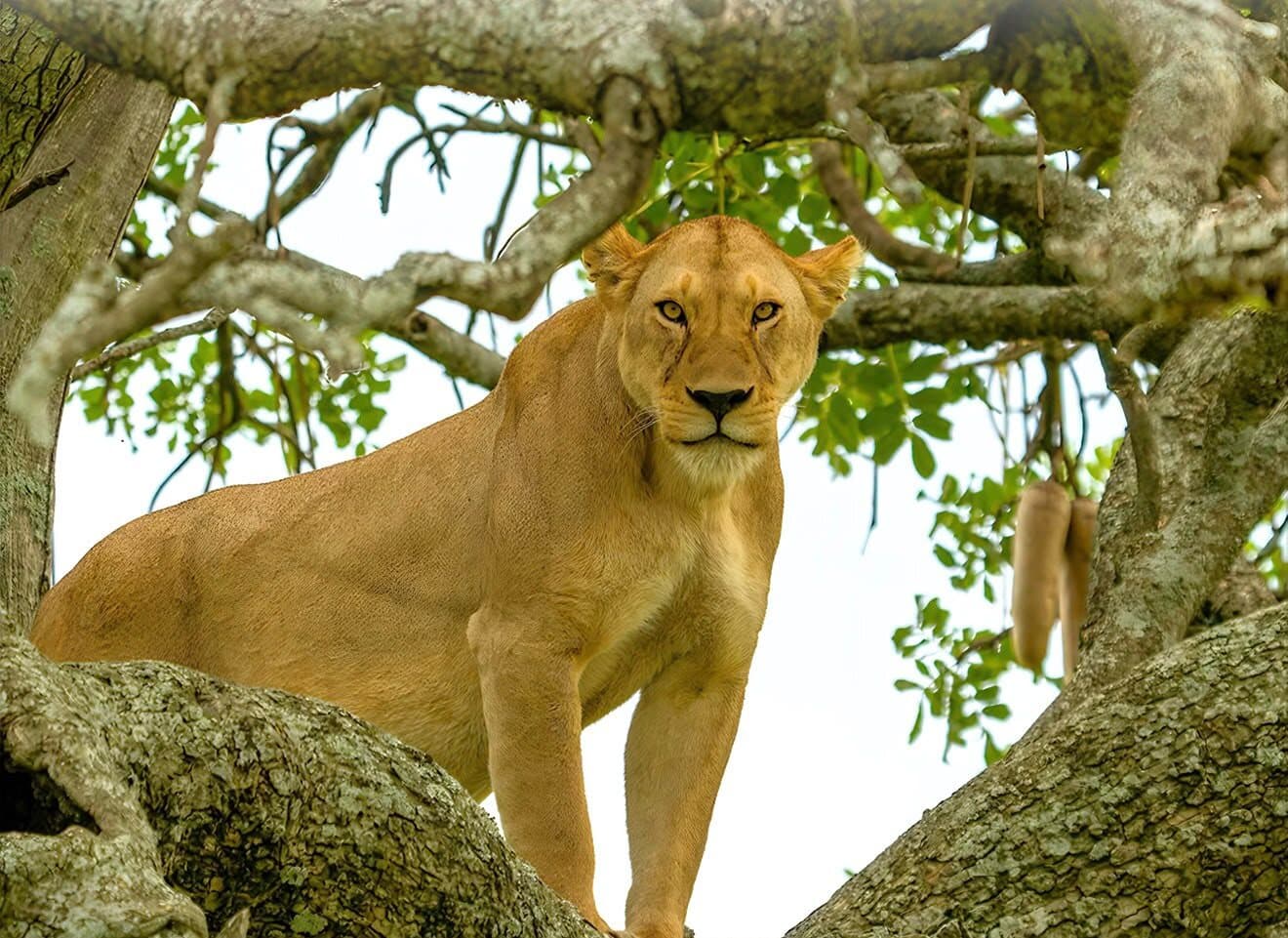
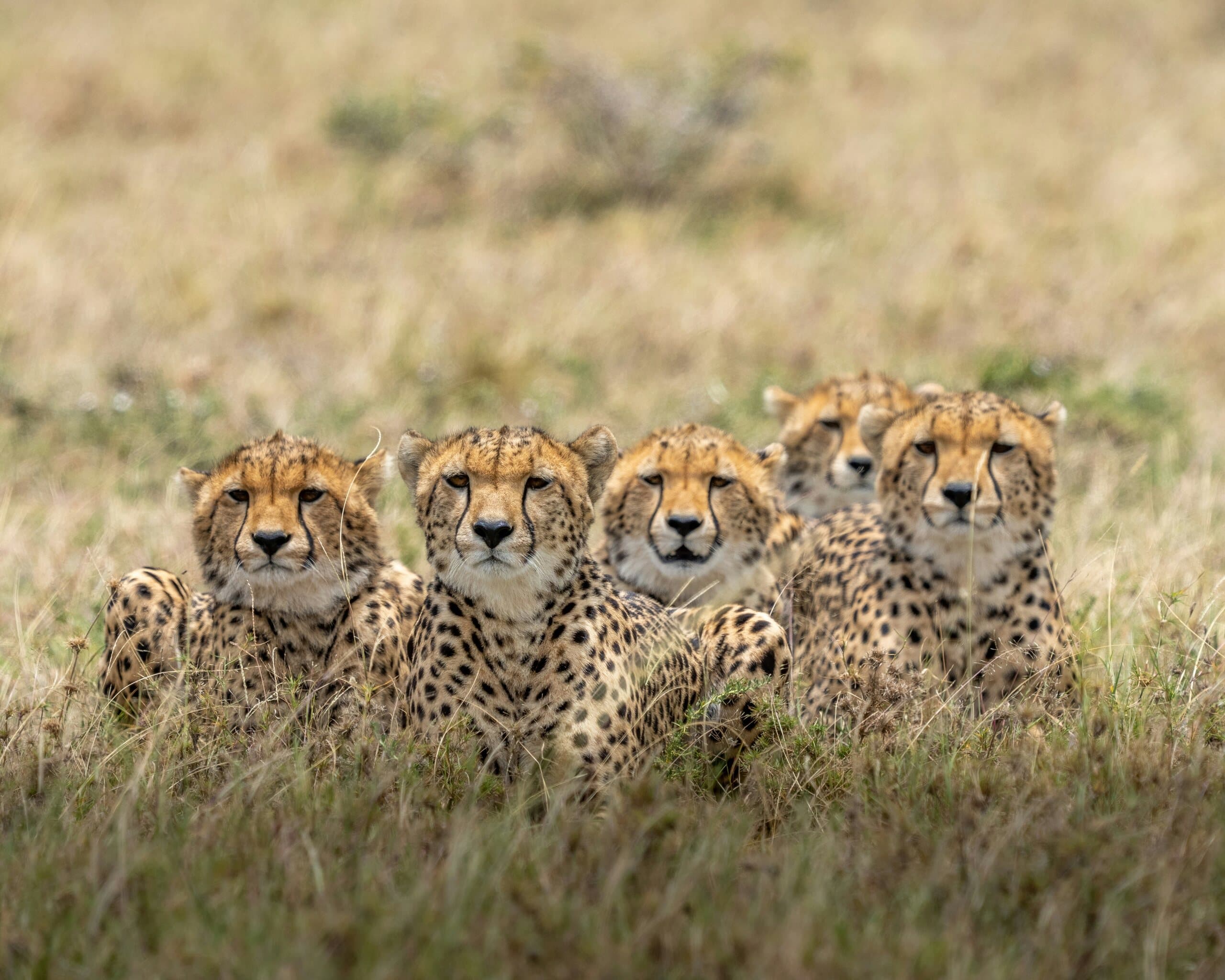
Lions, leopards and cheetahs on private land where vehicles are limited and you can stay with a hunt as long as it takes.
Leisure & Safari
Lions, leopards and cheetahs on private land where vehicles are limited and you can stay with a hunt as long as it takes.
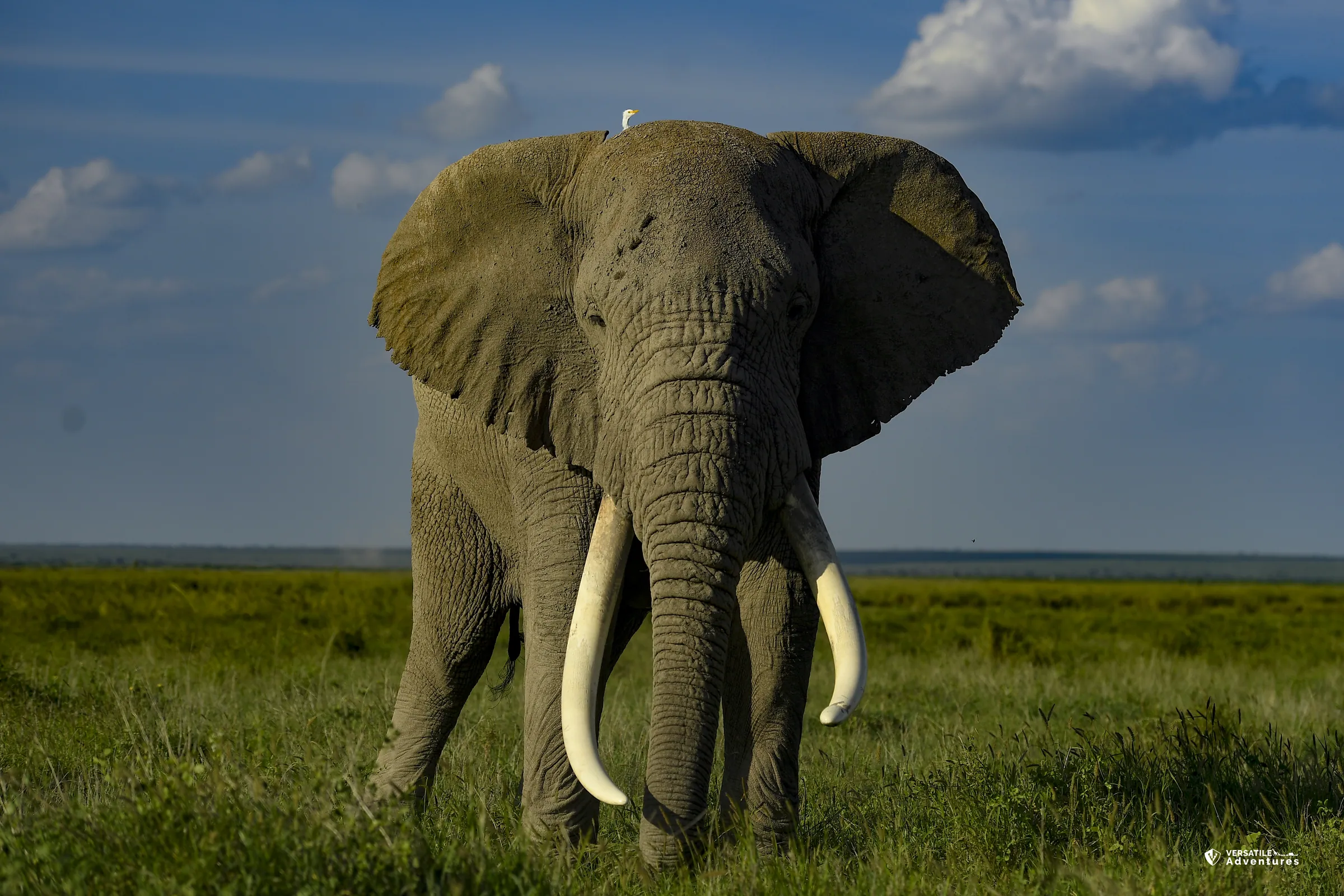
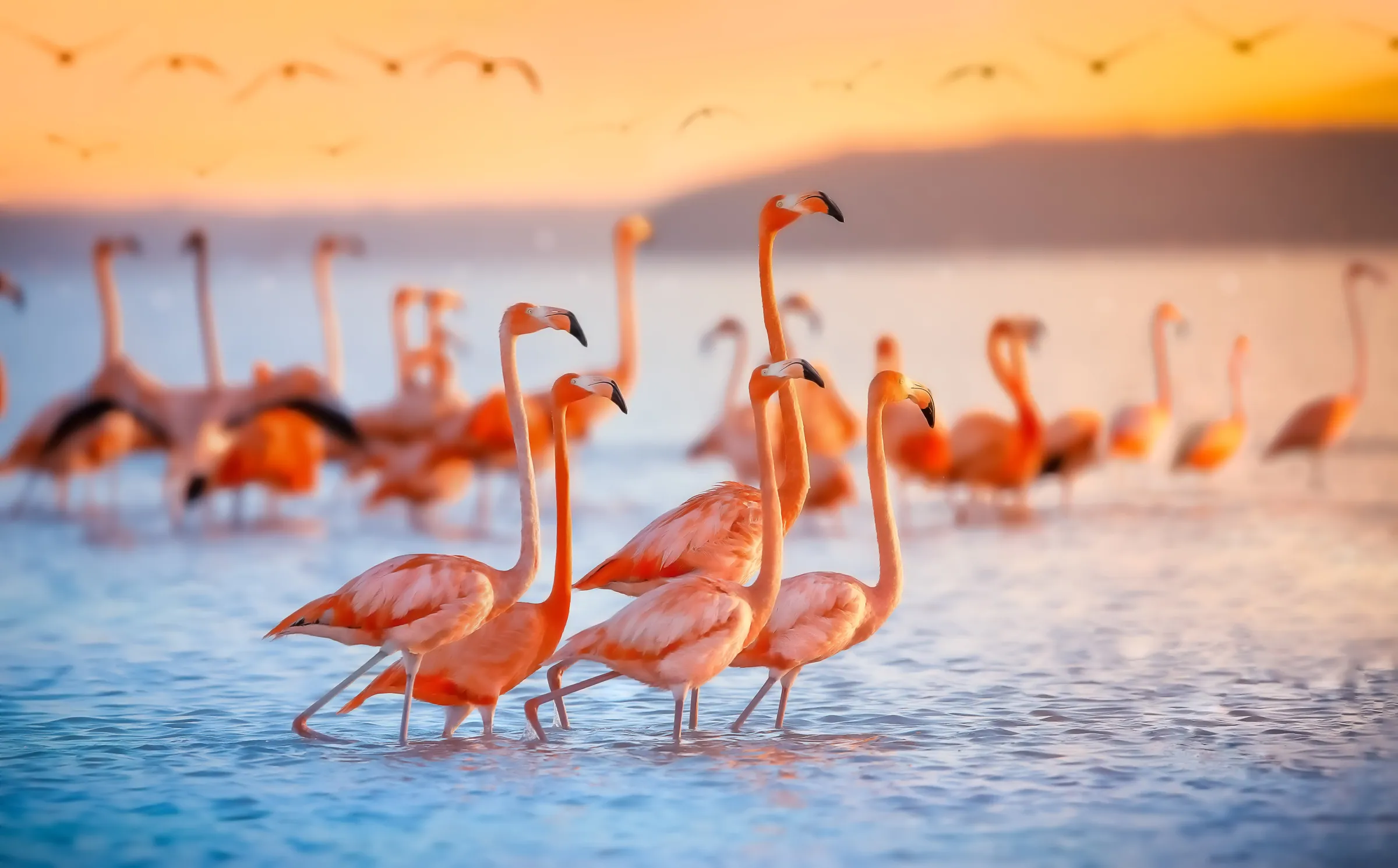
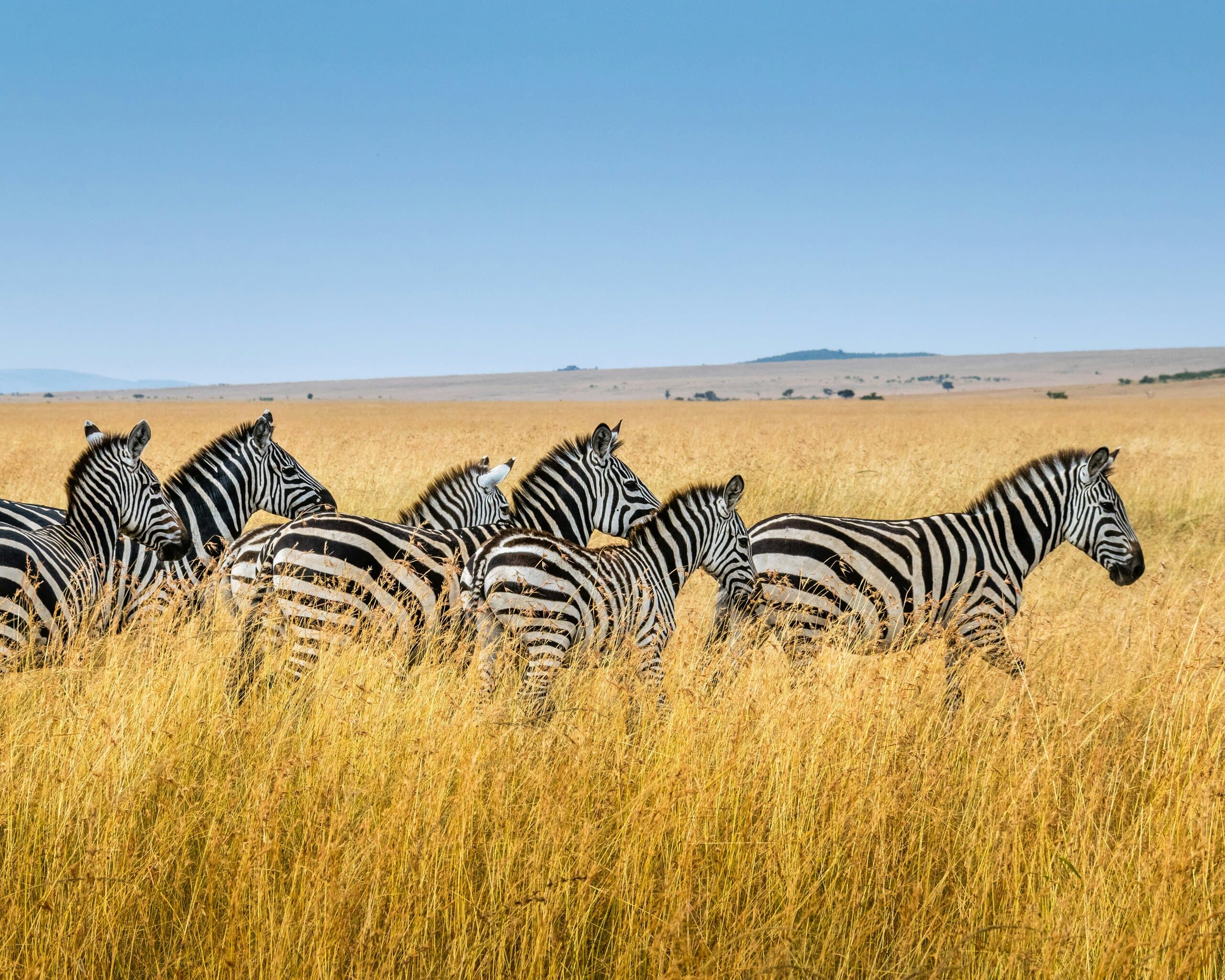
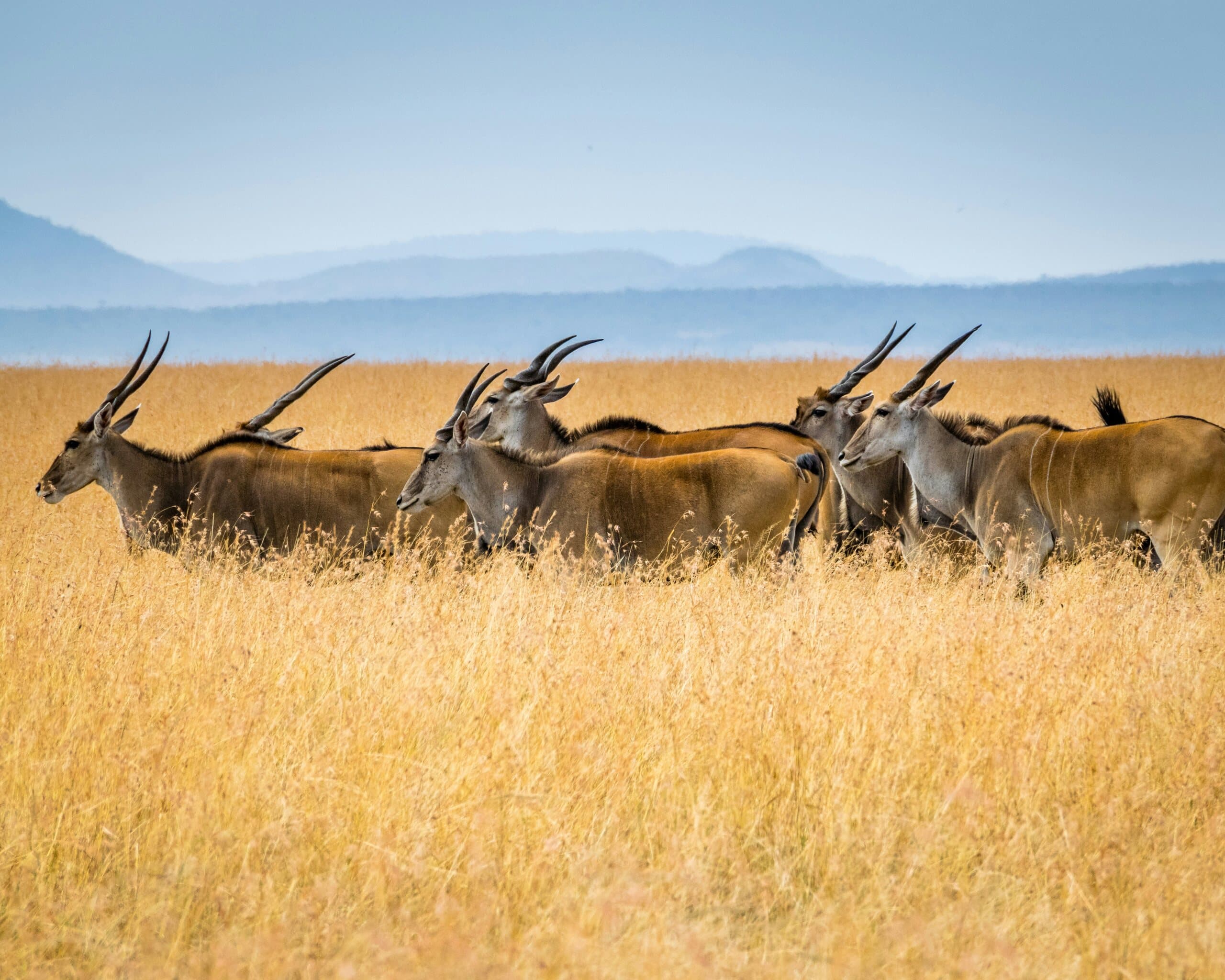
Leopards, servals, aardvarks and bush babies: a different cast after sunset, impossible inside the national reserve.
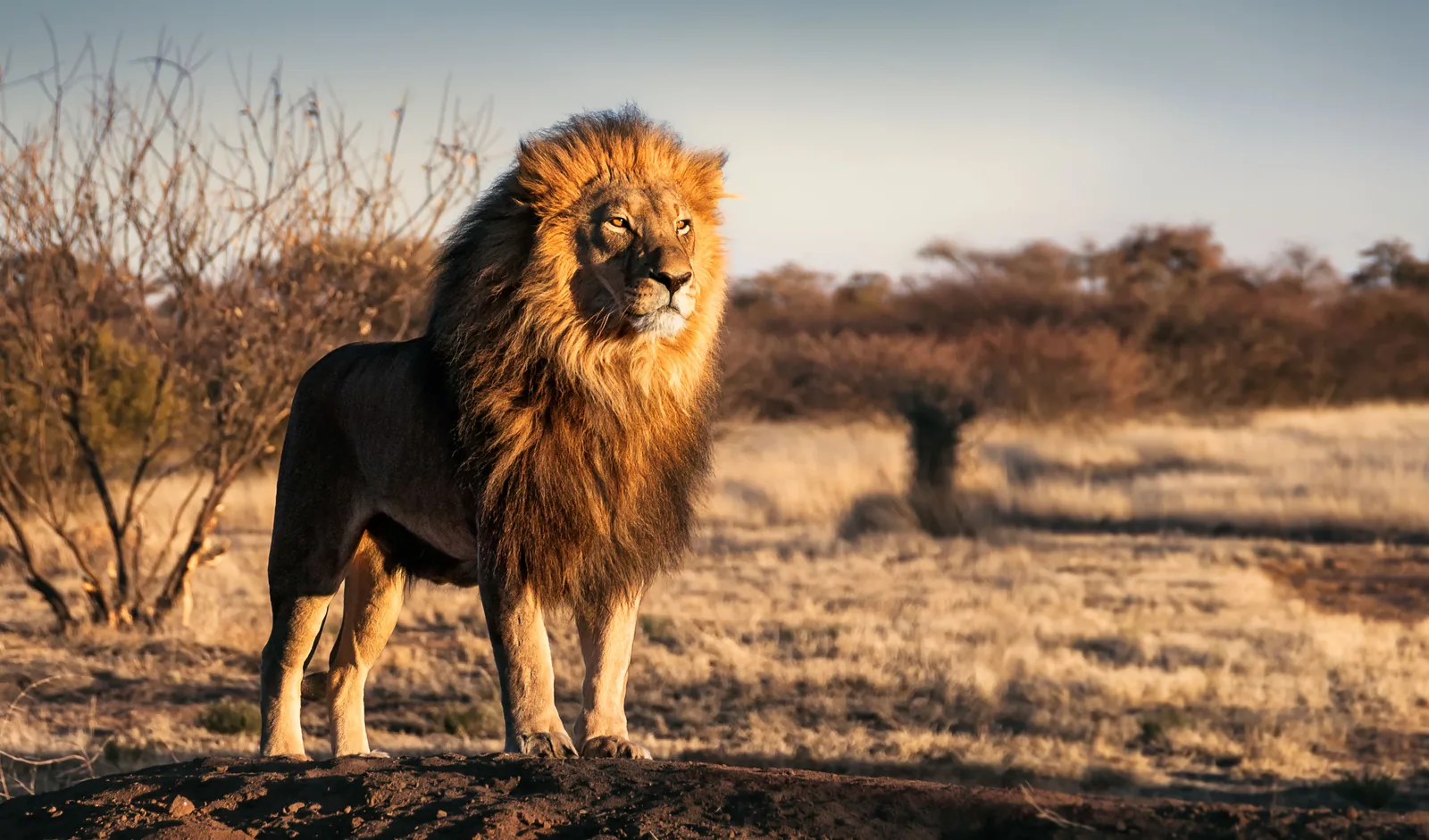
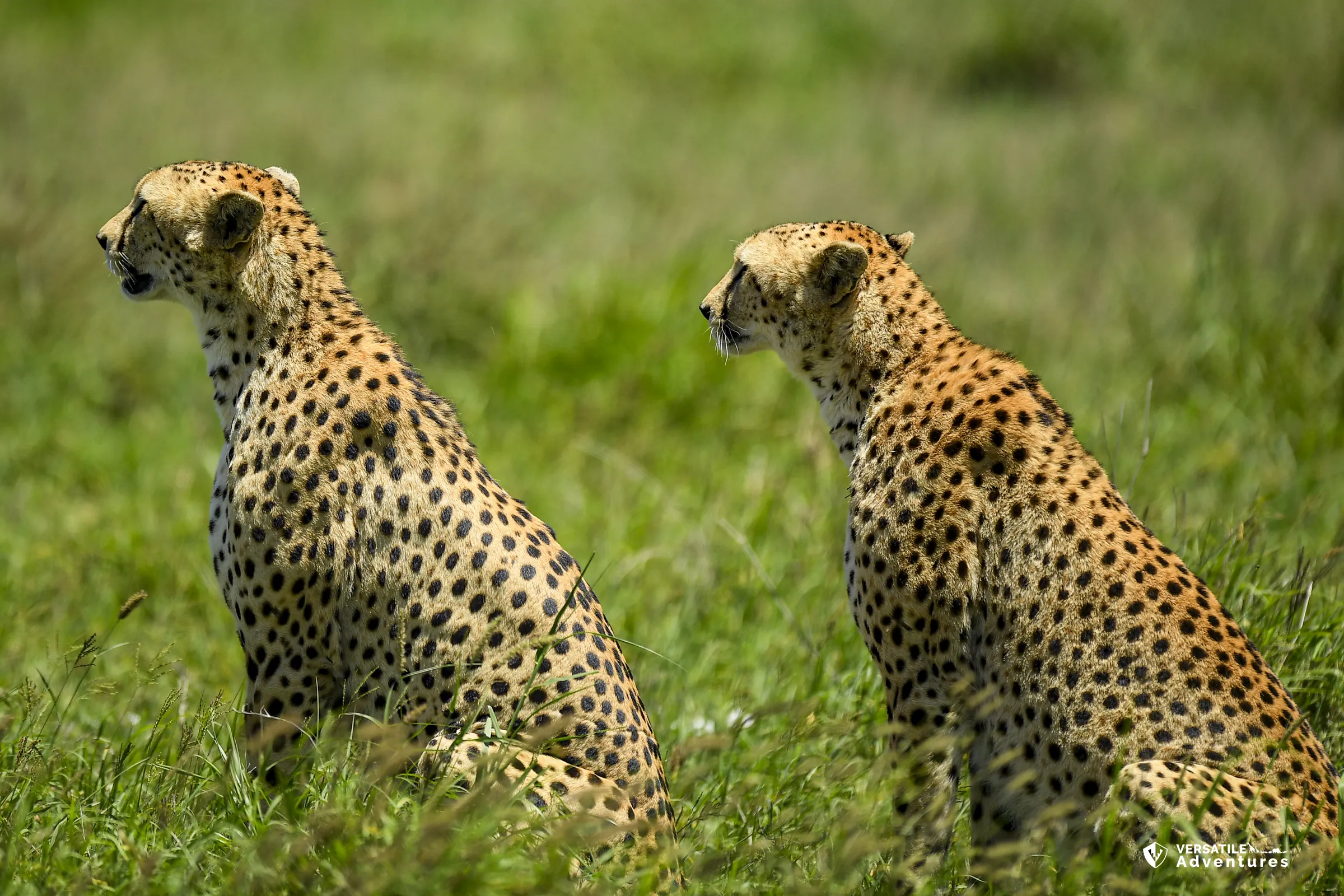
Few places let you spend a whole morning with one lion pride the way the Mara conservancies do. The conservancies are land leased from Maasai families, who earn income from every guest night, and that income keeps the land open for wildlife instead of fences and farms. Camps limit how many vehicles join a sighting, so you are often alone with a cheetah family or a leopard in a tree. Your guides are Kenyan and many are Maasai, and they know individual cats, their territories and their habits from years of daily drives.
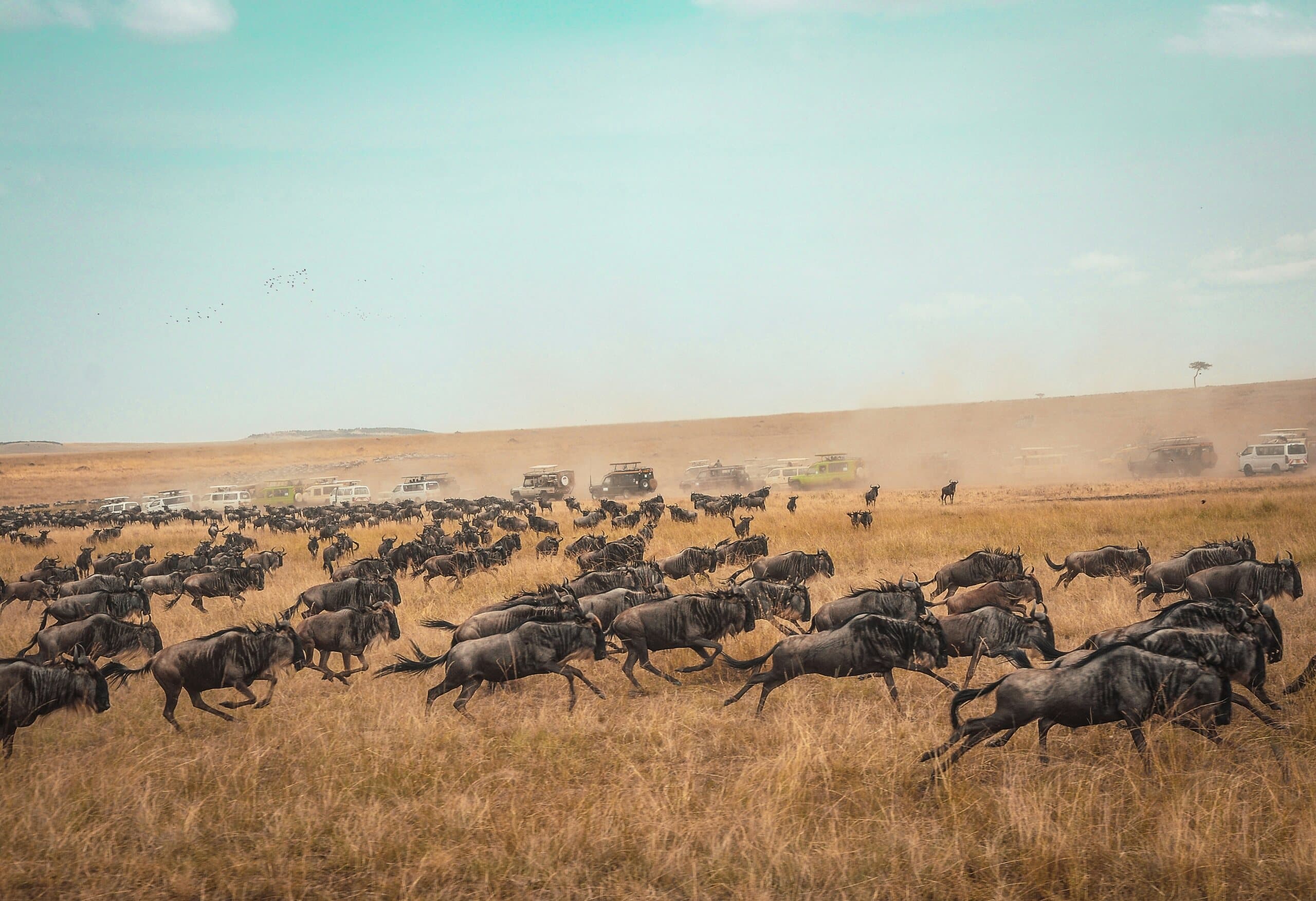
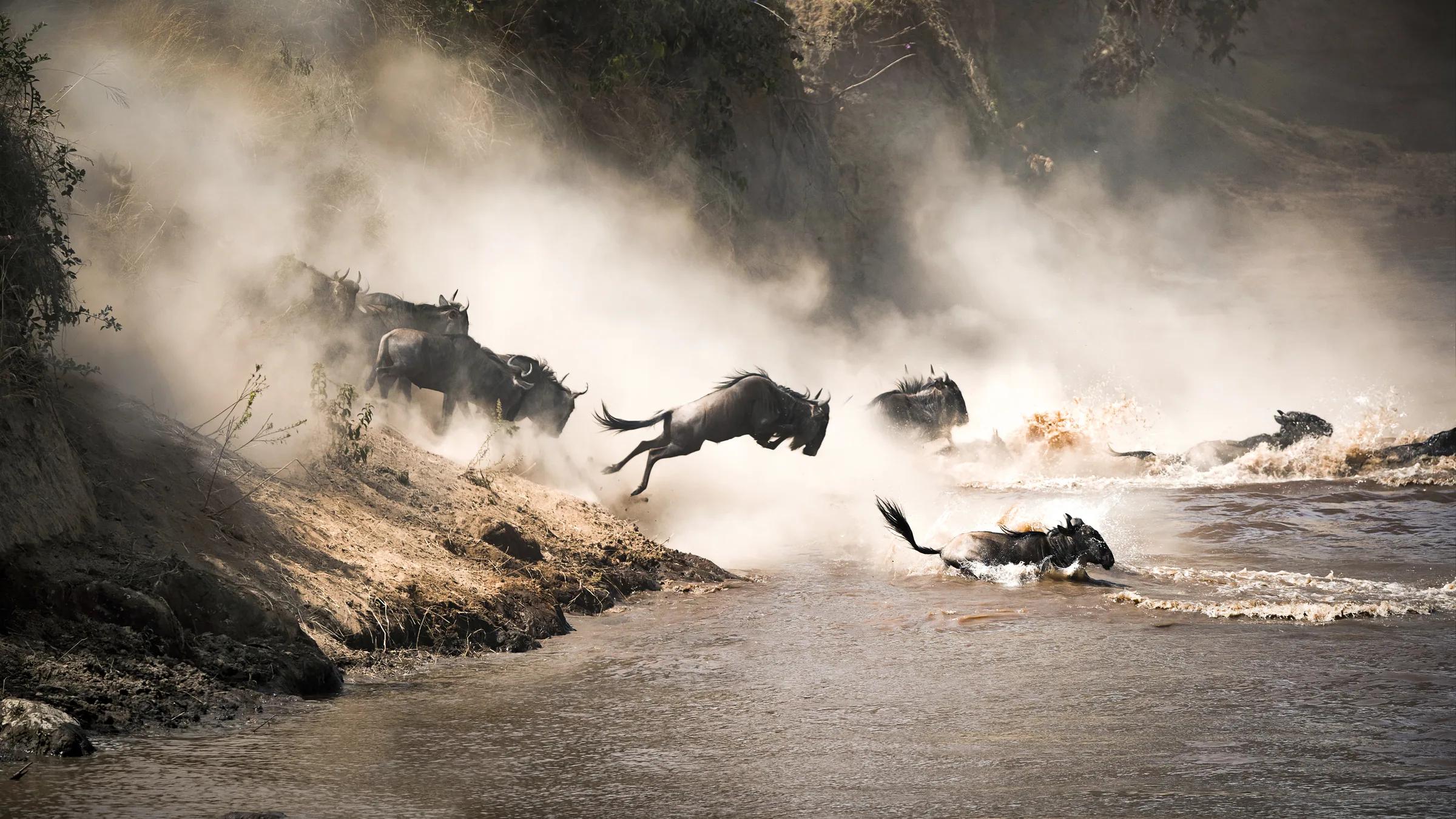
The Mara conservancies, such as Mara North, Olare Motorogi and Naboisho, sit along the northern and eastern edges of the national reserve. Lions and cheetahs are seen year-round. January to March brings short grass, which makes cheetahs and hunting lions easier to spot. July to October adds the migration herds and more hunting, along with more visitors in the reserve. The green season, usually April to June, is quieter and lush, and some camps close during the wettest weeks. Many conservancy camps are small, with a handful of tents, so they fill early in the busy months.
You leave camp at first light, when cats are most active, and follow tracks or alarm calls from birds and antelope. If a cheetah is stalking, your guide will wait as long as it takes, sometimes hours. Midday is for rest at camp. In the late afternoon you head out again, often to a pride you saw in the morning. After dinner, a night drive with a spotlight looks for leopards, servals, genets and hyenas. A walk with a tracker in the cooler hours can show you how guides read footprints.
Bring a long lens of at least 300mm, a beanbag and spare batteries, because sightings can go on for hours. Keep voices low and stay seated when cats are close, and never stand or lean out of the vehicle. Leopards are shy, so treat one as a bonus rather than a promise. Night drives are cold, so pack a warm layer. Ask us about a private vehicle if you want to set your own pace at sightings.
Samburu in the north, where leopards hunt along the Ewaso Nyiro River and you find dry-country animals such as Grevy's zebra and reticulated giraffe, which don't live in the Mara. Laikipia, for wild dogs on some properties and rhinos at Ol Pejeta. Nairobi National Park on your first or last day, for lions with a city skyline behind them. Then take a short flight to Diani or Watamu for a few days of rest on the Indian Ocean.
Kenya Experience is Kenyan-led, with two U.S. companies behind it and Kenyan guides who know the prides. Pay in full or monthly with no deposit, and a specialist replies within two business days.
The conservancies bordering the Maasai Mara hold some of the highest densities of lion and cheetah in Africa, with the freedom to drive off-road, out after dark and on foot with a tracker. Guides know the prides by name.
The Maasai Mara and the conservancies around it hold some of Africa's highest lion densities, and lions are seen there on most days. Samburu, Laikipia and Nairobi National Park also have lions.
Leopards live in the Mara's riverine forest and rocky areas, in Samburu along the Ewaso Nyiro River, and at Lake Nakuru. Night drives in the conservancies give you a better chance.
The reserve is public land run by Narok County, where vehicles stay on tracks in daylight. Conservancies are private land leased from Maasai landowners, with limits on vehicles and activities like night drives and walks.
Cheetahs are seen year-round, but the short grass of January to March and the dry months of July to October usually make them easiest to find.
Panga
Panga means plan. Tell us who is going and what you love. A Kenya specialist replies within two business days.