Wildlife. Updated November 2026. 3 min read.
A cheetah sprinting across open grass is one of the great sights of any safari, and Kenya's Maasai Mara is one of the best places in the world to see it. The Mara and its community conservancies have the open, short-grass plains this cat needs, while Laikipia, Samburu, Tsavo East and Amboseli have smaller numbers. Cheetahs hunt by day, so you can watch them at work in good light.
The best places for cheetahs
- Maasai Mara National Reserve: open plains with plenty of gazelles, and the best cheetah viewing in Kenya
- Mara conservancies such as Naboisho, Olare Motorogi and Mara North: fewer vehicles at each sighting, which matters for a cat this sensitive
- Laikipia and Samburu: cheetahs in drier, bushier country, seen less often but with few other vehicles around
- Tsavo East: big open plains in the south of the park, where cheetahs are present but spread thin
- Amboseli and Nairobi National Park: occasional sightings, never something to count on
When to go, and what time of day
The dry seasons, usually June to October and January to March, are best. Short grass makes cheetahs easier to spot and gives them a clear view for hunting. During the migration months, usually July to October, the Mara is busy with prey and vehicles alike, so a conservancy can give you a calmer sighting.
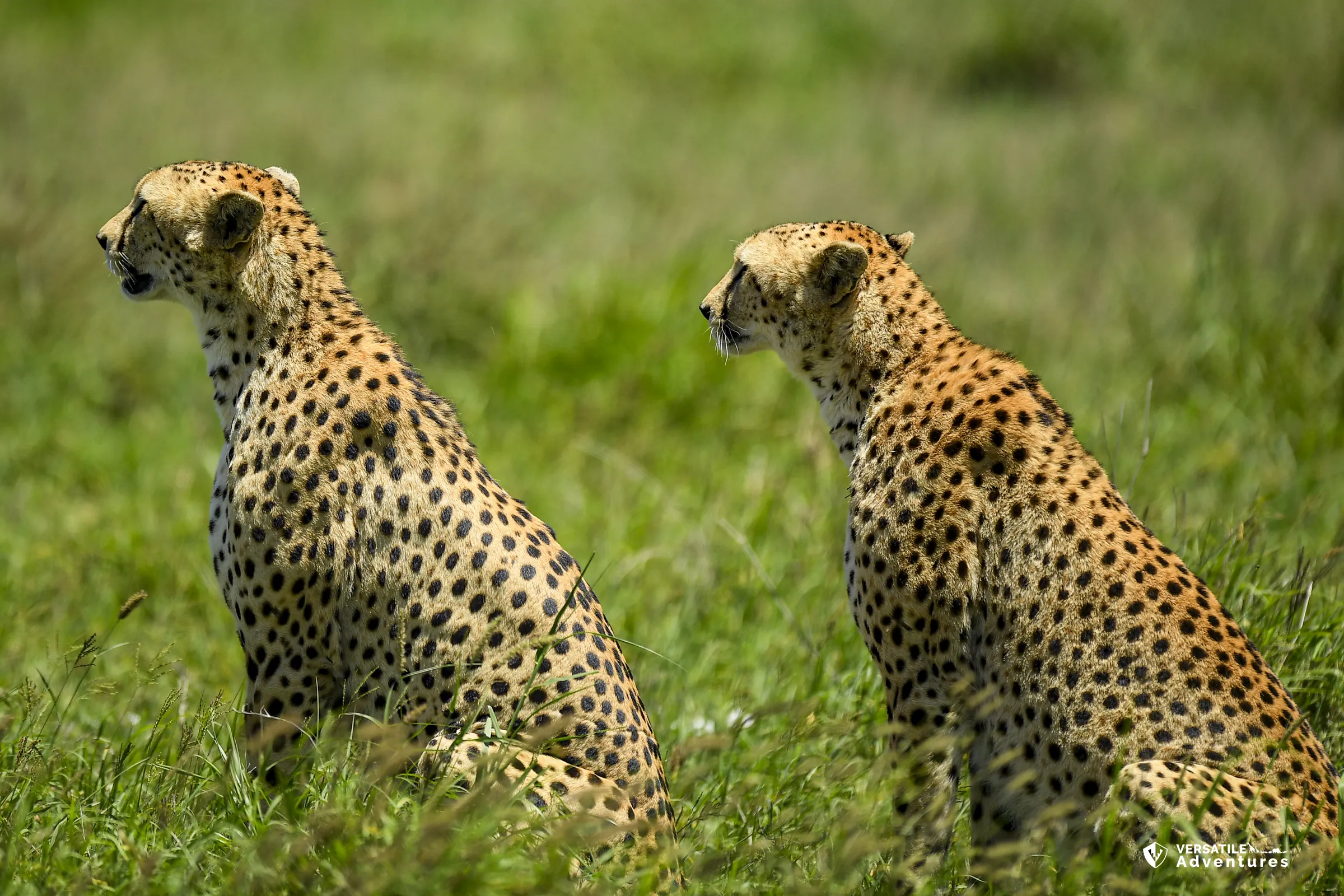
Cheetahs avoid competition with lions and hyenas by hunting in daylight, most often in the morning and late afternoon. They rest in the heat of midday. Scan for a slender, long-legged cat sitting upright on a termite mound, a fallen tree or a low rise, where it looks for prey.
How guides find cheetahs
- Looking for gazelles and impala that have stopped grazing and are all watching one spot
- Scanning raised ground, where cheetahs sit to look out over the plain
- Checking the same open areas over several days, since some cheetahs keep to a home area for a while
- Sharing news of sightings with other guides, within the vehicle limits that protect the cat
Cheetah behavior worth knowing
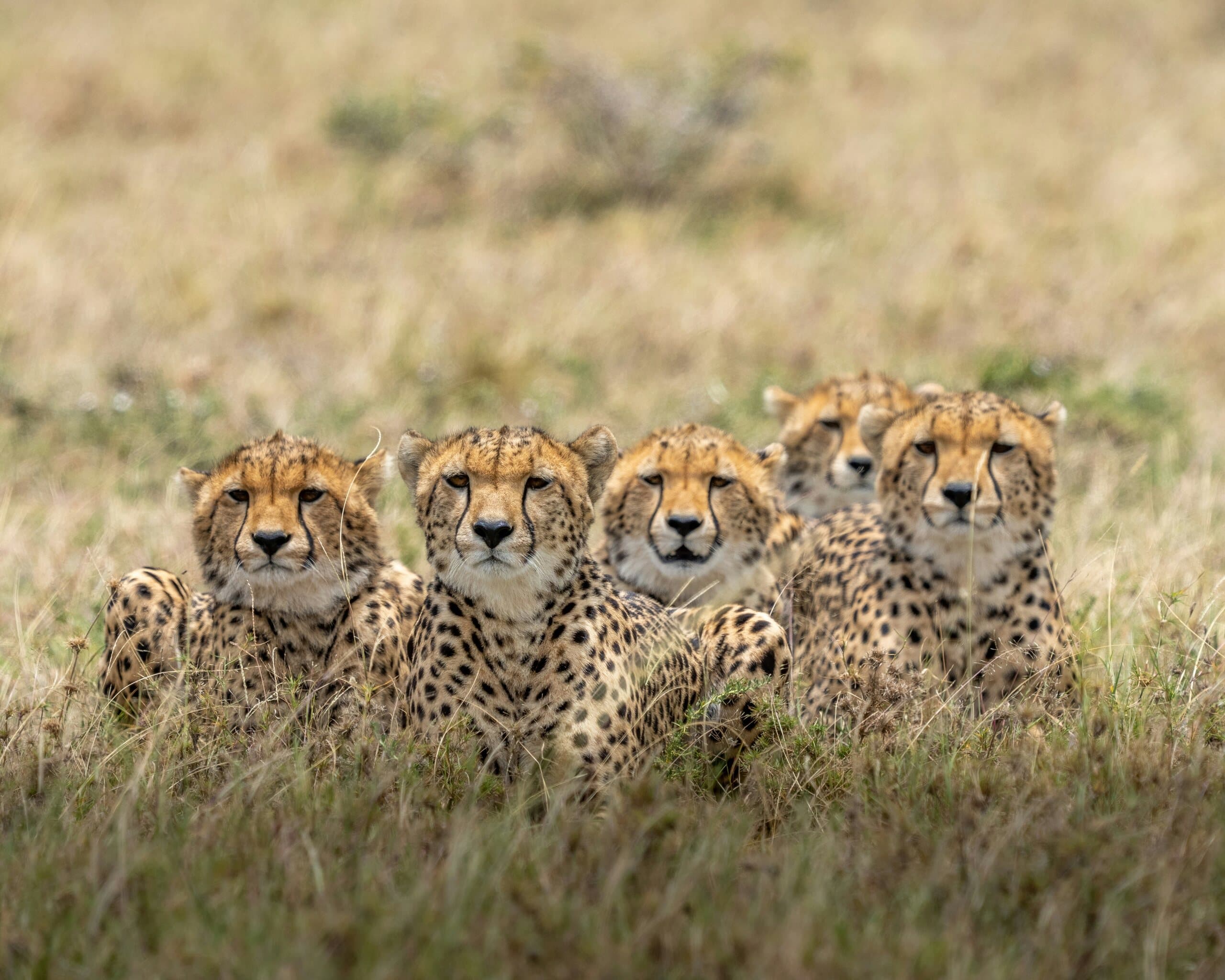
Cheetahs are built for short sprints of around 60 miles an hour, which they can hold for only a few hundred yards. They stalk as close as they can, then chase, trip the prey and hold it by the throat. Most hunts fail. A cheetah is exhausted after a chase and often loses its kill to lions, hyenas or vultures. Females live alone and raise cubs for about a year and a half, moving them often to keep them hidden. Males sometimes live in coalitions, usually brothers, that hold a territory together. Cheetahs do not roar; they chirp, and you may hear a mother calling her cubs.
Cheetahs in Kenya today
The IUCN lists the cheetah as Vulnerable, and Kenya's numbers are a real concern. The 2025 national wildlife census estimated about 600 cheetahs, far fewer than the 2021 estimate, though the report notes that differences in counting methods explain part of the gap. Cheetahs need huge areas, and most of their range lies outside parks, where farms, fences and settlements break it up. Conflict over livestock, road deaths and the illegal trade in cubs as pets add to the pressure. Groups such as Action for Cheetahs in Kenya work with communities to keep land open for them.
Watching cheetahs ethically
- Keep well back from a hunting cheetah; a vehicle in the wrong place can ruin a chase the cat badly needs
- Never drive between a cheetah and its prey, or follow a chase
- Do not encourage a cheetah to climb onto a vehicle; if it does, stay still and quiet and let the guide handle it
- Respect vehicle limits, such as the Mara Triangle's 10-minute rule when more than five vehicles are waiting
- Leave a mother with small cubs plenty of room
Photography tip: when a cheetah starts to stalk, switch to burst mode, set a shutter speed of 1/2000 second or faster and track the cat with continuous focus. Between hunts, focus on the face: the black tear marks running from the eyes make strong close portraits.