Wildlife. Updated November 2026. 3 min read.
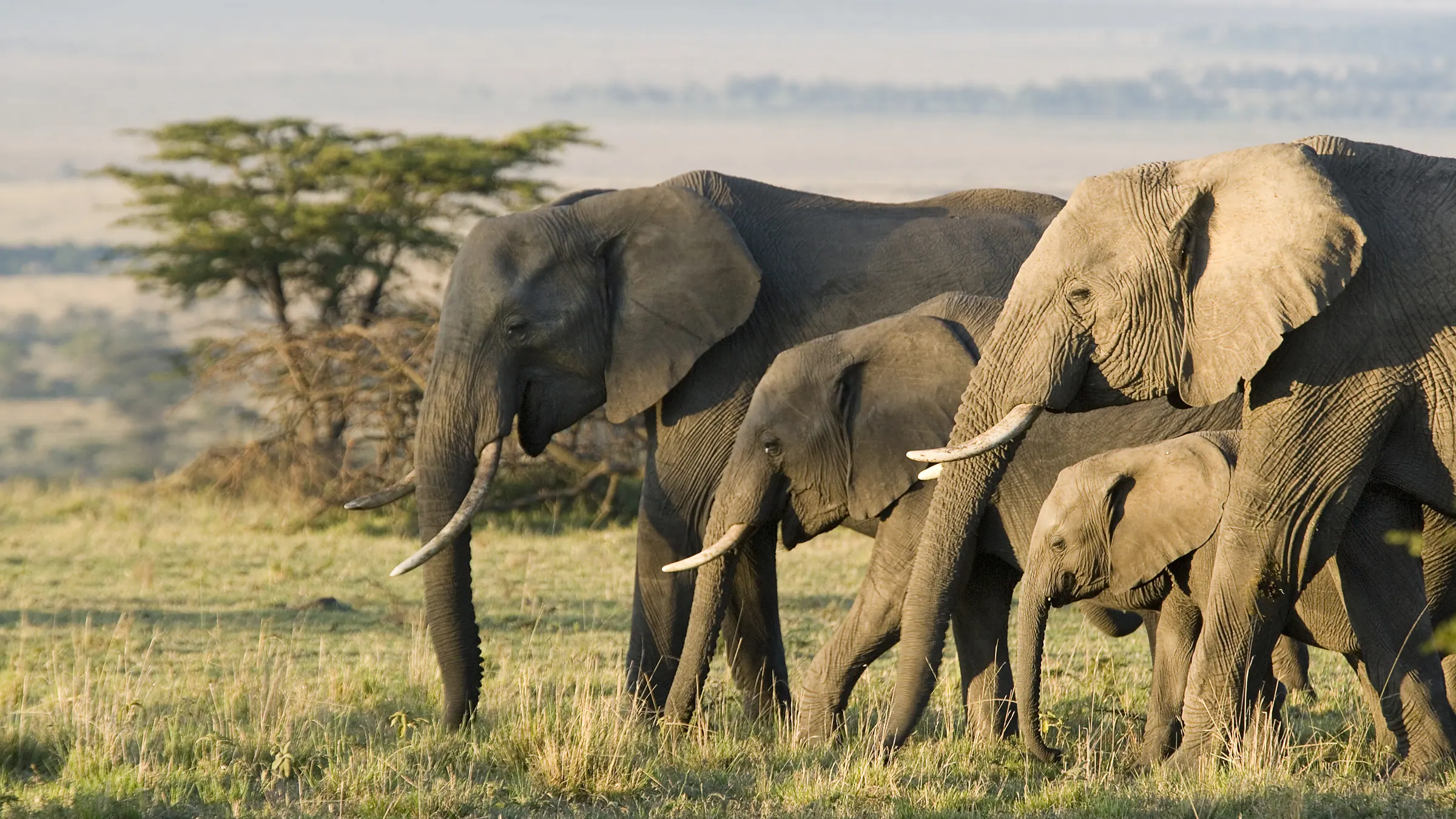
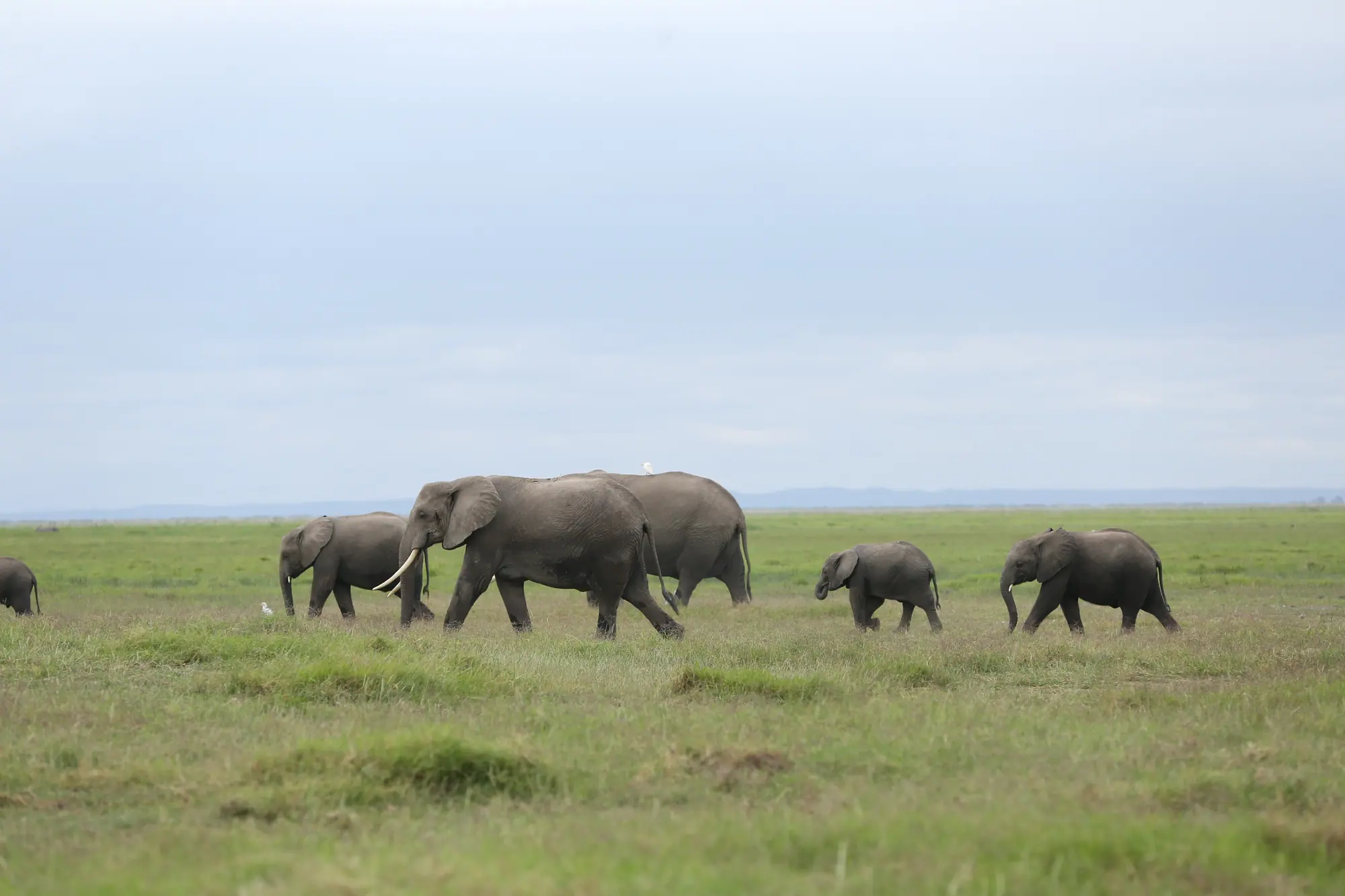
Kenya is one of Africa's great elephant countries, and one of its success stories: elephant numbers have climbed since poaching fell. Amboseli National Park is the best place to see them, with large, relaxed families walking beneath Kilimanjaro, while Tsavo East and Tsavo West hold Kenya's largest population and Samburu brings herds to the river in the dry north. In these parks elephants are among the most reliable sightings of any safari.
The best parks for elephants
- Amboseli National Park: families feeding in the swamps with Kilimanjaro behind them, best seen early on clear mornings
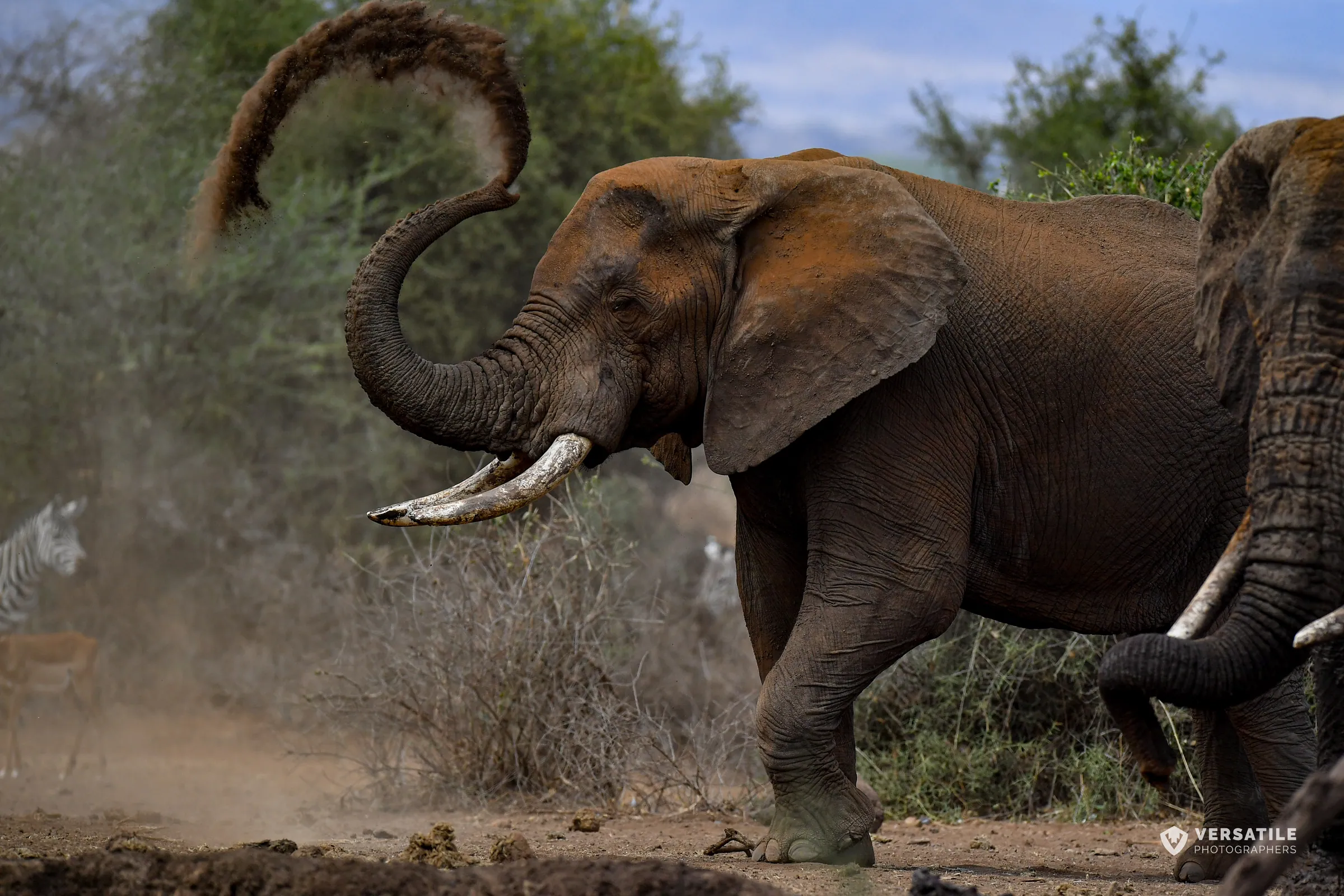
- Tsavo East and Tsavo West: huge wild parks where elephants dust themselves with red soil, and home to some of Africa's last big tuskers
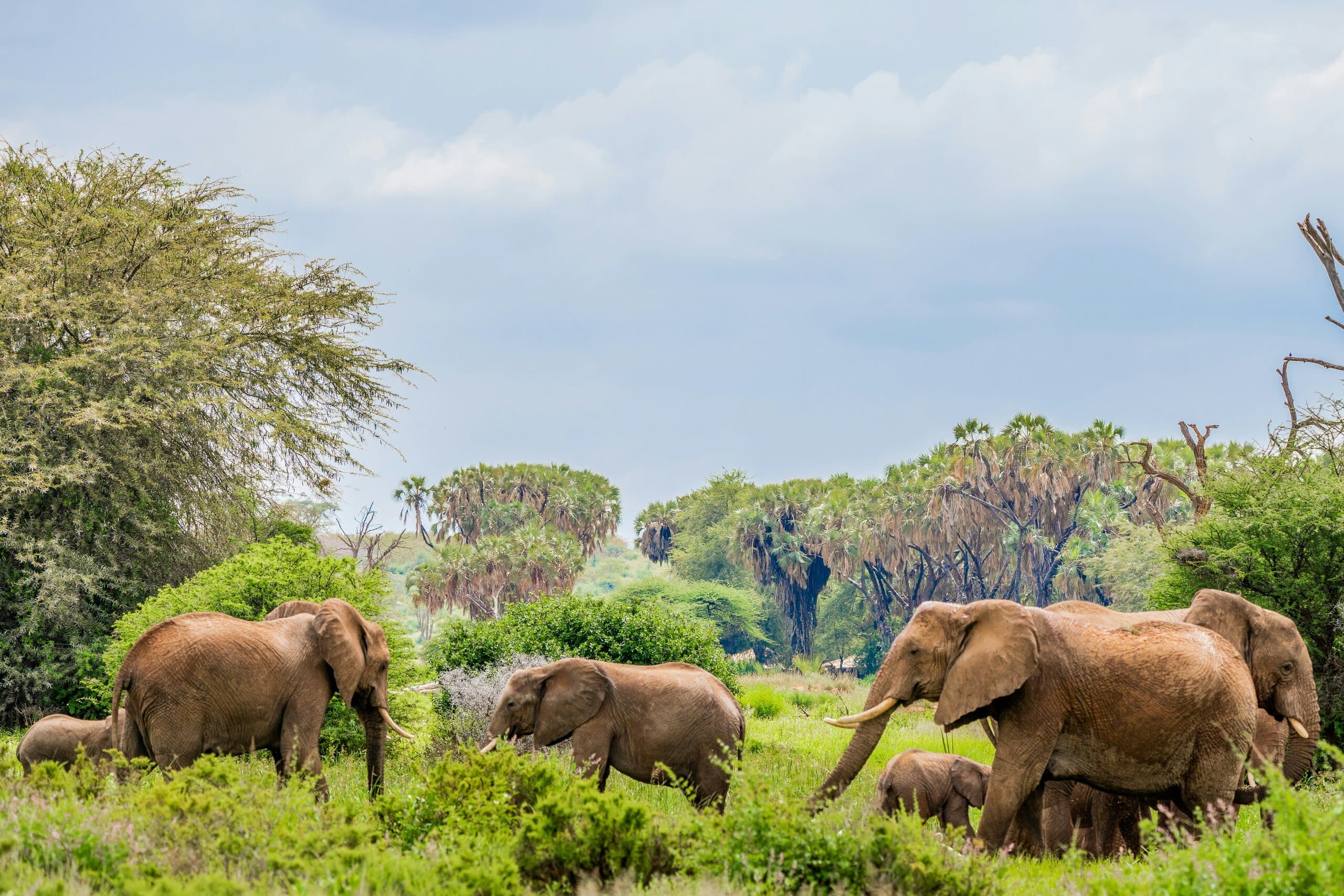
- Samburu and Buffalo Springs: herds drinking and crossing the Ewaso Ng'iro river, especially in the dry season
- Maasai Mara and its conservancies: elephants in the woodland and along the rivers, with the cats and the migration
- Ol Pejeta, Lewa and Laikipia: elephants moving between the plains and Mount Kenya's forests
- Nairobi: the Sheldrick Wildlife Trust's orphan nursery in Nairobi National Park opens to visitors for one hour a day, by advance booking
When to go, and what time of day
The dry seasons, usually June to October and January to March, are best. Water becomes scarce, so herds gather at swamps, rivers and waterholes. In the rains elephants spread out into the bush and can be harder to find, though the green landscapes are beautiful.
In Amboseli, Kilimanjaro is most often clear at dawn and again in the late afternoon; cloud usually covers it by mid-morning. Many families walk out of the bush into the swamps in the morning and leave again toward evening, so both ends of the day can bring good crossings. Midday is a good time to wait at water anywhere.
How guides find elephants
- Fresh dung and broken branches show which way a herd has gone, and how recently
- Well-worn elephant paths lead to water, and guides wait where they meet it
- Rumbles and the crack of branches carry far on a still morning
- In Samburu and Tsavo, guides watch the riverbanks and the waterholes through the heat of the day
Elephant behavior worth knowing
An elephant family is led by its oldest female, the matriarch, who remembers where to find water in a drought. Daughters stay with the family for life; young males leave as teenagers and join loose groups of bulls. Amboseli's elephants have been studied continuously since 1972, one of the longest studies of wild elephants anywhere. Learn the warning signs. A bull in musth has a dark, streaming patch on the side of the head, may dribble urine and can be unpredictable. An elephant that spreads its ears, shakes its head or kicks dust toward you is asking for space. Calm flapping of the ears is just cooling.
Elephants in Kenya today
The IUCN lists the African savanna elephant as Endangered. Kenya's story is a hopeful one: the 2025 national wildlife census counted more than 40,000 elephants, up from 36,280 in 2021, after poaching fell sharply over the last decade. Kenya publicly burned its ivory stockpiles in 1989 and again, on a far larger scale, in 2016, to show the world that ivory has no value except on a living elephant. The threats now are mostly about space. Many elephants live outside parks, where farms, fences, roads and settlements block their old routes and raids on crops lead to conflict. Droughts, such as the severe one in 2022, also take a heavy toll. Wildlife corridors and community conservancies are central to their future.
Watching elephants ethically
- Let elephants cross the road in their own time, and never cut through a herd
- Give mothers with small calves and bulls in musth extra room
- Keep the engine running near nervous herds so your guide can move off if needed
- Never ride elephants or visit places that offer it; in Kenya, see orphans at a rescue center that returns them to the wild
Photography tip: bring a wide lens as well as a zoom. The classic Amboseli picture is a family small in the frame with Kilimanjaro behind, taken at first light before the clouds roll in. In Tsavo, a low angle against the sky makes the red elephants glow.