Planning a safari. Updated November 2026. 3 min read.
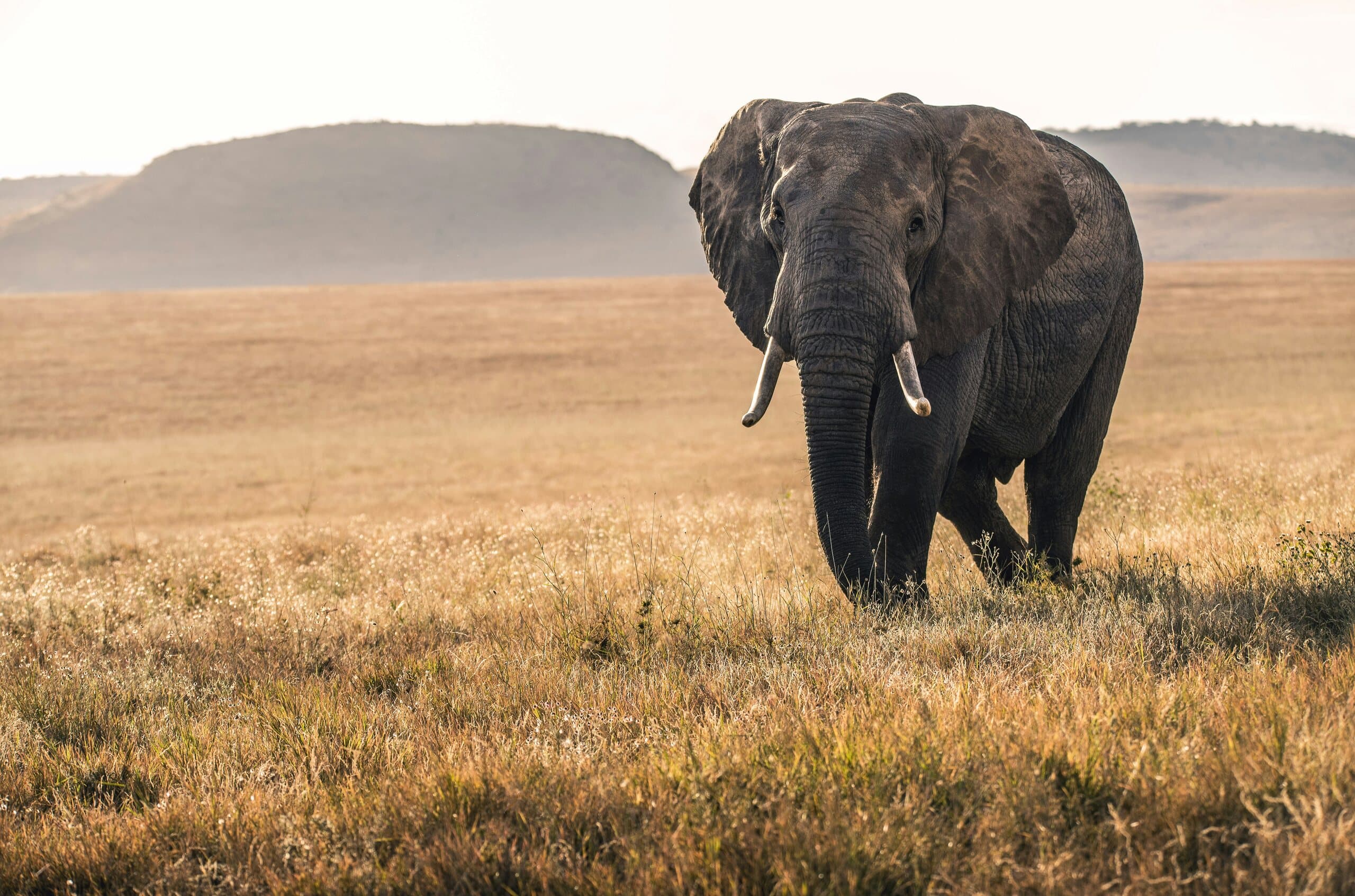
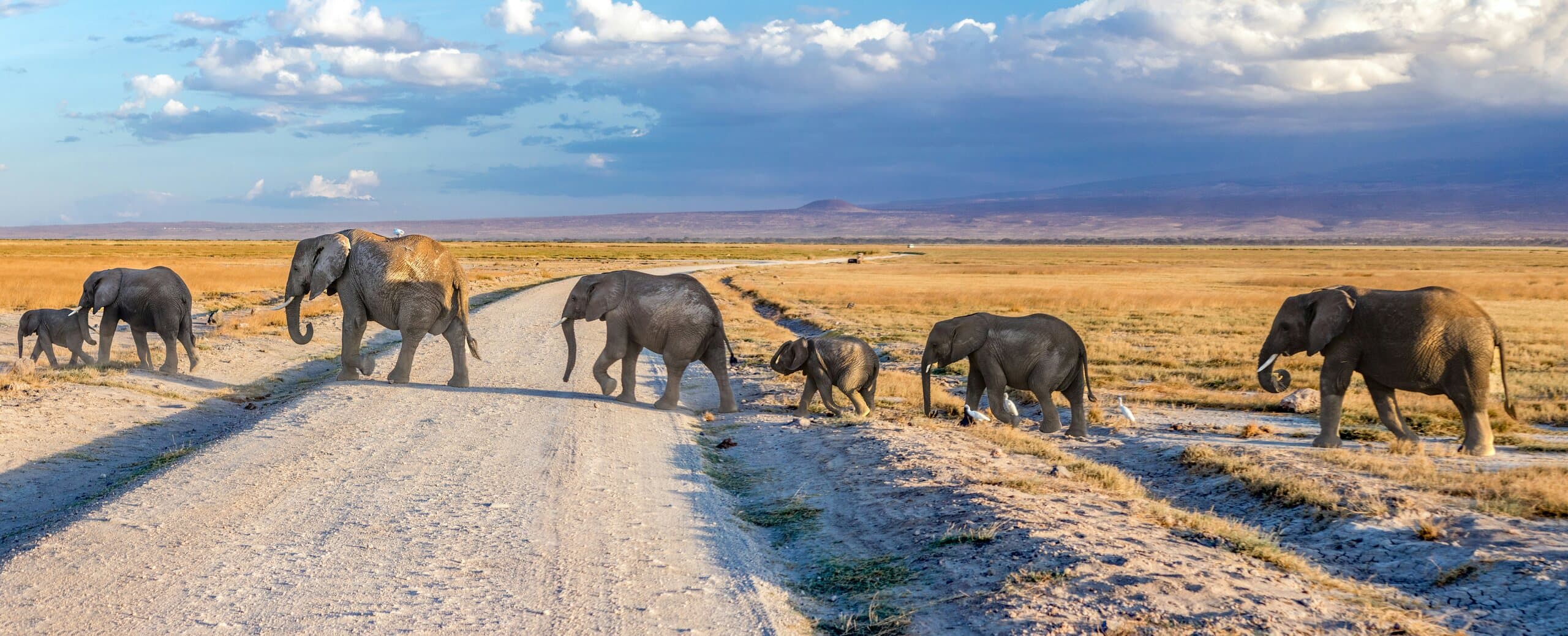
Choose Amboseli for the classic photograph: big elephant families crossing open plains with Kilimanjaro behind them, in a park small enough to see well in two days. Choose Tsavo for scale and solitude: two huge parks of red earth, lava and river, best for travelers who like empty roads and want to finish on the coast. Both are in southern Kenya, between Nairobi and the Indian Ocean, so you can pair great elephant viewing with a beach on one easy route.
Two very different sizes
Amboseli National Park covers about 150 square miles in Kajiado County, close to the Tanzanian border. Tsavo East and Tsavo West, divided by the Nairobi to Mombasa highway and railway, together cover roughly 8,500 square miles, Kenya's largest protected area. Amboseli feels open and easy to read. Tsavo feels like a wilderness you explore, where an hour can pass between sightings and the next one is yours alone.
Wildlife
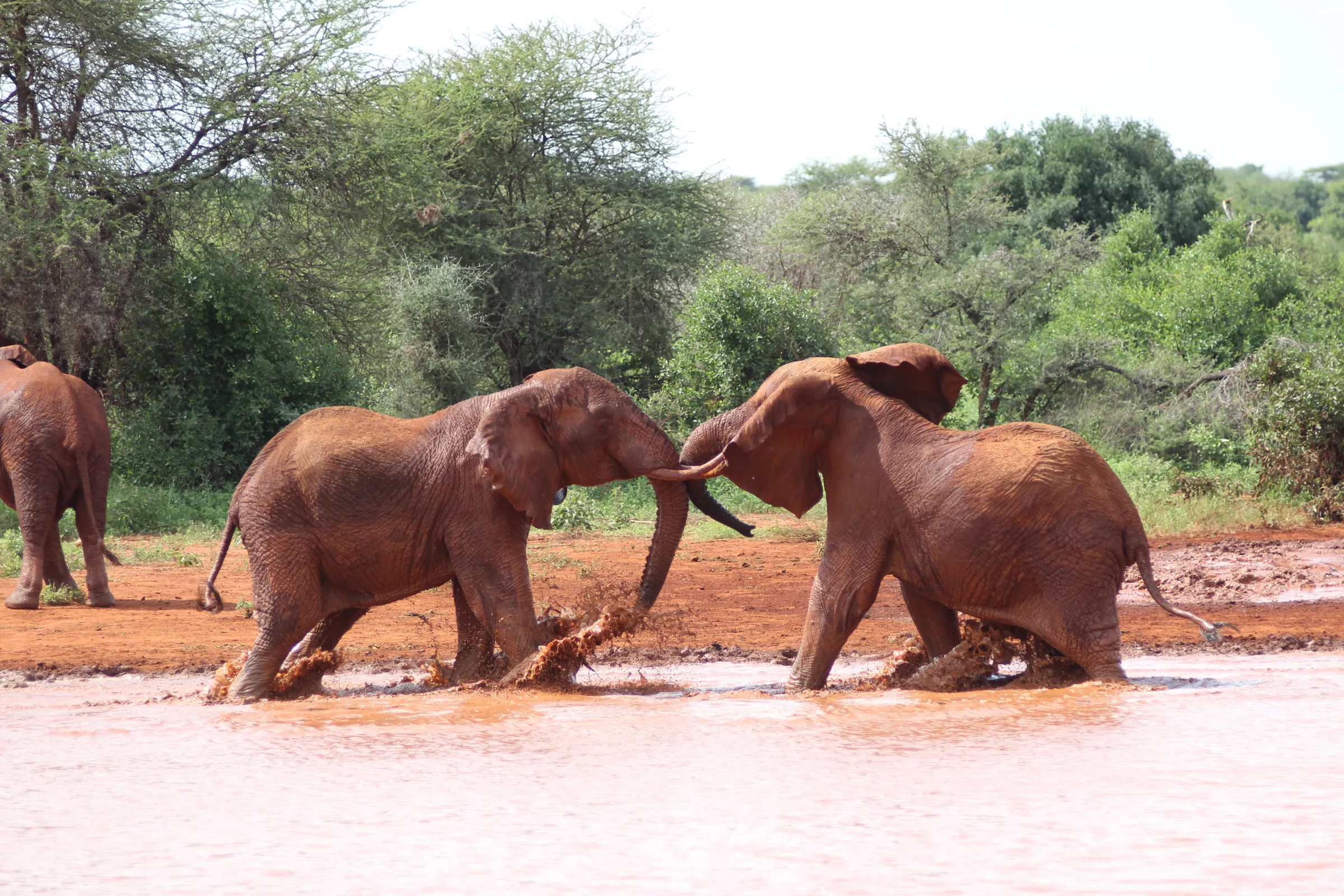
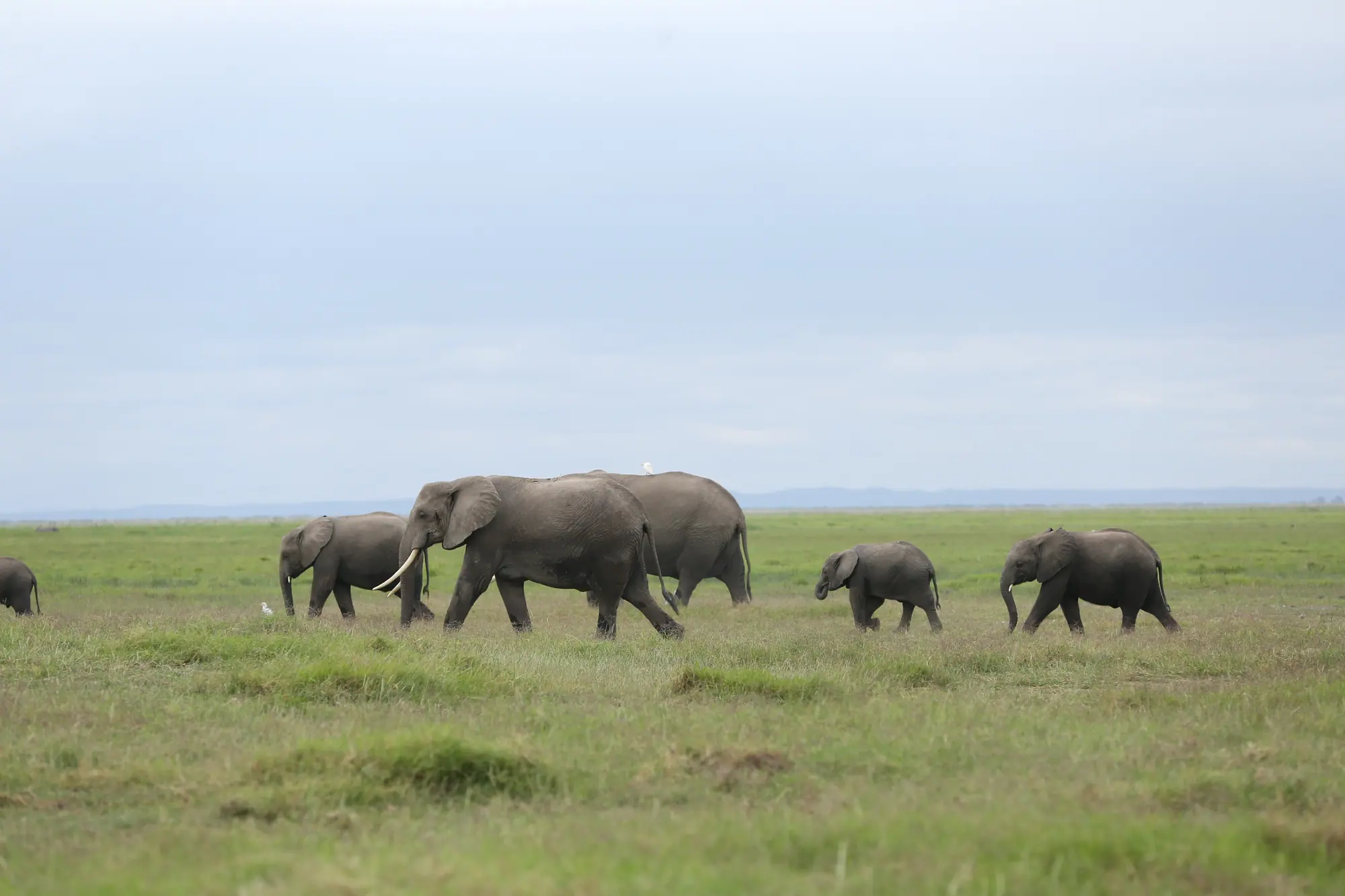
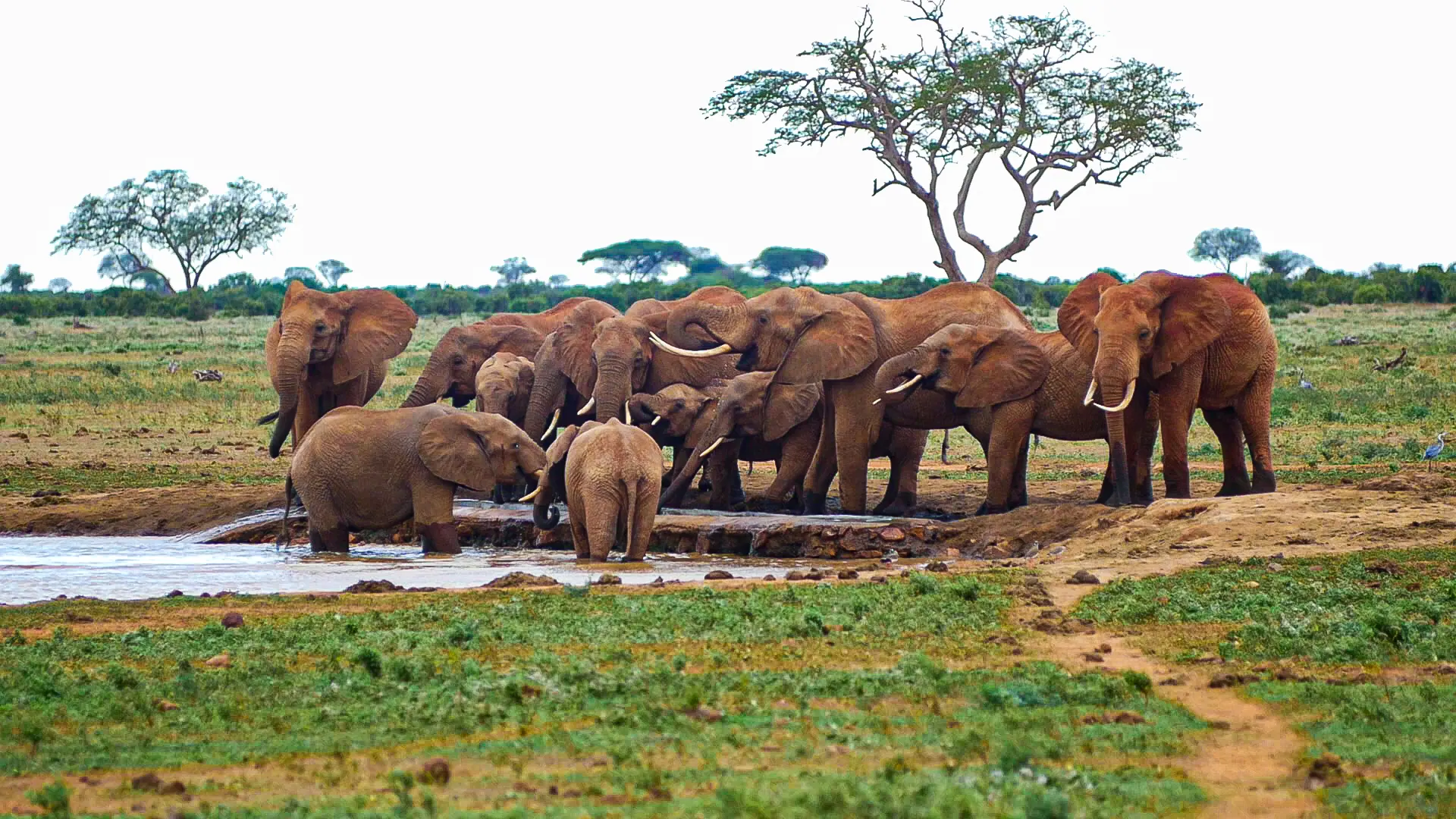
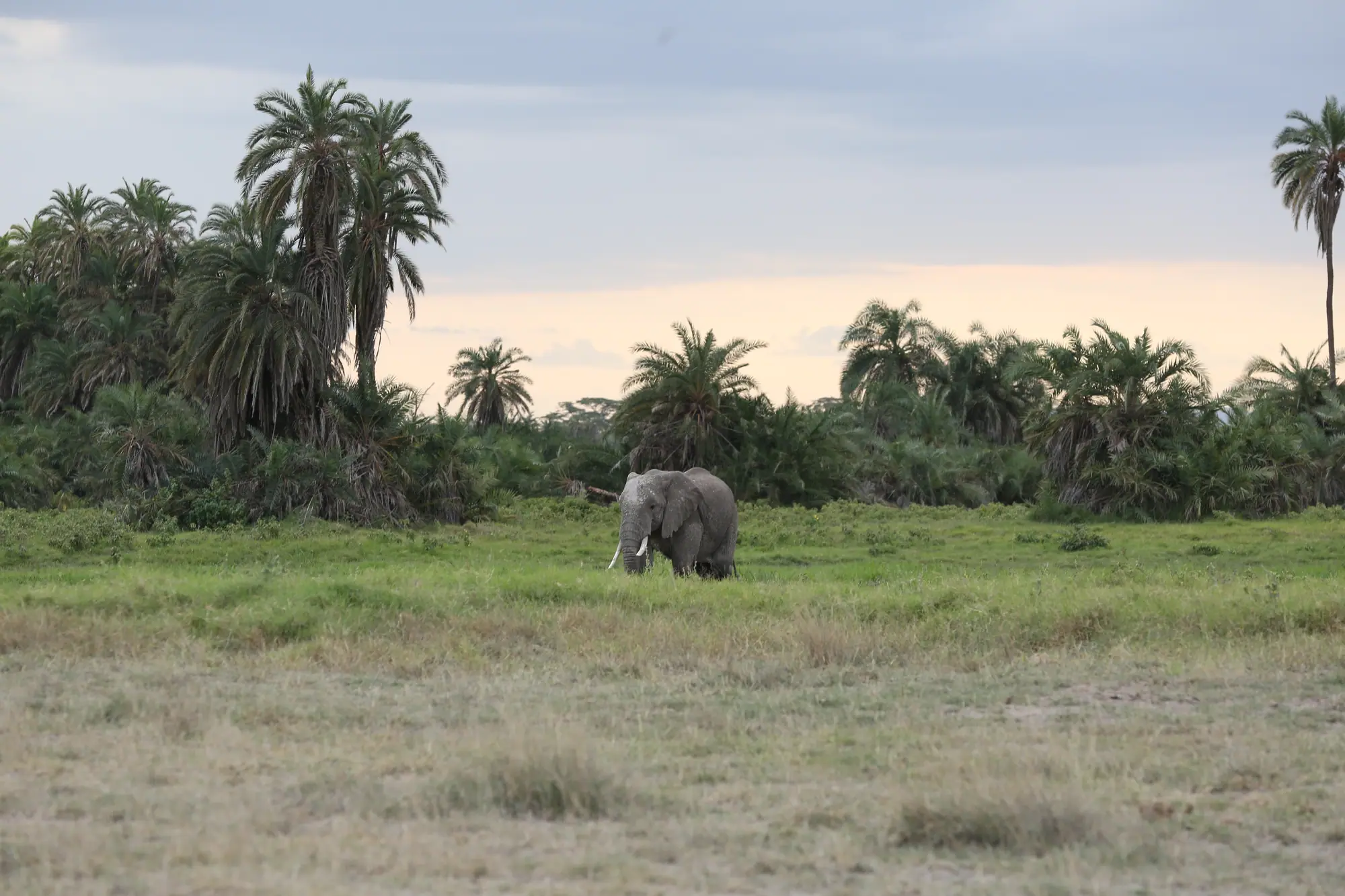
- Elephants: Amboseli's are among the most studied in Africa, with research running since the 1970s, and include big-tusked bulls; Tsavo's large herds are famous for the red coats they get from dusting in the soil
- Predators: lions, cheetahs and hyenas live in both, but Tsavo's thicker bush and huge area make cats harder to find
- Rhinos: Tsavo West has the fenced Ngulia Rhino Sanctuary
- Water life: Tsavo West's Mzima Springs has hippos and crocodiles and an underwater viewing chamber
- Birds: Amboseli's swamps, fed by water from Kilimanjaro, draw waterbirds; Tsavo has a long list of dry-country species
Landscape, crowds and seasons
Amboseli is flat and dusty around a dry lakebed, with green swamps at its heart and Kilimanjaro, in Tanzania, on the horizon. The mountain is often clearest at dawn and late afternoon and can hide in cloud for days. Tsavo West is volcanic and hilly, with the Shetani lava flow and views to the Chyulu Hills. Tsavo East is flatter, drier bush along the Galana River, with the long Yatta Plateau.
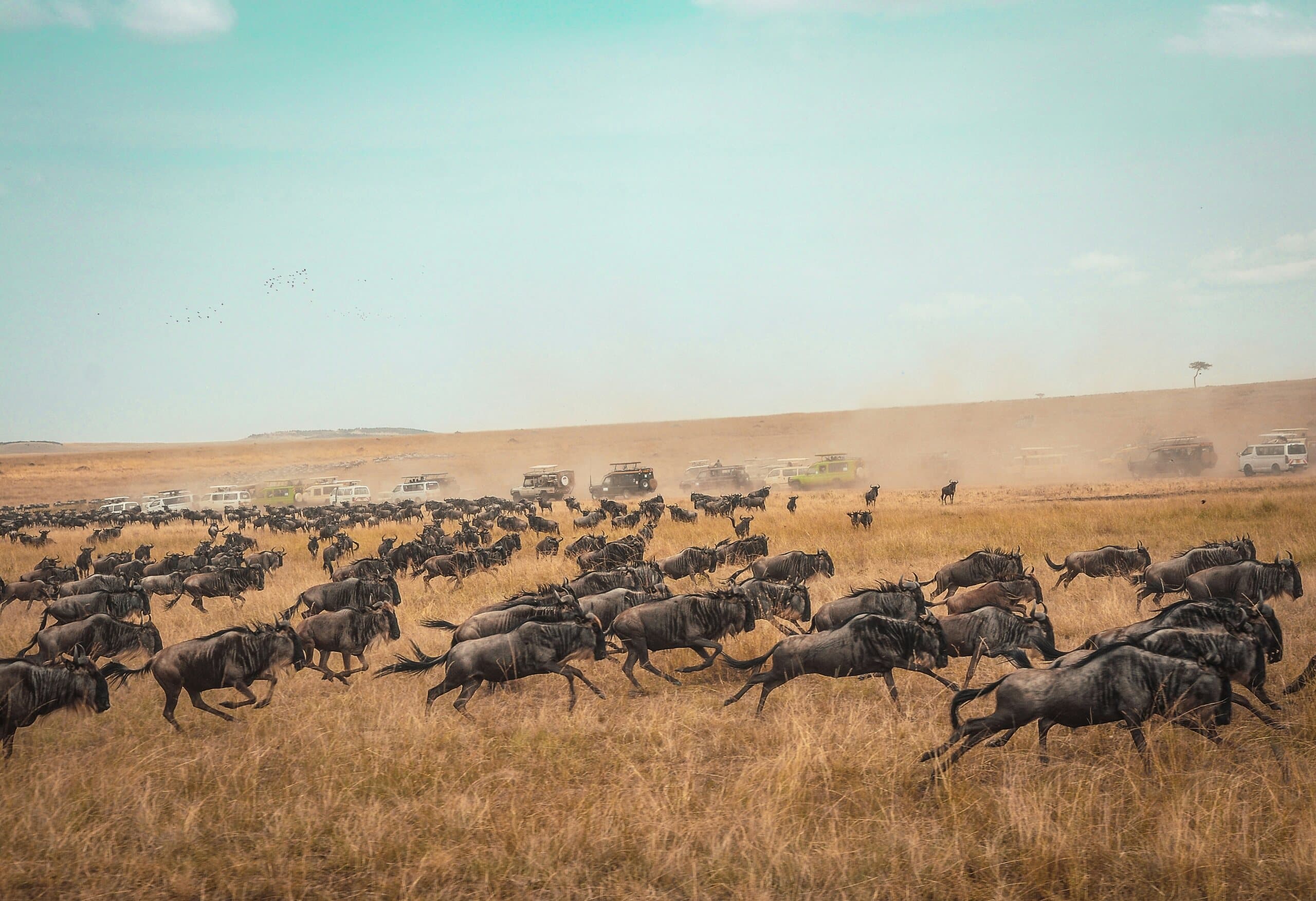
Amboseli is compact, so its best sightings can draw several vehicles in busy months. Tsavo is far quieter. Both are best in the dry seasons, usually June to October and January to February, when animals gather at water. The rains, roughly April to May and November, turn both green and can make some tracks muddy.
Getting there and staying
- From Nairobi: Amboseli is roughly four to five hours by road, or a short flight to the park's airstrip; Tsavo West is a similar drive down the Mombasa highway
- From the coast: Tsavo East is the closest big park to Mombasa, Diani and Watamu, which makes it an easy add to a beach stay
- By train: the Madaraka Express stops at Mtito Andei and Voi, near the Tsavo gates
- Stays: both have lodges and tented camps inside the parks, and Amboseli also has camps on the community lands around it
- Cost drivers: park fees set by Kenya Wildlife Service, the camp you choose and whether you fly; Tsavo's distances mean more time on the road
How to combine them
The two parks sit side by side, so combining them is natural. A classic route runs from Nairobi to two nights in Amboseli, two in Tsavo West, then Tsavo East and down to the coast. That gives you Kilimanjaro, lava country, open bush and a beach in about a week, mostly by road.
Our advice
If you only have time for one and elephants under Kilimanjaro are the dream, choose Amboseli. If you are heading to the coast anyway, want quiet roads and like a sense of discovery, choose Tsavo. If you have a week, do both: together they show you two sides of southern Kenya and lead naturally to the Indian Ocean.
A good way to do it: land in Nairobi on the nonstop from New York, rest a night, drive to Amboseli for two nights, cross to Tsavo West and Tsavo East, and finish with three or four nights in Diani or Watamu. You can ride the Madaraka Express back to Nairobi or fly home from Mombasa with a connection.
Why plan with us: Kenya Experience is Kenyan-led, with two U.S. companies behind it and Kenyan guides on the road with you. Pay in full or monthly with no deposit, and a specialist replies within two business days.