Parks and reserves. Updated November 2026. 3 min read.
Tsavo West is Kenya at its most dramatic: crystal springs full of hippos, black lava fields, volcanic hills and, since 2025, what Kenya Wildlife Service calls the largest rhino sanctuary in the world. Kenya's second-largest national park, it covers about 9,065 square kilometers (roughly 3,500 square miles) west of the Nairobi to Mombasa highway. Where Tsavo East is flat and open, Tsavo West is rugged and scenic.
What makes Tsavo West special
Mzima Springs is the park's showpiece. Water filtered through the volcanic Chyulu Hills rises here in clear pools, and from an underwater viewing chamber you can sometimes watch hippos and fish below the surface. Nearby, the black rock of the Shetani lava flow spreads across the plain, a reminder of eruptions that local communities still tell stories about. The park also keeps traces of the First World War, when British and German forces fought across this country, and of the railway builders who met the famous man-eating lions of Tsavo in 1898.
In December 2025 Kenya opened the expanded Tsavo West Rhino Sanctuary, about 3,200 square kilometers, which Kenya Wildlife Service describes as the largest rhino sanctuary in the world. It grew out of the much smaller Ngulia Rhino Sanctuary at the foot of the Ngulia Hills. Black rhinos are shy and live in thick bush, so sightings are never certain, but your chances are better here than in most parks.
Wildlife and highlights
- Black rhinos in the sanctuary area, best searched for with an experienced guide
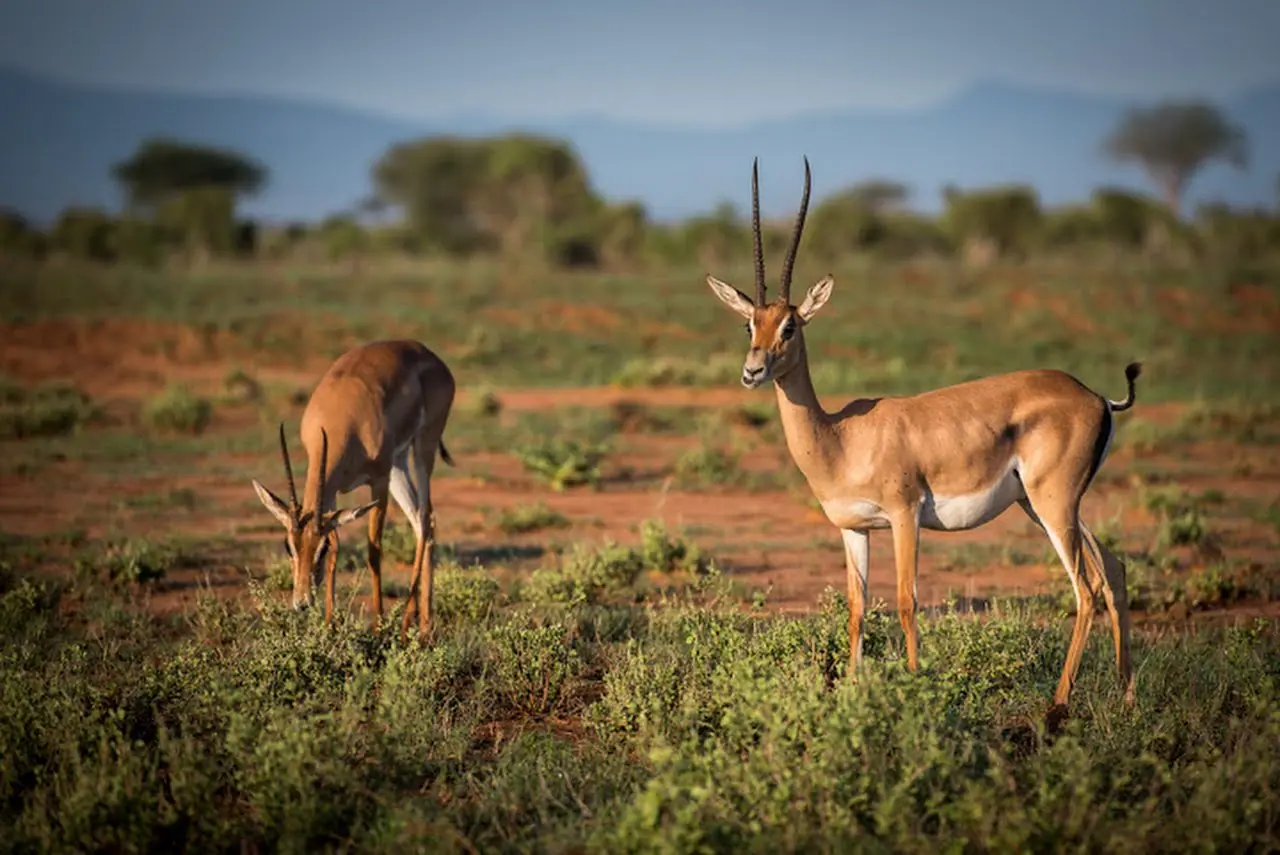
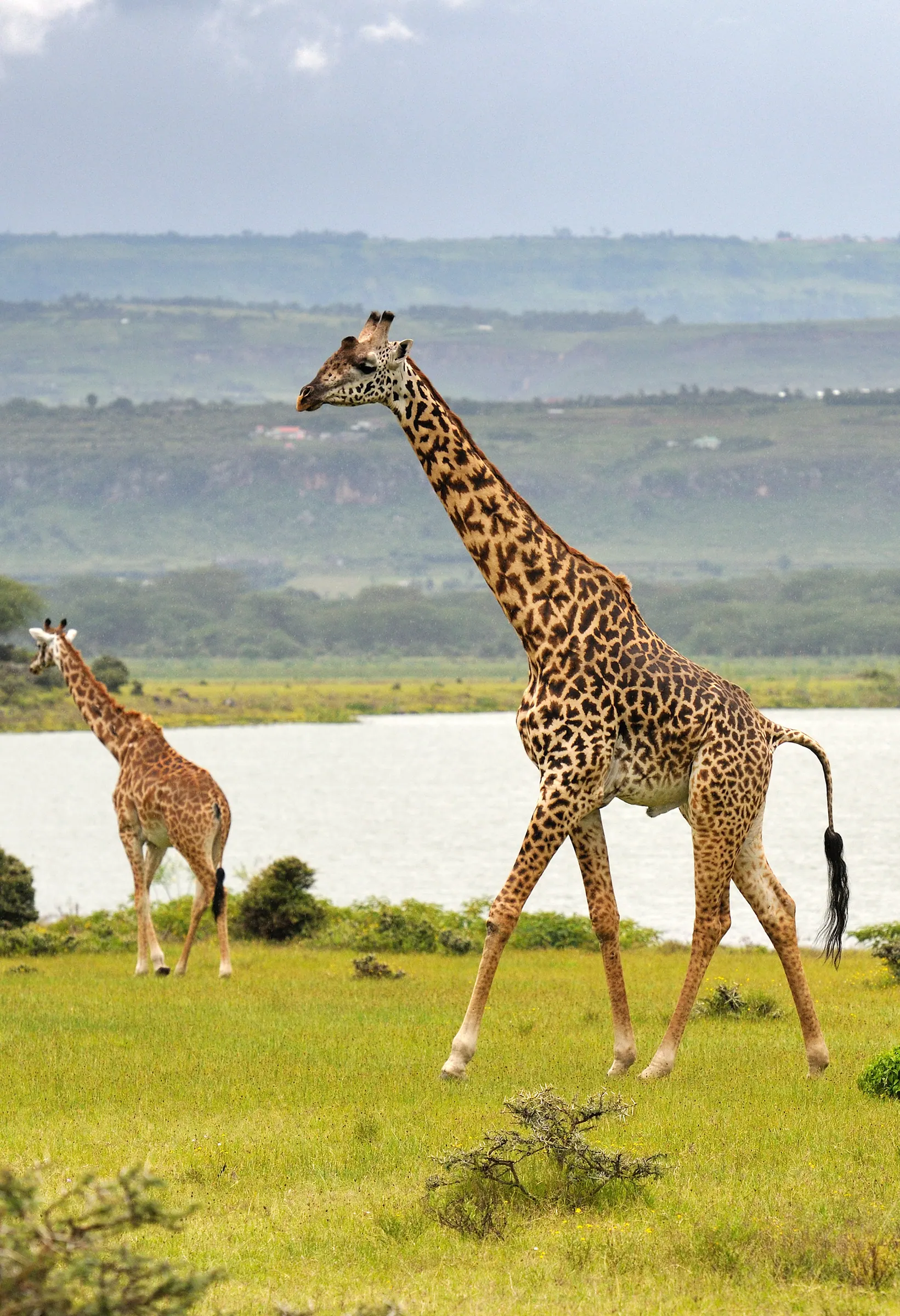
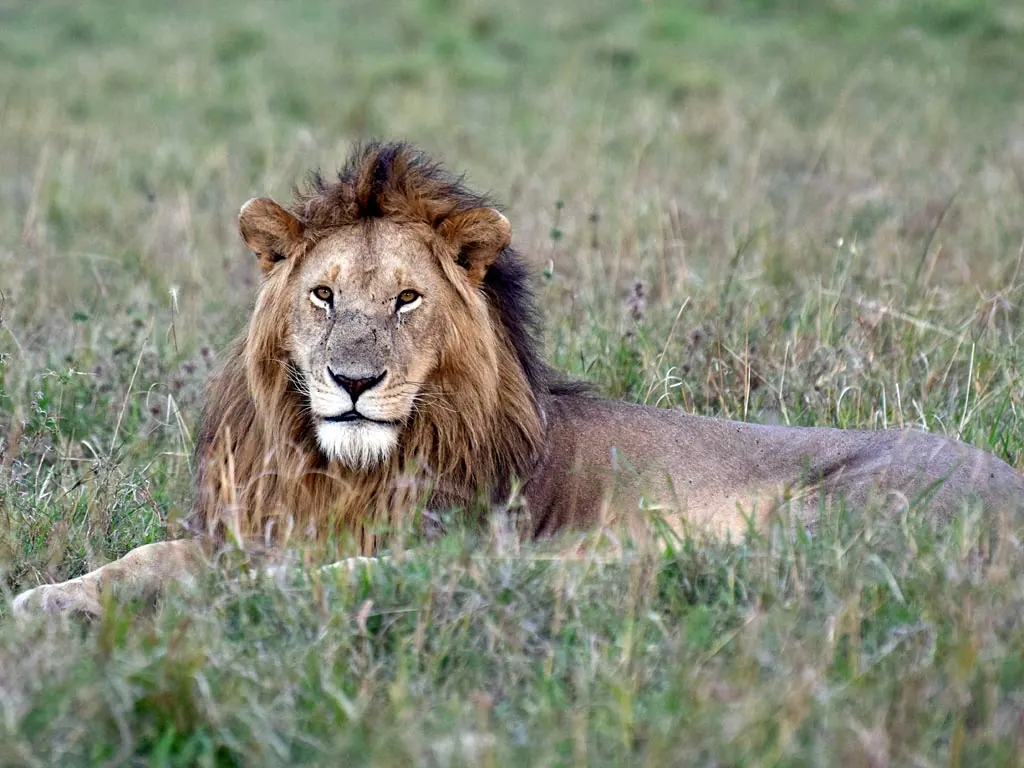
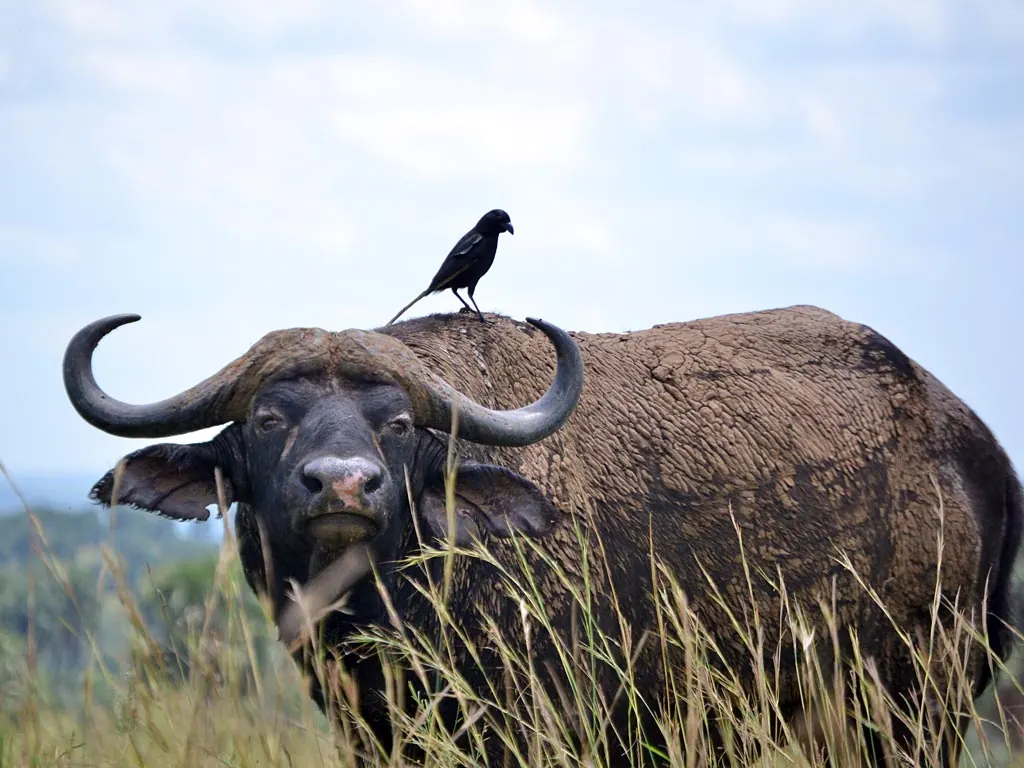
- Elephants, lions, leopards, buffalo, giraffe, zebra, eland and lesser kudu
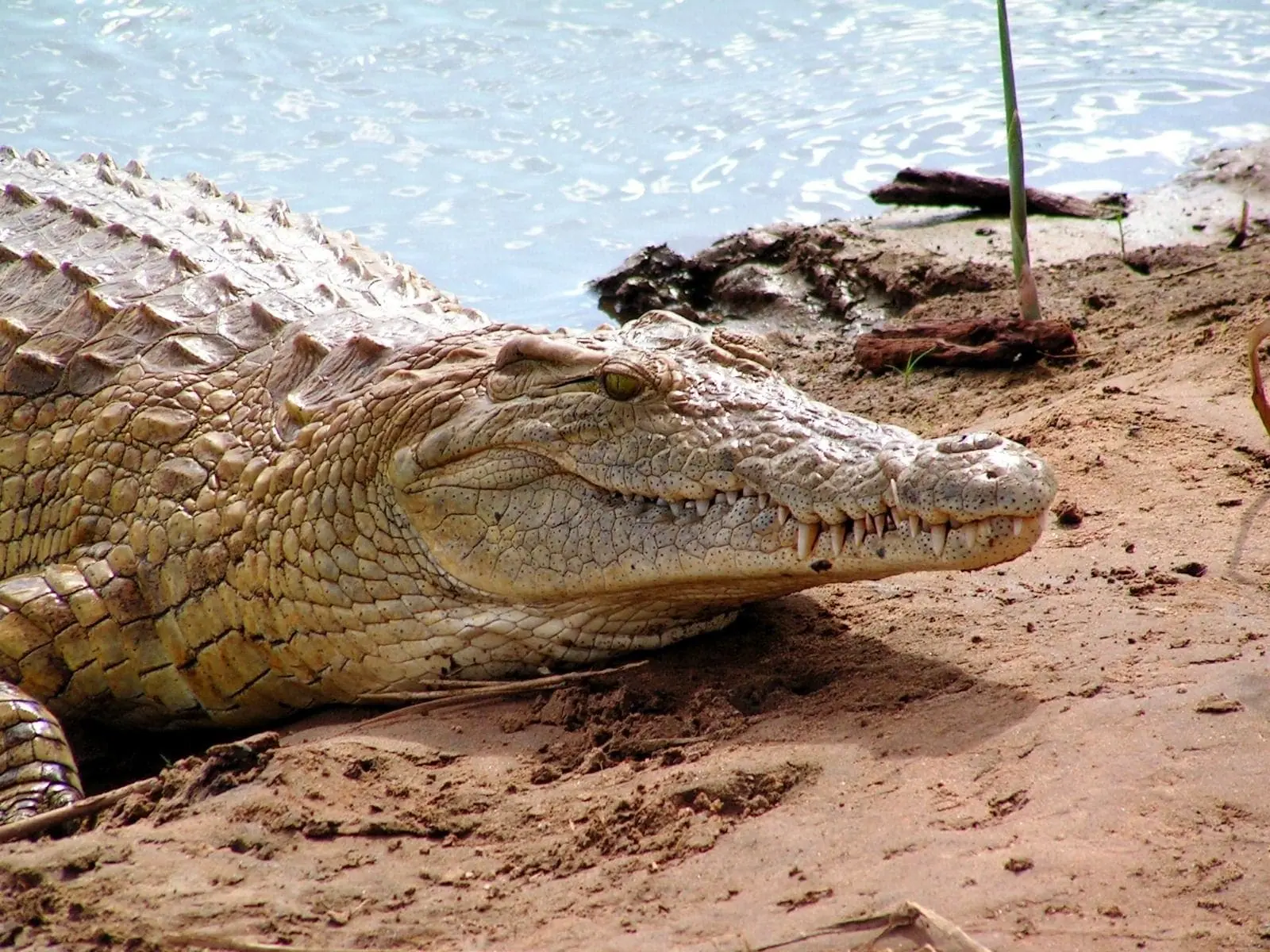
- Hippos and crocodiles at Mzima Springs
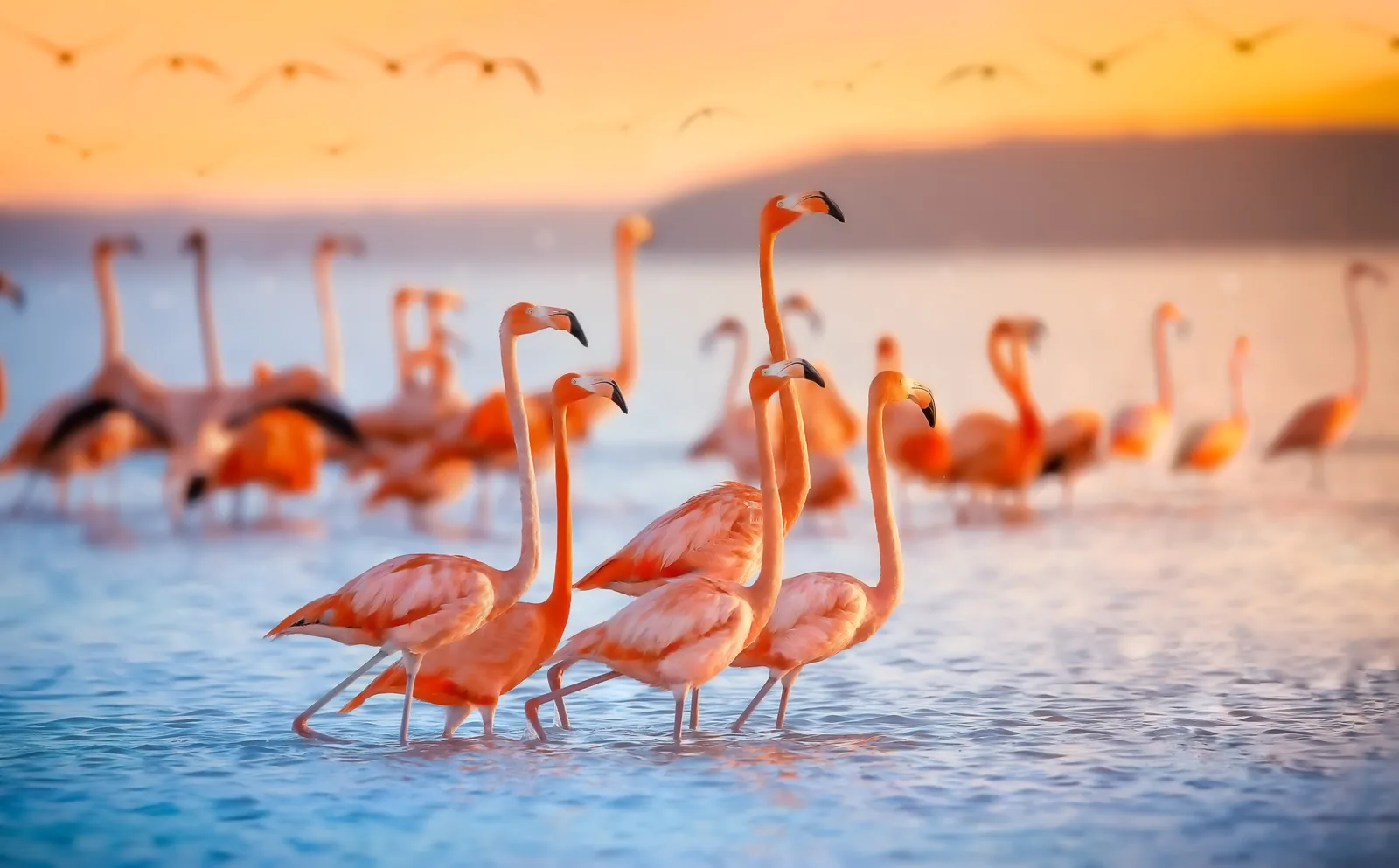
- Birds: KWS records more than 600 species; the Ngulia Hills are known for large numbers of migrating birds late in the year
- Chaimu Crater and the Shetani lava flow and caves
- Lake Jipe on the Tanzanian border, with Kilimanjaro on clear days

Best time to visit
The dry seasons, roughly June to October and January to February, make wildlife easier to find, as animals stay near water and the bush thins out. The long rains usually fall in April and May and the short rains around November. In the green months the hills are lovely and the park is quiet, though thick vegetation makes animals harder to spot.
Getting there and how long to stay
Mtito Andei Gate, the main entrance, is about 240 kilometers from Nairobi on the Mombasa highway, roughly four hours by road. The Madaraka Express train stops at Mtito Andei. Chyulu Gate links the park with Amboseli by road in about three to four hours. Light aircraft use the Kilaguni and Finch Hattons airstrips.
Spend two nights to see Mzima Springs, the lava flows and the rhino sanctuary area. Add a night if you want Lake Jipe, which is a long drive from the park's north. On clear days, Kilimanjaro is visible from high points in the park, and the green Chyulu Hills rise along its northwest edge.
Where it fits on a trip
- Amboseli, Tsavo West and the coast: the classic southern circuit
- Both Tsavo parks: two nights in each, then the beach
- By train: ride the Madaraka Express from Nairobi to Mtito Andei and start your safari at the station
Activities and responsible travel
Game drives are the main activity. Short guided walks are allowed at Mzima Springs, where a ranger may walk with you, and at viewpoints such as Shetani and Chaimu. Fees are set by Kenya Wildlife Service and change, so we confirm them when we quote.
- Respect the rhino sanctuary rules, including any limits on where vehicles can go
- Keep quiet and still at Mzima Springs: hippos and crocodiles are close
- Do not climb on the lava flow without your guide; the rock is sharp and hot
- Never share rhino locations on social media; geotags can help poachers
Kenya Experience is Kenyan-led, with two U.S. companies behind it, and our Kenyan guides know Tsavo's tracks and seasons. Pay in full or monthly with no deposit, and a specialist replies within two business days.