Parks and reserves. Updated November 2026. 3 min read.
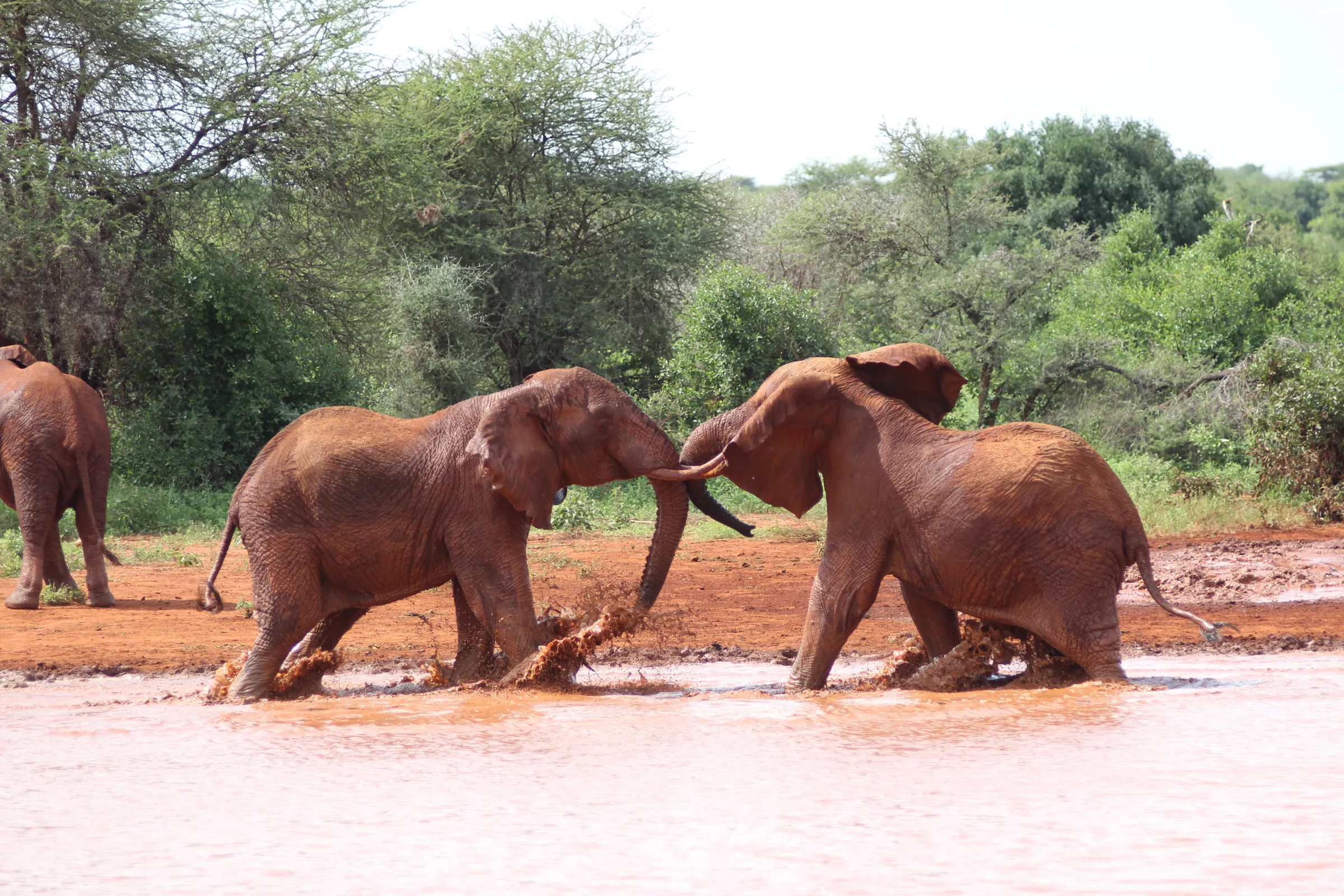
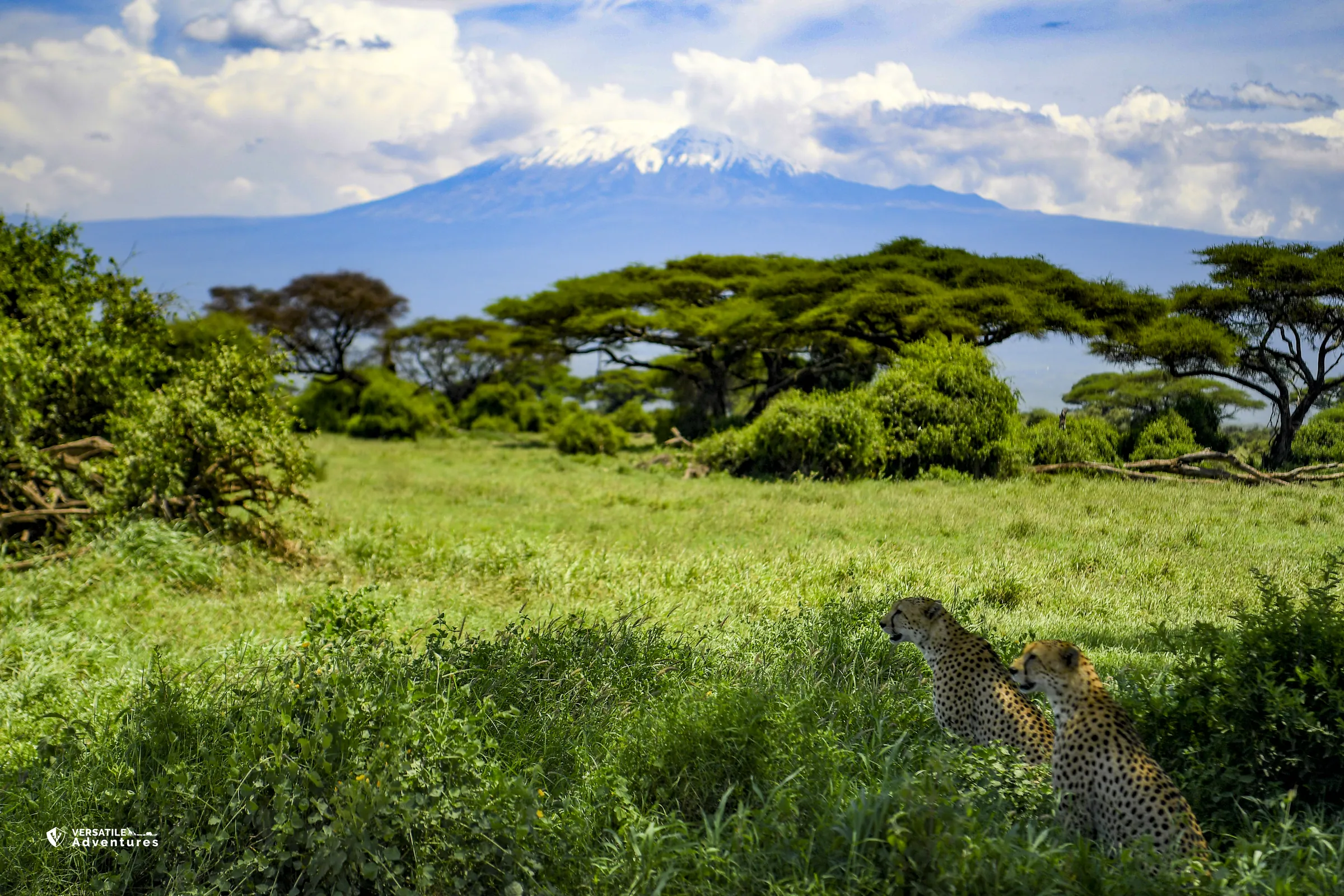
Picture a family of elephants walking across an open plain with the snows of Kilimanjaro floating above them: that is Amboseli National Park, one of the most photographed views in Africa. The park is compact, about 392 square kilometers (151 square miles) in southern Kenya, and run by Kenya Wildlife Service at the core of a much larger ecosystem shared with Maasai communities. If elephants are your animal, this is the park.
What makes Amboseli special
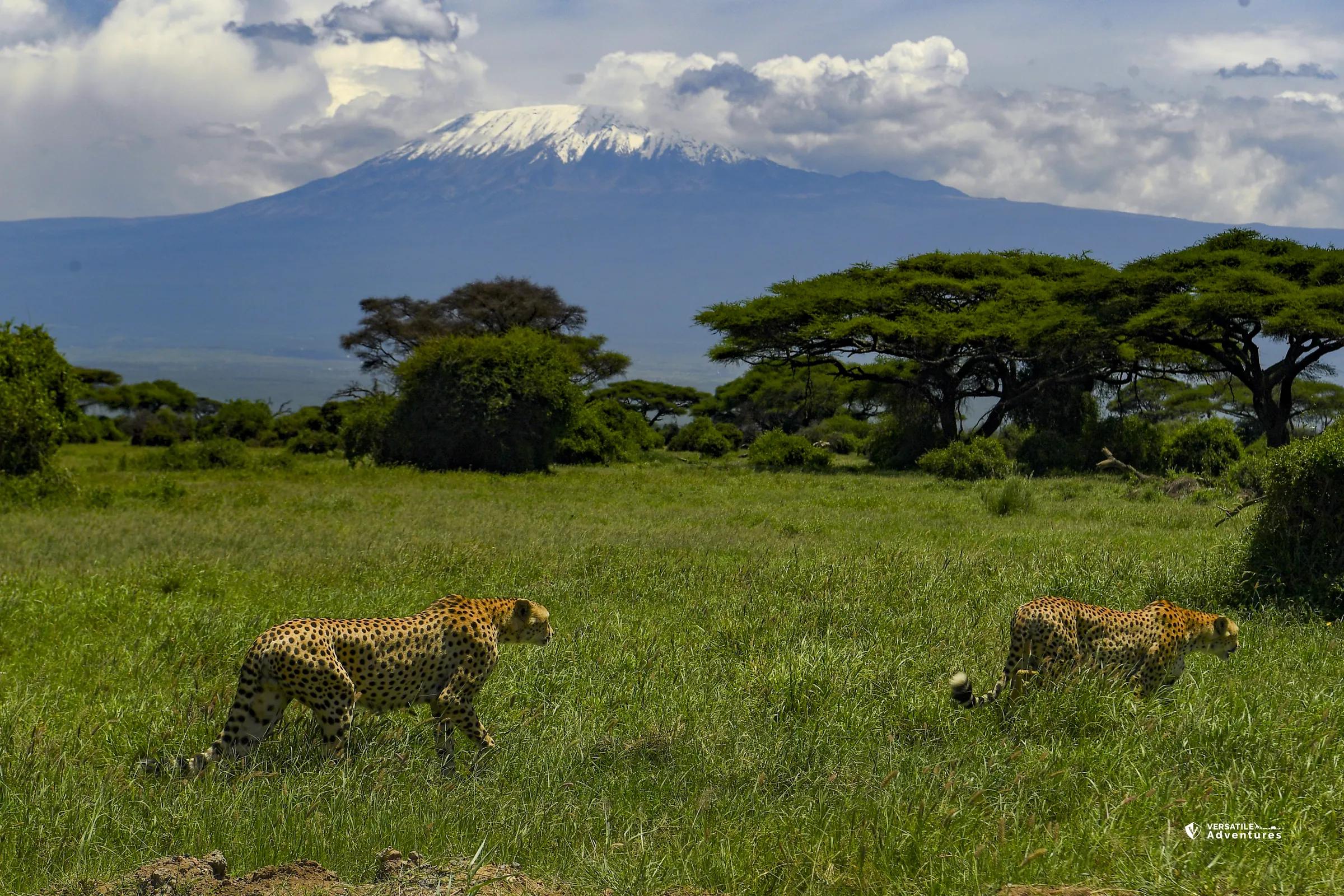
Kilimanjaro stands just across the border in Tanzania, and on clear mornings it fills the southern sky. Below it, springs fed by water from the mountain keep the park's swamps green even in the dry season, so elephants, buffalo and hippos gather there all year. The rest of the park is open, dusty plain and a seasonal lake bed, which makes animals easy to see.
Amboseli's elephants are among the most studied in the world. The Amboseli Elephant Research Project, now run by the Amboseli Trust for Elephants, has followed individual families here since 1972, making it one of the longest-running studies of wild elephants anywhere. Because these elephants have known people in vehicles for generations, they are often calm and close, which makes for unforgettable viewing. The ecosystem was recognized as a UNESCO Man and Biosphere Reserve in 1991.
Wildlife and when to see it
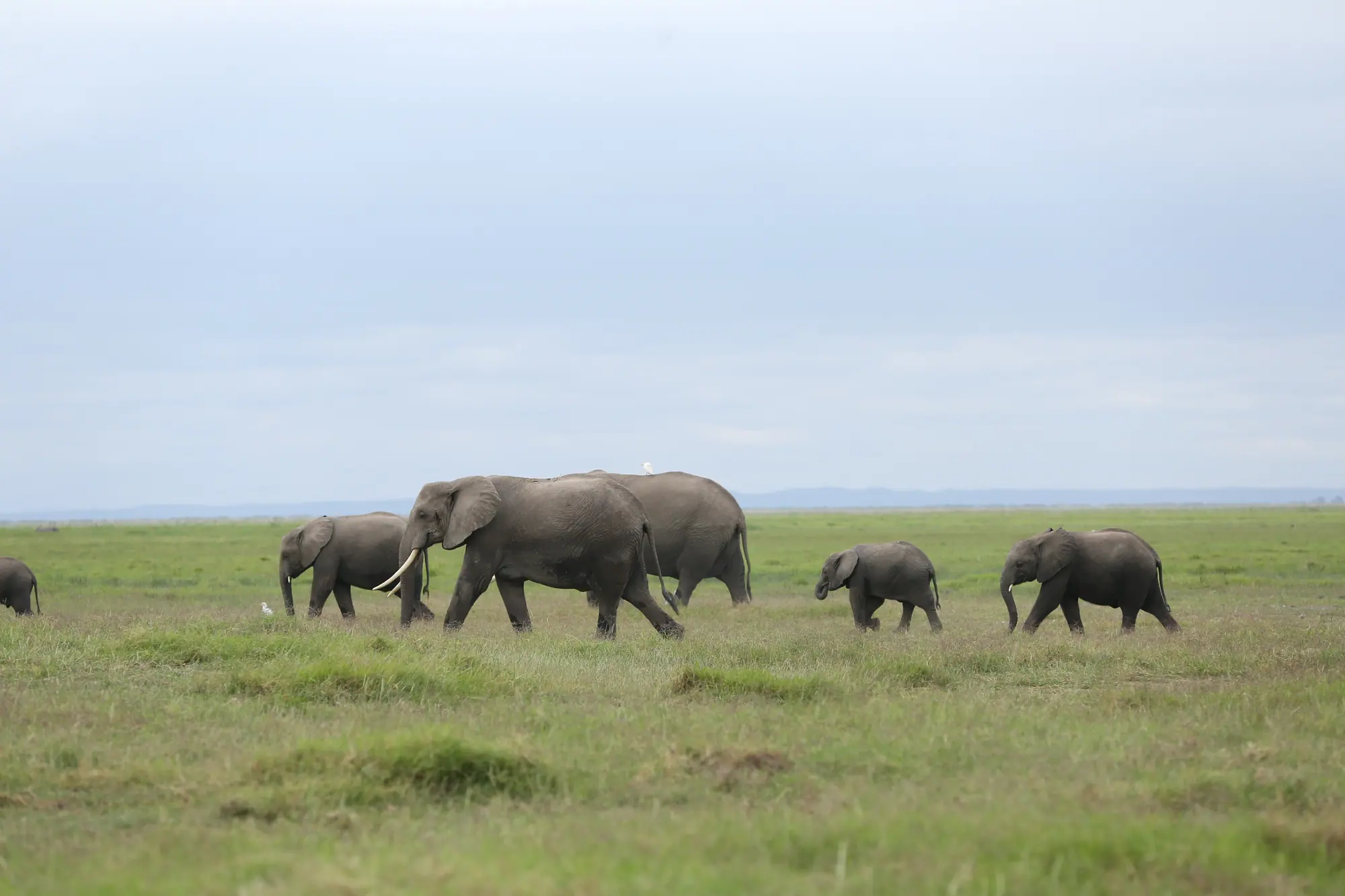
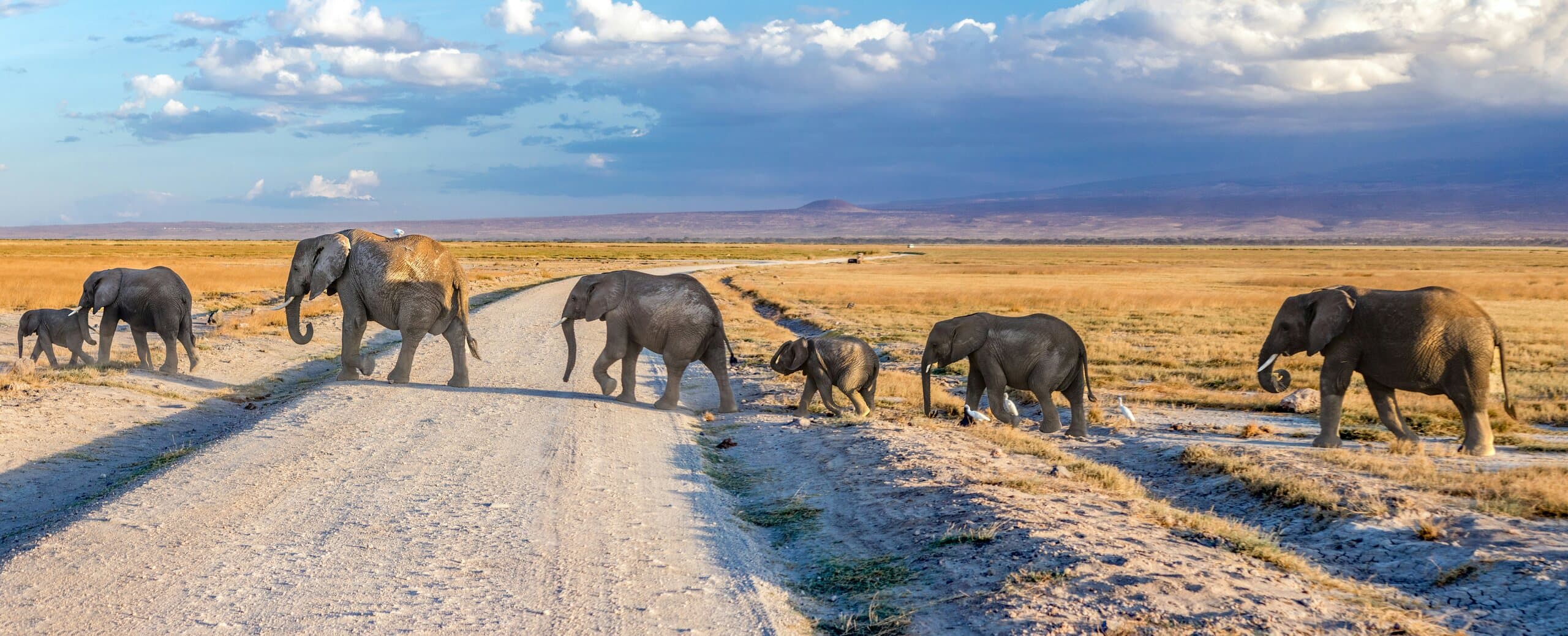
- Elephants: present all year, often walking between the swamps and the woodland in long lines, sometimes including big-tusked bulls
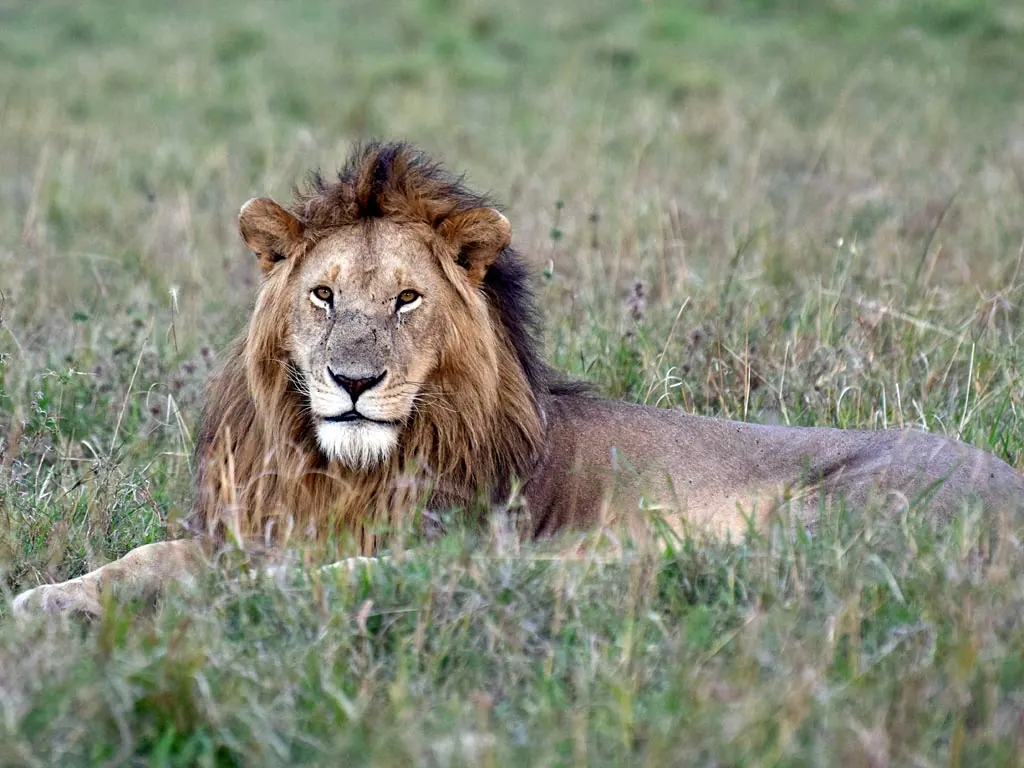
- Lions, cheetahs and spotted hyenas: present, though less numerous than in the Mara
- Buffalo, hippos, wildebeest, zebra, giraffe and gazelles around the swamps and plains
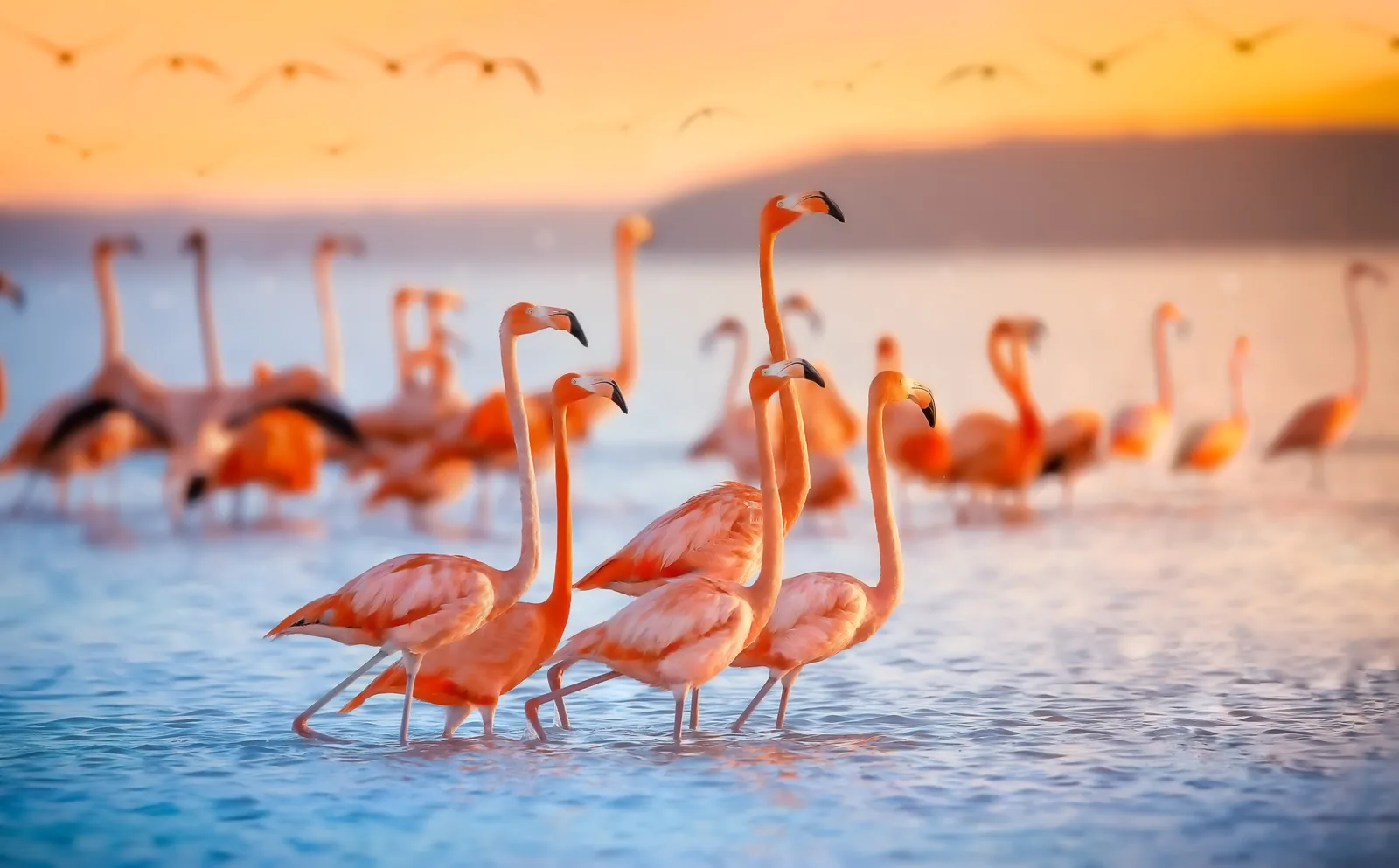
- Birds: KWS counts more than 400 species in the ecosystem, from pelicans and flamingos in wet years to many birds of prey
Kilimanjaro is often hidden by cloud by late morning, so the best views and photographs usually come at dawn and in the last light of the evening. Observation Hill, one of the few places you can step out of the vehicle, gives a wide view over the swamps.
Best time to visit
The dry seasons, roughly June to October and January to February, bring the most elephants to the swamps and the clearest skies. The long rains usually fall in April and May and the short rains around November; the park turns green and quieter then, and the mountain can stay in cloud for days.
Getting there and how long to stay
The drive from Nairobi takes about four to five hours, on the Mombasa road through Emali or on the Namanga road. Light aircraft fly from Wilson Airport to the Amboseli airstrip in roughly an hour. Two nights gives you three game drives at the best hours and a good chance of a clear Kilimanjaro morning. Three nights lets you add a walk or a night drive in a neighboring conservancy.
Where it fits on a trip
- With Tsavo West: a road links the two parks through the Chyulu Hills area, about three to four hours
- With the Mara: fly between them to see Kenya's two most famous parks in one week
- Bush and beach: Amboseli, then Tsavo, then the coast, by road or by train from Tsavo
Activities and responsible travel
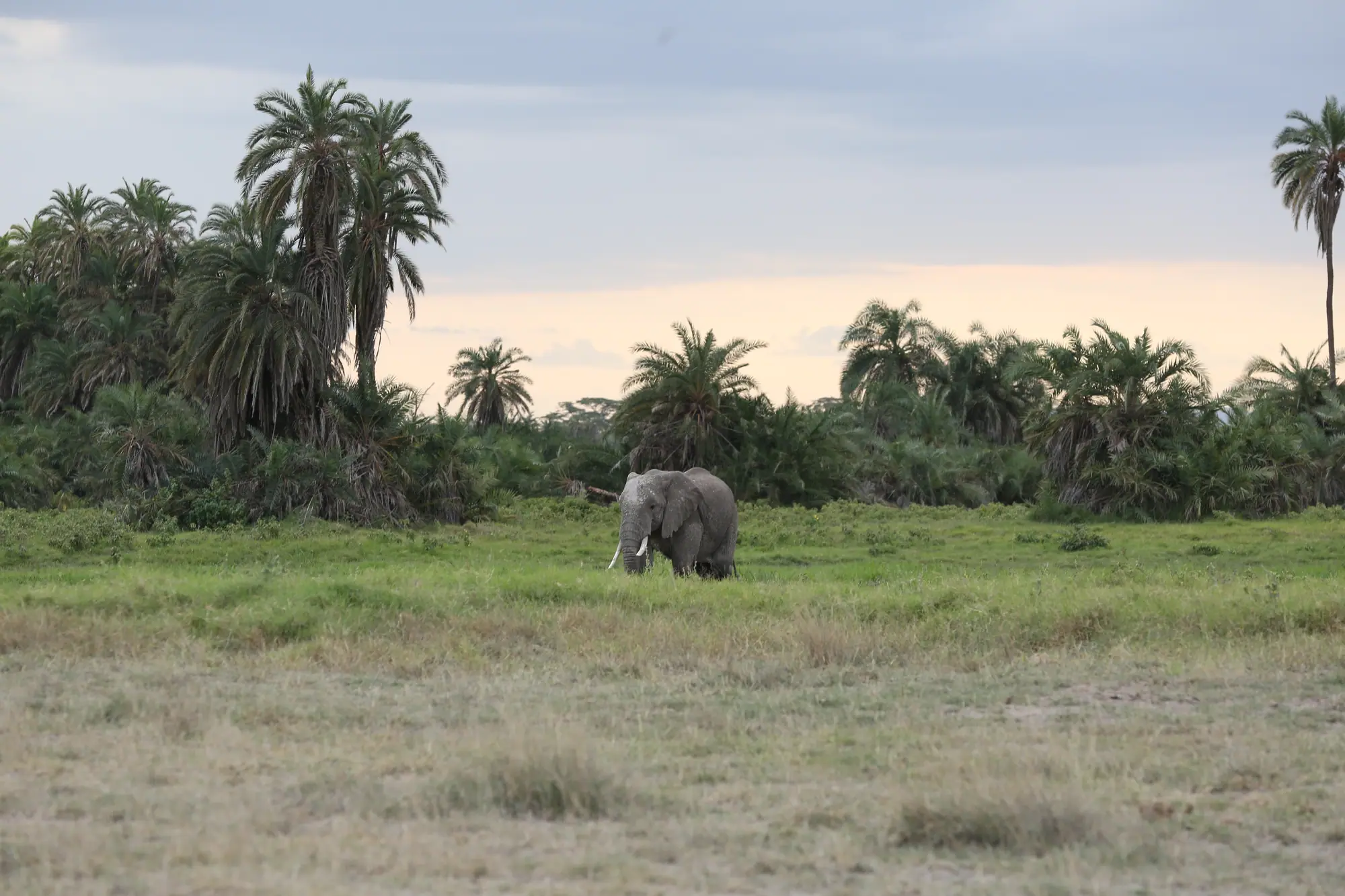
Inside the park you explore by vehicle on game drives. Walking safaris and night drives happen in the community conservancies that surround the park, on land owned by Maasai families who earn income from tourism. Staying in or visiting those conservancies keeps wildlife corridors open, which Amboseli's elephants need to move in and out of the park.
- Never ask a driver to leave the track for a closer look; the swamp edges are fragile
- Keep your voice low near elephant families, especially those with small calves
- Visit a Maasai home through a community host, and ask before taking photographs
- Fees are set by Kenya Wildlife Service and change; we include them in every quote
Kenya Experience is Kenyan-led, with two U.S. companies behind it, and our Kenyan guides time your drives for the elephants and the mountain. You can pay in full or monthly with no deposit, and a specialist replies within two business days.