Leisure & Safari
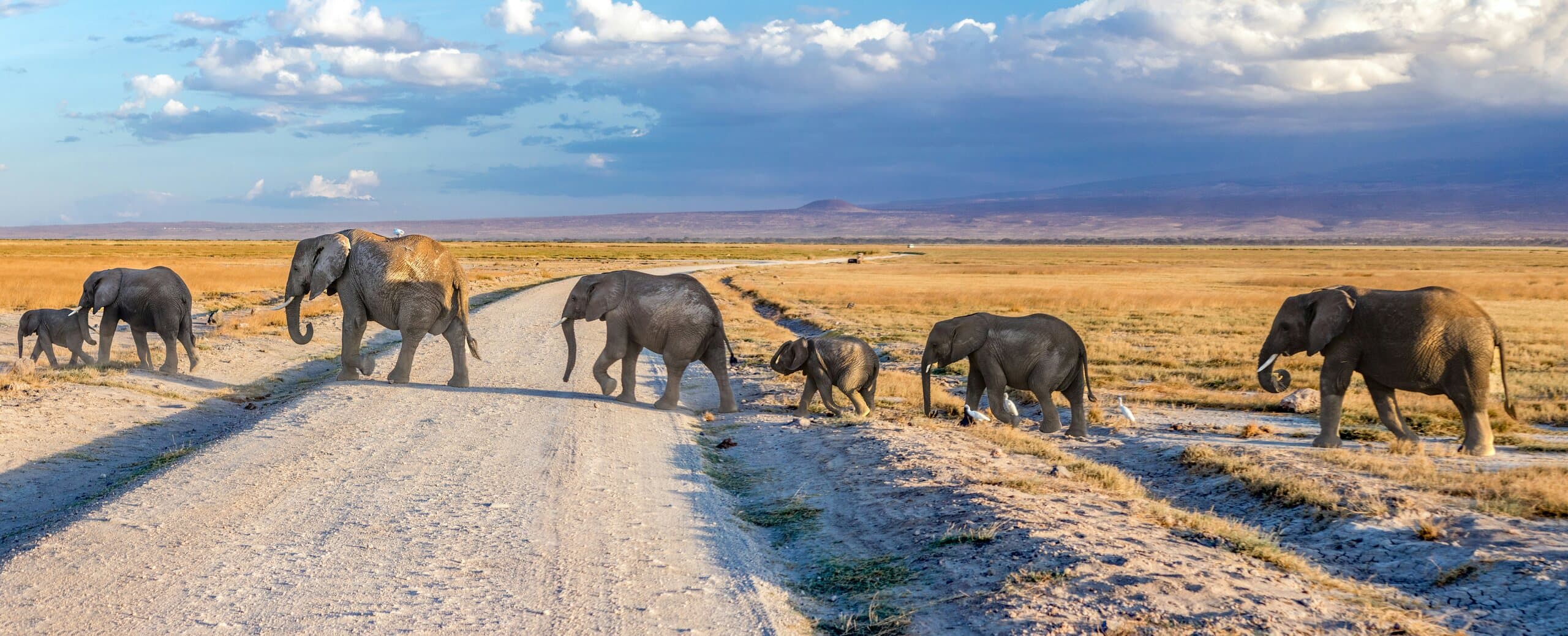
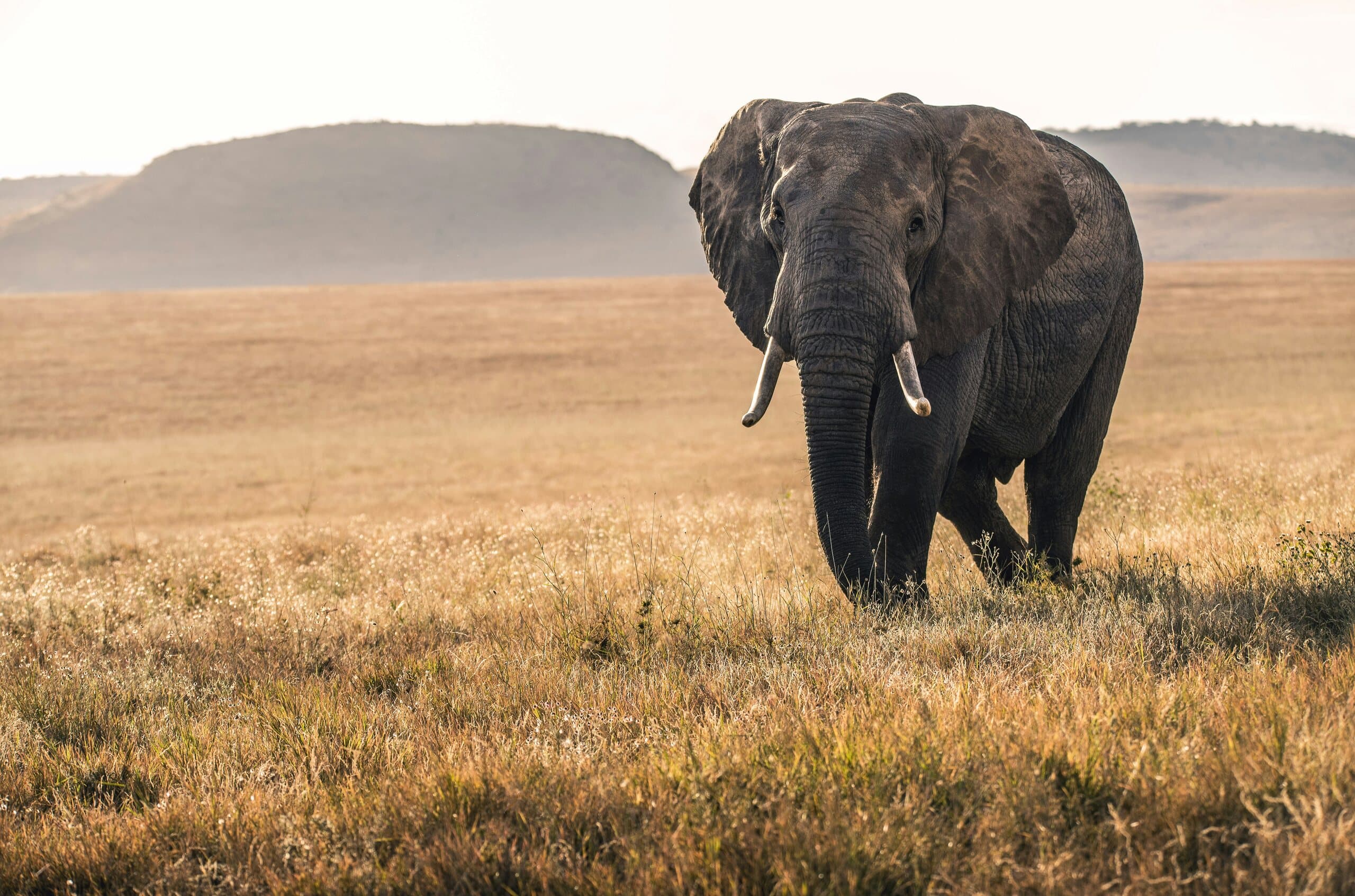
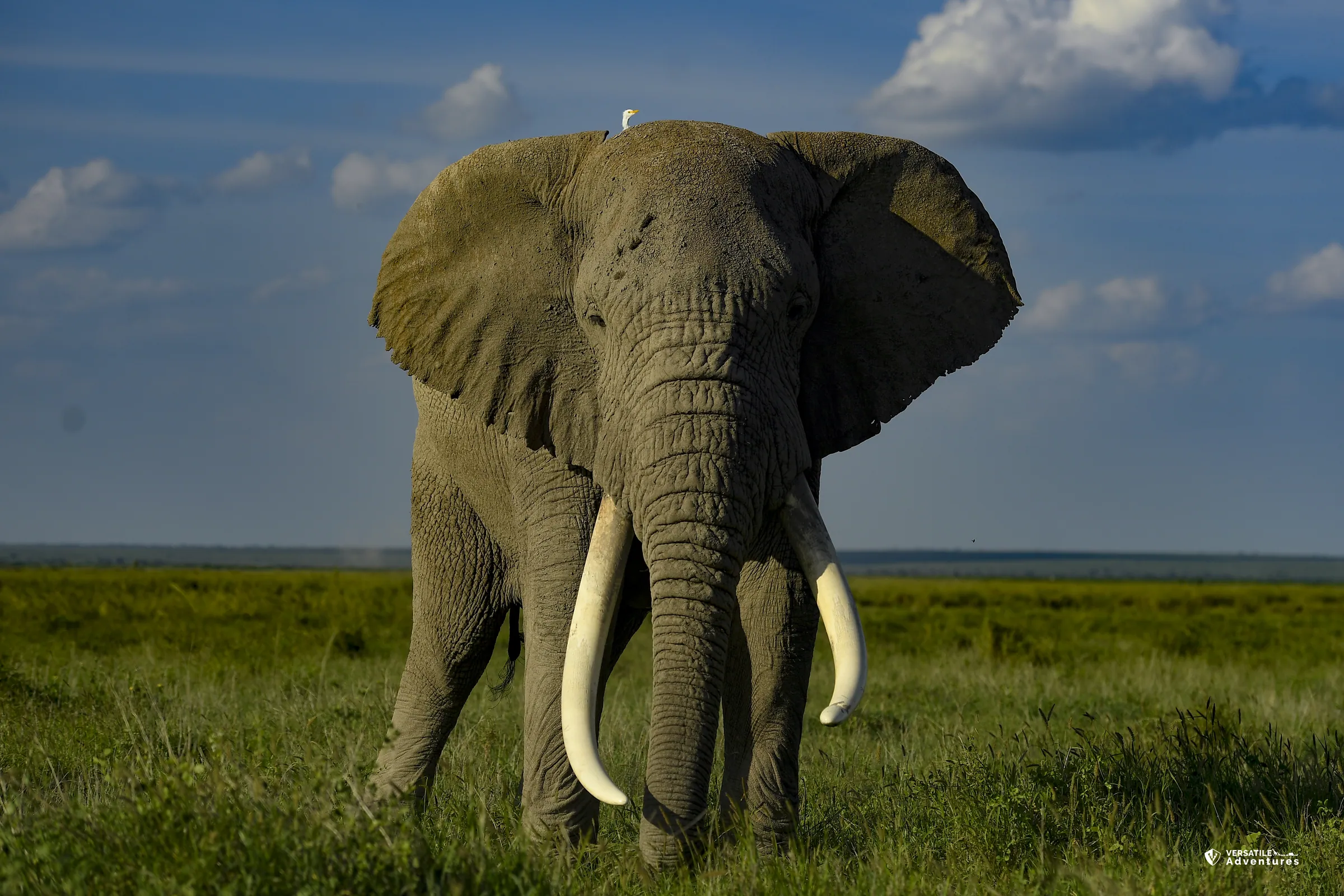
Big tuskers walking across dust and marsh with Kilimanjaro behind them: the picture everyone carries of Africa.
Leisure & Safari
Big tuskers walking across dust and marsh with Kilimanjaro behind them: the picture everyone carries of Africa.
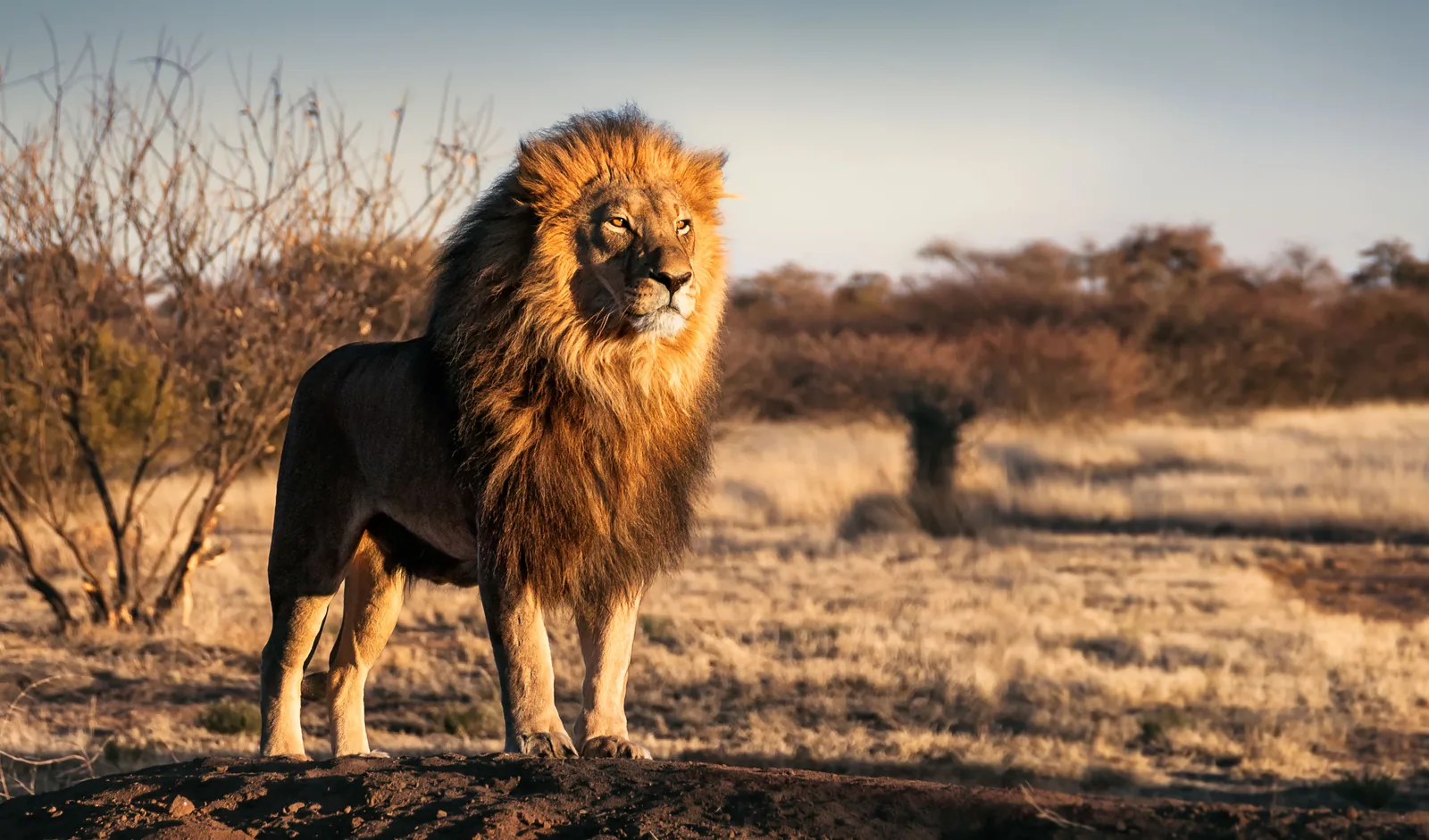
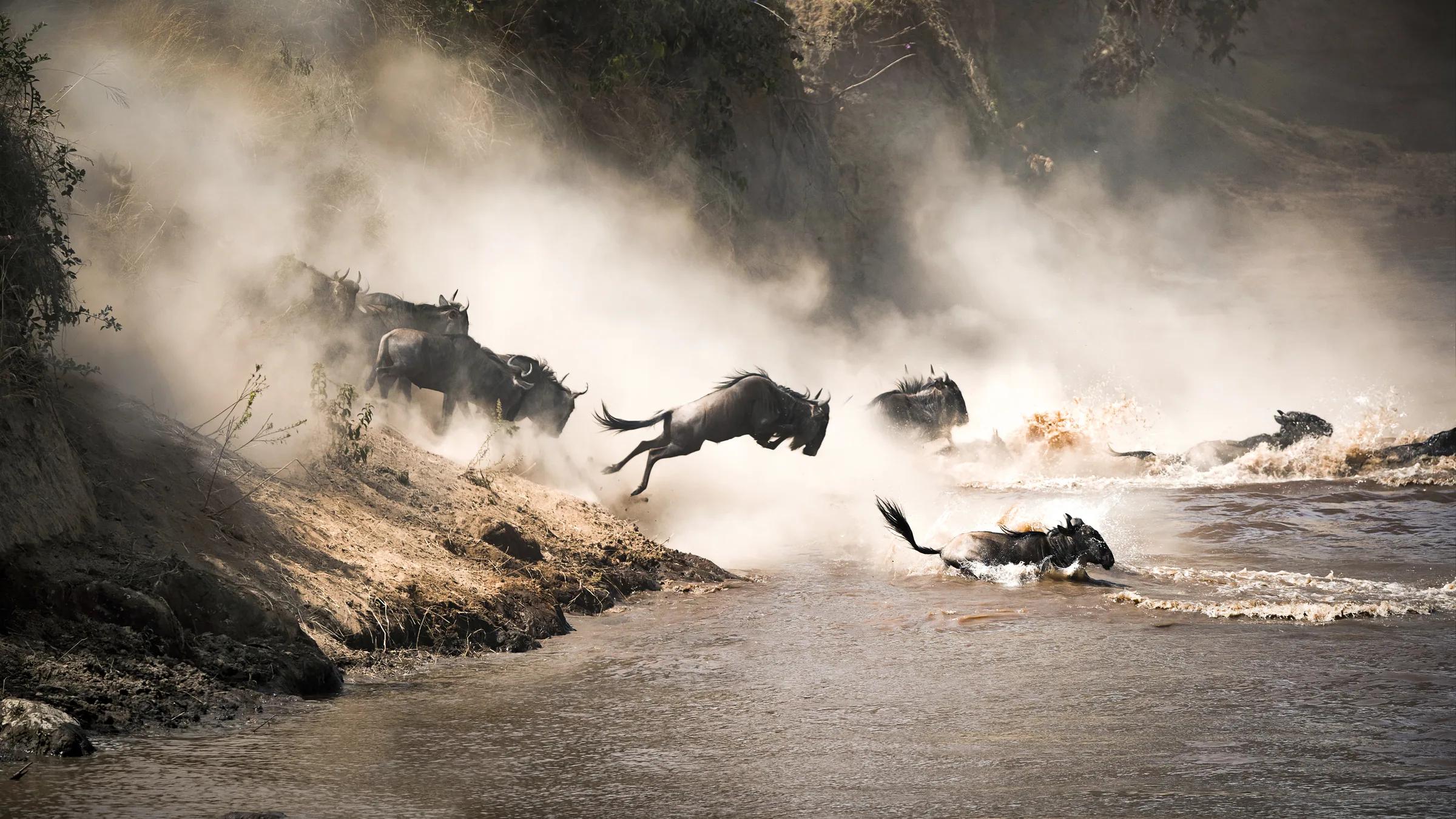
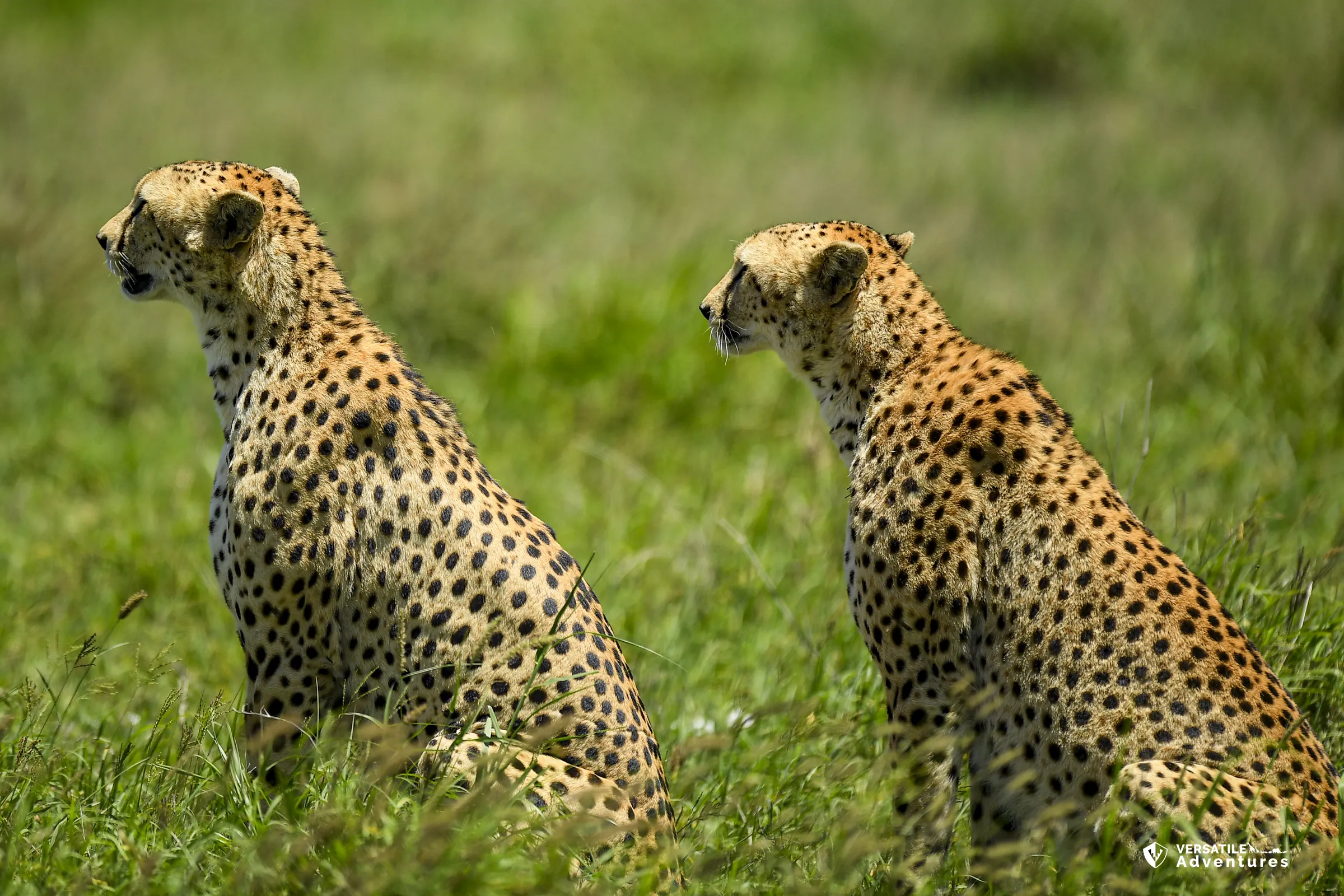
The Chyulu Hills for walking and lava-tube caves, Tsavo West for Mzima Springs, or the coast, which is a short flight away.
Amboseli is one of the best places in Africa to watch elephant families up close and unhurried. Researchers have followed these herds since 1972, which makes them one of the longest-studied elephant populations anywhere, and guides can often tell you which family you are watching. The park is run by Kenya Wildlife Service and is part of a UNESCO biosphere reserve. It sits at the center of Maasai community land, and conservancies around it keep corridors open so elephants can move between the park, the Chyulu Hills and Tsavo.
Amboseli is in southern Kenya on the Tanzania border, about four to five hours by road from Nairobi or a short flight to the park's airstrips. The dry months, usually June to October and January to February, bring elephants into the swamps in large numbers and give the clearest mountain views. In the rains, usually April to May and November, the plains turn green and dust settles, and herds spread out more. Kilimanjaro itself is in Tanzania and is often hidden by cloud at midday.
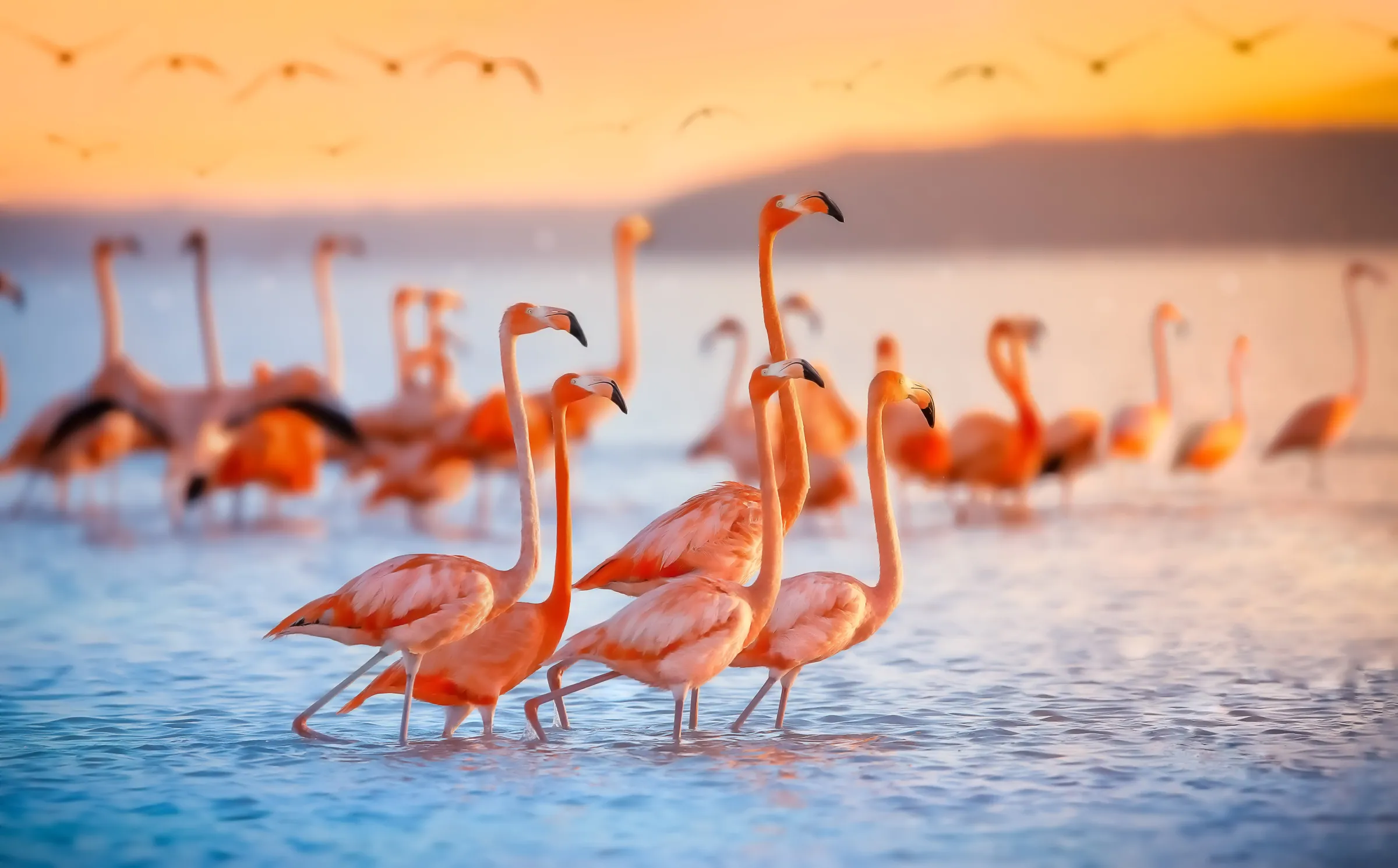
You head out before sunrise to catch Kilimanjaro before the clouds rise. Elephants walk from the woodland into the swamps through the morning, crossing the tracks in long lines, so your guide parks along their route and lets them pass. You might climb Observation Hill for a view over the swamps. Afternoons bring buffalo, hippos and flamingos in wet years, and in the late light the mountain often reappears. Some conservancy camps offer walks and night drives outside the park.
Anyone who loves elephants, photographers chasing the classic mountain shot, and families, because the park is compact and sightings come easily. It is also a strong choice for a shorter trip, since two nights covers the park well. Travelers who want big cats as the main event should pair Amboseli with the Mara, a short flight away, where lions and cheetahs are more numerous. Tsavo West adds Mzima Springs and lava fields, and many travelers finish at Diani on the south coast.
Amboseli is dusty in the dry season, so bring a camera cover, eye drops and a scarf. Pack a long lens for portraits and a wide lens for elephants against the mountain. Give elephants space: a good guide switches off the engine and keeps calm if a young bull mock-charges. Stay in or visit a community conservancy, because the fees go to the Maasai families whose land the elephants use. Park fees are set by Kenya Wildlife Service and change.
We match Amboseli with the parks and coast that suit your dates, and we can place you in a community conservancy camp. Kenya Experience is Kenyan-led, with two U.S. companies behind it and Kenyan guides. Pay in full or monthly with no deposit, and a specialist replies within two business days.
Amboseli's elephants have been studied continuously for fifty years and are among the most relaxed in Africa around vehicles. The swamps draw the herds into the open every day; the mountain shows itself most reliably at dawn and dusk.
About four to five hours by road, or a short scheduled flight from Nairobi to one of the park's airstrips.
Yes, on clear days, most often at dawn and late afternoon. The mountain is in Tanzania, and clouds often cover it in the middle of the day.
Two nights is enough for most travelers, with three if you want walks or night drives in a nearby conservancy.
Amboseli gives closer, easier sightings in open country with the mountain behind, while Tsavo is far larger and wilder, with red-dusted herds and fewer vehicles. Many trips include both.
Panga
Panga means plan. Tell us who is going and what you love. A Kenya specialist replies within two business days.