Month by month. Updated November 2026. 4 min read.
July is when Kenya's safari year comes alive: the long dry season settles in, animals gather at the rivers, and the first great herds of the Great Migration usually pour into the Maasai Mara late in the month. So yes, July is one of the best months to visit Kenya, and the coast adds humpback whales and kitesurfing. It is also the start of peak season, so book early.
The weather in July, region by region
- Nairobi and the highlands: July is usually the coolest month of the year. Days are often gray and overcast, typical temperatures run from about 12°C to 23°C (54°F to 73°F), and Nairobi gets very little rain. Evenings feel cold, so bring a warm layer.
- Western Kenya: the Kakamega Forest and the tea country around Kericho often get rain in July and August, so expect green hills and some wet afternoons.
- The Maasai Mara and the southern parks: dry, with chilly dawns around 11°C (52°F) and warm afternoons around 25°C (77°F). July is often the Mara's driest month. Amboseli and Tsavo are dry and dusty.
- The north: Samburu and the lands beyond stay hot and dry. Around Lake Turkana, afternoons are usually in the mid-30s Celsius (low to mid-90s Fahrenheit).
- The coast: cooler, breezier and drier than earlier in the year, with highs around 28°C (82°F) in Mombasa and the sea at about 26°C (79°F). A few showers are still possible, especially early in the month.
For most of the country July is dry. The long rains have usually finished by June, and the short rains do not usually start until late October. Weather still varies from year to year, so we check the Kenya Meteorological Department's seasonal outlook before every trip.
Wildlife and the Great Migration
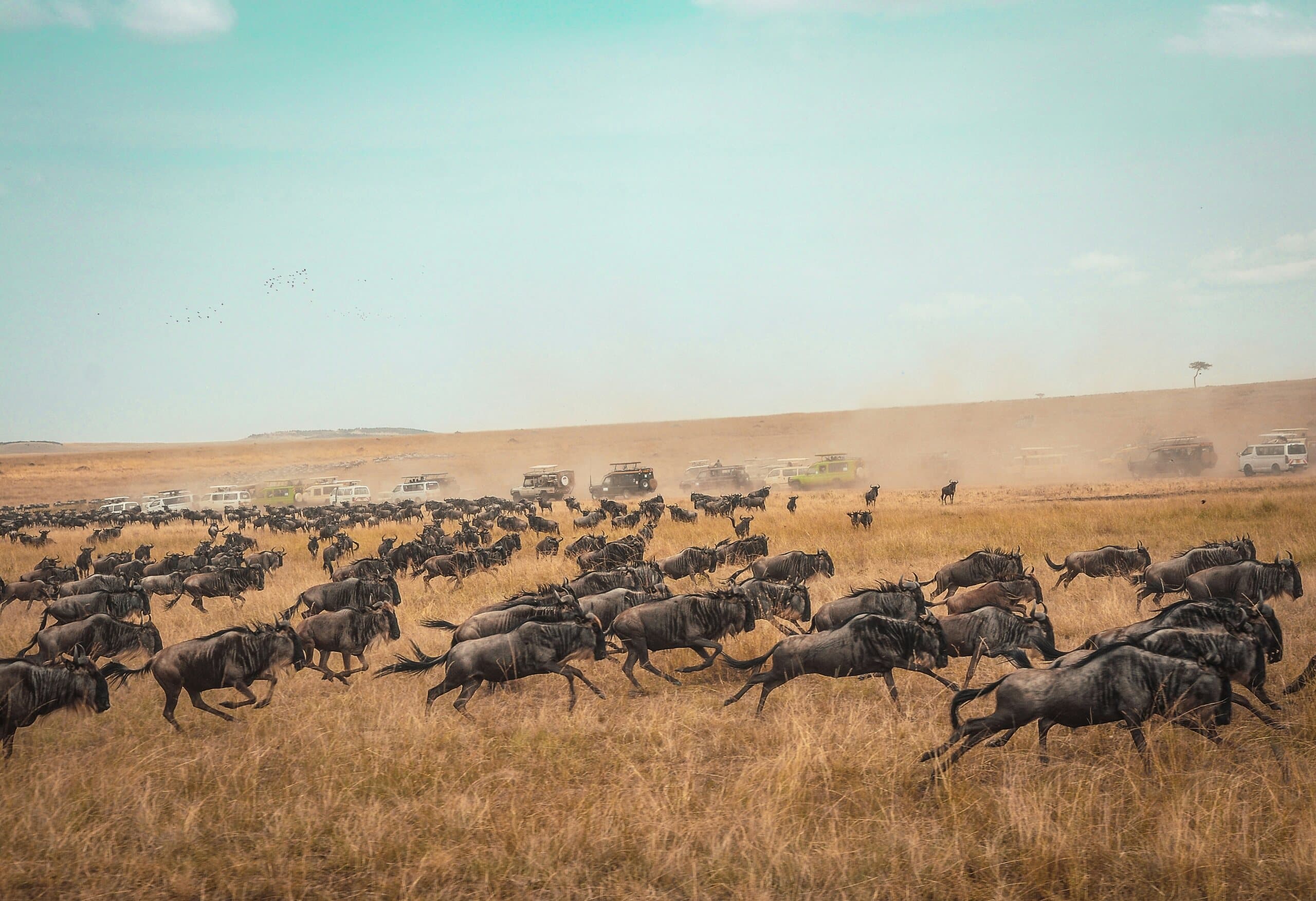
The dry season is a classic time for game viewing. The grass is shorter, water is scarce, and animals gather near rivers and swamps, where they are easier to find.
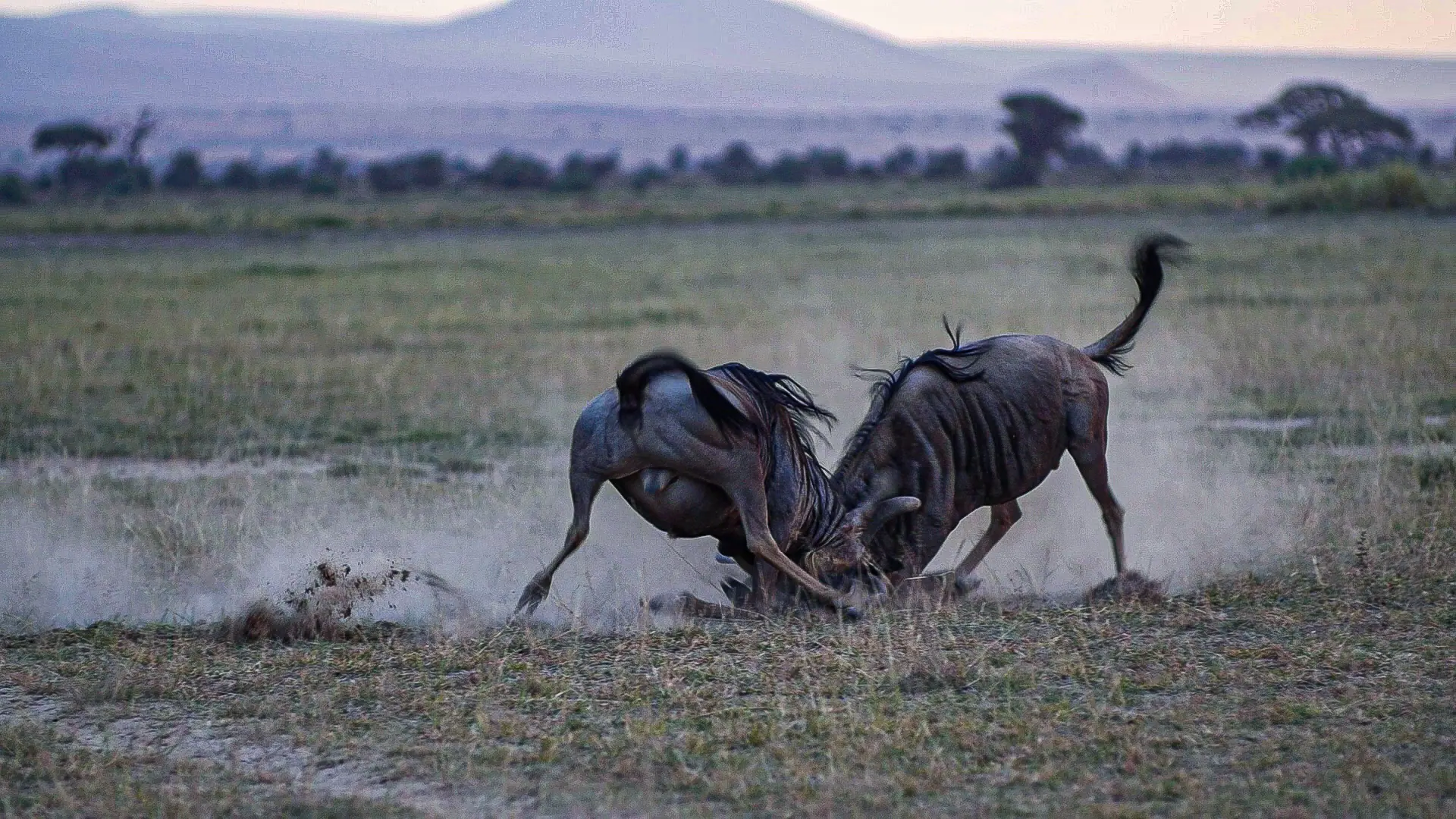
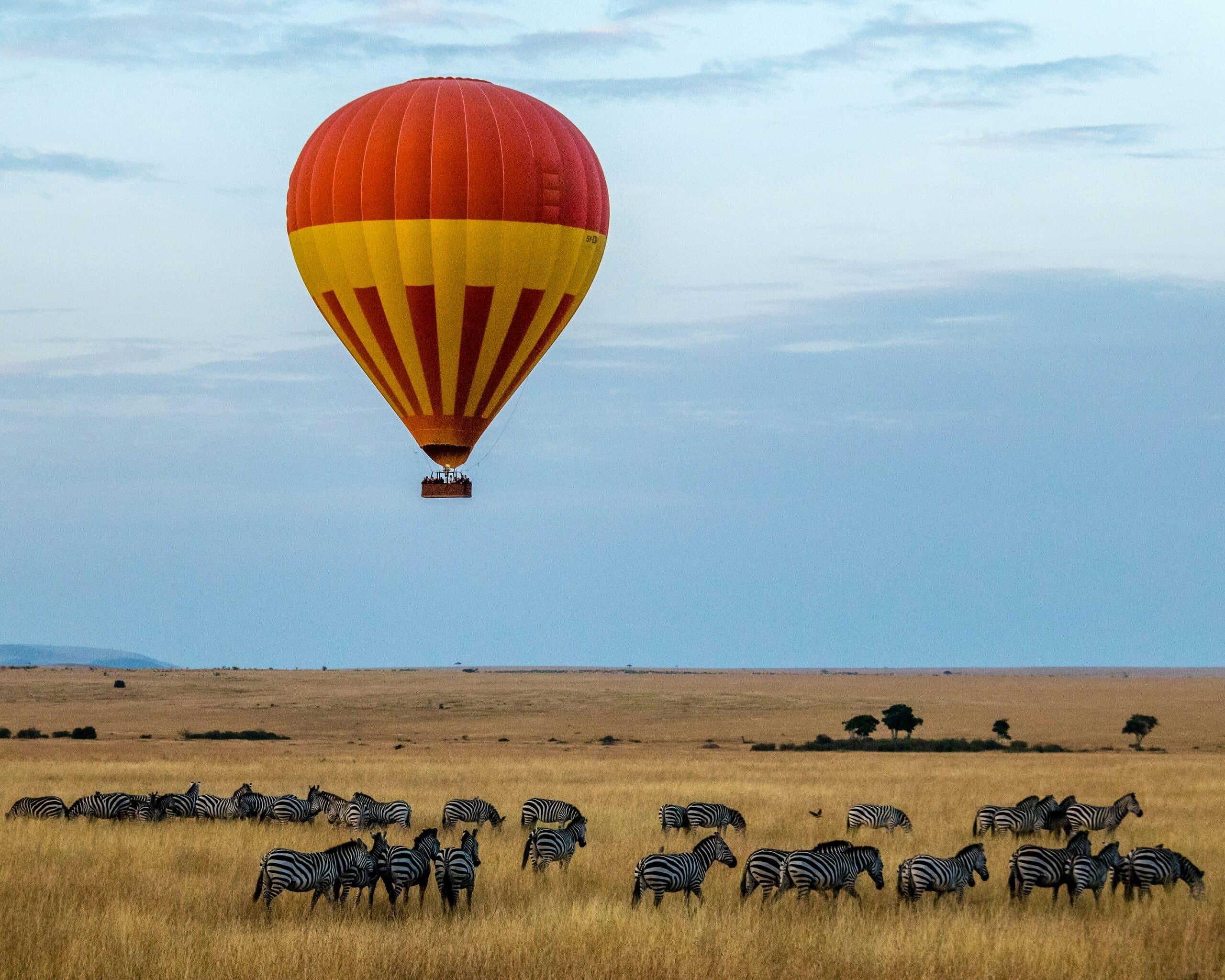
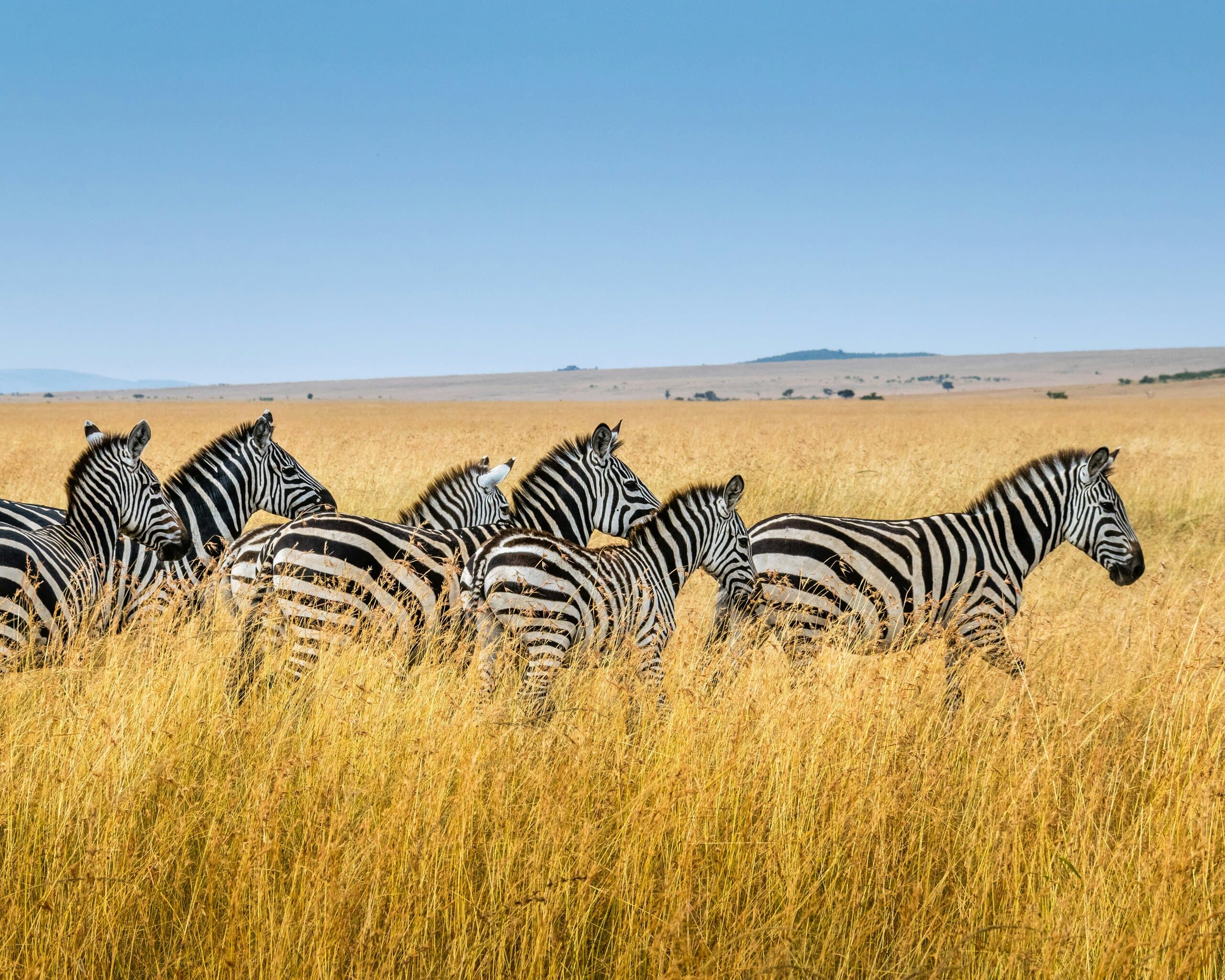
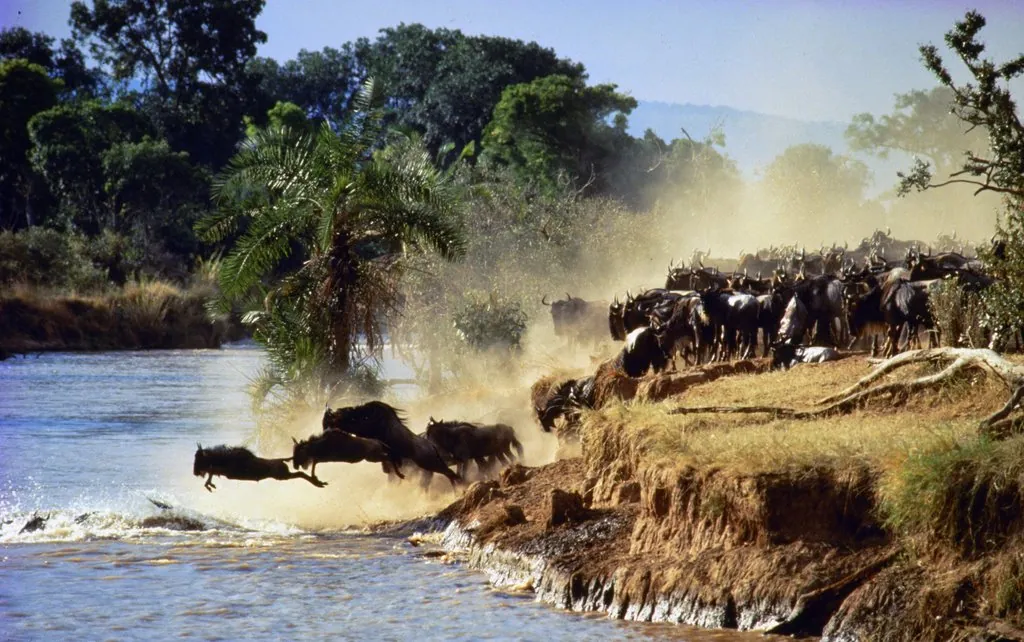
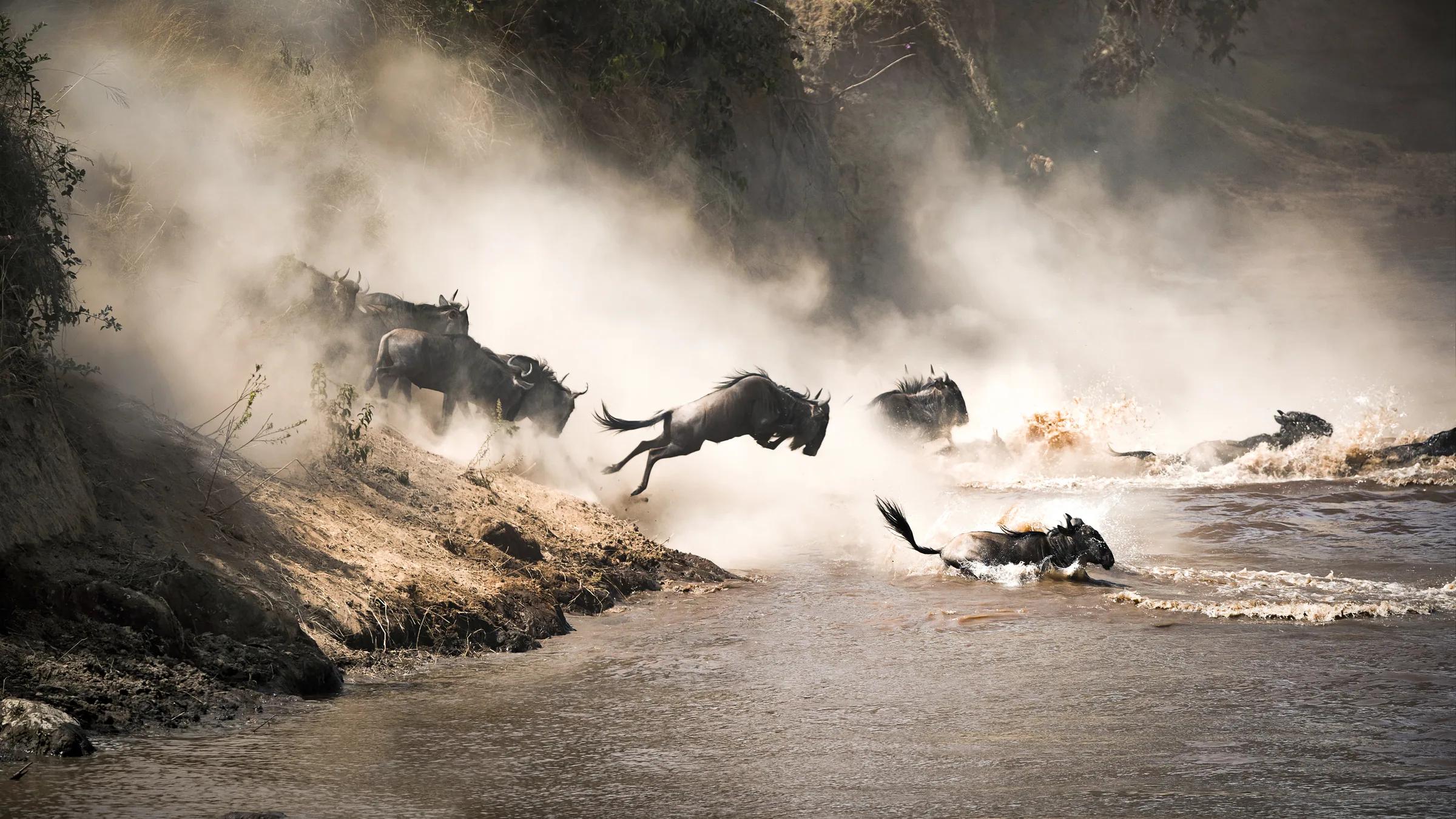
- The Great Migration: the first big herds of wildebeest and zebra usually move from Tanzania into the Maasai Mara in the second half of July. In some years the first river crossings happen this month; in others the herds come later. If the migration is the main reason for your trip, the last week of July is a safer bet than the first.
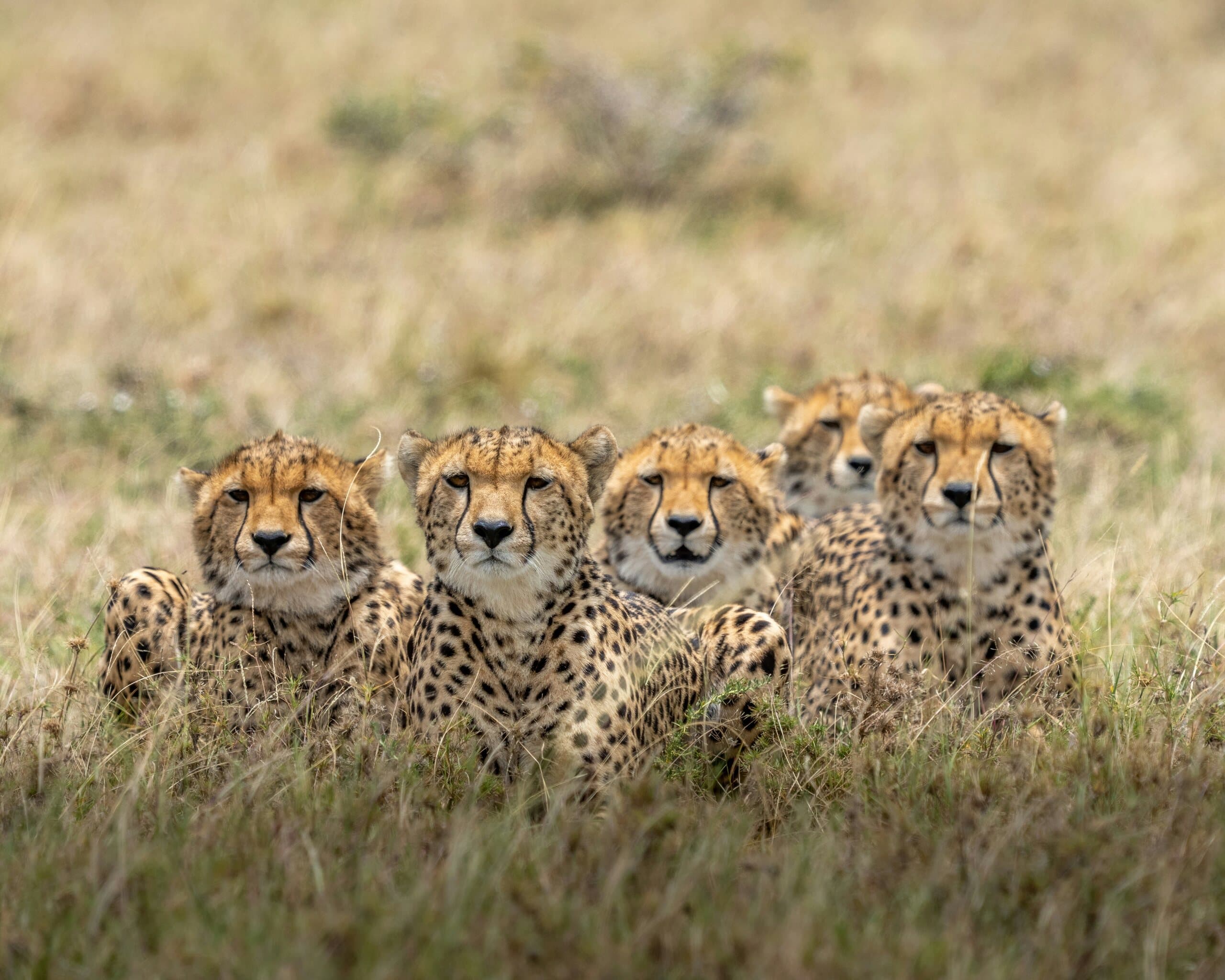
- Big cats: the Mara's resident lions, cheetahs and leopards are there all year, and they follow the herds as they arrive.
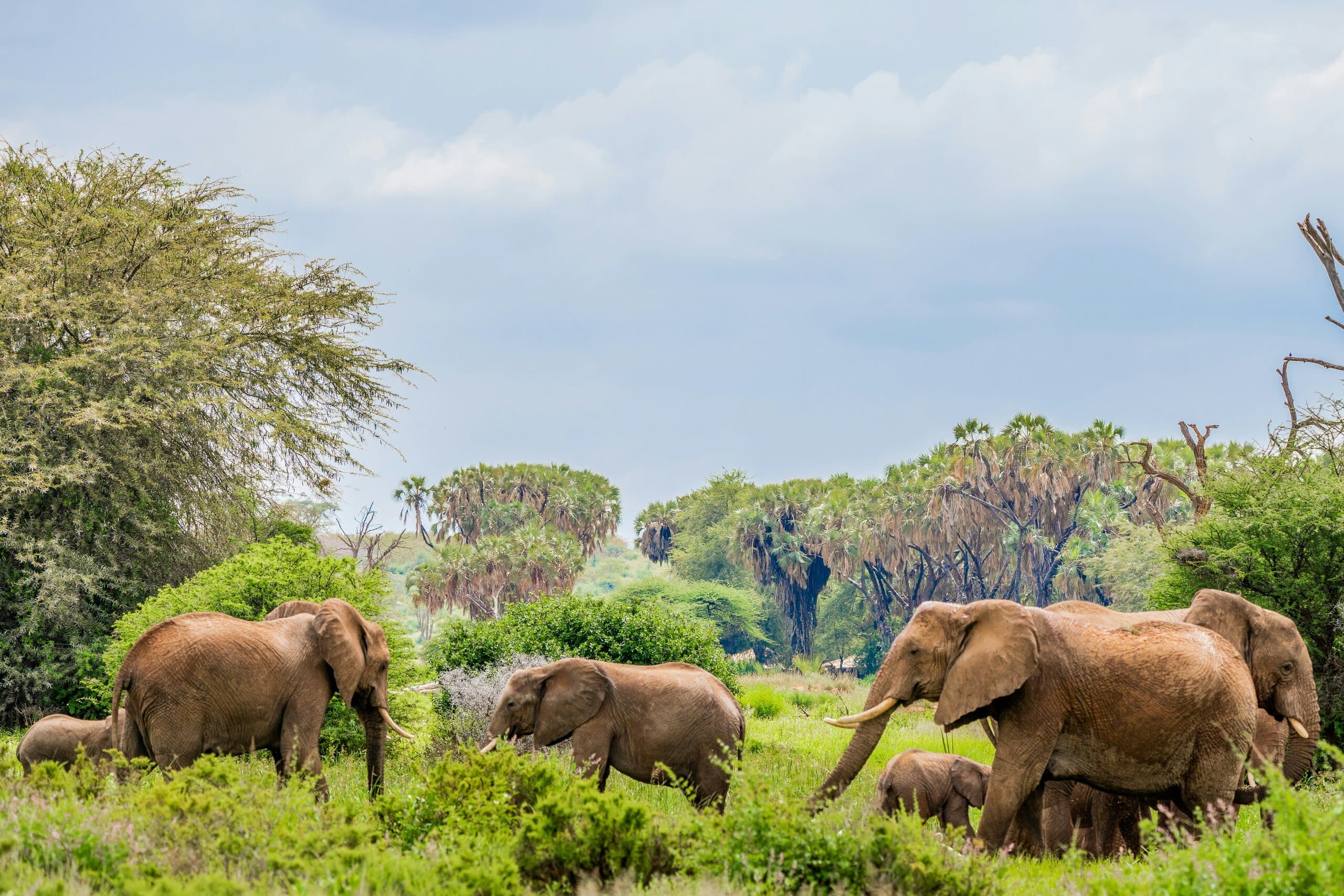
- Elephants: Amboseli's herds gather in the swamps below Kilimanjaro, and Samburu's elephants come down to the Ewaso Nyiro River.
- Rhinos: Ol Pejeta, Lewa, Lake Nakuru and Nairobi National Park are all good dry-season choices.
- Whales: humpback whales usually pass along the Kenyan coast from about July to September. Numbers vary a lot from year to year.
The best places to go in July
- The Maasai Mara and its conservancies, ideally for the last ten days of the month
- Amboseli, for elephants and early-morning views of Kilimanjaro
- Samburu, Buffalo Springs and Shaba, for the Special Five and dry-season elephants
- Ol Pejeta and Lewa in Laikipia, for rhinos and cool, clear days
- Lake Nakuru and Lake Naivasha, an easy stop between Nairobi and the Mara
- Mount Kenya, where the dry months bring better trekking conditions
The coast in July
July is the coast's quieter season. The southerly kusi wind usually blows from about June to September, which makes it kitesurfing season at Diani, with stronger wind and bigger waves than in the calmer months. The same wind can wash seaweed onto some beaches. Watamu and Malindi are good bases for whale watching, and the reefs of Watamu Marine National Park are good for a boat trip in any month.
Crowds, prices and holidays
July is the start of peak season. U.S. school vacations, European summer holidays and the migration all point to the same weeks, so camps near the Mara River often fill nine to twelve months ahead and rates are at their high-season level. The coast is quieter than at Christmas and can be better value. There are no fixed national public holidays in Kenya in July.
What to pack, and who July suits
- A warm fleece or light down jacket for dawn game drives and Nairobi evenings
- Layers you can peel off by mid-morning
- Neutral colors for game drives, plus a hat and sunscreen: the equatorial sun is strong even on cool days
- Binoculars and a dust-proof bag for your camera
- A windbreaker if you are heading to the coast
July suits families traveling in the U.S. summer, first-time safari travelers who want dry weather and easy game viewing, and migration travelers with some flexibility on dates. If you want hot weather in Nairobi or the lowest prices of the year, look at other months.
Getting there is simple: you apply for Kenya's eTA online, and Kenya Airways flies nonstop from New York to Nairobi. Plan it with Kenya Experience and a Kenyan specialist times your Mara days to the herds, with Kenyan guides who know the river. Two U.S. companies stand behind every trip, you can pay in full or monthly with no deposit, and a specialist replies within two business days.