Wildlife. Updated November 2026. 3 min read.
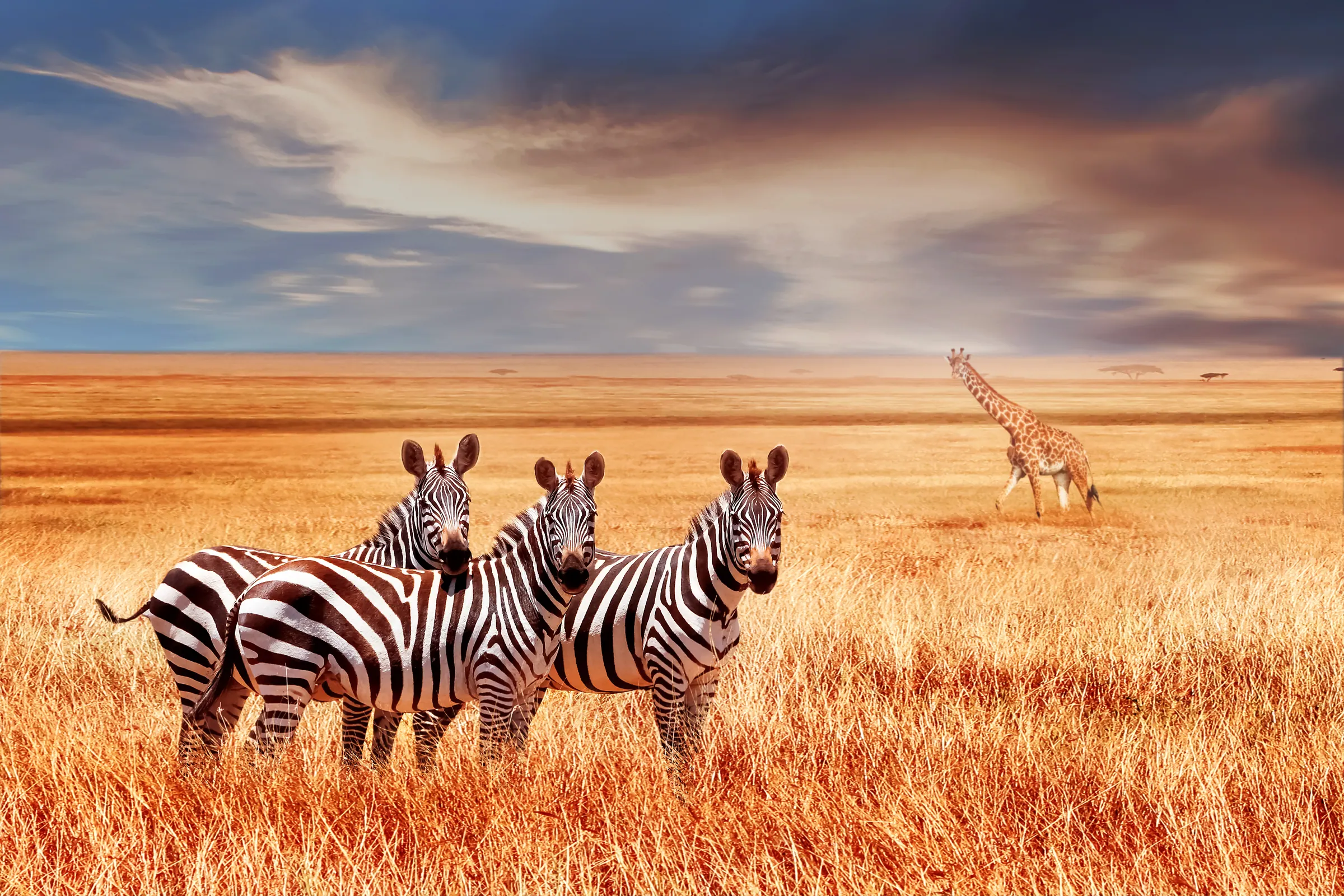
Kenya is home to the great zebra herds of the Mara and to more than 90 percent of the world's Grevy's zebras. Plains zebras live in almost every big park, in their greatest numbers in the Maasai Mara during the Great Migration. The rare Grevy's zebra lives in northern Kenya, and the best places to see it are Samburu, Buffalo Springs and Shaba reserves, Lewa Wildlife Conservancy and the Laikipia conservancies.
Two zebras, and how to tell them apart
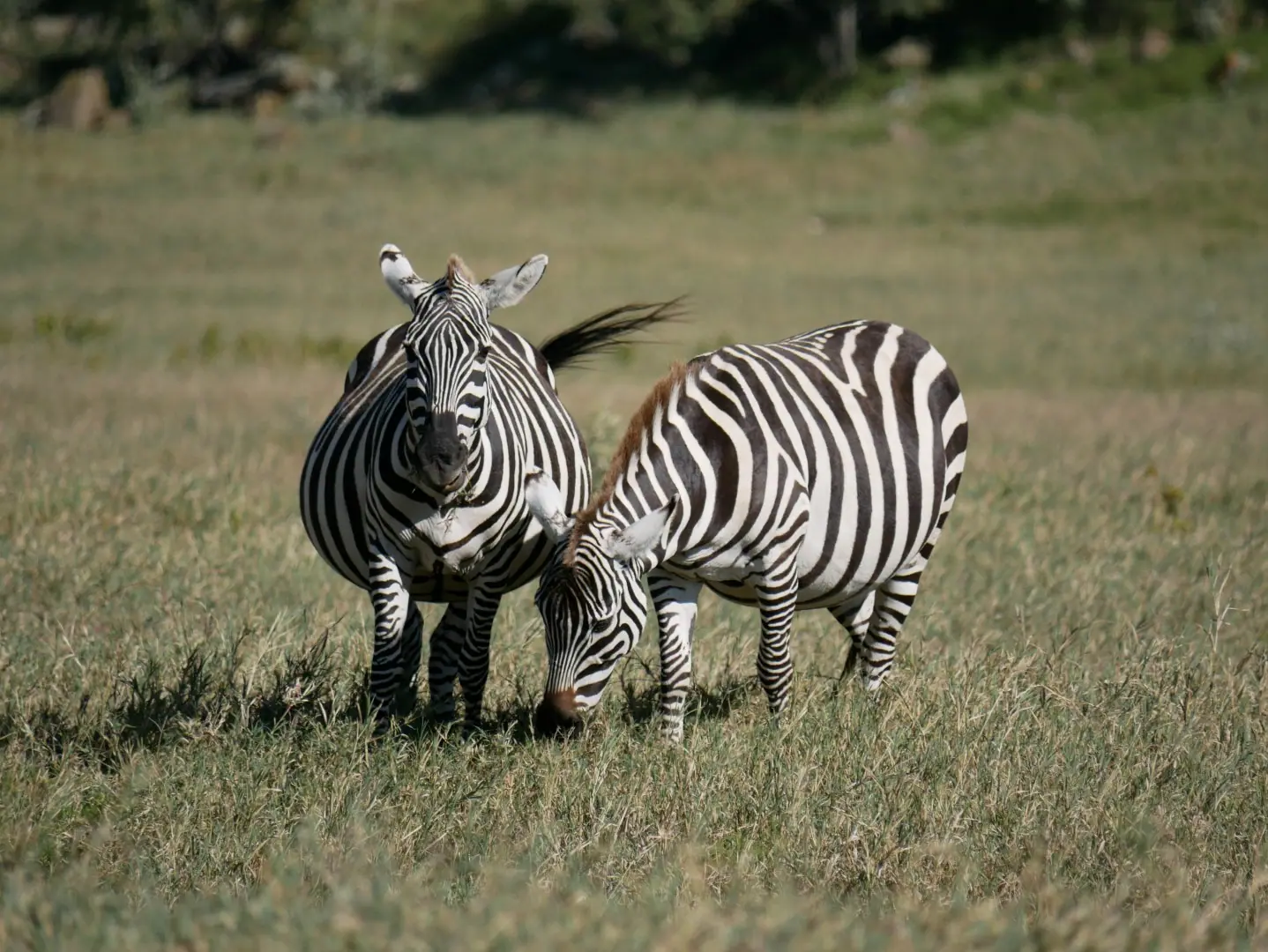
- Plains zebra: broad stripes that wrap under the belly, often with faint shadow stripes between them, and small pointed ears
- Grevy's zebra: taller and heavier, with many narrow stripes, a white belly, a broad dark stripe down the back and big, rounded ears
The Grevy's zebra is the largest wild member of the horse family. Outside northern Kenya, only a small population survives in southern Ethiopia, so a trip north is the best chance anywhere to see one.
The best places for zebras
- Maasai Mara: large resident herds all year, joined by many more during the migration, usually July to October
- Lake Naivasha and Hell's Gate: walk or cycle among zebras with a guide, a rare chance on foot
- Amboseli, Tsavo, Lake Nakuru and Nairobi National Park: plains zebras in open country, often with wildebeest
- Samburu, Buffalo Springs and Shaba: Grevy's and plains zebras side by side, part of the Samburu Special Five
- Lewa and the Laikipia conservancies: one of the most important strongholds for Grevy's zebra, with rhinos and elephants too
A route that pairs the Mara with Samburu or Lewa shows you both zebras, and the rest of the Samburu Special Five, in about ten days.
When to go, and what time of day
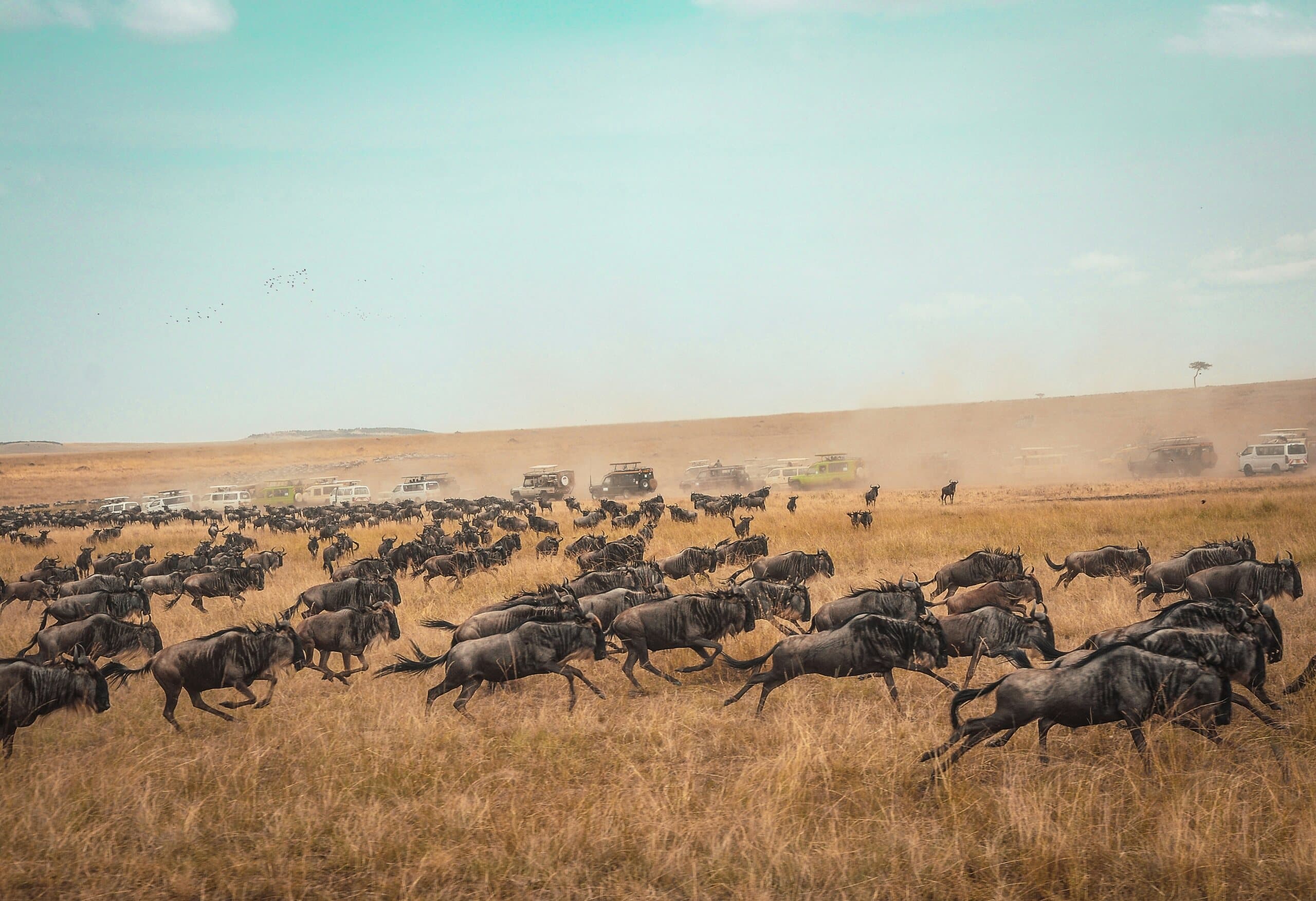
Zebras are easy to see all year. For sheer numbers, go to the Mara during the migration, usually late July to October, when zebras move with the wildebeest and cross the Mara River with them. In the north, the dry seasons, usually June to October and January to March, draw Grevy's zebras toward rivers and water points, which makes them easier to find. Zebras graze through the day, but early morning and late afternoon give the best light and the liveliest herds.
Zebra behavior worth knowing
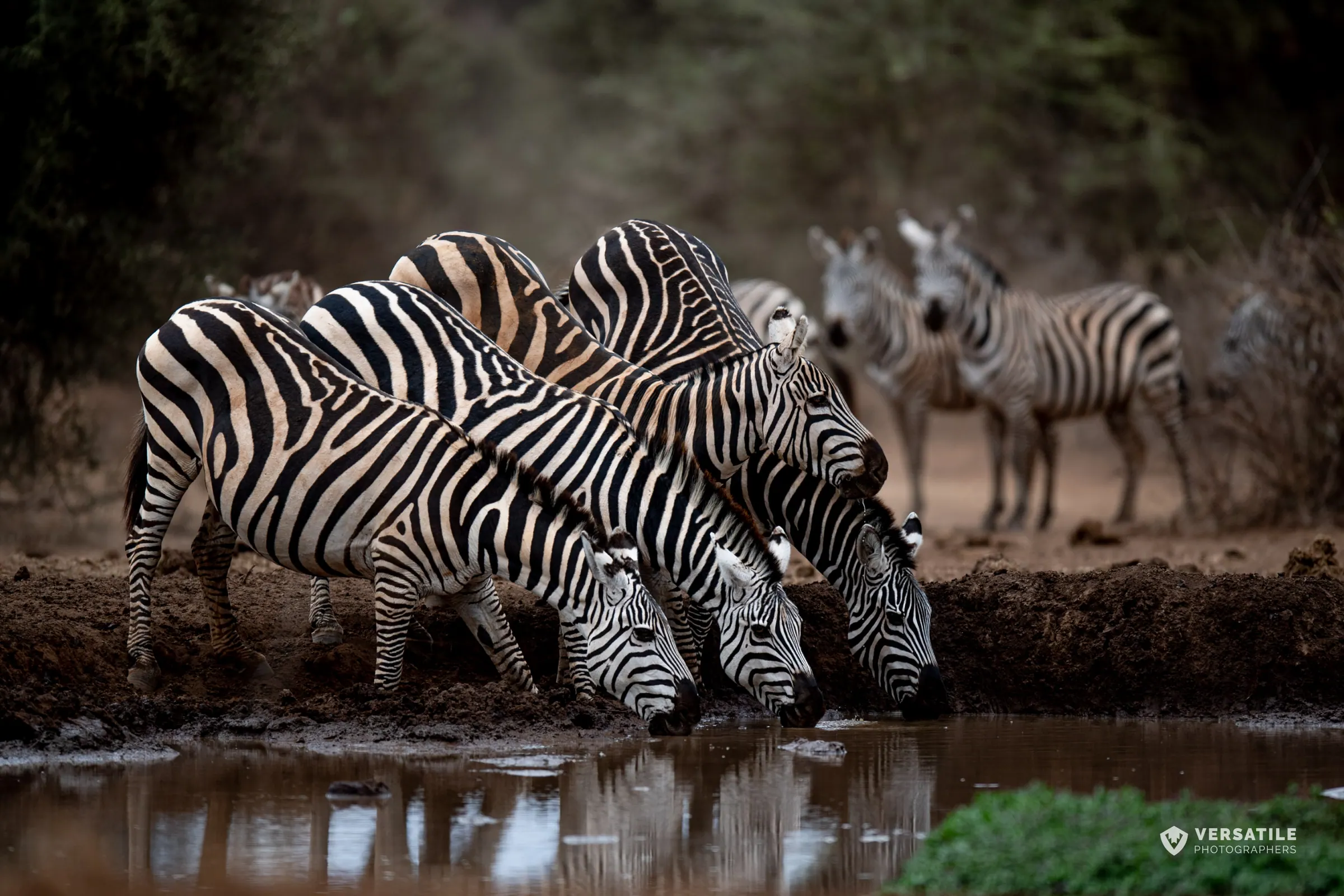
Plains zebras live in stable families of one stallion, several mares and their foals, which join together into large herds. Grevy's zebras live differently: males hold territories near water and grass, while females and young move freely between them. Grevy's zebras can go several days without water, but nursing mothers need to drink much more often, which ties them to water points. The leading theory for stripes is that they deter biting flies. Every zebra's pattern is unique, and researchers use photos of stripes to identify individual Grevy's zebras in a census called the Great Grevy's Rally.
Zebras in Kenya today
The IUCN lists the Grevy's zebra as Endangered and the plains zebra as Near Threatened. Kenya's 2025 national wildlife census counted about 2,500 Grevy's zebras, a little fewer than in 2021, from an estimated 15,000 worldwide in the late 1970s. Their range is shared with herders, and competition for grass and water, drought, habitat loss and past hunting for skins have all driven the decline. Community conservancies in Samburu, Isiolo, Marsabit and Laikipia, and groups such as the Grevy's Zebra Trust, work with herders to protect grazing and water for both people and zebras.
Watching zebras ethically
- On foot or bike at Hell's Gate or Naivasha, keep your distance and never walk between a mare and her foal
- Zebras kick and bite, so do not approach them to pose for a photo
- At a river crossing, stay well back from the bank so the herds can choose their moment
- In the north, follow your guide's lead around herders and their livestock, who share the land
Photography tip: zebras make strong graphic pictures. Fill the frame with overlapping stripes for an abstract shot, and dial in a little negative exposure compensation so the white stripes keep their detail in bright sun.