KENYA EXPERIENCE
Plan your trip
Birdlife and volcanic landscapes at Lake Bogoria

The Ilchamus

Maa-speaking farmers and fishers of the southern and eastern shores of Lake Baringo.

Homeland

The Ilchamus, also called Njemps, live on the southern and eastern shores of Lake Baringo around Marigat. The 2019 census counted 32,949 Ilchamus.

Language and society

The Ilchamus speak Maa, the Eastern Nilotic language of the Maasai and Samburu, and keep age-sets and moran traditions.
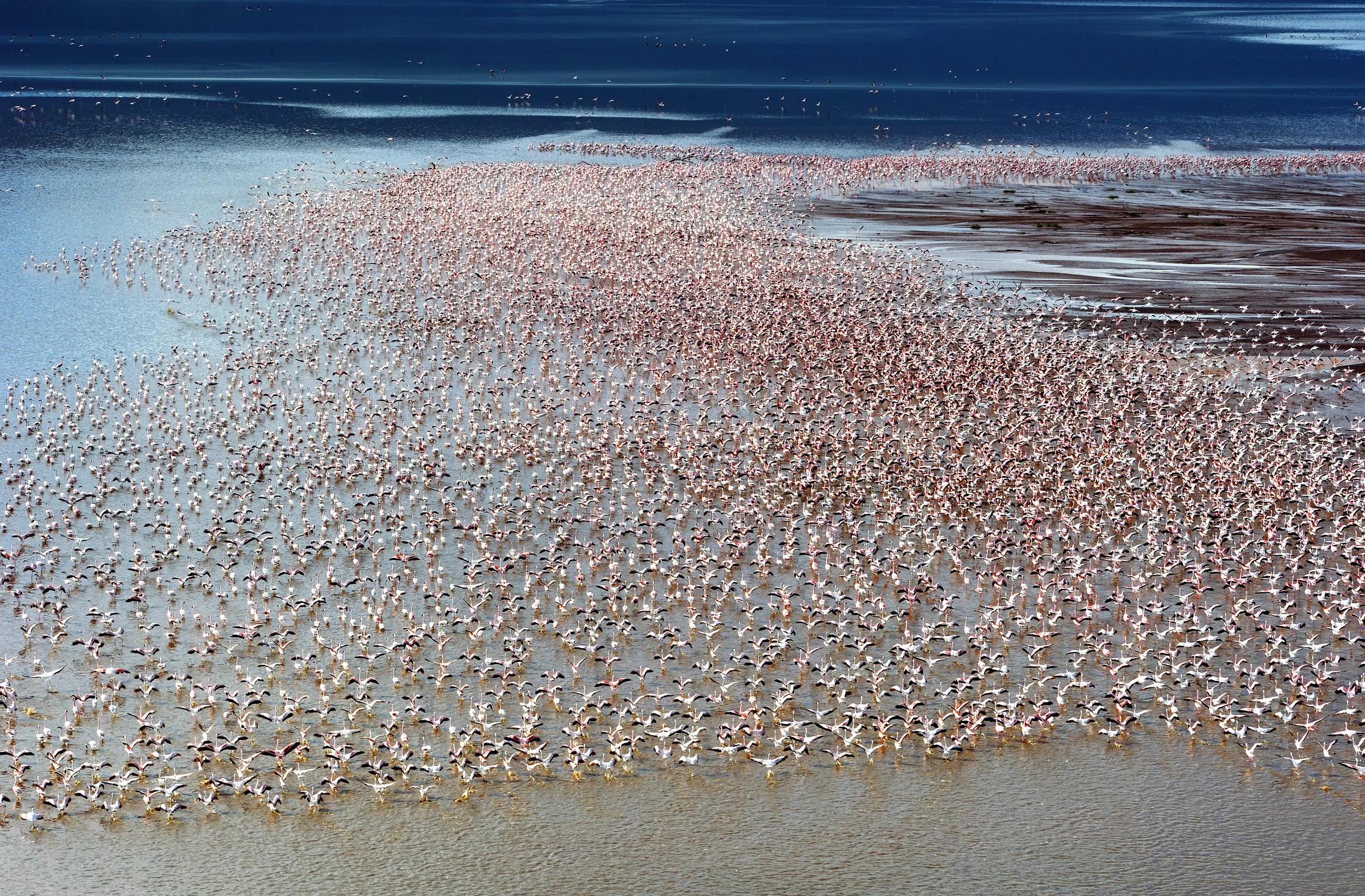
Flamingos covering a Rift Valley lake, seen from the air
Baringo County.

Origins

One theory holds that the Ilchamus descend from a Maa section defeated in the nineteenth-century Iloikop wars.

Livelihood

Unlike other Maa speakers, the Ilchamus farm and fish. They irrigated sorghum and millet from the Perkerra and Molo rivers, and fished from canoes of feather-light ambach wood.

History

In 2006 the Ilchamus won a High Court case affirming their right to representation as a distinct minority.

Sources

From The Peoples of Kenya: An Ethnographic Reference (Kenya Experience, November 2026), a synthesis of published sources. Practices described as traditional are historical baselines; today most Kenyans are Christian or Muslim, live in or near towns and speak Swahili and English. Spot something to correct? Write to kibetck@kenyaexperience.org.
Common questions

Where do the Ilchamus live?

On the southern and eastern shores of Lake Baringo around Marigat, in Baringo County. The 2019 census counted 32,949 Ilchamus.

Who are the Njemps?

Njemps is another name for the Ilchamus, the Maa-speaking community of Lake Baringo.

What language do the Ilchamus speak?

The Ilchamus speak Maa, the language of the Maasai and Samburu.

How are the Ilchamus different from other Maa speakers?

They keep Maa age-sets and moran traditions, but unlike other Maa speakers they farm and fish, irrigating sorghum and millet and fishing from ambach-wood canoes.

Umoja

Umoja means unity.

More than forty peoples, one Kenya

Kenya's many communities, languages and traditions are one of its great strengths, and the reason no two days of a Kenya trip feel the same. Meet them through hosts, guides and neighbors on a trip planned by Kenyans.

Related peoples

All of Kenya's peoples