Homeland
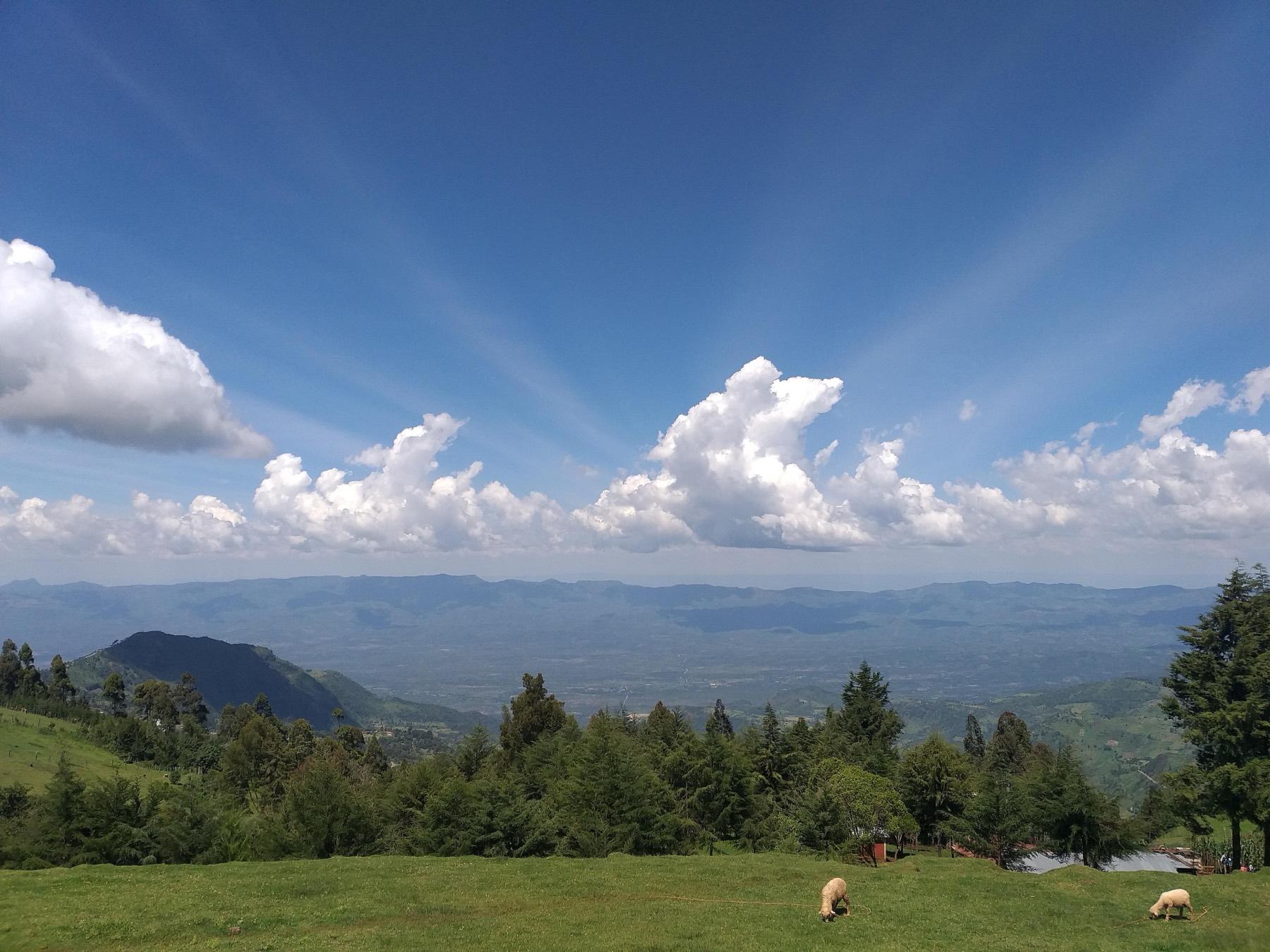
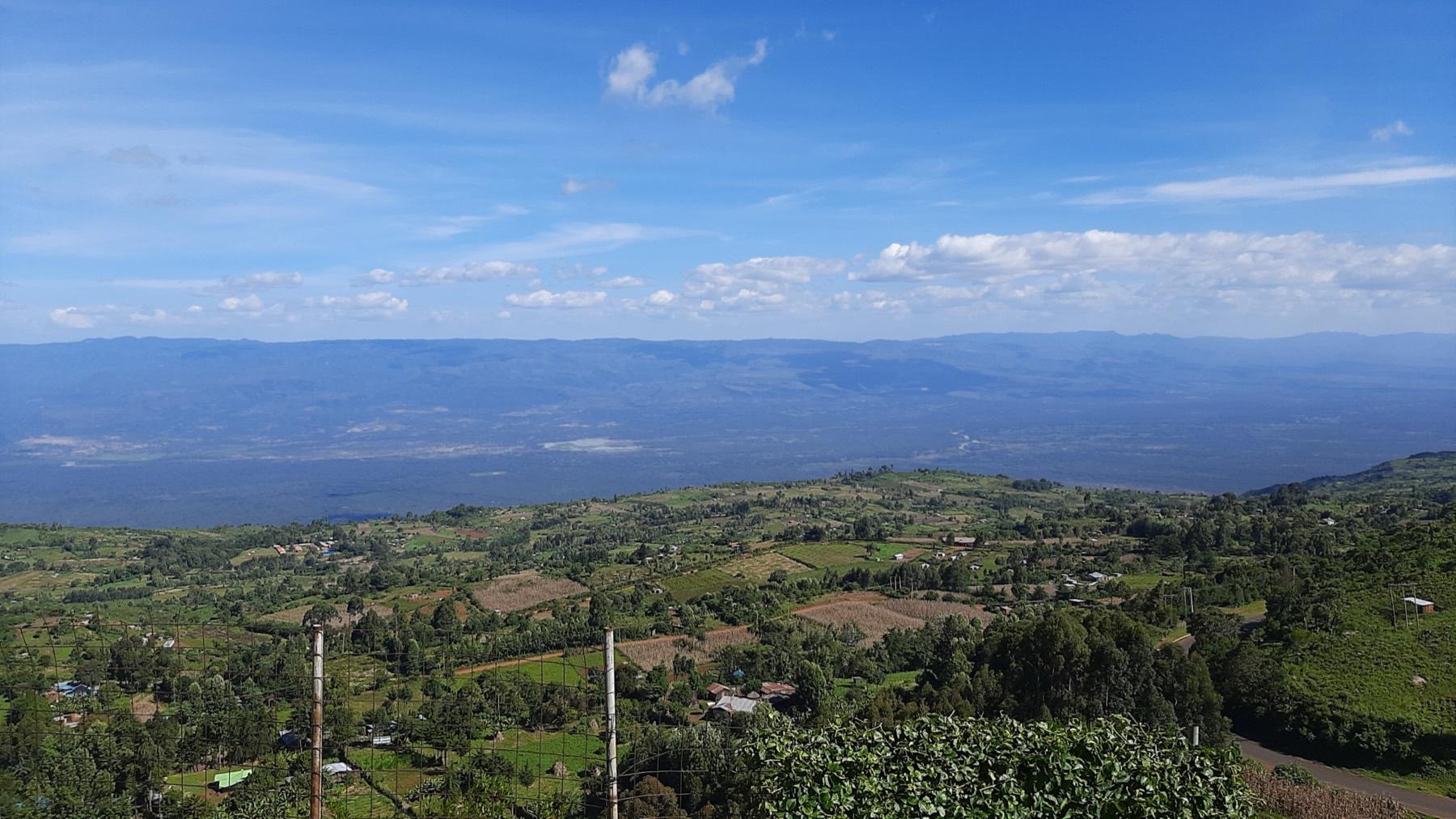
The Kalenjin are a federation of related Southern Nilotic peoples of the western Rift Valley highlands. Their home counties include Uasin Gishu, Nandi, Kericho, Bomet, Baringo, Elgeyo-Marakwet and West Pokot, with the Sabaot on the slopes of Mount Elgon. The 2019 census counted 6,358,113 Kalenjin, Kenya's third-largest community.
Language
Kalenjin is a dialect chain in three clusters. Nandi, Kipsigis, Keiyo and Terik are close to one another; Pokot, with northern Marakwet and northern Tugen, forms a second cluster; Sabaot is a third. Speakers of the first cluster cannot readily follow Pokot or Sabaot. Thank you is kongoi.
Origins and the name
Southern Nilotic speakers have lived in the western highlands for well over a thousand years, and oral tradition points to Mount Elgon (Tulwop Kony) as the place their ancestors dispersed from. The shared name is much younger. It comes from the phrase kalenjin, "I tell you", popularized by a wartime radio broadcaster in the 1940s, and was adopted as a shared identity in the late 1940s and 1950s. Before that the groups were known separately, or as the "Nandi-speaking peoples".
Society
Traditionally every man belonged for life to an age-set (ibinda), entered at circumcision. The set names recur in a fixed cycle, so the same name returns after roughly a century, and each set in turn served as warriors and then as elders. There were no chiefs: a neighborhood council of elders, the kokwet, settled disputes.
Belief
The supreme being is Asis, associated with the sun and also called Cheptalel; among the Pokot, God is Tororot. Ritual experts called orkoik (singular orkoiyot) advised on war and rain, and among the Nandi they came from the Talai clan.
Rites of passage
Initiation (tumdo), with a period of seclusion and instruction, remains a central event. Today it is usually held in the December school holidays. The Pokot are known for sapana, an initiation in which the young man spears an ox.
Livelihood and food
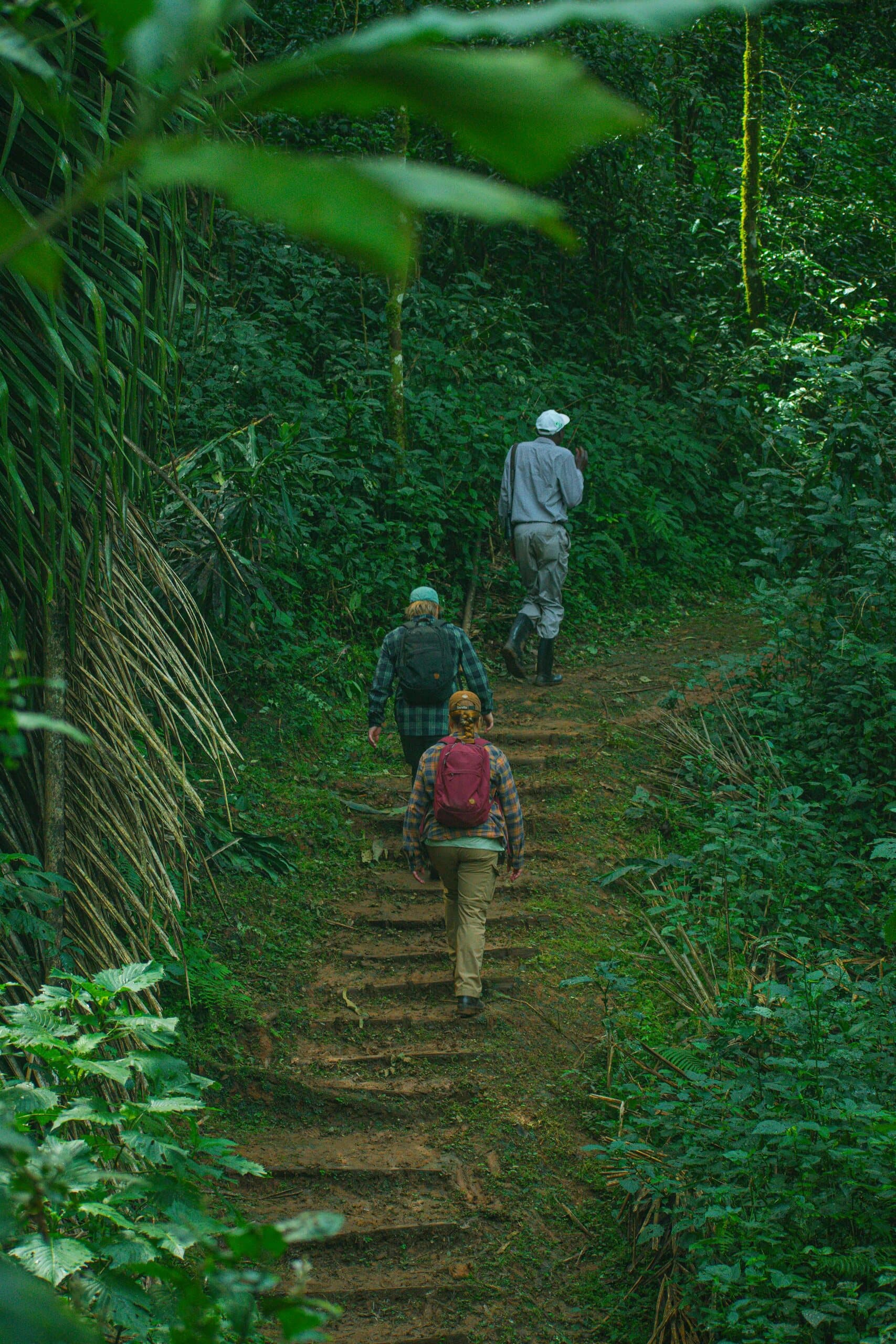
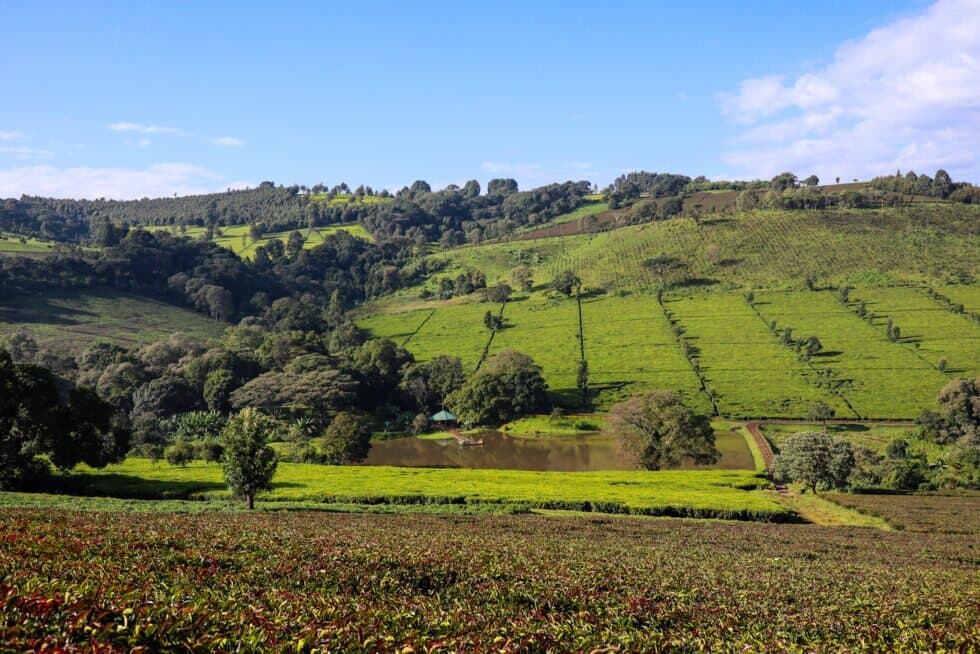
Historically the highland Nilotic peoples kept cattle and grew millet, and some foraged in the forests. The Kipsigis live in the tea-growing highlands of Kericho and Bomet, the Keiyo farm from the valley floor to the highland rim, and the Marakwet maintain centuries-old hillside irrigation furrows in the Kerio Valley. The ceremonial drink is mursik, milk fermented in a gourd lined with charcoal from particular trees, served with kimyet (ugali).
History
Koitalel arap Samoei, the Nandi orkoiyot, led an eleven-year resistance to the Uganda Railway until he was shot by a British officer in 1905. In 2010 the Endorois of Lake Bogoria won a landmark ruling from the African Commission over their eviction to make way for a game reserve.
Today
Kalenjin runners, from Kipchoge Keino to Eliud Kipchoge and Faith Kipyegon, have won a large share of Kenya's distance-running medals. Like most Kenyans today, many Kalenjin are Christian, many live in towns, and most speak Swahili and English alongside their own dialect.
| Sub-group | 2019 population | Homeland | Distinctive features |
|---|---|---|---|
| Kipsigis | 1,905,983 | Kericho, Bomet | Largest group; tea-growing highlands; southernmost Kalenjin |
| Nandi | 937,884 | Nandi, Uasin Gishu | Koitalel's resistance; the Talai clan of orkoik |
| Pokot | 778,408 | West Pokot, Baringo (Tiaty) | Hill farmers and plains pastoralists; sapana ox-spearing initiation; God is Tororot |
| Sabaot (Kony, Bok, Bong'omek) | 296,374 | Mount Elgon (Bungoma, Trans Nzoia) | Named for the greeting Subai; kin of the Sebei of Uganda |
| Keiyo (Elgeyo) | 251,441 | Elgeyo escarpment | Farm the valley floor to the highland rim |
| Tugen | 197,566 | Tugen Hills, Baringo | Highland community of the Tugen Hills |
| Marakwet | 119,969 | Cherangany Hills, Kerio Valley | Centuries-old hillside irrigation furrows |
| Arror | 92,470 | Northern Baringo | Culturally close to Marakwet |
| Lembus | 71,600 | Southern Baringo (Eldama Ravine) | Forest-edge community |
| Endorois | 45,621 | Lake Bogoria | Won a landmark 2010 African Commission ruling over eviction for a game reserve |
| Terik | 23,324 | Nandi and Vihiga border | Share initiation customs with the Luhya Tiriki |
Experience it with respect
The Kalenjin highlands are home to Kenya's running towns, and you can train alongside local athletes at hosted camps in Iten above the Kerio Valley. We also visit the tea estates of the Kipsigis highlands around Kericho. Visits are arranged with local hosts, who are paid for their time.
Further reading
- Knowing Ethnicity: Politics, Classification and Pluralism in Kenya, Samantha Balaton-Chrimes, 2026
Sources
- Encyclopedia.com: Nandi and other Kalenjin peoples
- Encyclopedia.com: Kalenjin
- Wikipedia: Kalenjin people
- Stats Kenya: number of people by tribe
From The Peoples of Kenya: An Ethnographic Reference (Kenya Experience, November 2026), a synthesis of published sources. Practices described as traditional are historical baselines; today most Kenyans are Christian or Muslim, live in or near towns and speak Swahili and English. Spot something to correct? Write to kibetck@kenyaexperience.org.