Homeland
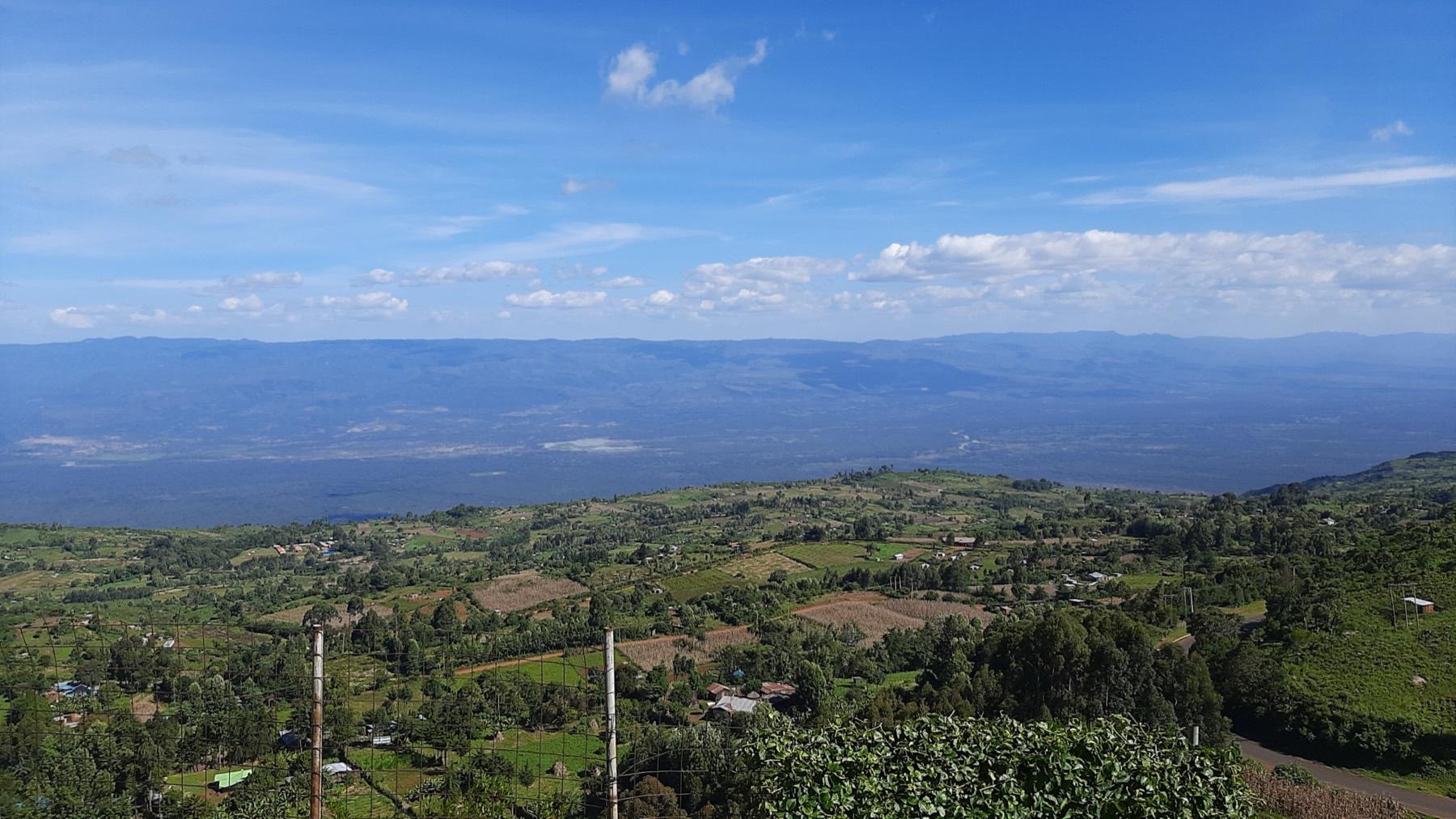
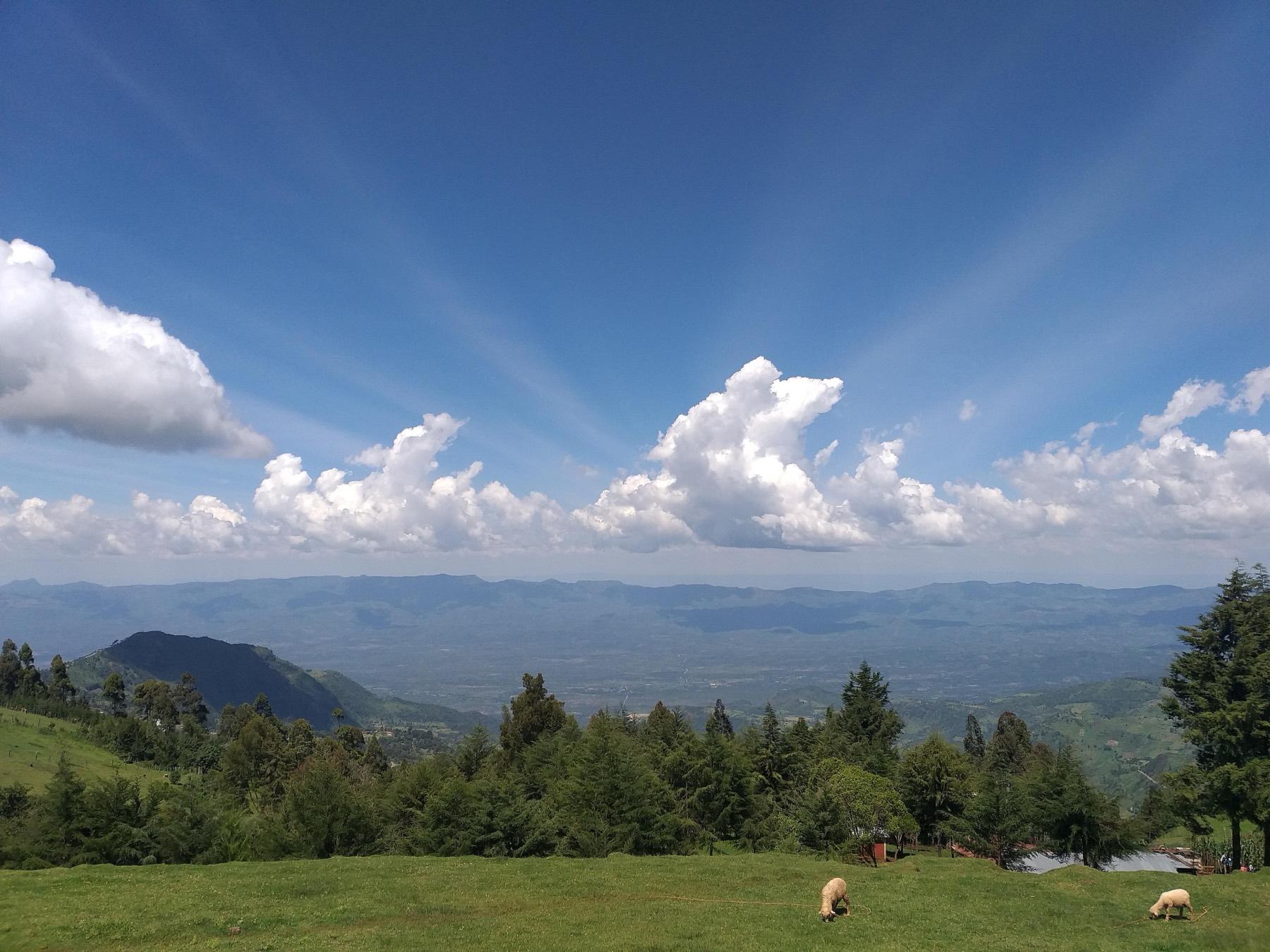
The Ogiek live in the Mau Forest complex and on Mount Elgon. The 2019 census counted 52,596 Ogiek, recorded under the Kalenjin.
Language
Most Ogiek now speak a Kalenjin dialect, part of the Southern Nilotic languages of the western highlands. Some sections shifted to Maa.
Way of life
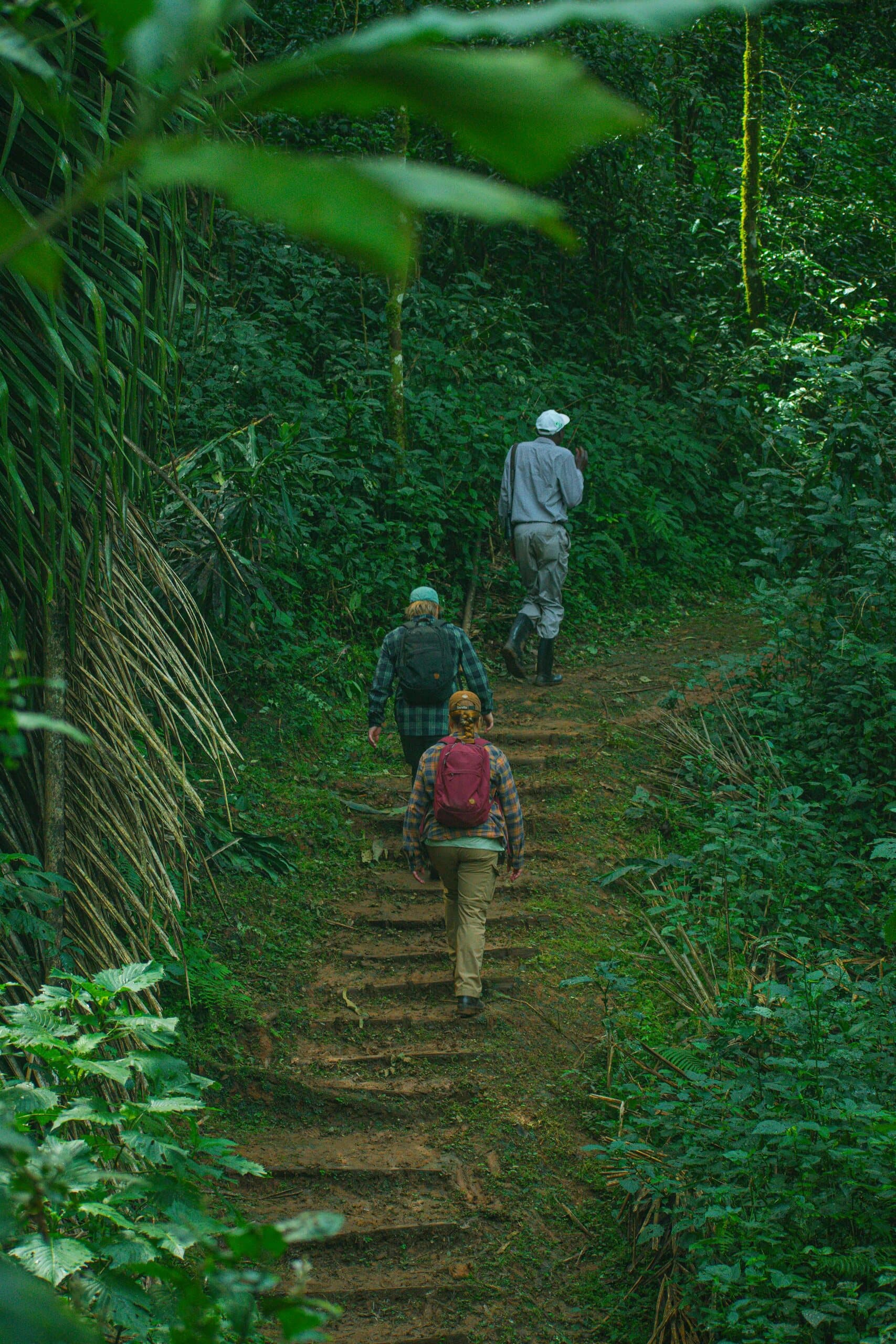
The Ogiek are among Africa's last forest-dwelling hunter-gatherers. Life centers on honey: log hives, forest territories divided by lineage, and honey used as food, medicine, bridewealth and beer.
Their name
Outsiders long called forest foragers "Dorobo", from a Maasai word for people without cattle. It is derogatory, and the community's own name, Ogiek, is used instead. In 1933 a colonial land commission dismissed the Ogiek as deserving "no tribal status" and recommended their assimilation.
Land rights
In May 2017 the African Court on Human and Peoples' Rights ruled that Kenya had violated Ogiek rights by evicting them from the Mau, and recognized them as an indigenous people. In June 2022 it ordered about KSh 157 million in compensation and a collective land title. Evictions nonetheless resumed in November 2023.
Today
Whether the Ogiek belong under the Kalenjin umbrella is a point scholars dispute.
Further reading
- Knowing Ethnicity: Politics, Classification and Pluralism in Kenya, Samantha Balaton-Chrimes, 2026
Sources
- Minority Rights Group: Ogiek
- Katiba Institute: African Court judgment on the Ogiek
- Harvard International Law Journal: the Ogiek reparations ruling
- The Standard: Ogiek face evictions despite landmark ruling
From The Peoples of Kenya: An Ethnographic Reference (Kenya Experience, November 2026), a synthesis of published sources. Practices described as traditional are historical baselines; today most Kenyans are Christian or Muslim, live in or near towns and speak Swahili and English. Spot something to correct? Write to kibetck@kenyaexperience.org.