Parks and reserves. Updated November 2026. 4 min read.
Samburu gets the name. Buffalo Springs gets the water. On the south bank of the Ewaso Ng'iro, opposite Samburu National Reserve, clear springs rise out of the ground and feed pools and green patches in otherwise dry, red country, and in the dry season everything comes to drink: elephants, Grevy's zebra, oryx, baboons and the birds that follow them.
Buffalo Springs National Reserve covers 131 square kilometers (about 51 square miles) in Isiolo County. It shares the river, the wildlife and the famous Samburu Special Five with Samburu National Reserve across the water, and most safaris drive both. Our Samburu page covers all three northern reserves together; this page answers the questions people ask about Buffalo Springs itself: how it differs from Samburu, whether one ticket covers both, which camps sit on this side, and whether to base yourself here.
How it relates to Samburu and Shaba
| Samburu | Buffalo Springs | Shaba | |
|---|---|---|---|
| Managed by | Samburu County | Isiolo County | Isiolo County |
| Size | About 165 km2 | 131 km2 | 239 km2 |
| Position | North bank of the river | South bank, opposite Samburu | East, across the main highway |
| Character | Classic river camps, the busiest | Open plains, springs, a little cheaper | Lava hills and springs, the quietest |
| Camps | Several river camps and lodges | Ashnil Samburu, Ashnil Surana, Samburu Simba | Sarova Shaba Game Lodge |
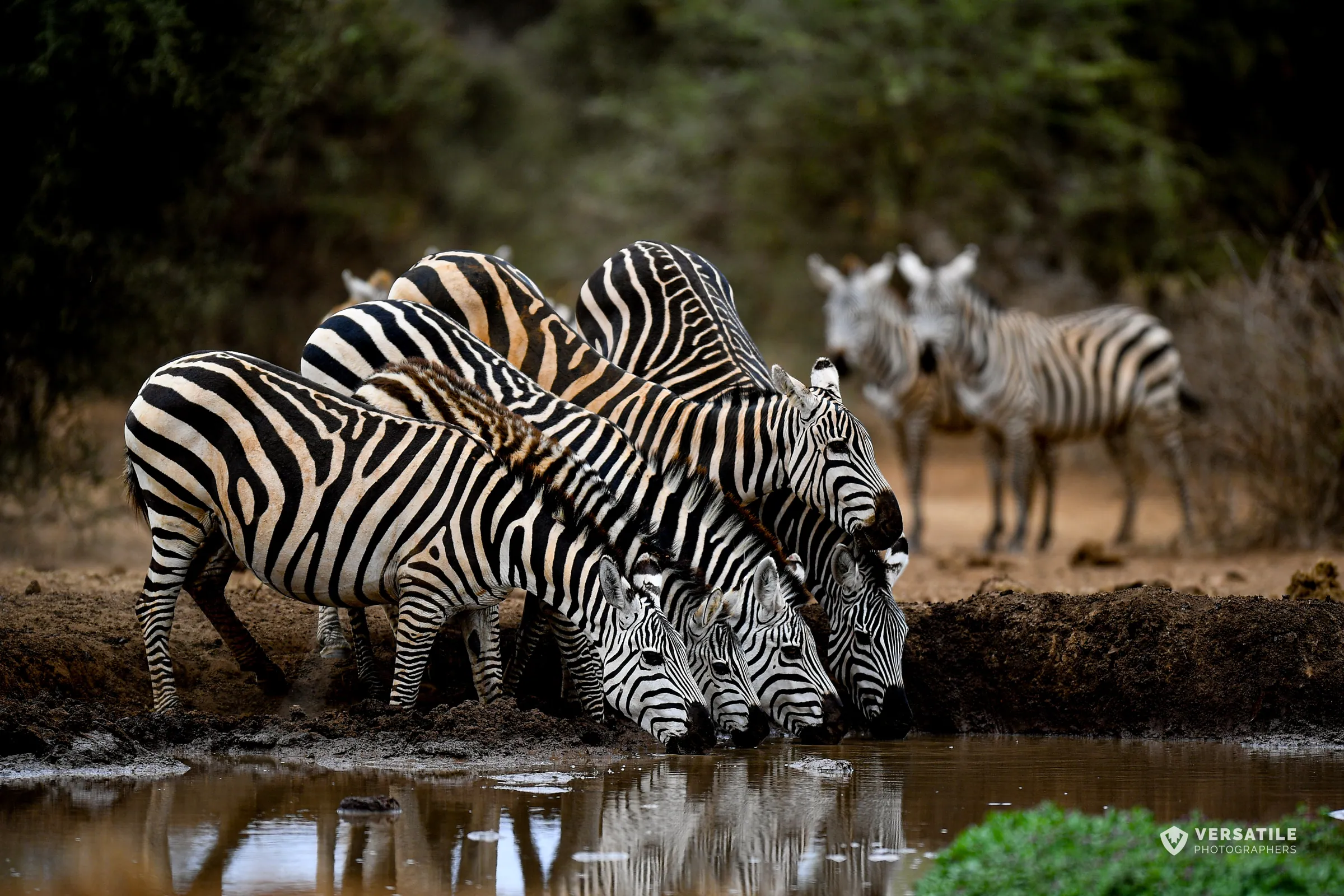
Animals cross the river freely, and in the dry season elephants wade it every day. The two reserves are run by two different county governments, but in practice visitors treat them as one area, and a bridge links the banks.
The ticket question
For years, a ticket bought at a Samburu or Buffalo Springs gate has generally been honored on the other side of the river, and many itineraries assume one fee covers both. Because the reserves belong to two counties, that arrangement is a practice rather than a fixed rule, and it has changed before. At the time of writing, the fee for a foreign adult is in the region of $70 to $85 per day. We confirm the current fee and whether it covers both banks, and Shaba, for every trip, and we include it in your quote. If you are driving yourself, ask at the gate before you cross.
The springs and the landscape
The reserve takes its name from its springs, a rare source of clear, fresh water in this hot, dry country, and the pools and swampy ground around them stay green when the rest of the reserve has gone brown. Away from the springs, Buffalo Springs is more open than Samburu: lava-strewn plains, scattered acacia and doum palms along the river. Open country means animals are easy to spot, and it suits the Grevy's zebra and the oryx.
Wildlife
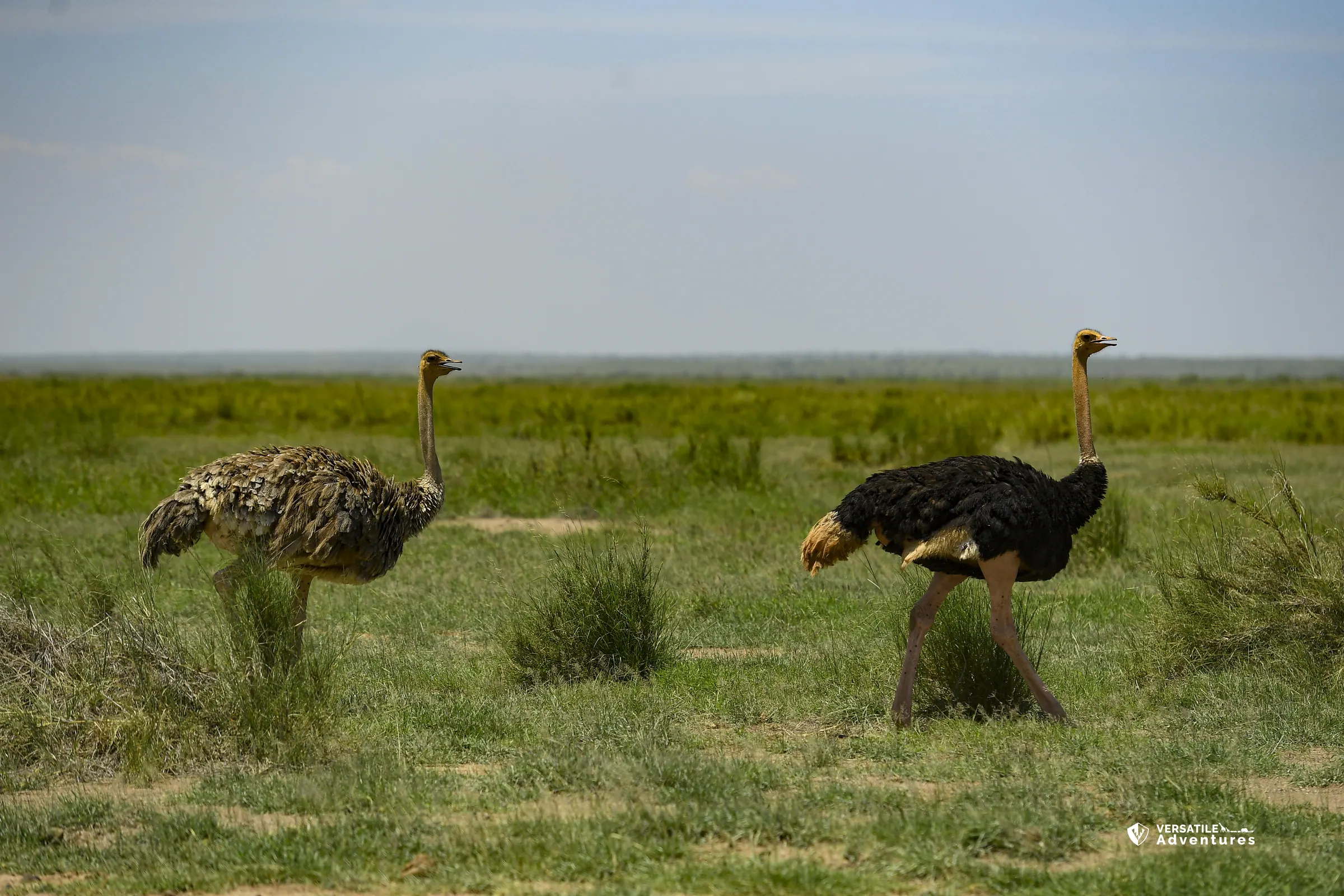
- The Special Five: Grevy's zebra, reticulated giraffe, beisa oryx, Somali ostrich with its blue-gray legs, and the gerenuk, which stands on its hind legs to browse
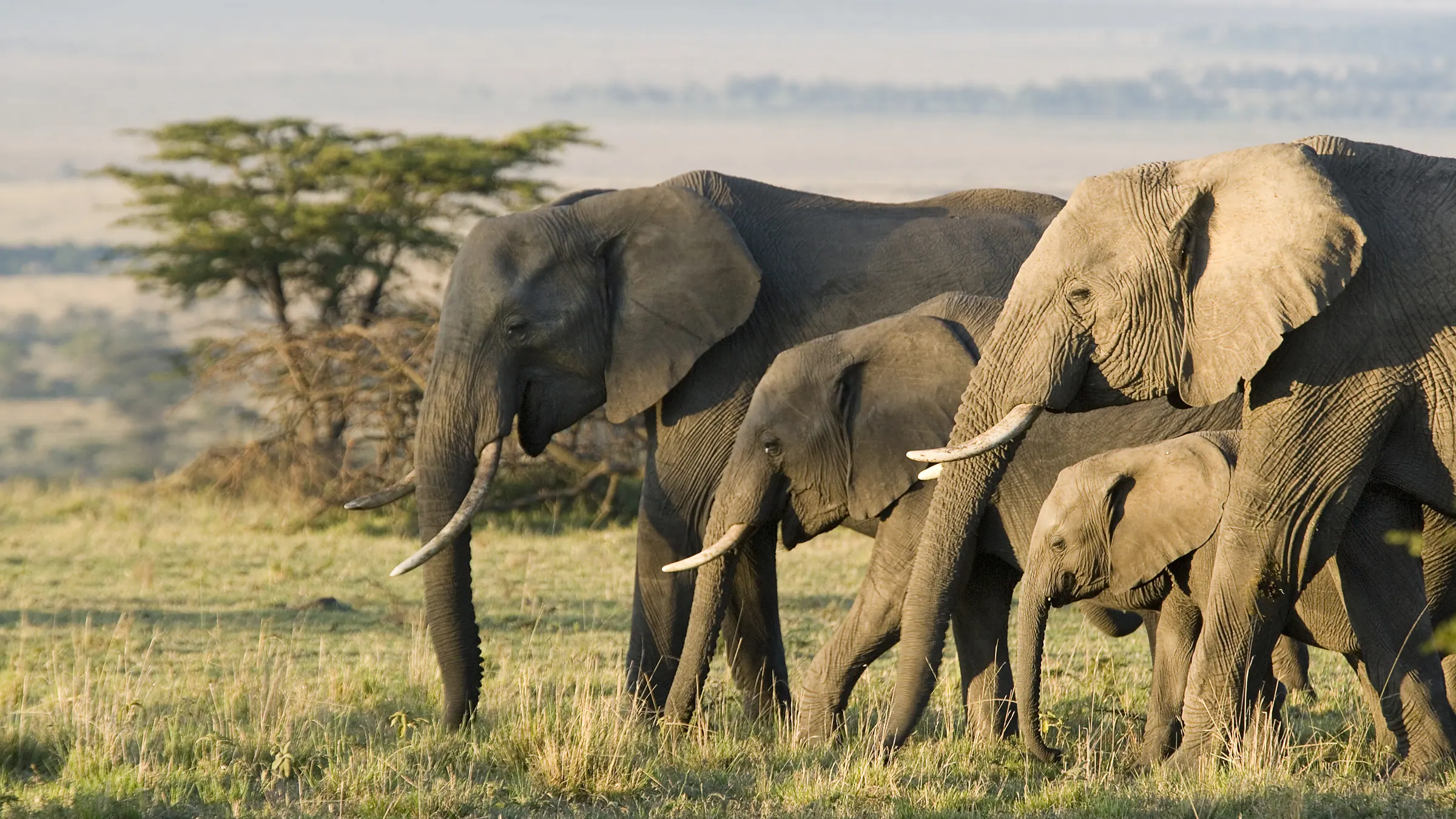
- Elephants, especially along the river in the dry season, many of them known individually to Save the Elephants' researchers
- Lions, leopards and cheetahs, with leopards most often near the river
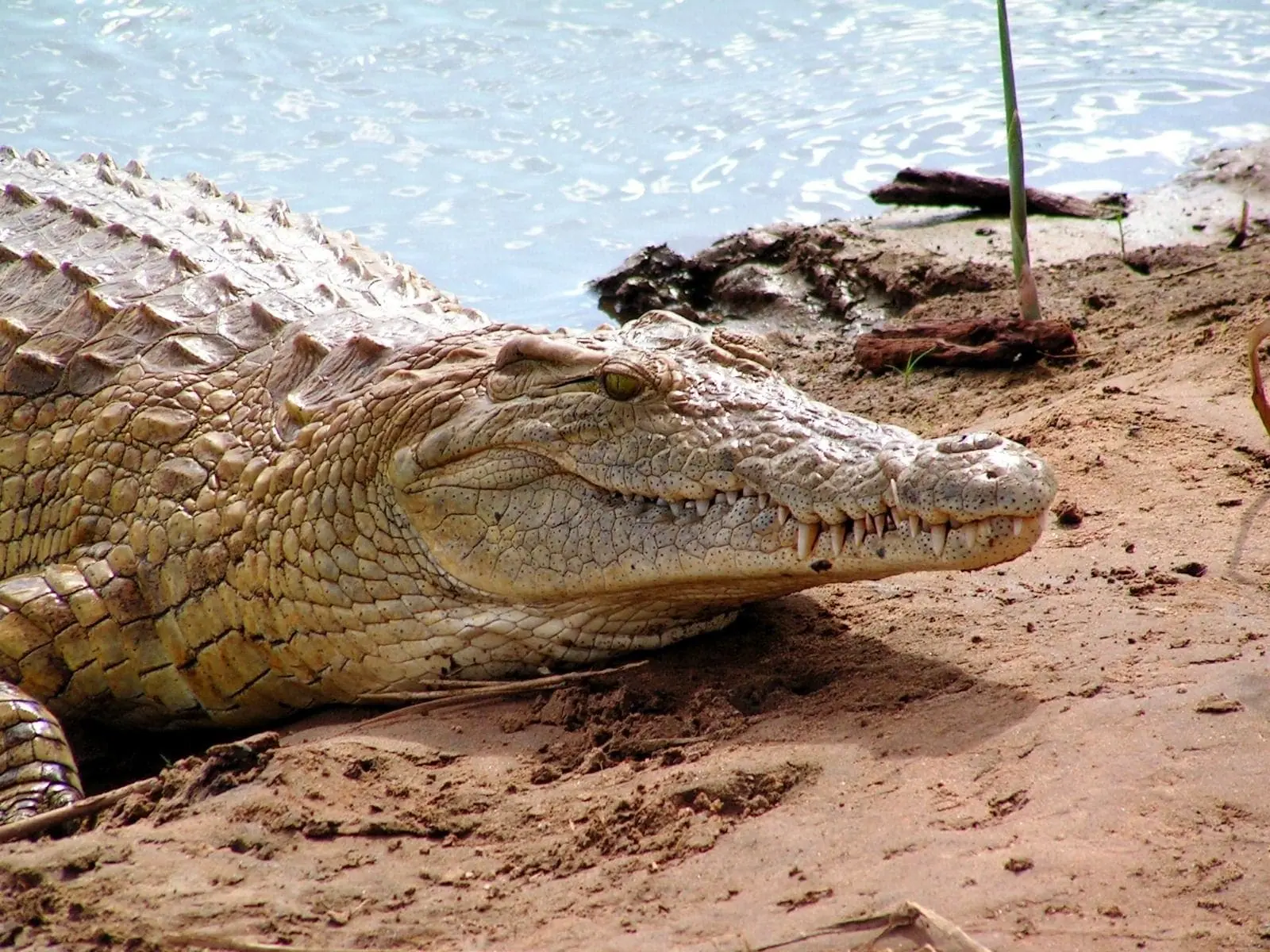
- Nile crocodiles on the riverbanks, and dry-country birds such as vulturine guineafowl
Where to stay on the south bank
Camps on the Buffalo Springs side include Ashnil Samburu, on the river (from about $290 a night at the time of writing), Ashnil Surana and Samburu Simba Lodge. The south bank is usually a little cheaper than the classic Samburu river camps for a similar setting. Our where to stay in Samburu guide compares every area, including the community conservancies to the north, at three price levels.
When to go
The dry seasons, roughly June to October and January to March, are best, when the river and the springs are the only reliable water. The long rains usually come in April and May and the short rains around November. It is hot all year, often 88 to 93 degrees Fahrenheit at midday, so drives run early and late with a long rest in between; a camp with a pool helps.
Getting there
By road from Nairobi, allow about six hours on paved highway through Nanyuki and Isiolo to Archers Post, the small town at the reserve gates. Scheduled light aircraft fly from Wilson Airport to the Buffalo Springs or Kalama airstrips in about 1 hour 15 minutes, often with a stop, and the soft-bag limit is about 15 kg.
Base here or in Samburu?
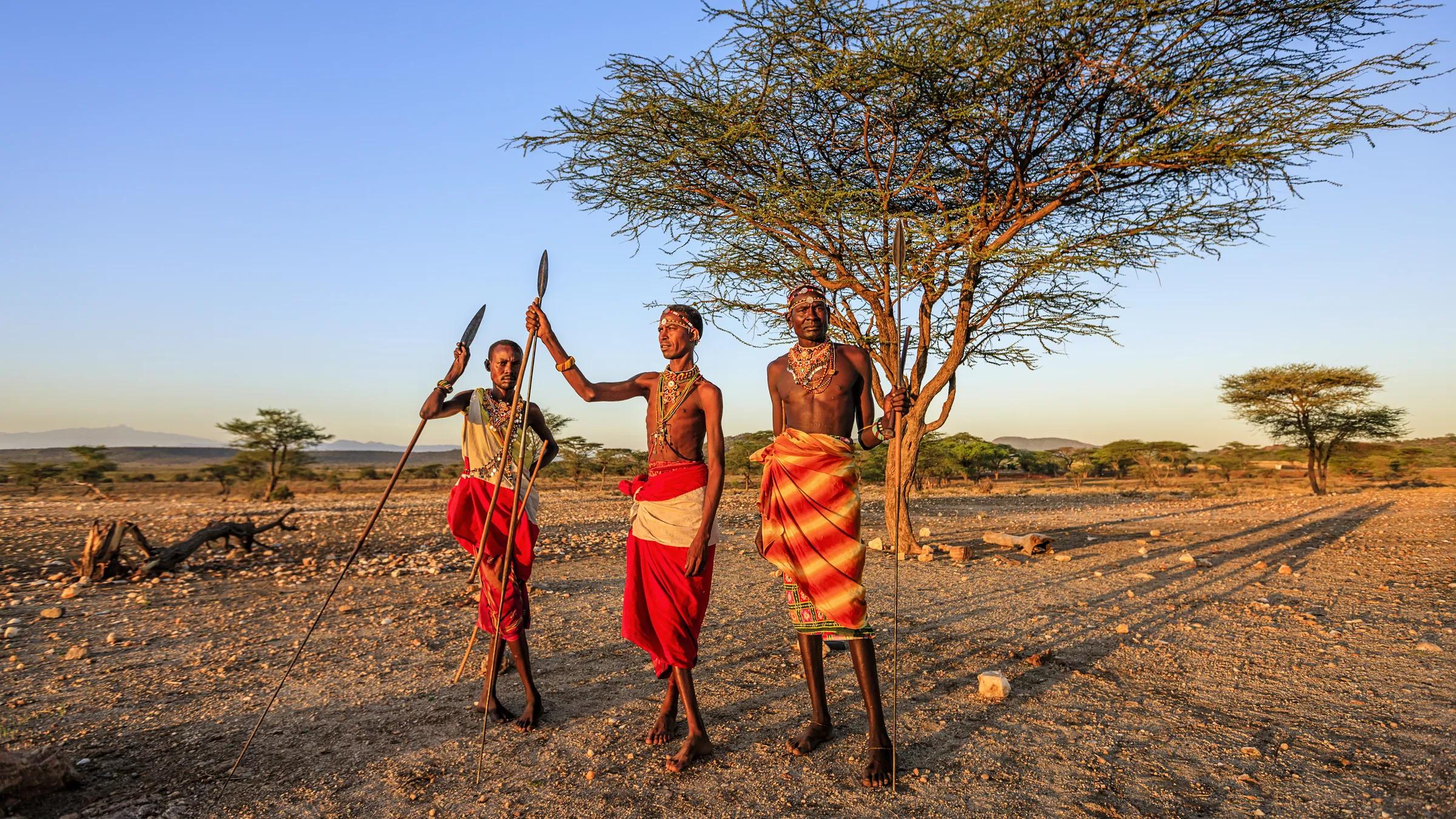
Either works, because you will drive both banks. Base in Buffalo Springs for slightly lower rates and the open plains; base in Samburu for the classic river camps. Two to three nights covers both reserves and a visit to a Samburu community. We are Kenyan-led, with two U.S. companies behind us; pay in full or monthly with no deposit.