Parks and reserves. Updated November 2026. 4 min read.
Ruma is the national park Kenyans themselves rarely visit, and that is part of its appeal. In a green valley a short drive from Lake Victoria, it protects the only roan antelope left in Kenya, a big, horse-like antelope with swept-back horns and a black-and-white face. You may have the whole park to yourself for a day.
Ruma National Park covers about 120 square kilometers (46 square miles) of the Lambwe Valley in Homa Bay County, run by Kenya Wildlife Service. Come for the roan, Rothschild's giraffe, oribi and Jackson's hartebeest, for birds, and for the sense of having found somewhere almost nobody goes. Do not come for big lion prides or a classic Mara-style safari. Ruma works best as one day of a western Kenya trip that also takes in Rusinga Island, the Thimlich Ohinga stone settlement and Kisumu.
The roan antelope
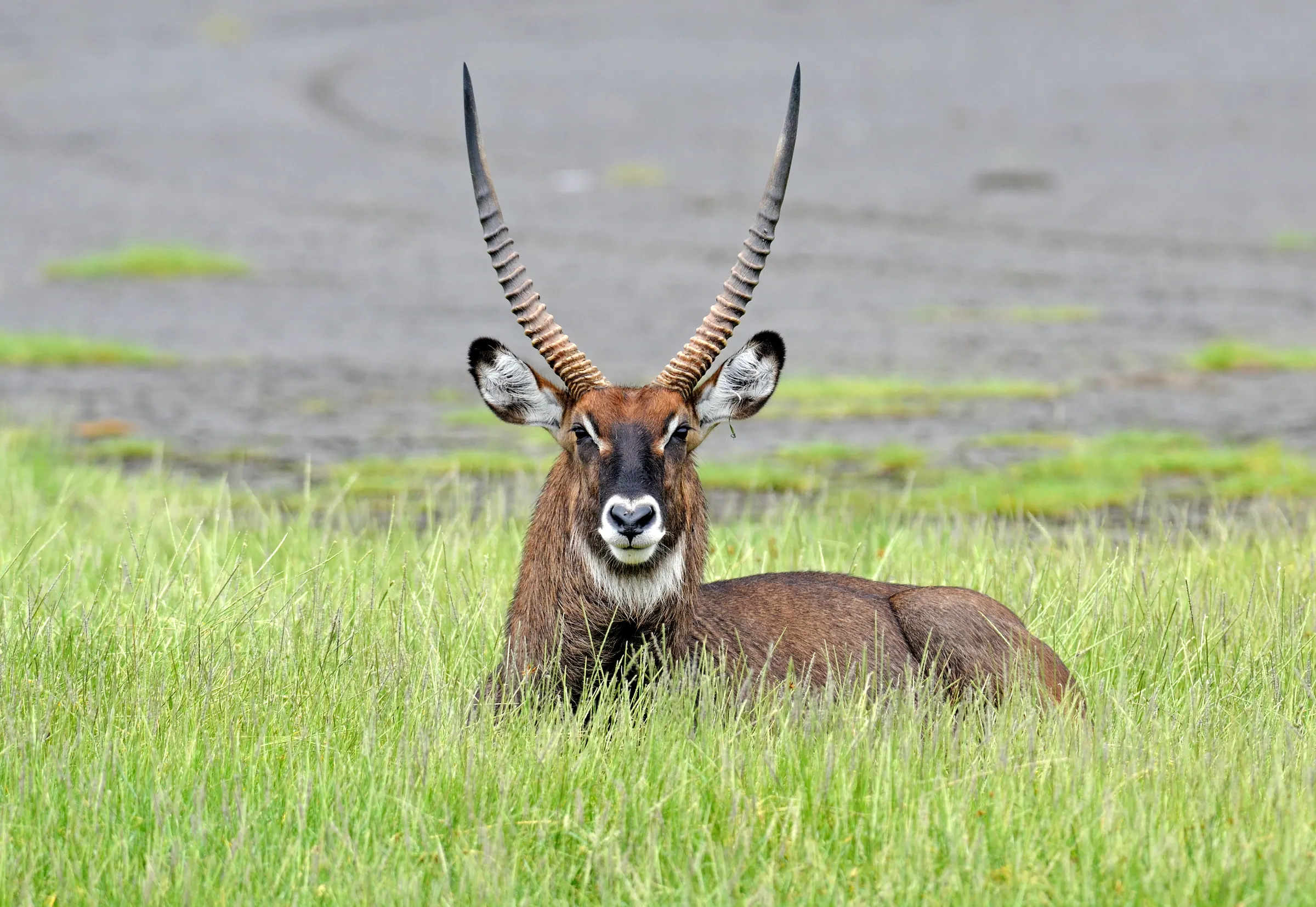
The roan is one of Africa's largest antelopes, standing taller than most people at the shoulder, with a grayish-roan coat, long tufted ears, a short mane and heavy ridged horns that curve backward. It is widespread in parts of southern and central Africa, but in Kenya only a very small population survives, and it survives here. Numbers are low enough that a sighting is never guaranteed. Your best chance is in the early morning on the open grassland, with a ranger or guide who knows where the herd has been feeding.
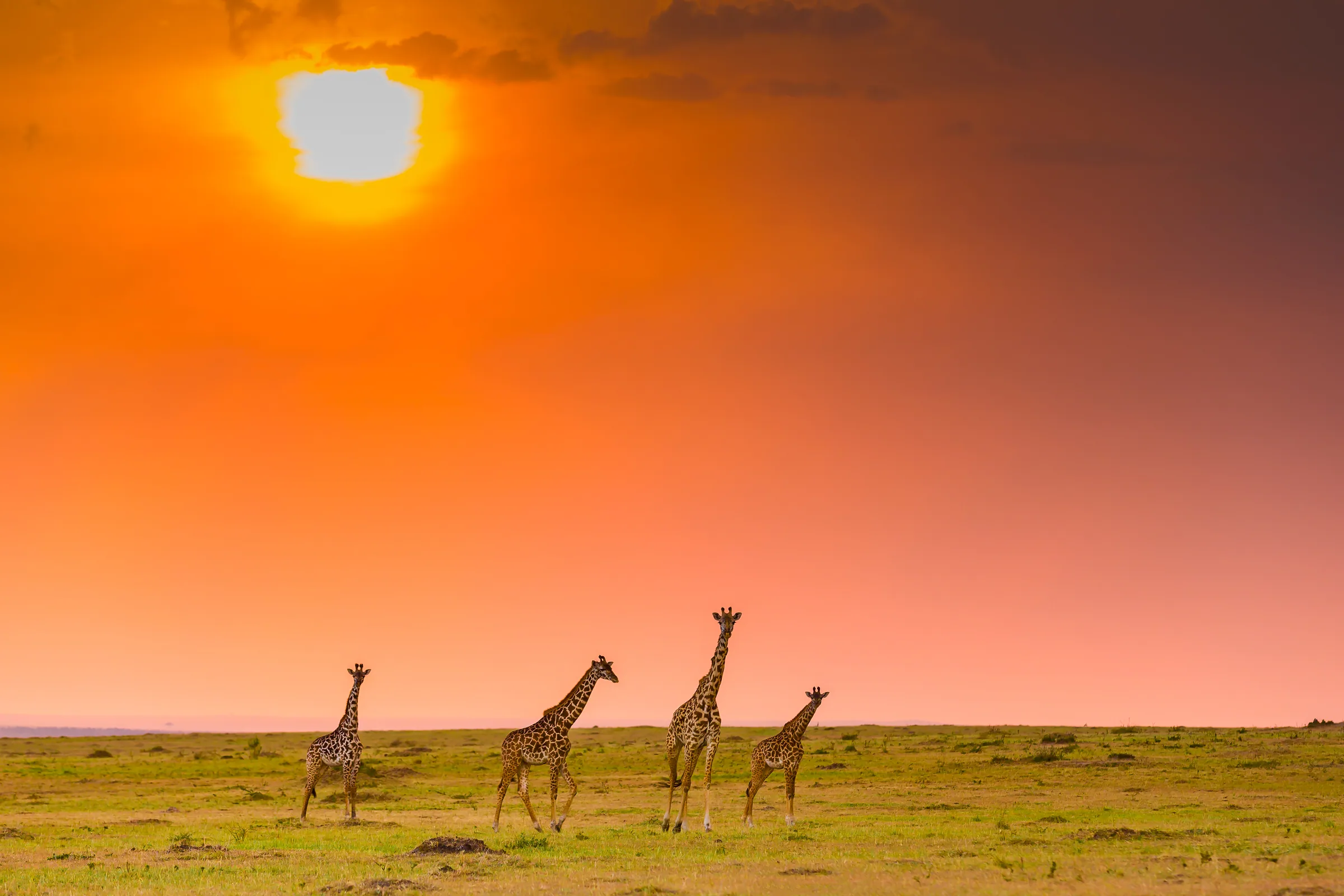
Other wildlife
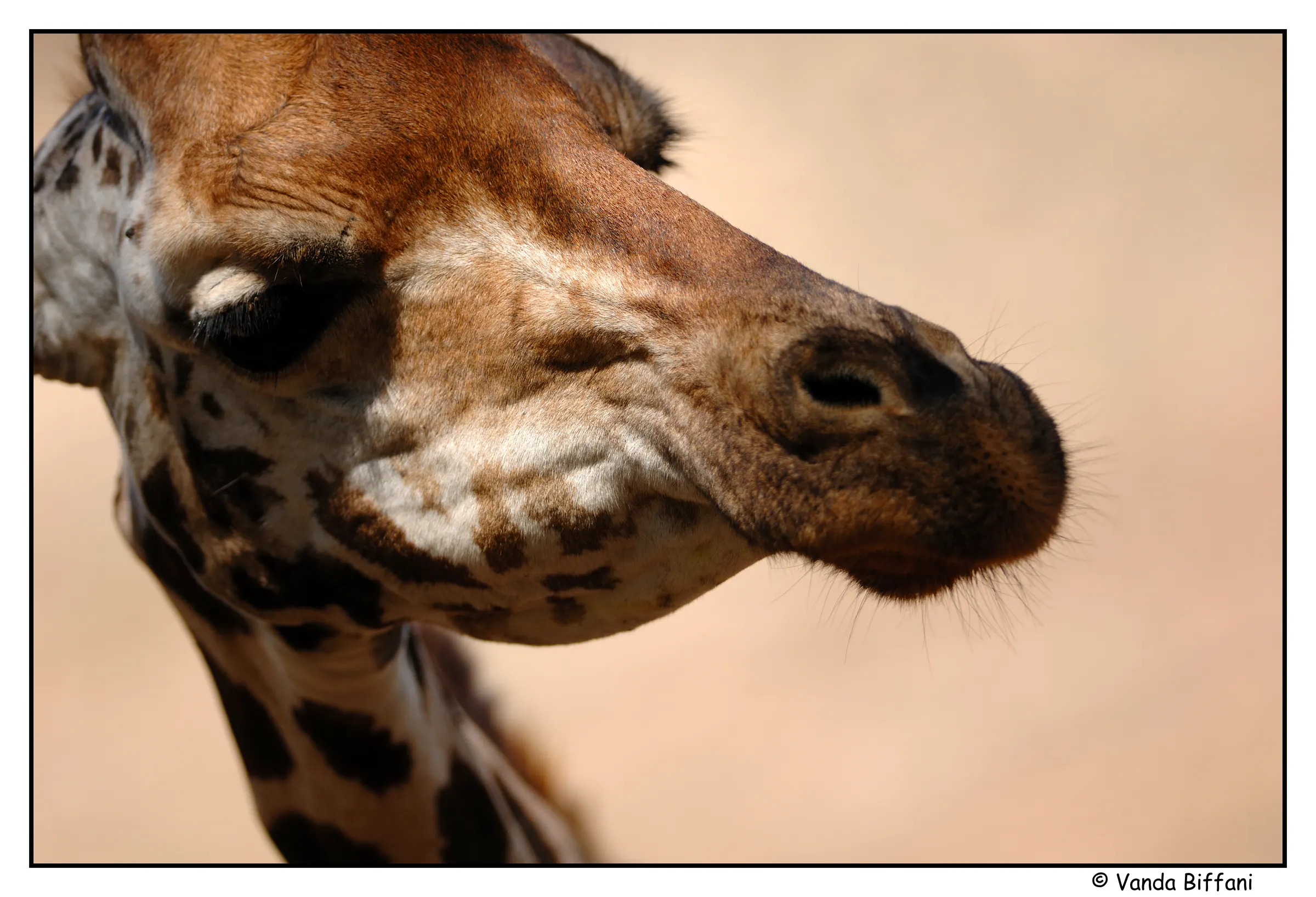
- Rothschild's giraffe, the subspecies of western Kenya and Uganda, with white stockings and no markings below the knee
- Oribi, a small, elegant antelope of tall grassland that is rare elsewhere in Kenya
- Jackson's hartebeest, the western form of the hartebeest
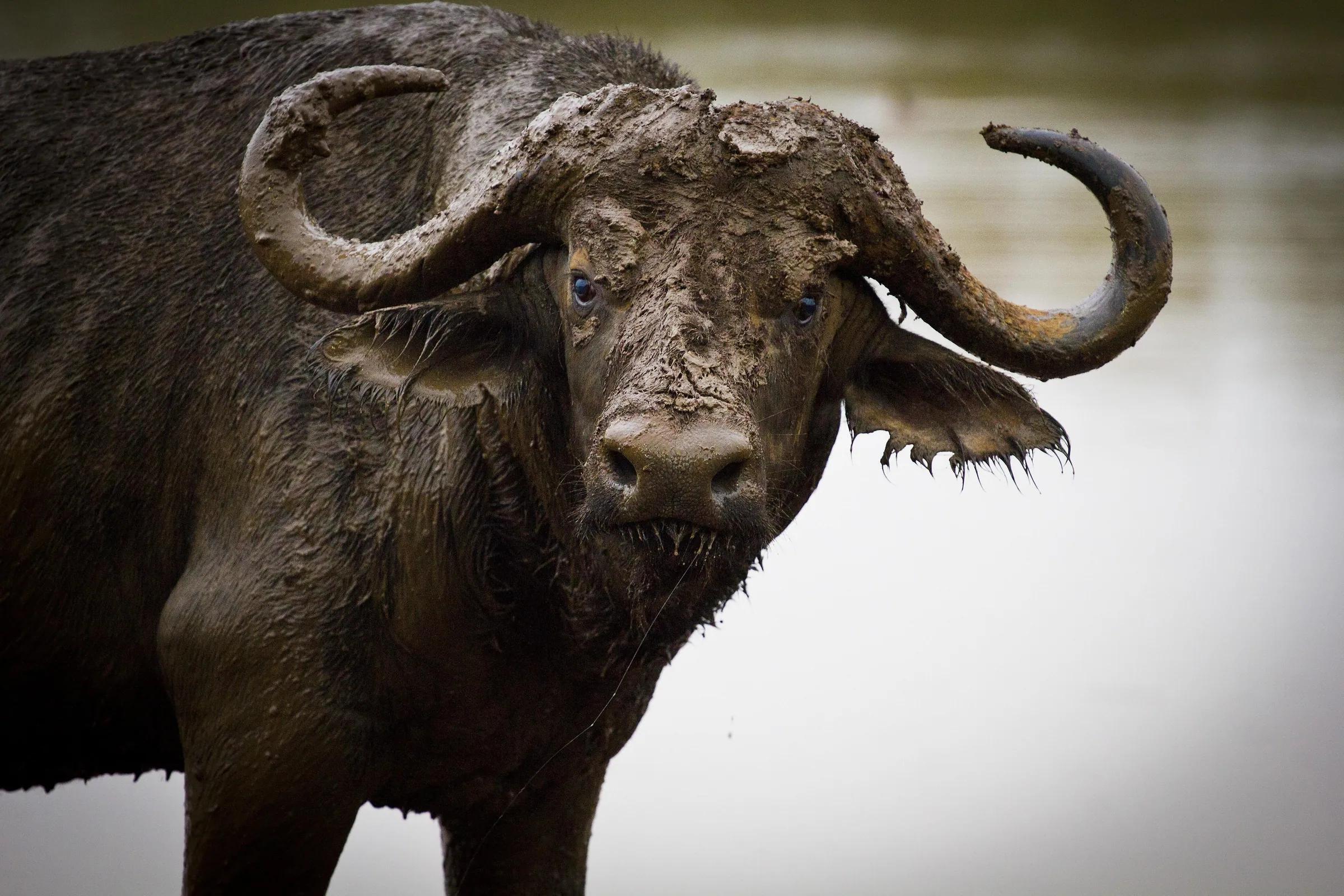
- Buffalo, leopards and hyenas, which are present but shy
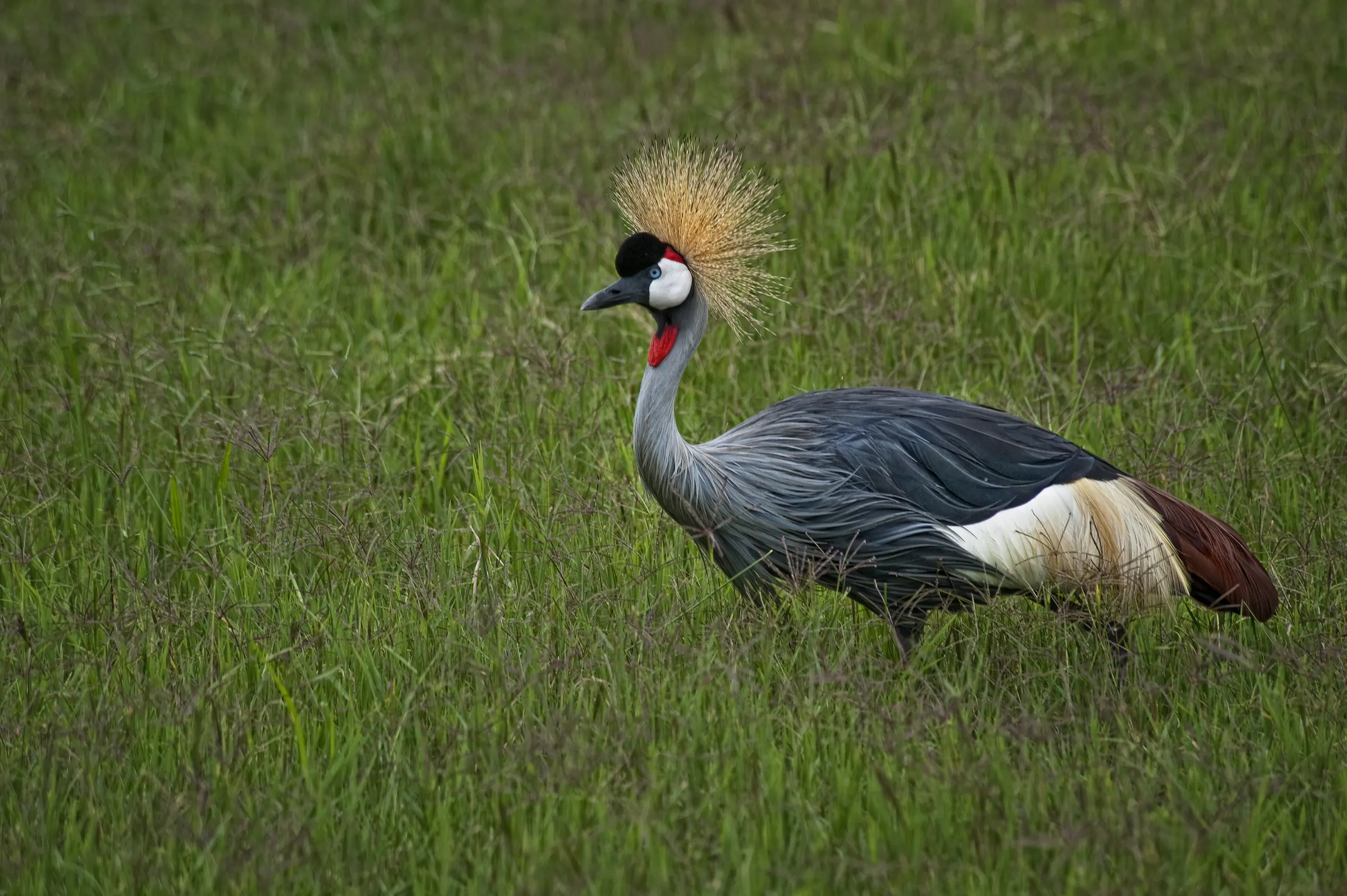
- Birds of grassland and woodland; Ruma is one of the few places in Kenya to look for the rare blue swallow in the wetter months
Tsetse flies: what to know
The Lambwe Valley has tsetse flies, which is one reason it was never farmed and one reason it was protected; the valley also has a history of sleeping sickness, controlled for decades. For visitors the practical point is the bite, which is painful. Wear long sleeves and trousers in light, neutral colors, avoid dark blue and black (which attract tsetse), use repellent, and keep the vehicle windows up when flies are active. Ask your doctor or travel clinic about current health advice before you go, and see our health page.
Getting there
| From | How | Time |
|---|---|---|
| Kisumu | By road via Homa Bay | About 3 hours |
| Nairobi | Fly to Kisumu, then drive | About 50 minutes flying, then about 3 hours |
| Homa Bay town | By road | Under an hour |
| Rusinga Island and Mbita | By road | About an hour |
Inside the park, tracks are murram (red dirt) and can be heavy after rain, so a 4x4 is the right vehicle. We use a driver-guide from the region who knows the park and the local roads.
Fees and where to stay
Park fees are set by Kenya Wildlife Service and are among the lower rates in the national park system; check the current fee on the KWS website or let us include it in your quote. KWS runs simple bandas and a campsite in the park for self-catering visitors. Most of our travelers stay on Lake Victoria instead, in Homa Bay or at Rusinga Island Lodge, and visit Ruma as a full day out.
Best time to visit
The drier months, roughly June to September and December to February, make the tracks easier and the grass shorter for spotting antelope. The heaviest rains usually fall from March to May. The valley is green most of the year, and afternoon storms are common in western Kenya even outside the main rains.
What a day in Ruma looks like
Leave Homa Bay or Rusinga before sunrise, pack breakfast and enter at opening time, when the grass is cool and the antelope are feeding. Spend the morning on the open grassland looking for roan, oribi and giraffe, stop for breakfast at a viewpoint over the valley, and drive the woodland tracks as the day warms. By early afternoon the heat and the tsetse make a good case for leaving, and you can be back on the lake shore for a late fish lunch.
Combining Ruma
- Rusinga Island: Tom Mboya's mausoleum, fossil sites and lake views, about an hour away
- Thimlich Ohinga: the UNESCO-listed dry-stone settlement near Migori, a good second day
- Kisumu and the lake: fish lunch at Dunga, Kit Mikayi and the Ndere Island boat trip
- Kakamega Forest and the Rift: a longer western Kenya circuit by road
Ruma suits repeat Kenya travelers, birders, diaspora families visiting the lake region, and anyone curious about the parks most people skip. We are Kenyan-led, with two U.S. companies behind us; pay in full or monthly with no deposit.