Homeland
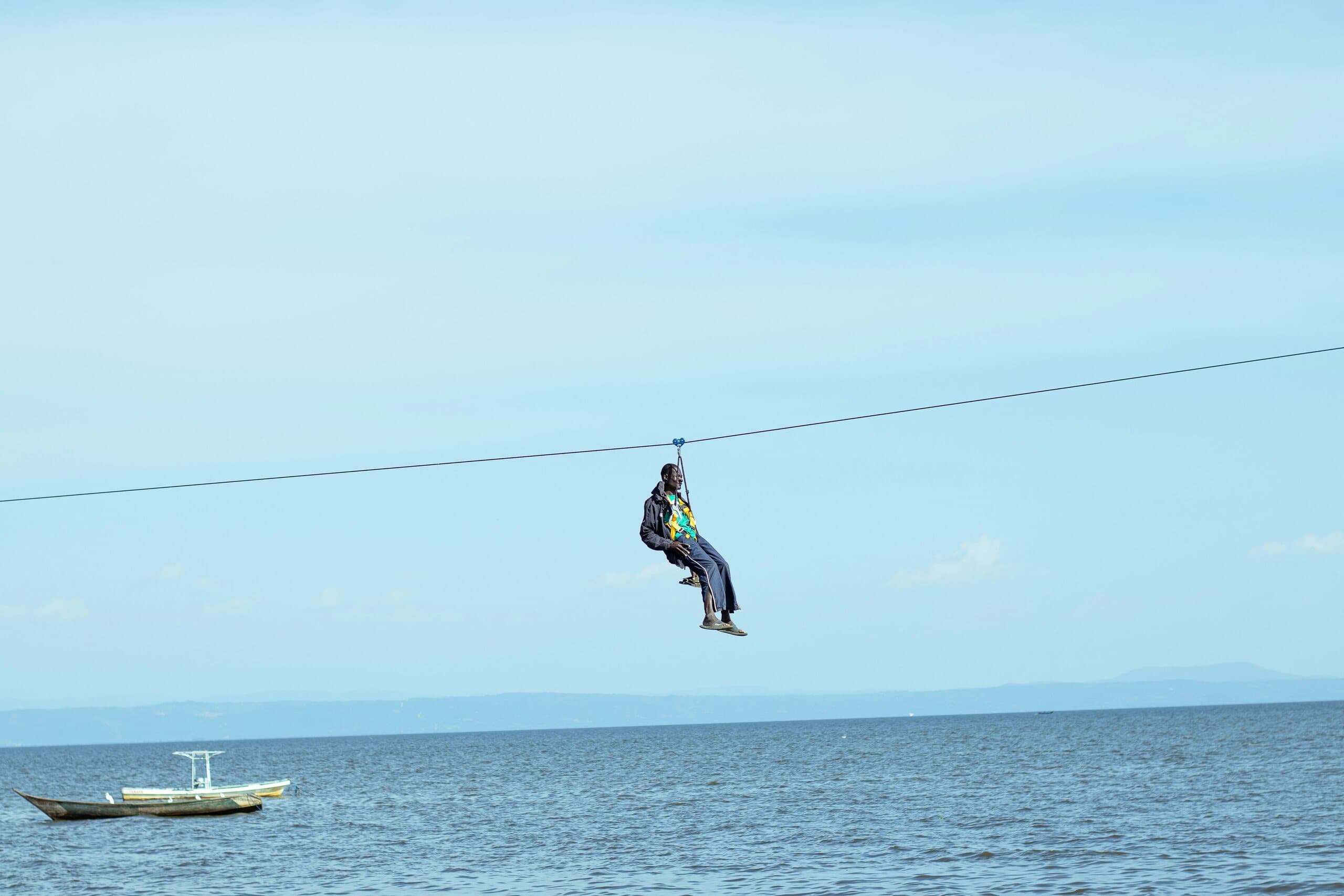
The Luo (Joluo) live along the Lake Victoria shore and its hinterland, in Kisumu, Siaya, Homa Bay and Migori counties, with a related population in northern Tanzania. They call the lake Nam Lolwe. The 2019 census counted 5,066,966 Luo, the fourth-largest community in Kenya.
Language
Dholuo is a Western Nilotic language, and the Luo are Kenya's only Western Nilotic people. It is taught in local primary schools and is close to Acholi and Padhola. The Luo are part of a chain of Lwoo-speaking peoples, among them the Acholi, Alur, Padhola, Shilluk and Anuak, that stretches back to South Sudan.
Origins
Luo-speaking groups entered Nyanza from Uganda in several waves from about the fifteenth century, displacing or absorbing Bantu communities. Tradition names the leader Ramogi Ajwang', who settled on Got Ramogi (Ramogi Hill) in Siaya, and the Luo call themselves Nyikwa Ramogi, Ramogi's heirs. Bethwell Ogot's History of the Southern Luo (1967) is the foundational study.
Society
The Luo are organized in some two dozen territorial sub-groups (oganda), each made up of patrilineal clans and led by a ruoth. The homestead, dala, follows a strict layout in which the position of each wife's and son's house encodes seniority. A Luo Council of Elders headed by the Ker remains influential.
Belief
The creator is Nyasaye, also praised as Were, Jachwech (the molder) and Nyakalaga (the one who is everywhere). Ancestral spirits and possession spirits (juogi) are important.
Rites of passage and naming
The Luo did not traditionally circumcise. Adulthood was marked by removing the six lower front teeth (nago lak), a practice common until the 1970s and now abandoned; many men today choose medical circumcision. Names record the circumstances of birth: Otieno or Atieno (born at night), Ochieng' or Achieng' (in daylight), Okoth or Akoth (during rain), and Odongo and Opiyo or Adongo and Apiyo for twins.
Death and burial
Funerals are the most elaborate Luo ceremonies, running through a sequence of vigil, burial, shaving and memorial feasts. In tero buru, mourners drive cattle and stage a mock battle to escort the spirit away. Burial must be on ancestral land, a principle tested in the well-known S. M. Otieno court case of 1987.
Livelihood and food
The Luo fish, farm and keep cattle. Fish, whether tilapia, Nile perch or the small omena, served with kuon (ugali) is the signature meal.
Arts and music
The eight-string nyatiti lyre and the one-string orutu fiddle are the classical instruments. Benga, born among Luo guitarists in the 1960s, became Kenya's defining popular style, and ohangla drumming is a modern favorite. Well-known Luo include the writer Grace Ogot, the actor Lupita Nyong'o, and the independence-era figures Jaramogi Oginga Odinga and Tom Mboya.
Heritage sites
Thimlich Ohinga, a dry-stone enclosure complex in Migori dating from about the sixteenth century, became a UNESCO World Heritage Site in 2018. Kit Mikayi rock shrine stands near Kisumu.
Today
Most Luo are Christian. The Legio Maria church, founded in 1963, is one of Africa's largest independent churches of Catholic origin. Like most Kenyans, many Luo live in towns and cities and speak Swahili and English alongside Dholuo.
Experience it with respect
Lake Victoria is the heart of Luo country, and Thimlich Ohinga in Migori, a UNESCO World Heritage Site, shows the dry-stone enclosures built here from about the sixteenth century. We plan lake days and heritage visits with local Luo guides and hosts, and we visit shrines such as Kit Mikayi and family homesteads only where hosts welcome guests and are paid for their time.
Further reading
- History of the Southern Luo, Bethwell Ogot (1967)
Sources
From The Peoples of Kenya: An Ethnographic Reference (Kenya Experience, November 2026), a synthesis of published sources. Practices described as traditional are historical baselines; today most Kenyans are Christian or Muslim, live in or near towns and speak Swahili and English. Spot something to correct? Write to kibetck@kenyaexperience.org.