Homeland
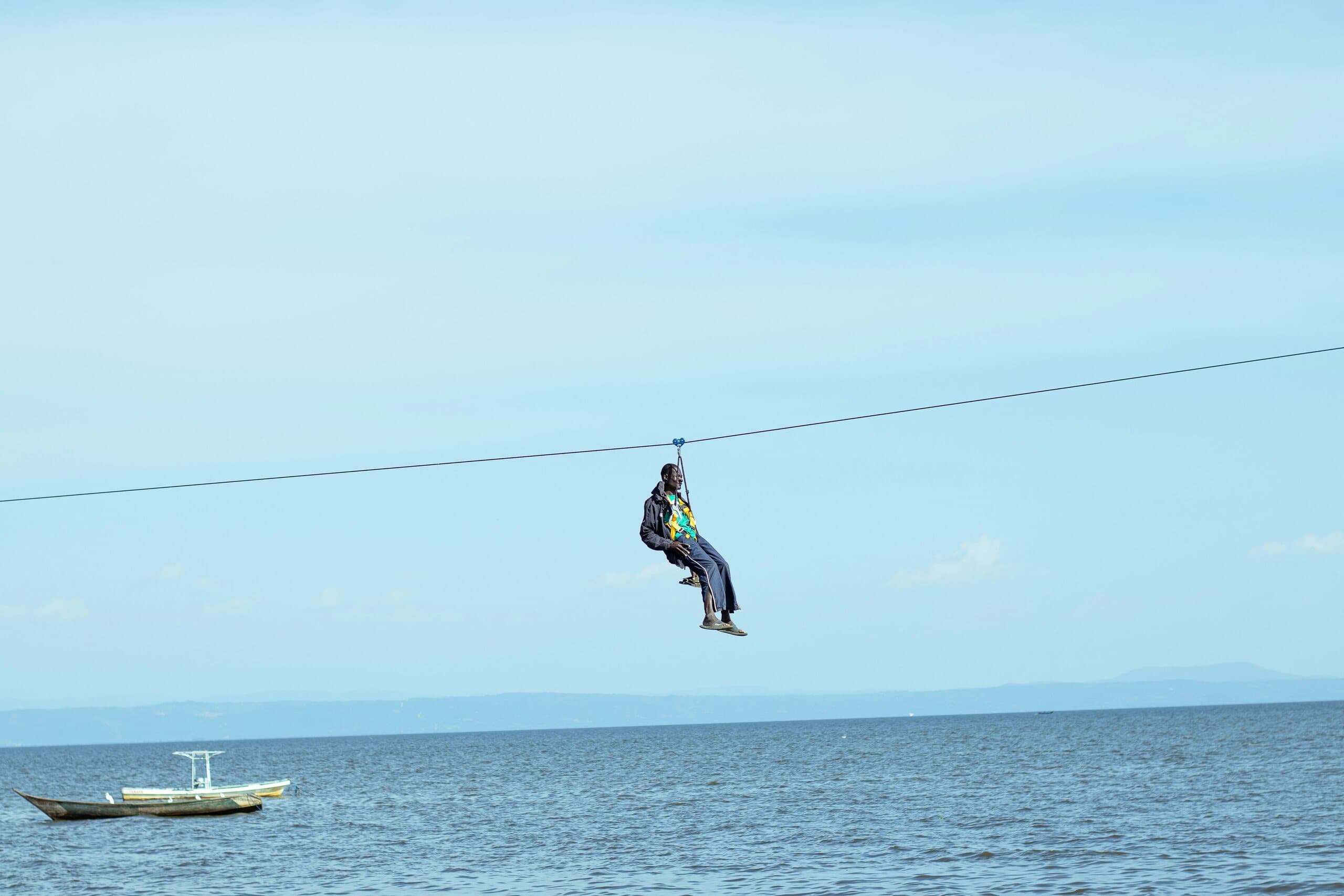
The Suba, who call themselves Abasuba, live on Rusinga and Mfangano islands and on the Gwassi and Kaksingri shore of Lake Victoria, in Homa Bay County. The 2019 census counted 157,787 Suba.
Origins
The island Suba descend mainly from Ganda and Soga refugees who crossed the lake by boat from the late eighteenth century, which is why they are often called the last group to settle in Kenya. A separate group in Migori, the Suna or Abagirango, also call themselves Suba but are related to the Kuria.
Language
Olusuba, close to Luganda, is endangered because most Suba now speak Dholuo. A Suba Bible translation was completed in 2011, and the Rusinga Festival each December promotes the language.
Culture
Unlike their Luo neighbors, the Suba circumcise boys. Fishing, cattle keeping and the rock art at Kwitone on Mfangano Island are distinctive parts of Suba heritage.
Today
Today most Suba speak Dholuo in daily life, alongside Swahili and English, while community efforts such as the Rusinga Festival keep Olusuba in use.
Experience it with respect
The Rusinga Festival each December celebrates Suba language and culture, and the rock art at Kwitone on Mfangano Island is a distinctive heritage site. Visit with a local guide from the community and ask before photographing people.
Sources
From The Peoples of Kenya: An Ethnographic Reference (Kenya Experience, November 2026), a synthesis of published sources. Practices described as traditional are historical baselines; today most Kenyans are Christian or Muslim, live in or near towns and speak Swahili and English. Spot something to correct? Write to kibetck@kenyaexperience.org.