Homeland
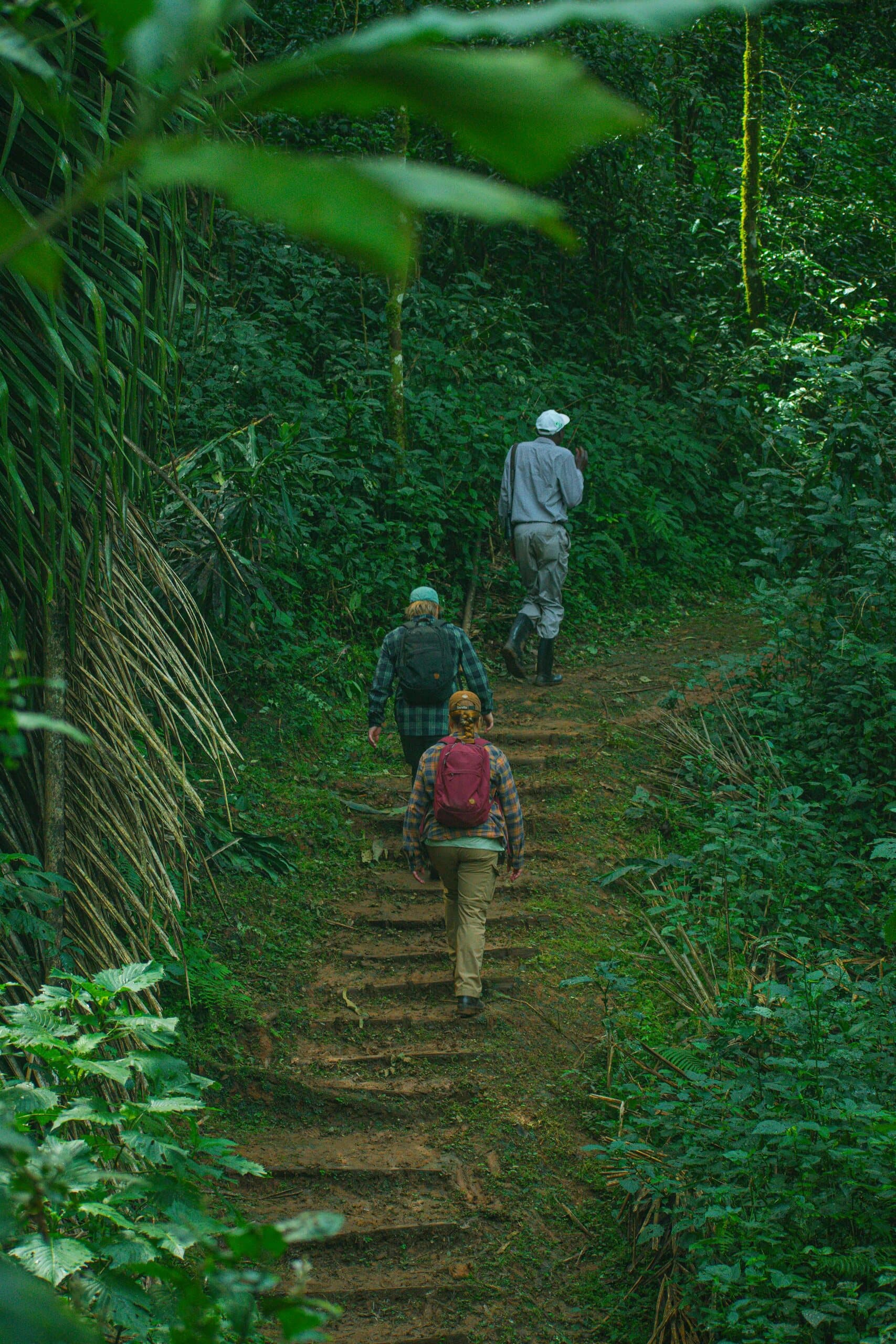
The Gusii live in the cool, densely settled highlands of Kisii and Nyamira counties. The 2019 census counted 2,703,235 people. "Kisii" is the Swahili name; the people call themselves Abagusii, after a founder, Mogusii.
Language
Ekegusii is a Great Lakes Bantu language related to Kuria. The Gusii are one of four Western Bantu peoples of the Lake Victoria basin.
Origins
Traditions describe a move from Misri to Mount Elgon, then south about five hundred years ago, and a final retreat into the hills under Luo pressure. Scholars read Misri as a memory of migration through Uganda rather than literal Egypt. Six clan clusters are named after founding ancestors: Abagetutu, Abanyaribari, Abagirango, Abanchari, Abamachoge and Ababasi.
Belief
Traditionally a supreme creator, Engoro, governed the universe, with ancestral spirits as intermediaries. Most Gusii are now Catholic or Seventh-day Adventist.
Crafts and music
Soapstone carving centered on Tabaka is internationally known, and iron smelting was the most technically complex pre-colonial industry. The eight-string obokano is one of Africa's largest lyres.
Livelihood
The Gusii grow tea, coffee, bananas and finger millet on some of Kenya's most crowded farmland.
History
The Gusii resisted British punitive expeditions in 1905 and 1908, inspired by the prophetess Moraa. Robert LeVine's Nyansongo: A Gusii Community in Kenya (1966) is the classic ethnography.
Today
Most Gusii today are Christian, many live in towns and cities across Kenya, and most speak Swahili and English alongside Ekegusii.
Experience it with respect
Tabaka, in the Gusii highlands, is the center of Kenya's internationally known soapstone carving. Buy directly from carvers at a fair price, ask before photographing people at work, and travel with a local guide.
Further reading
- Nyansongo: A Gusii Community in Kenya, Robert LeVine (1966)
Sources
- Wikipedia: Kisii people
- National Museums of Kenya on Google Arts & Culture: Kisii
- Yale eHRAF World Cultures: Gusii summary
- Bluegecko: Gusii history
From The Peoples of Kenya: An Ethnographic Reference (Kenya Experience, November 2026), a synthesis of published sources. Practices described as traditional are historical baselines; today most Kenyans are Christian or Muslim, live in or near towns and speak Swahili and English. Spot something to correct? Write to kibetck@kenyaexperience.org.