Homeland
The Luhya, who call themselves Abaluyia, are Kenya's second-largest community: 6,823,842 people in the 2019 census. They live in Kakamega, Bungoma, Vihiga, Busia and Trans Nzoia, part of the Western Bantu peoples of the Lake Victoria basin.
A federation of peoples
The Luhya are some 17 to 18 distinct peoples in Kenya, each with its own dialect, clans and history, and a shared Luhya identity emerged only in the 1930s and 1940s. The Bukusu are the largest (1,188,963 in 2019), followed by the Maragoli (641,714) and the Idakho and Isukha together (584,207).
The Wanga kingdom
Most Luhya groups were governed by clan elders, but the Wanga built a centralized kingdom under a king, the Nabongo. Nabongo Mumia allied with the British and was made paramount chief, and the title survives ceremonially.
Belief
The creator is Wele (in Bukusu, Wele Khakaba) or Nyasaye. Quaker, Church of God and Catholic missions divided the region between them, and the anti-colonial Dini ya Msambwa movement of Elijah Masinde arose among the Bukusu in the 1940s.
Rites of passage
Male circumcision marks adulthood in most sub-groups. The Bukusu hold theirs publicly in August of even-numbered years, and the Tiriki conduct theirs in forest seclusion.
Arts and food
The isukuti drum dance of the Isukha and Idakho is inscribed by UNESCO, and bullfighting in Kakamega draws large crowds. The litungu lyre accompanies Bukusu song. Obusuma (ugali) with chicken, ingokho, is the dish of honor for guests.
Today
Most Luhya today are Christian, many live in towns and cities across Kenya, and most speak Swahili and English alongside their own dialect.
| Sub-group | Dialect | Home area |
|---|---|---|
| Bukusu | Lubukusu | Bungoma, Trans Nzoia |
| Maragoli (Logooli) | Lulogooli | Vihiga |
| Idakho | Lwidakho | Southern Kakamega |
| Isukha | Lwisukha | Eastern Kakamega |
| Tiriki | Lutirichi | Vihiga (Hamisi) |
| Banyore (Nyole) | Olunyole | Vihiga (Emuhaya, Luanda) |
| Kisa | Olushisa | Kakamega (Khwisero) |
| Marama | Olumarama | Kakamega (Butere) |
| Batsotso | Olutsotso | Kakamega (Lurambi) |
| Wanga | Oluwanga | Kakamega (Mumias, Matungu) |
| Kabras | Lukabarasi | Kakamega (Malava) |
| Tachoni | Lutachoni | Bungoma, Kakamega (Webuye, Lugari) |
| Samia | Lusamia | Busia (Funyula) |
| Khayo | Olukhayo | Busia (Nambale) |
| Marachi | Olumarachi | Busia (Butula) |
| Banyala | Olunyala | Busia (Budalang'i) and Kakamega (Navakholo) |
Experience it with respect
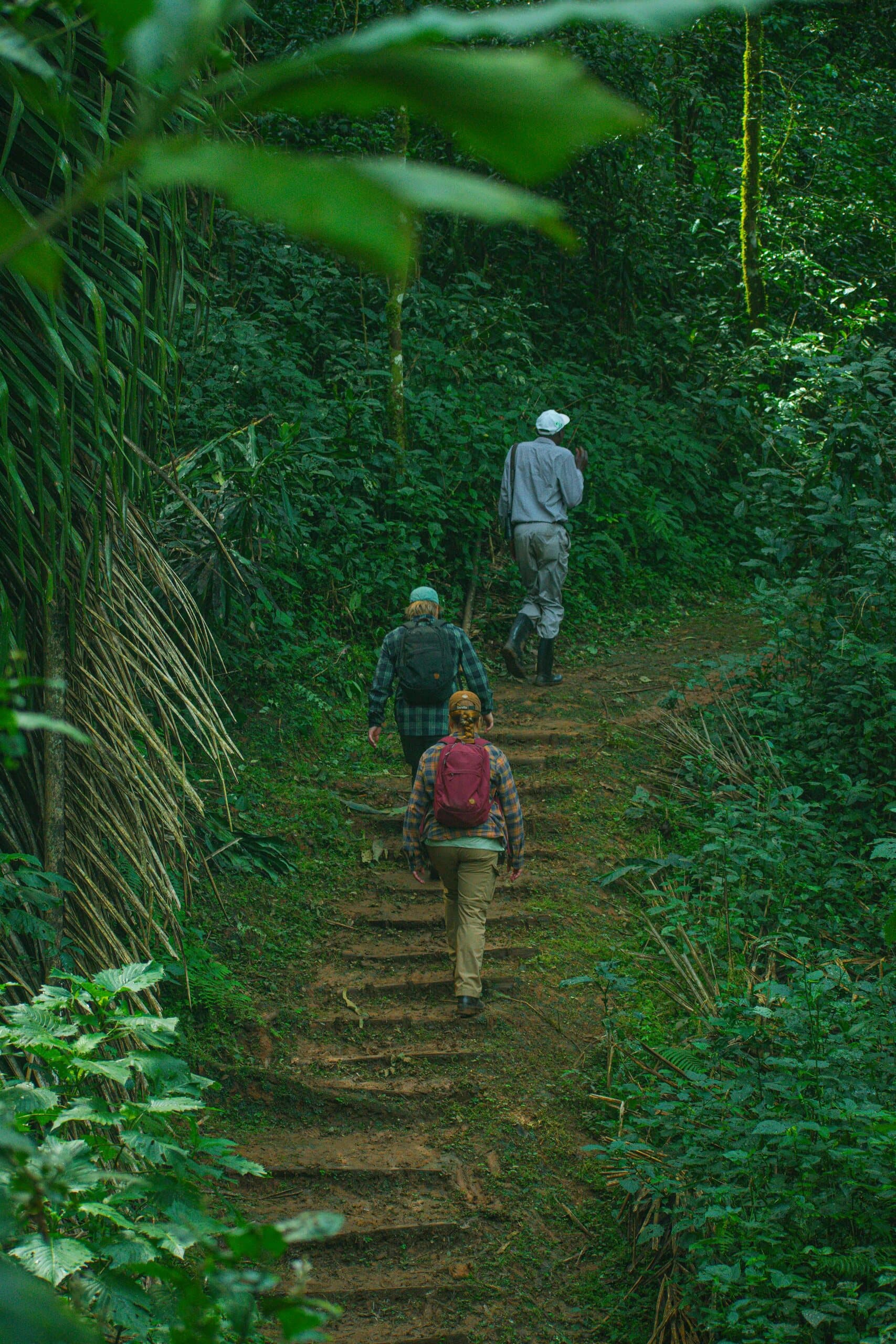
Western Kenya is Luhya country, home to Kakamega Forest and to public cultural events such as the isukuti drum dance and Kakamega bullfighting. Go with a local guide, pay for any performance you watch, and ask before photographing people.
Further reading
- The Bantu of North Kavirondo, Günter Wagner (1949)
- A History of the Abaluyia of Western Kenya, Gideon Were (1967)
Sources
From The Peoples of Kenya: An Ethnographic Reference (Kenya Experience, November 2026), a synthesis of published sources. Practices described as traditional are historical baselines; today most Kenyans are Christian or Muslim, live in or near towns and speak Swahili and English. Spot something to correct? Write to kibetck@kenyaexperience.org.