Parks and reserves. Updated November 2026. 3 min read.
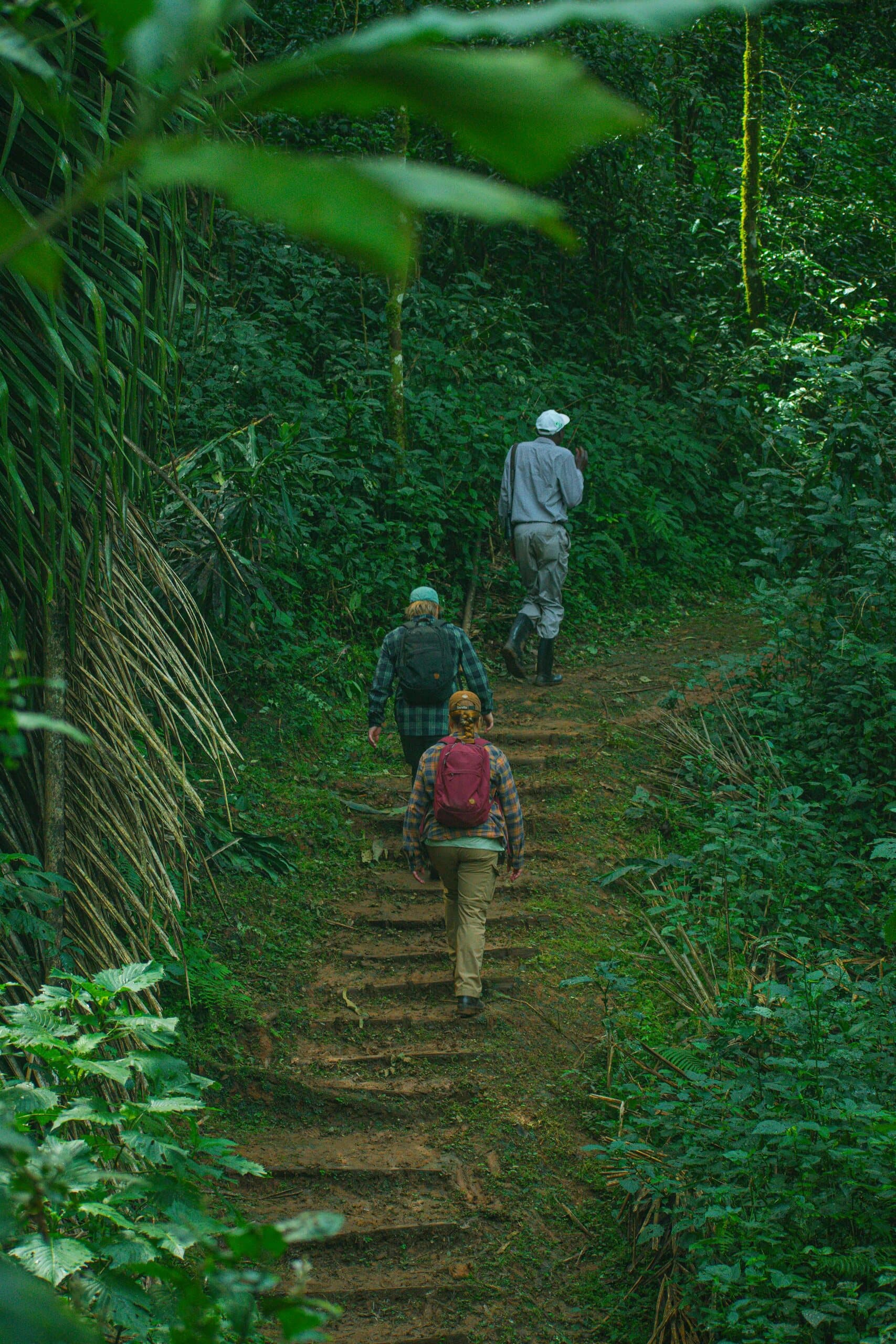
Kakamega Forest in western Kenya is the country's last fragment of the Guineo-Congolian rainforest that once stretched across central Africa. It is a place for walking, not driving: guided trails lead under tall trees to rare monkeys, birds found almost nowhere else in Kenya and clouds of butterflies. Most visitors fly to Kisumu and drive about an hour and a half.
What it is, and who runs it
The forest lies in Kakamega County, about 50 kilometers north of Kisumu. It is managed in two parts. Kenya Wildlife Service runs the Kakamega Forest National Reserve in the north, around Buyangu, and the Kenya Forest Service runs the Kakamega Forest Reserve in the south, around Isecheno. Each has its own guides, trails, places to stay and fees, set by the managing agency.
Kakamega has lost much of its original area to farms and logging over the past century, and what remains is under pressure from people who depend on it for firewood and grazing. Community forest groups and local guides now play a large part in protecting it, and your visit helps make the forest worth more standing.
Wildlife and birds
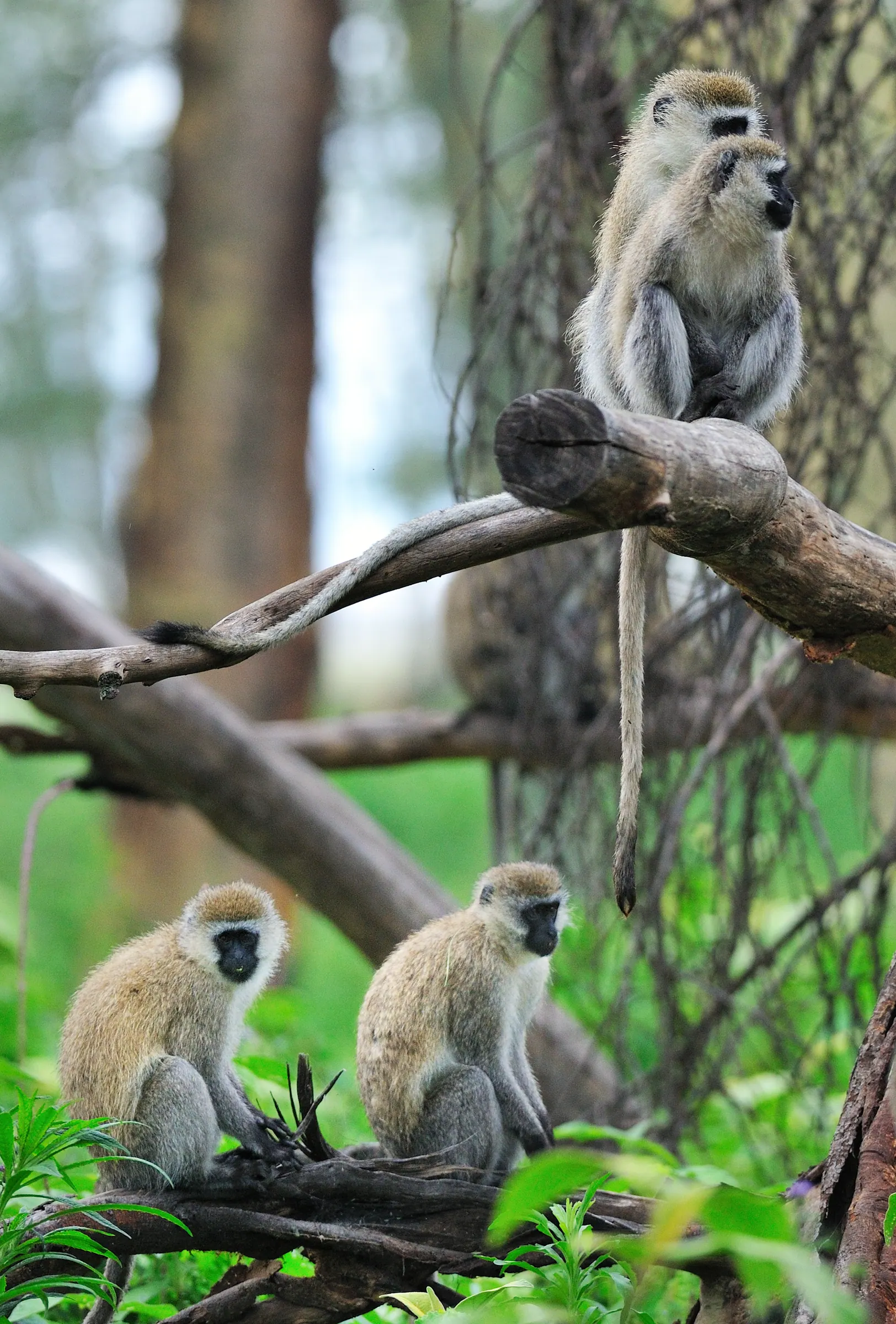
- Primates: black-and-white colobus, red-tailed monkeys, blue monkeys and the rare De Brazza's monkey, with olive baboons at the edges
- At night: pottos and bushbabies, found on guided night walks
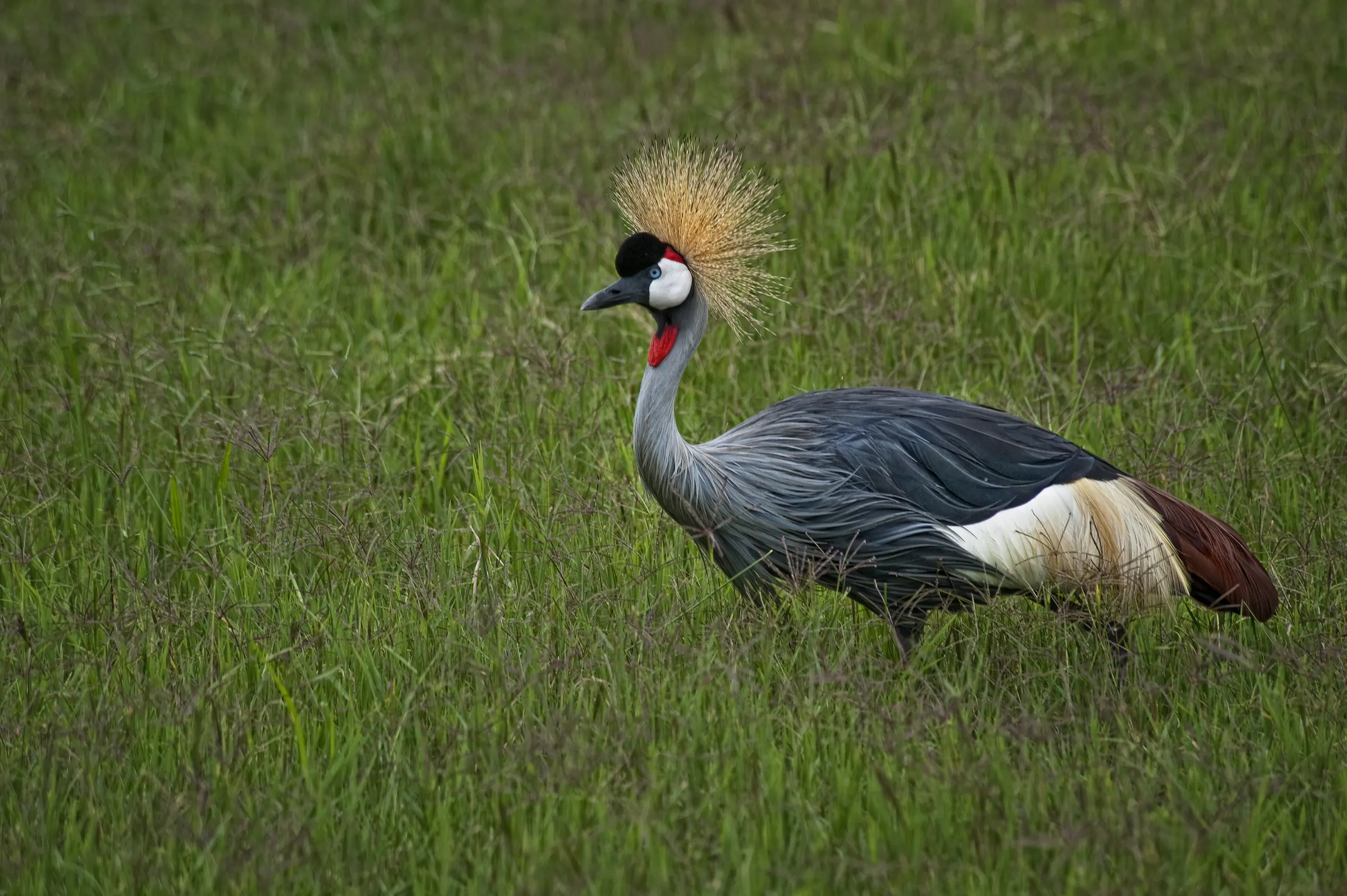
- Birds: more than 300 species recorded, including great blue turacos, black-and-white-casqued hornbills and forest species seen nowhere else in Kenya
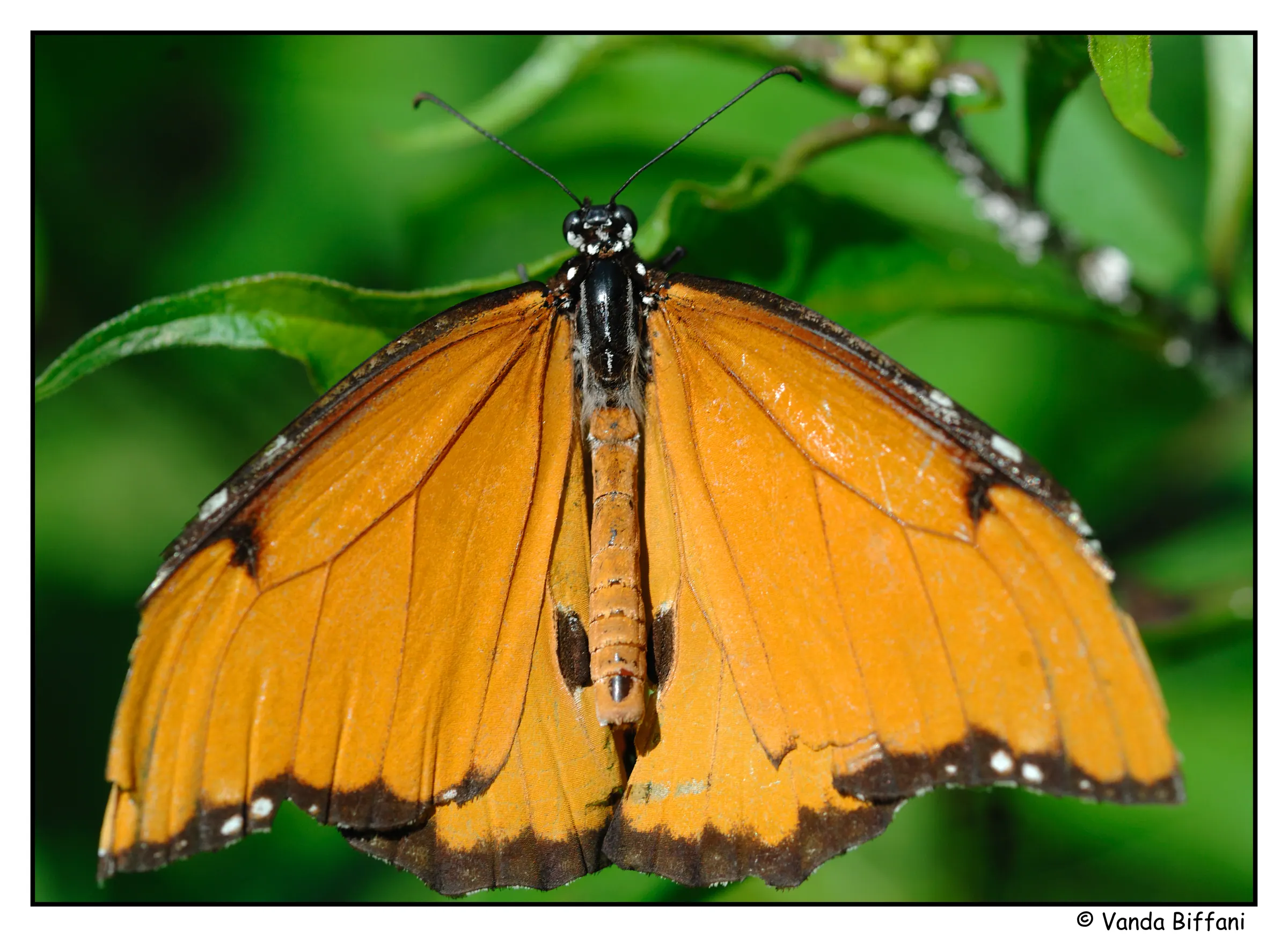
- Butterflies: hundreds of species, at their most active in sunny spells
- Chameleons, snakes and huge old forest trees draped in figs, vines and orchids
There are no big cats or elephants to look for here. Kakamega rewards patience: the best sightings go to people who walk slowly and quietly with a good local guide, and who look up as often as ahead. Few safari travelers make it this far west, which is part of the appeal: you may have the trails to yourself.
When to visit
Western Kenya is green because rain falls in most months, with the heaviest usually between March and May. Drier spells, often December to February, make the trails easier underfoot. Whatever the month, start early: birds and monkeys are most active in the first hours after dawn, and afternoon storms are common.
Things to do
- Guided forest walks, from an hour to most of a day
- Sunrise from Lirhanda Hill or sunset from Buyangu Hill, looking out over the canopy
- Birding with specialist local guides who know the calls
- Night walks for pottos, bushbabies and other nocturnal animals
- Nearby culture: Luhya isukuti drumming and dance, the Crying Stone of Ilesi near Kakamega town, and traditional bullfighting at local events
Getting there and how long to stay
- By air: Nairobi to Kisumu in about an hour, then roughly an hour and a half by road
- By road: about 400 to 420 kilometers from Nairobi, a long day of seven hours or more
- From Eldoret: about two hours by road, handy if you are also visiting Iten
- Where to stay: simple lodges and bandas at the forest edge, or hotels in Kakamega town
Spend at least one full day and one night, so you can walk at dawn. Two nights let you add a night walk and a sunrise hilltop. Kakamega fits a western Kenya circuit with Kisumu and Lake Victoria, the tea country around Kericho, Iten in the Kerio Valley, or the Rift Valley lakes on the way back east.
Traveling responsibly
Hire a registered local guide: it keeps the money in the community that protects the forest, and you will see far more. Fees for the national reserve are set by Kenya Wildlife Service and for the forest reserve by the Kenya Forest Service; both change, so check before you go. Stay on the trails, wear long sleeves and closed shoes, never feed the monkeys, and bring a rain jacket, insect repellent and binoculars.
Western Kenya is where many Kenyans' own stories begin, and it is a joy to share. Kenya Experience is Kenyan-led, with two U.S. companies behind us and Kenyan guides. Pay in full or monthly with no deposit; a specialist replies within two business days.