Wildlife. Updated November 2026. 3 min read.
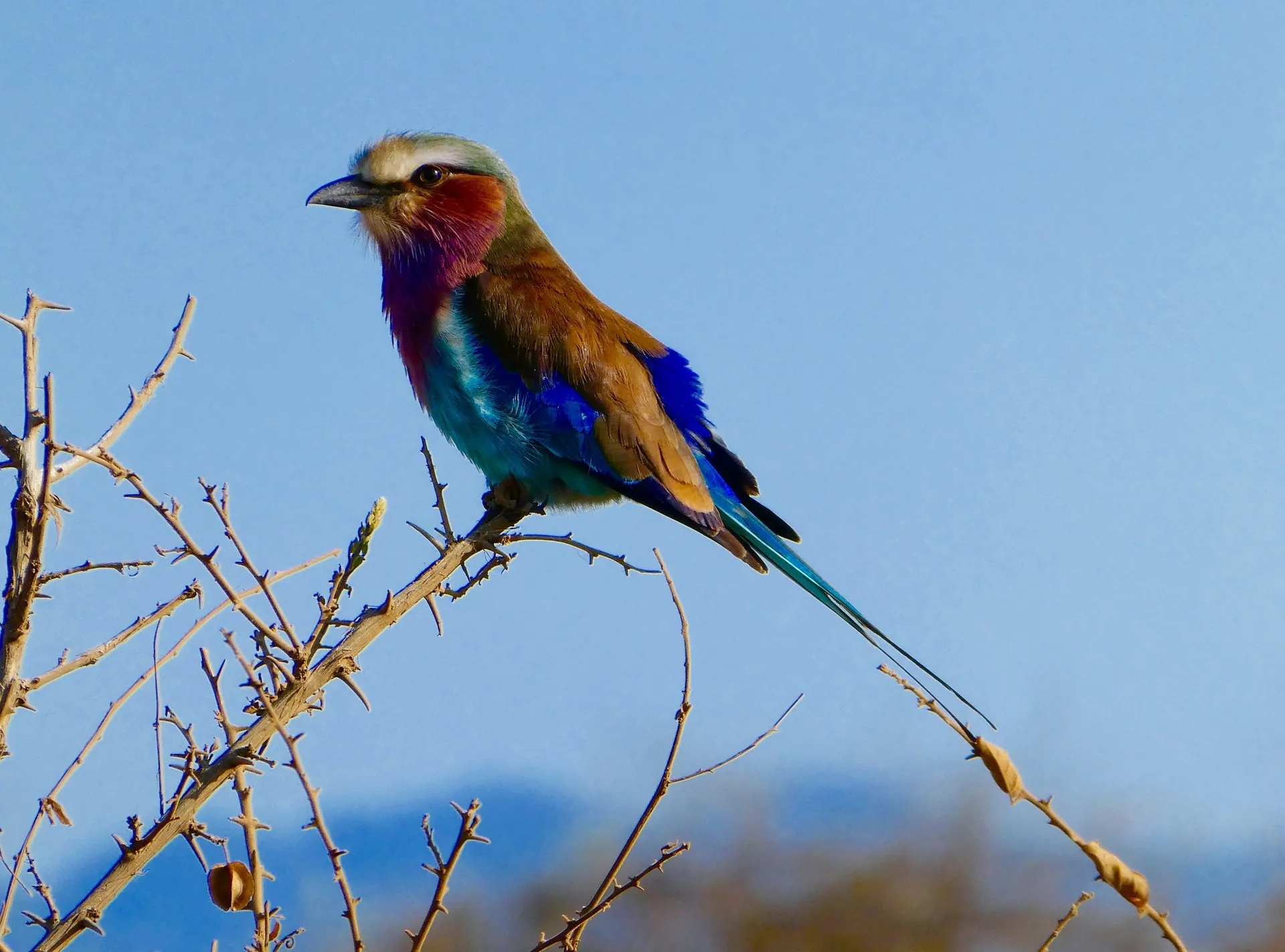
Kenya is one of Africa's great birding countries, with more than 1,100 species recorded in habitats that run from rainforest and alpine moorland to soda lakes, desert and coral coast. The top sites are Kakamega Forest, Lakes Baringo, Bogoria and Nakuru, Arabuko-Sokoke Forest and the Maasai Mara. The richest months are November to March, when migrants from Europe and Asia join the resident birds.
The key birding sites
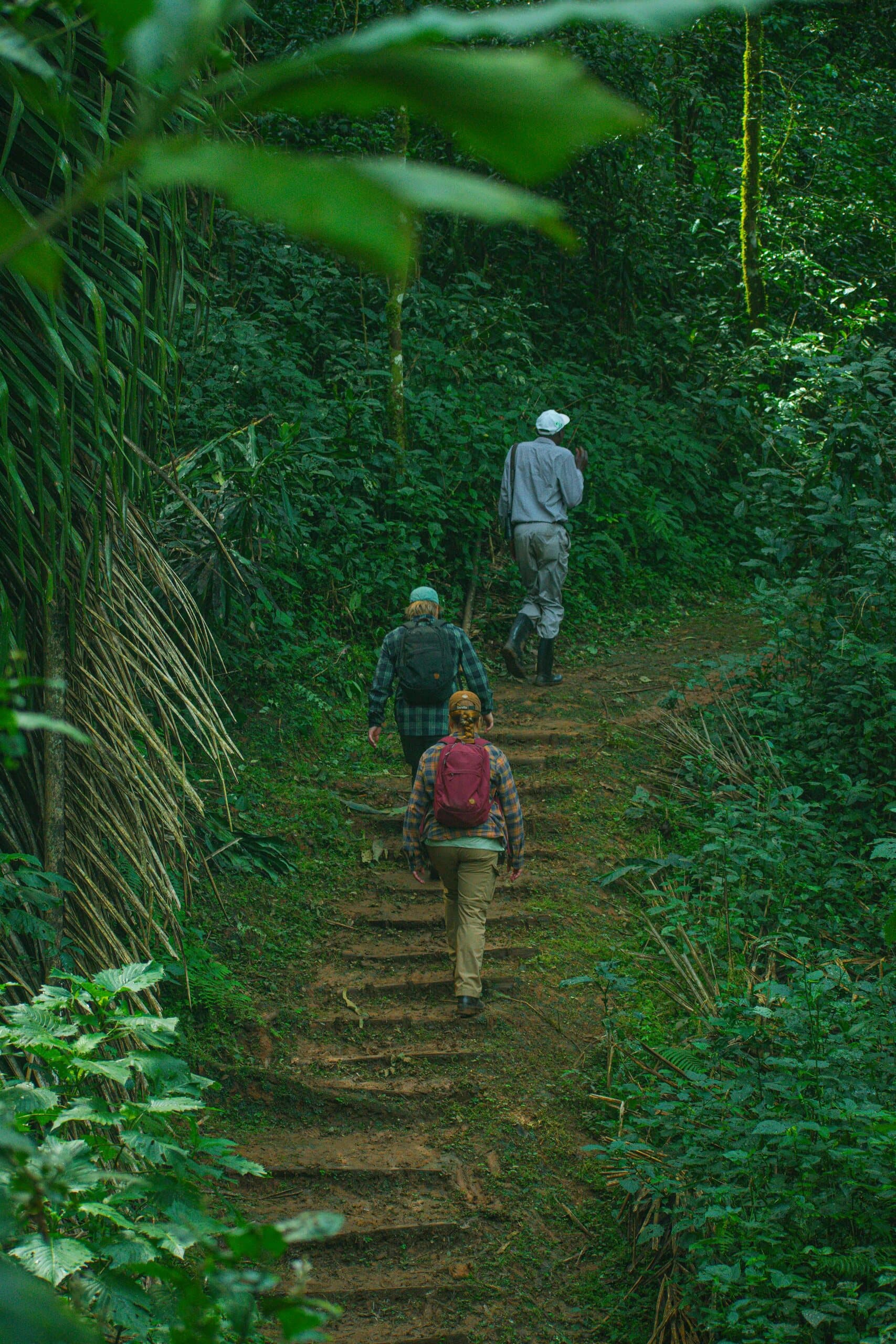
- Kakamega Forest: Kenya's last stretch of Guineo-Congolian rainforest, with great blue turacos, hornbills and western species found nowhere else in the country.
- Lake Baringo: a freshwater lake with cliffs, acacia scrub and reedbeds, where local bird guides are skilled at finding owls and nightjars at their roosts.
- Lakes Nakuru, Bogoria and Naivasha: flamingos, pelicans, fish eagles and large numbers of waterbirds.
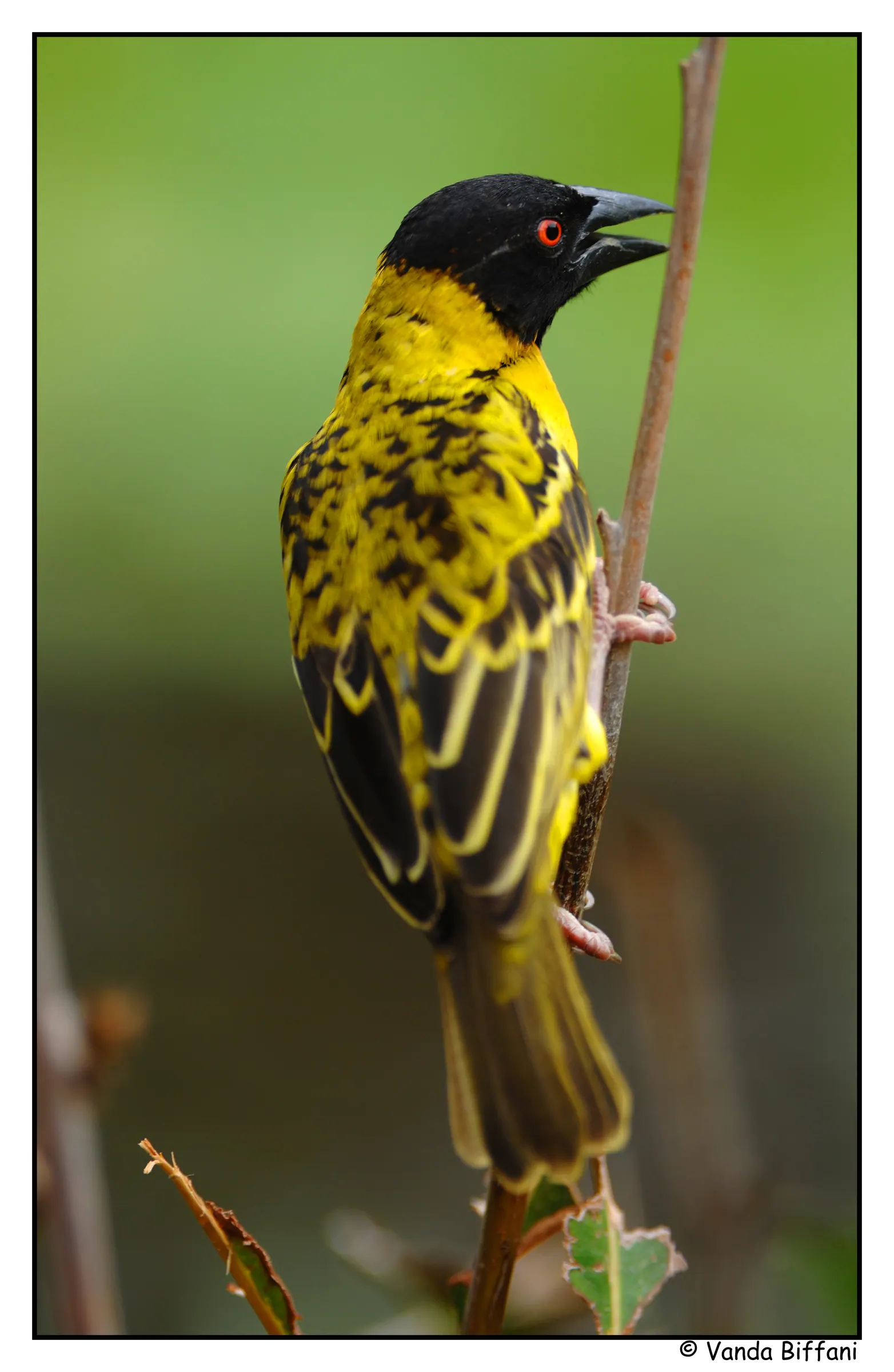
- Arabuko-Sokoke Forest, near Watamu: coastal forest with Clarke's weaver, the Sokoke scops owl and Sokoke pipit, and the waders of Mida Creek next door.
- Maasai Mara and Samburu: big birds of open country, from ostriches and secretary birds to vultures and eagles, with dry-country specialists in Samburu.
- Nairobi National Park: a long list a short drive from the airport, ideal for a first morning.
- Mount Kenya, the Aberdares and the Taita Hills: highland forest and moorland specialists.
Kenya's endemic birds
Depending on whose list you use, about ten birds live in Kenya and nowhere else. Most are rare and local, so seeing them takes planning and a specialist guide.
- Clarke's weaver: Arabuko-Sokoke Forest and nearby coastal woodland
- Taita thrush, Taita apalis and Taita white-eye: the small forest patches of the Taita Hills
- Hinde's babbler: thickets and farmland in central Kenya
- Sharpe's longclaw: highland grasslands such as the Kinangop Plateau
- Aberdare cisticola: high grasslands of the Aberdares and nearby ranges
- Williams's lark: dry lava country in northern Kenya
- Tana River cisticola: scrub along the lower Tana River
Best months and time of day
Birding is good all year. From about October or November to March or April, migrants from Europe and Asia such as bee-eaters, rollers, wagtails, warblers and waders arrive, and many resident species put on breeding colors around the rains. The long rains, roughly April and May, are lush and quiet, though some roads get hard. Start at first light: the first two or three hours of the day are the busiest for song and feeding. Raptors soar later in the morning once the air warms. Lake Baringo and Kakamega also reward walks at dusk for owls and nightjars.
Kenya is an easy place to start. The eTA is applied for online, Kenya Airways flies nonstop from New York to Nairobi, and Nairobi National Park can give you your first hundred birds on the morning after you land. From there, a week can cover forest, lake and savanna.
Conservation status
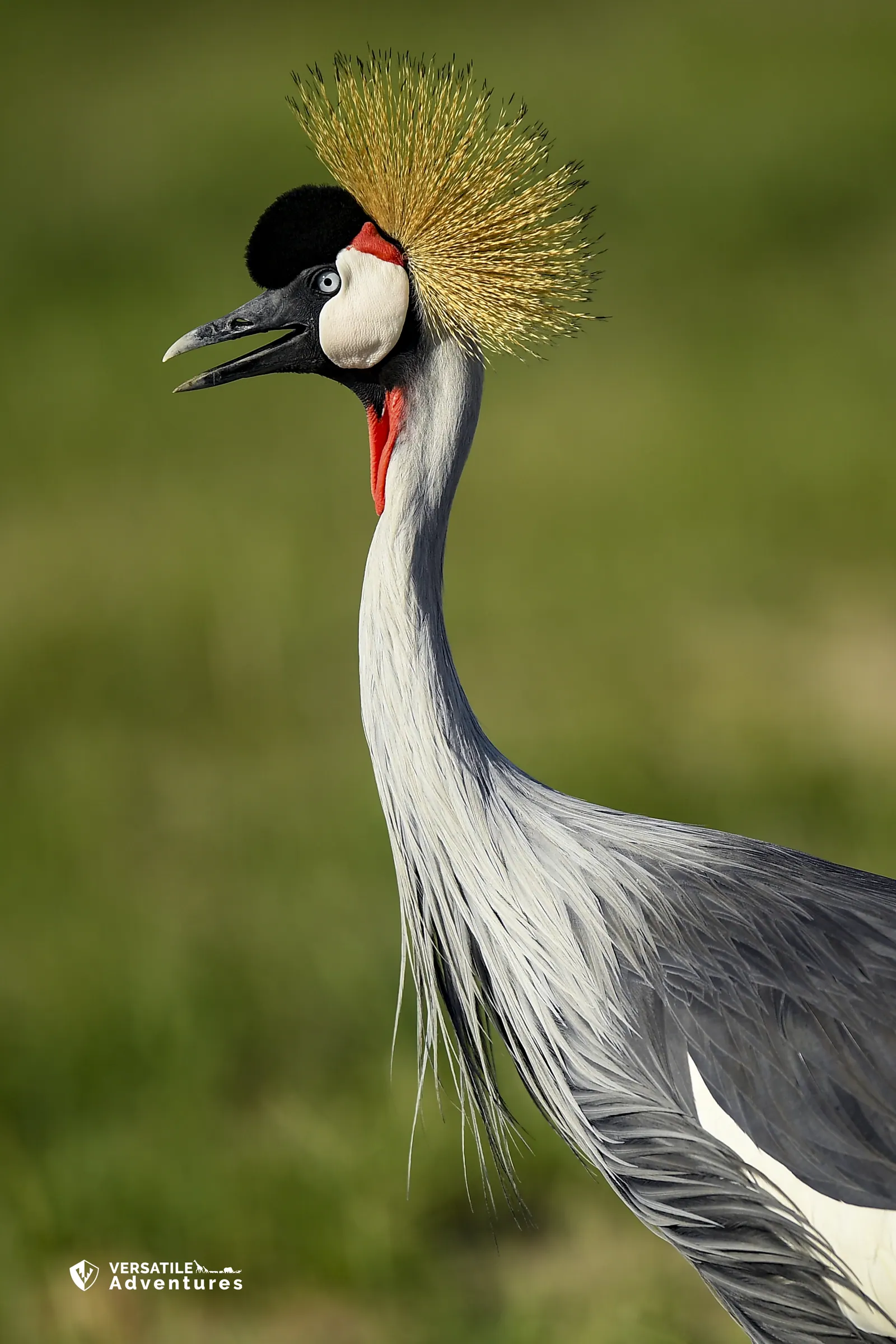
Several of Kenya's birds need help. BirdLife International and the African Bird Club list the Taita apalis as Critically Endangered, and the Taita thrush, Sharpe's longclaw and Clarke's weaver as Endangered, mostly because their forests and grasslands are small. Vultures have declined fast across East Africa, largely from poisoned carcasses. Nature Kenya, the BirdLife partner in Kenya, works with community site support groups at key forests and wetlands, and Kenya has a strong tradition of expert local bird guides. Hiring a local guide at Kakamega, Baringo or Arabuko-Sokoke puts money directly into protecting these places.
Birding etiquette and photography
- Keep playback to a minimum, and never use it at nests or for threatened species.
- Stay on forest trails and keep back from nesting colonies.
- Never feed birds at lodges or picnic sites.
- Hire local guides; their knowledge of calls and roosts is the fastest route to good sightings.
Photography tip: a long lens and a beanbag on the vehicle window work better than a tripod on game drives. In forests, raise your ISO instead of using flash, and wait at fruiting trees where turacos and hornbills come to feed.
Kenya Experience is Kenyan-led, with two U.S. companies behind it. We build birding into a safari or around it, with Kenyan guides; pay in full or monthly with no deposit, and a specialist replies within two business days.