Wildlife. Updated November 2026. 3 min read.
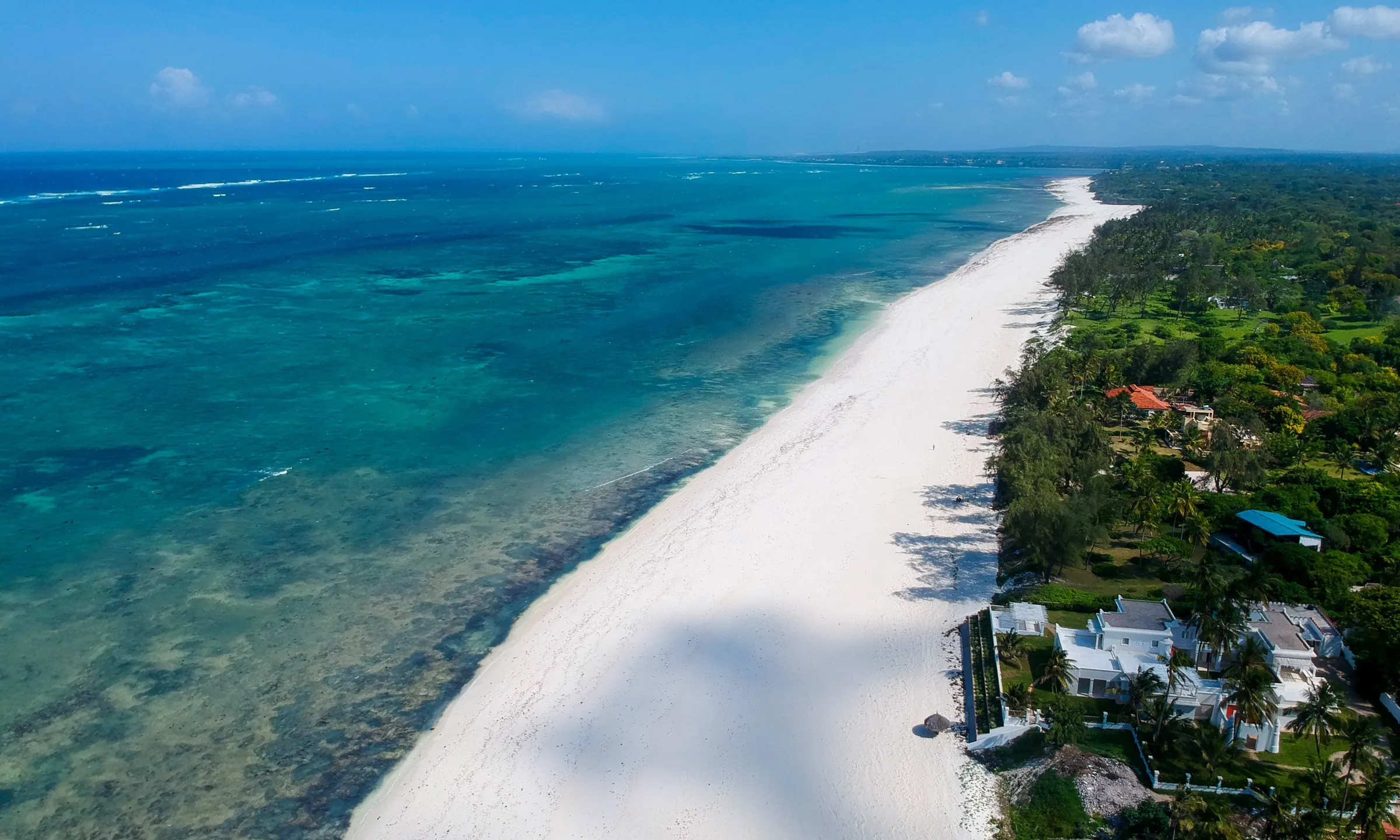
Humpback whales pass the Kenyan coast on their yearly migration, usually from about July to September with August often the peak, and the waters off Watamu and Malindi have the most reported sightings. Whale sharks, the largest fish in the sea, feed off the south coast around Diani, Shimoni and Kisite-Mpunguti, most often from about November to March. Few places let you watch lions on the savanna and humpbacks in the Indian Ocean in the same week, and sightings of both vary from year to year.
Humpback whales
Humpbacks spend the southern summer feeding in Antarctic waters, then swim north to warm tropical seas to breed and raise calves. The Watamu Banks, off Watamu and Malindi, are recognized as an Important Marine Mammal Area for breeding and migrating humpbacks, and regular sightings have been recorded each year from a headland near Watamu. The Watamu Marine Association has studied whales and dolphins there since 2011, and local whale watching began in 2012 as a partnership of conservation groups, hotels and Kenyan authorities. Boats leave from Watamu and Malindi, and humpbacks are also seen off the south coast. Watch for breaching, tail slapping and mothers resting with calves.
Whale sharks
Whale sharks are gentle filter feeders that cruise near the surface to sieve plankton, and they pose no danger to swimmers. Off Diani and the Kisite-Mpunguti area, sightings are most often reported from about November to March, with February and March long the main window for research trips, though sharks have arrived as early as October in some years. Trips usually search from a boat, then offer a calm snorkel alongside when a shark is found. Kisite-Mpunguti, which Kenya Wildlife Service promotes as the home of the dolphins, often adds dolphins and coral gardens on the same day.
Time of day and sea conditions
Mornings are best for both. The sea is usually calmer early, the light is softer and boats have more hours to search. The humpback season falls during the southeast monsoon, the kusi, so expect some swell and choose a stable boat if you get seasick. The whale shark months fall in the calmer northeast monsoon, the kaskazi, when the water around Diani is often clear.
Conservation status in Kenya
The whale shark is listed as Endangered on the IUCN Red List, threatened by fishing, boat strikes and demand for fins and meat in parts of its range. Humpback whales have recovered strongly since commercial whaling ended and are listed as Least Concern, but still face entanglement in nets, ship strikes and noise. Kenya has taken real steps at sea: Kisite-Mpunguti became Kenya's first Blue Park, a gold-level award from the Marine Conservation Institute for strong marine protection, and Kenya Wildlife Service lists whale sharks, sperm whales and dugongs among the threatened species found there.
Marine etiquette
- Choose an operator who follows marine mammal guidelines and carries a trained guide.
- Boats should approach whales slowly from the side or behind, never head-on, and keep a respectful distance; many operators work to about 100 meters.
- Never chase, box in or cut across the path of a whale or whale shark, and limit time with any one animal.
- Enter the water with a whale shark only when your guide says so, slip in quietly and let it pass. Keep a few meters from its body and tail, and never touch it.
- No flash photography in the water, and no swimming with humpbacks; watch them from the boat.
- Wear a rash vest instead of heavy sunscreen when you snorkel.
Photography tip: for breaches, use a zoom lens, a shutter speed around 1/2000 of a second and keep both eyes open to catch the next jump, since humpbacks often breach several times in a row. Underwater, a wide-angle lens or action camera works best for whale sharks, which are huge and close; shoot near the surface for the best light.
Kenya Experience is Kenyan-led, with two U.S. companies behind it. We time your coast days to the season and pair them with a safari, with Kenyan guides; pay in full or monthly with no deposit, and a specialist replies within two business days.