Planning a safari. Updated November 2026. 3 min read.
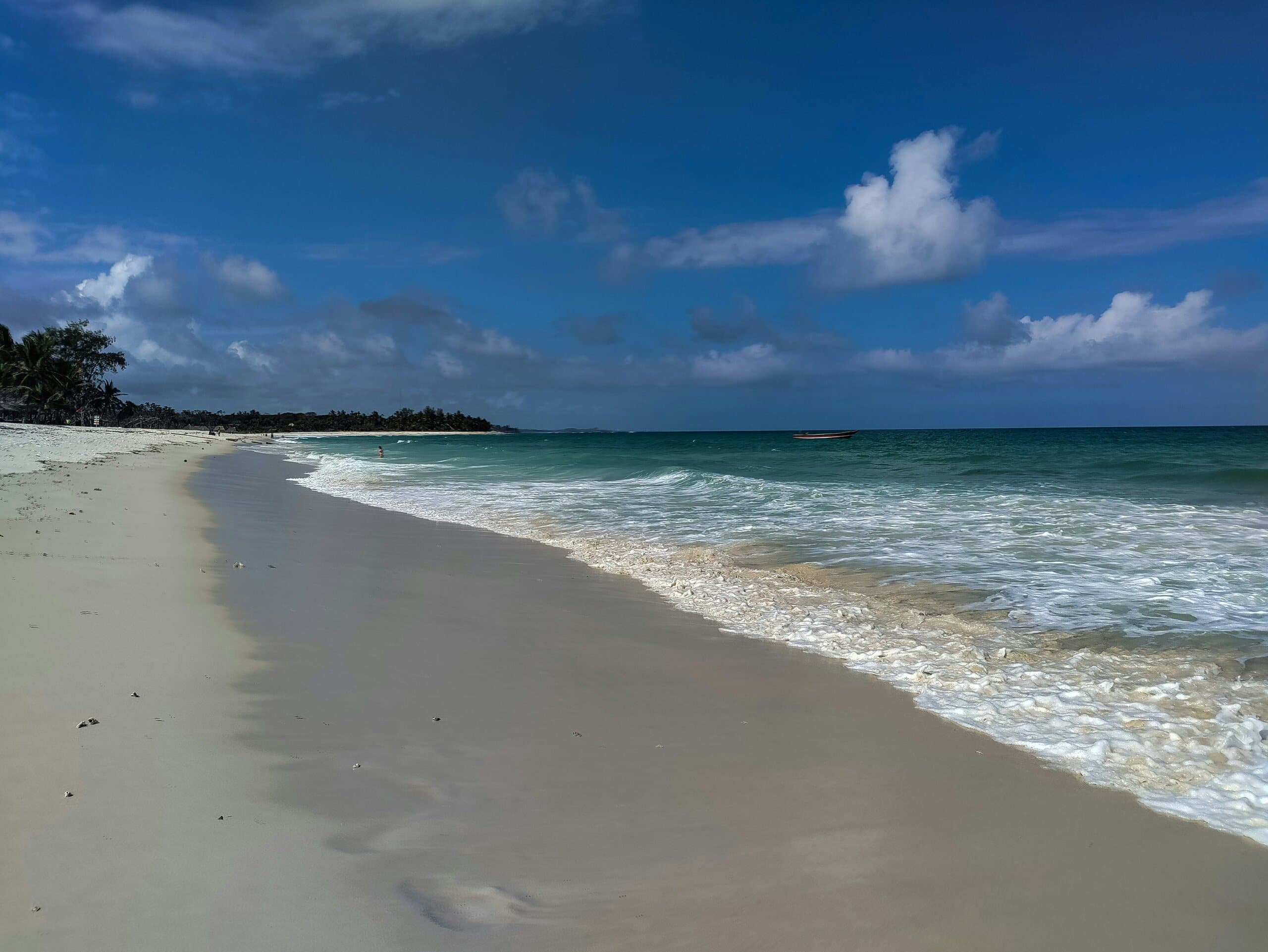
Both are excellent, with white sand, warm water and coral reefs. Diani, south of Mombasa, is the bigger, livelier choice, with more places to stay and eat. Watamu, north of Mombasa near Malindi, is smaller and quieter, with one of Africa's oldest marine parks and forests, creeks and ruins to explore. Either one turns a Kenya safari into a safari and beach trip, with Swahili food, dhows and a centuries-old coastal culture a short flight from the parks.
Who each suits
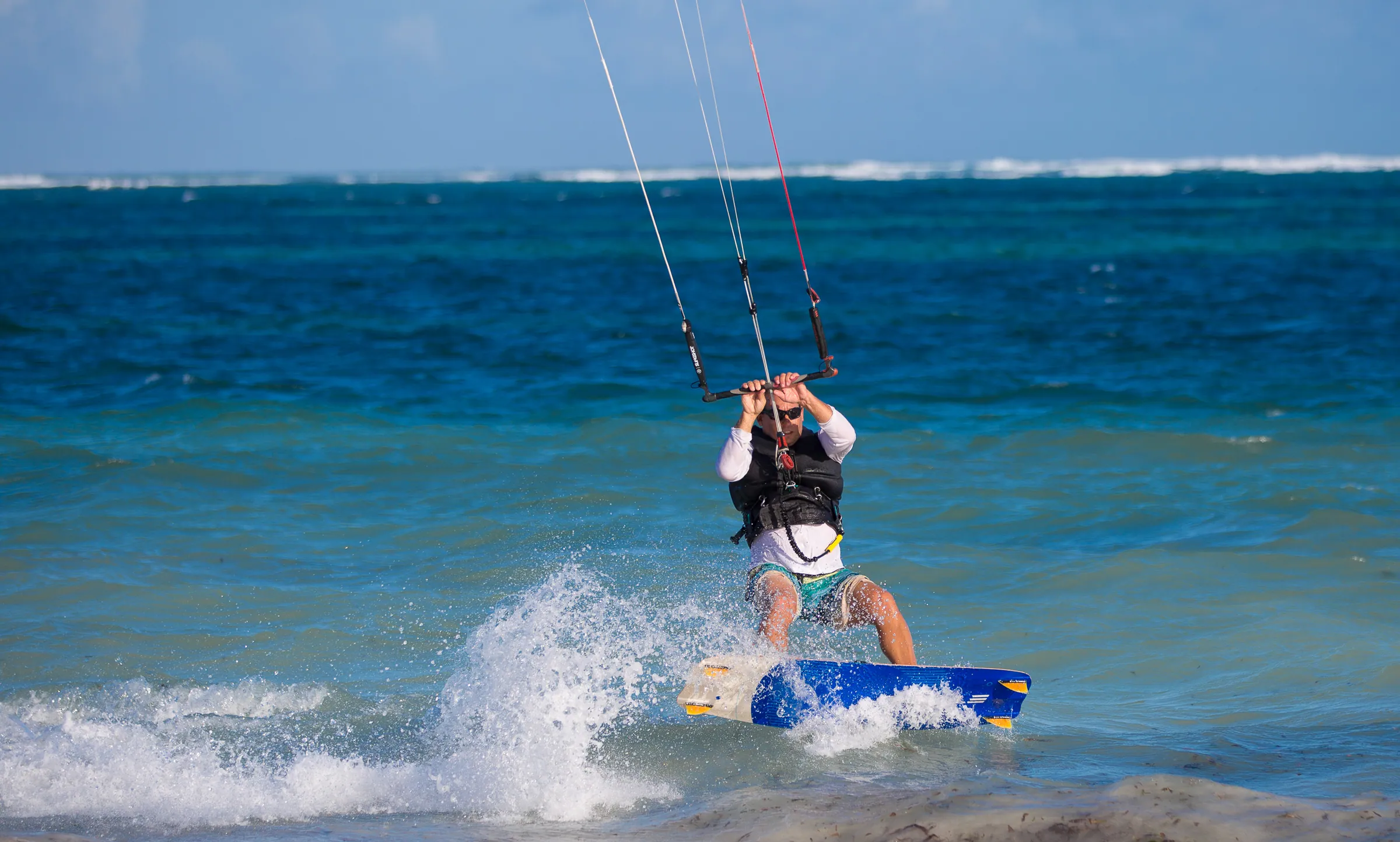
- Diani: families who want space and choice, groups, honeymooners who like a resort, and anyone keen on kitesurfing or a mix of beach days and evenings out
- Watamu: couples and families who like a village pace, snorkelers, birders, and travelers who want nature and history between beach days
- Both: anyone finishing a safari who wants a few days of rest by the Indian Ocean
The beaches and the sea
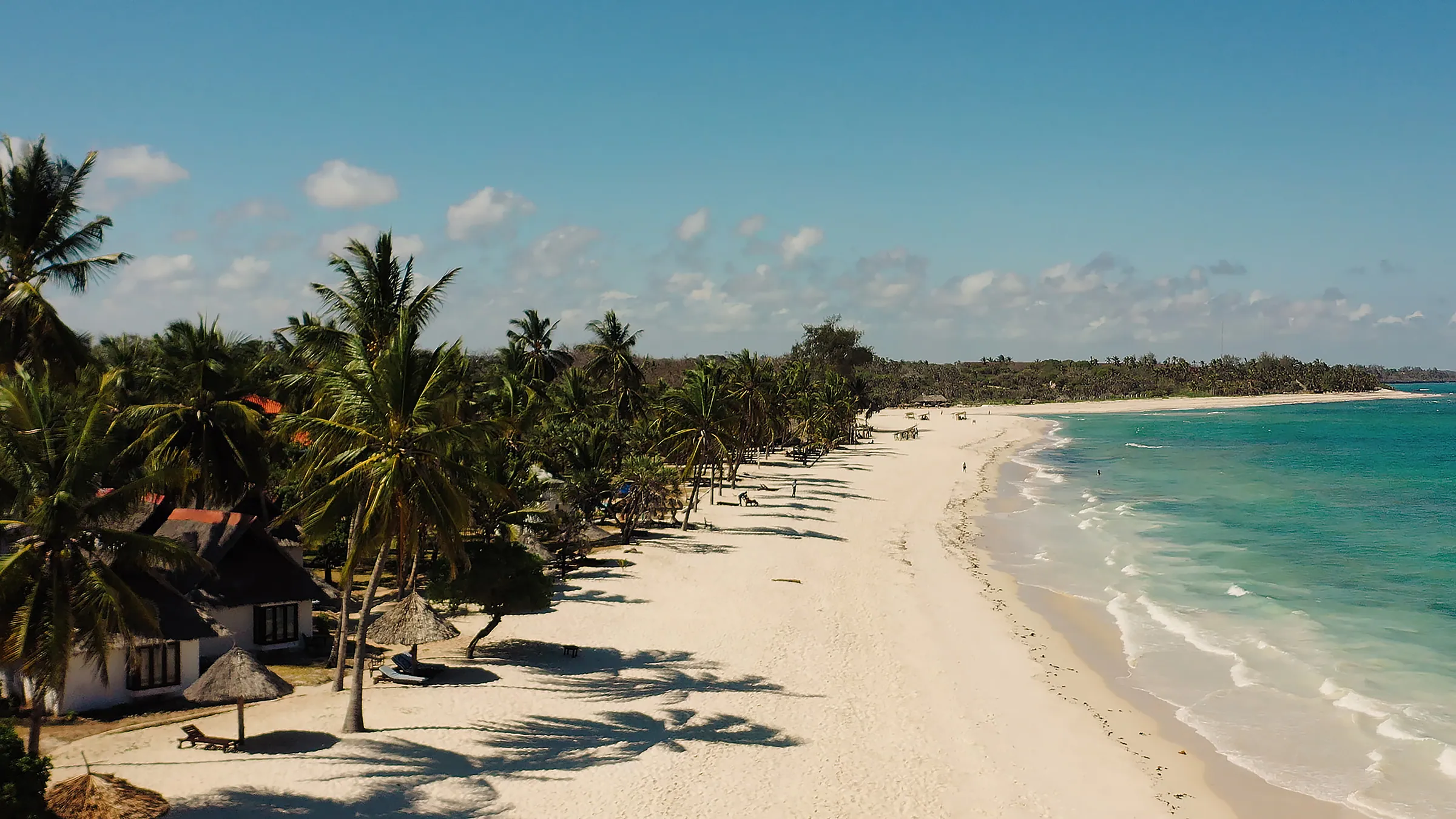
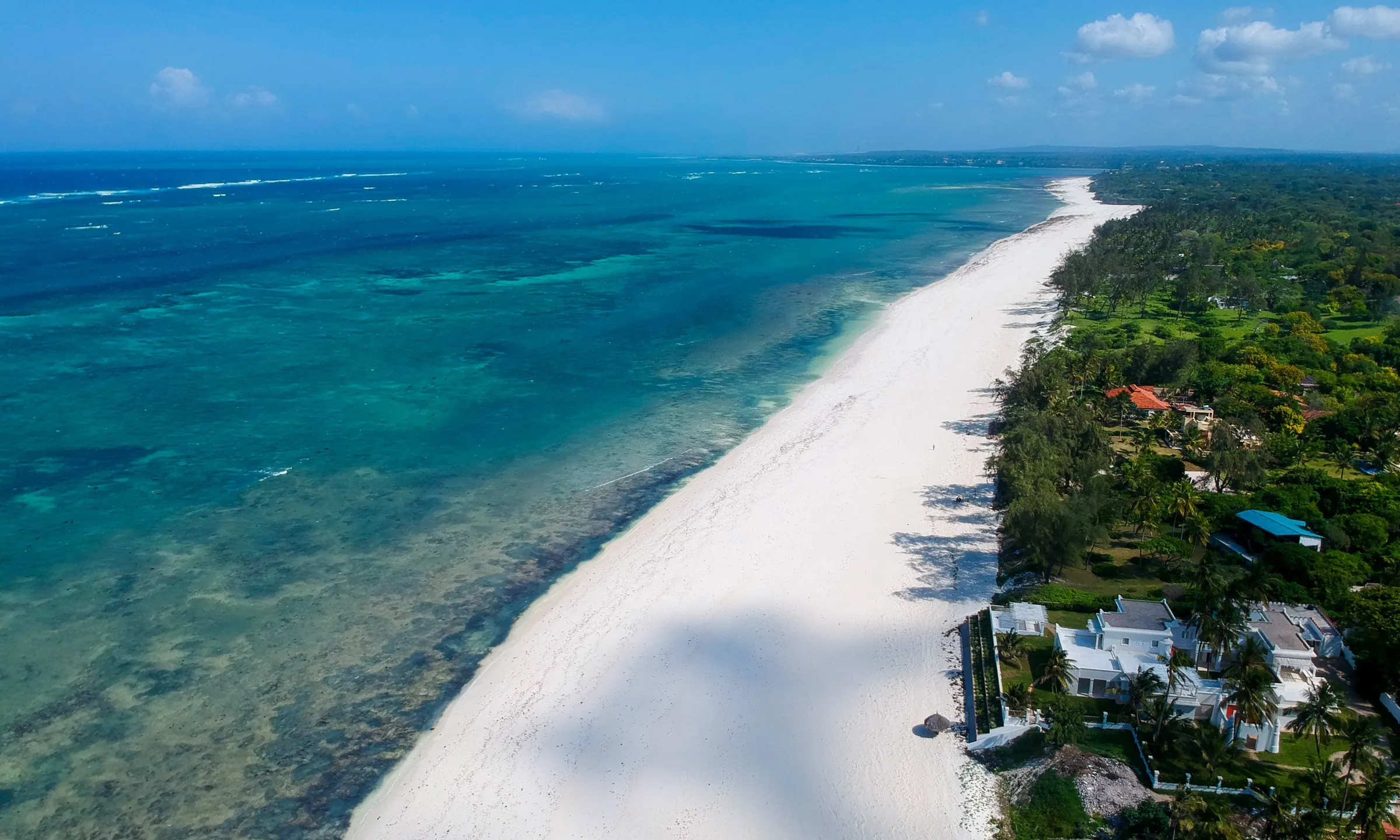
Diani is one long, straight run of fine white sand in Kwale County, with a reef offshore that calms the lagoon. Watamu, in Kilifi County, is a string of bays and coves with rocky islets, and at low tide it reveals sandbars and pools. Both have big tides, so check the tide times if swimming matters to you.
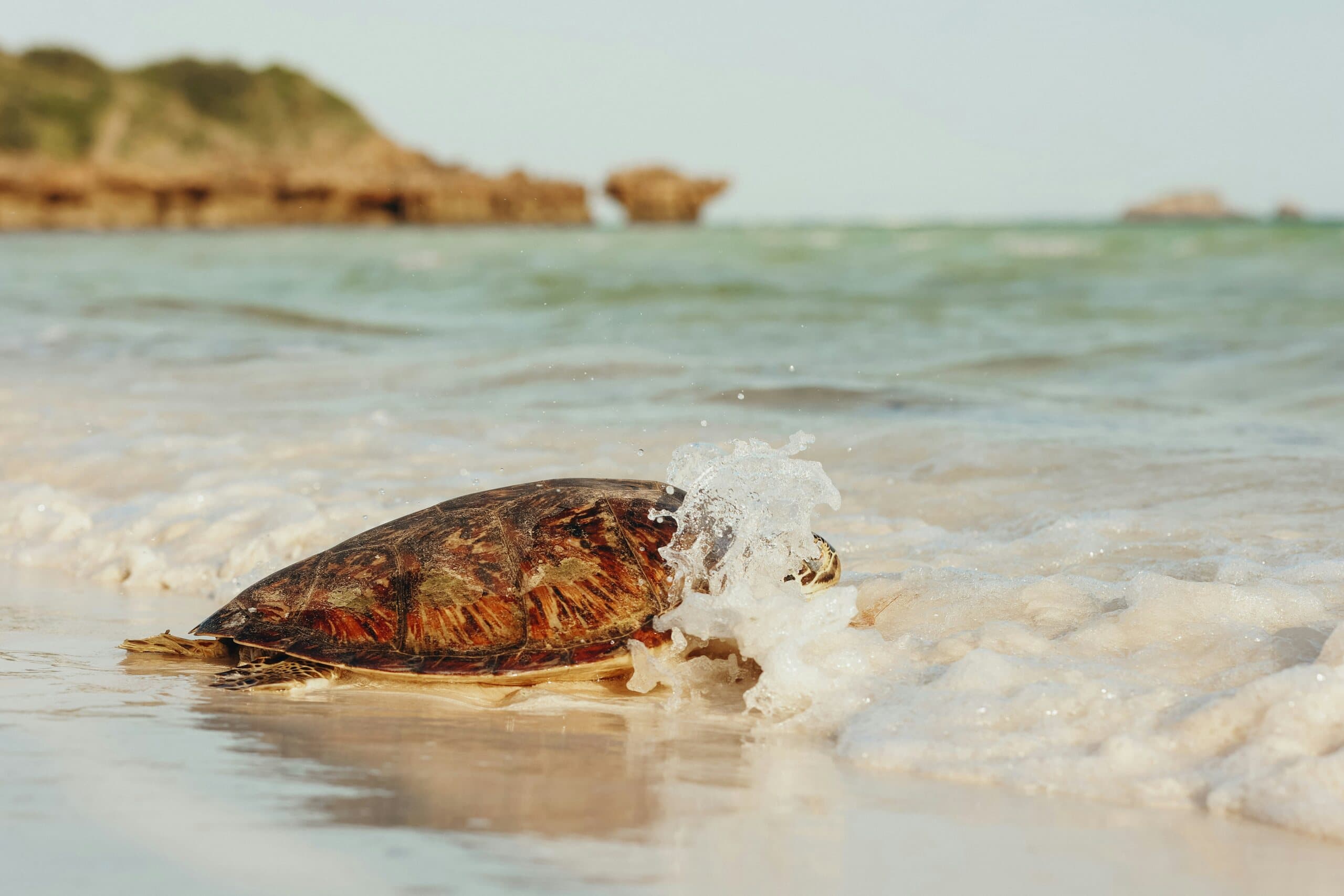
Watamu Marine National Park, gazetted in 1968, protects coral gardens and seagrass where turtles feed, and the area is part of a UNESCO biosphere reserve. From Diani, the best marine day is Kisite-Mpunguti Marine Park near Shimoni, reached by dhow, where dolphins are often seen. Whale sharks visit this coast in season, most often between about November and March, though timing varies from year to year.
On land
- Diani: Colobus Conservation, which protects the coast's rare colobus monkeys; Shimba Hills National Reserve for elephants and forest views; and the sacred Kaya forests of the Mijikenda people
- Watamu: the Gede Ruins, a medieval Swahili town in the forest; the mangroves and birdlife of Mida Creek; and Arabuko-Sokoke, the largest surviving coastal forest in East Africa, home to rare birds
- Both: dhow trips, snorkeling, diving, deep-sea fishing and kitesurfing in the windy months
Seasons, crowds and getting there
Both share the coast's seasons. The hot, dry months of December to March and the cooler, breezy months of July to October are usually best. The long rains, roughly April to June, bring heavy showers, and some hotels close. Steady winds blow in two seasons, about December to March and June to September, which kitesurfers love.
Diani is busier, especially over Christmas, New Year and Kenyan school holidays, but its length spreads people out. Watamu stays calmer. To get there, fly from Nairobi to Ukunda's airstrip for Diani, or to Malindi for Watamu, both short flights. From Mombasa, Diani is about an hour or more by road and Watamu about two, depending on traffic.
- Diani stays: large resorts, boutique hotels and private villas, with plenty of restaurants
- Watamu stays: smaller hotels, guesthouses and villas, with fewer large resorts
- Cost drivers on both: room style and season, with the strongest demand at Christmas and New Year; villas can work out well for groups
How to combine them, and your safari
With a week on the coast, you can split it: three or four nights in Diani, then north to Watamu, with a night in Mombasa Old Town on the way. Watamu pairs well with Tsavo East, a few hours inland, and with a short flight north to Lamu. Diani pairs well with the Shimba Hills and the south coast's marine parks.
Our advice
If this is your first time on the Kenyan coast, you are traveling with a family or group, or you want plenty of choice, pick Diani. If you want quiet, a protected marine park and nature and history on your doorstep, pick Watamu. Both are an easy flight from Nairobi or the Mara, so either makes a natural end to a safari.
Kenya puts a coral reef, a Swahili old town and big game within a short flight of each other. A simple plan is a week on safari, a flight from the Mara or Nairobi to the coast, and four nights by the sea before you fly home through Nairobi.
Why plan with us: Kenya Experience is Kenyan-led, with two U.S. companies behind it and Kenyan guides and hosts from the parks to the coast. Pay in full or monthly with no deposit, and a specialist replies within two business days.