Leisure & Safari
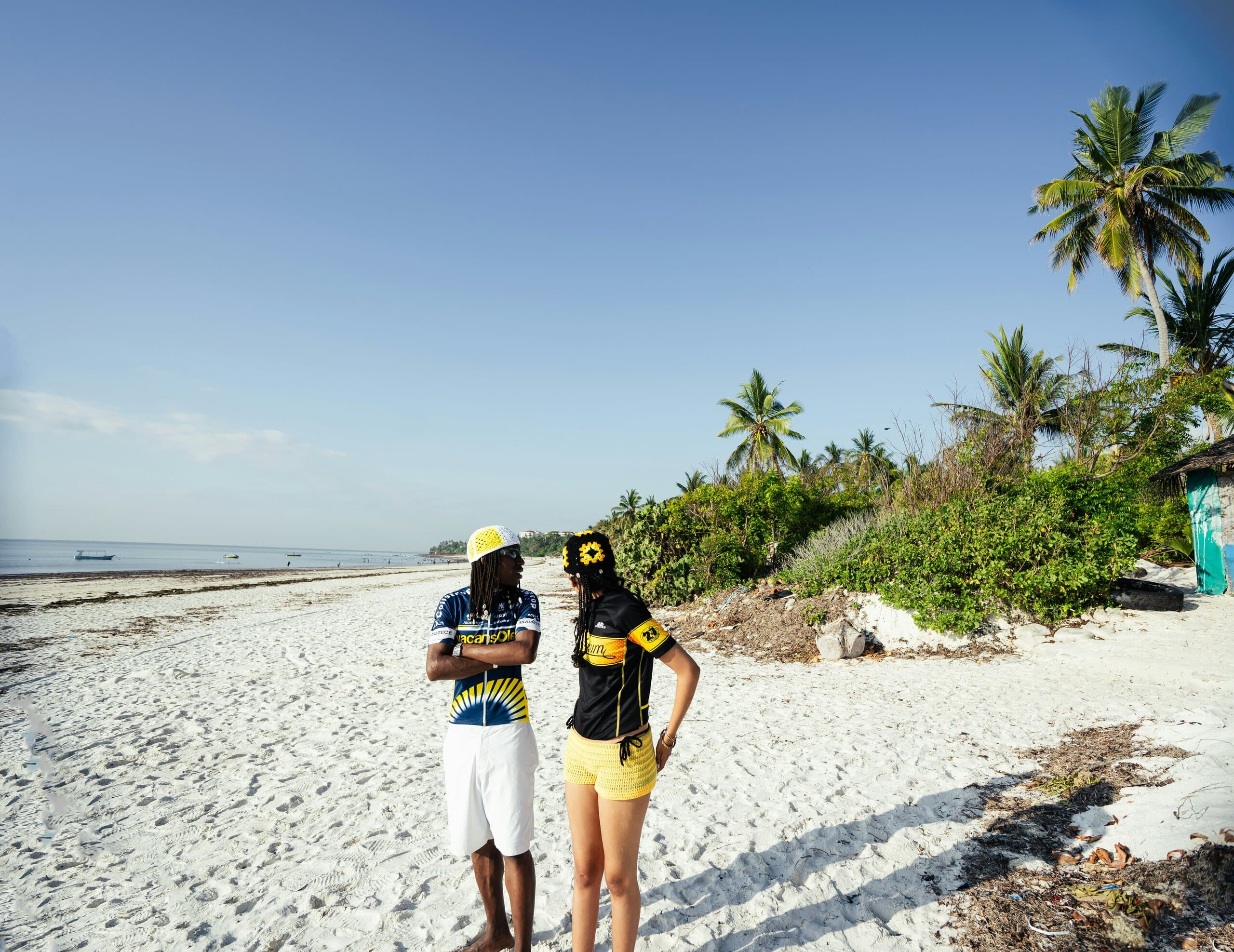
Coral gardens, turtles nesting on the beach, the Gede ruins in the forest and the quietest stretch of the north coast.
Leisure & Safari
Coral gardens, turtles nesting on the beach, the Gede ruins in the forest and the quietest stretch of the north coast.
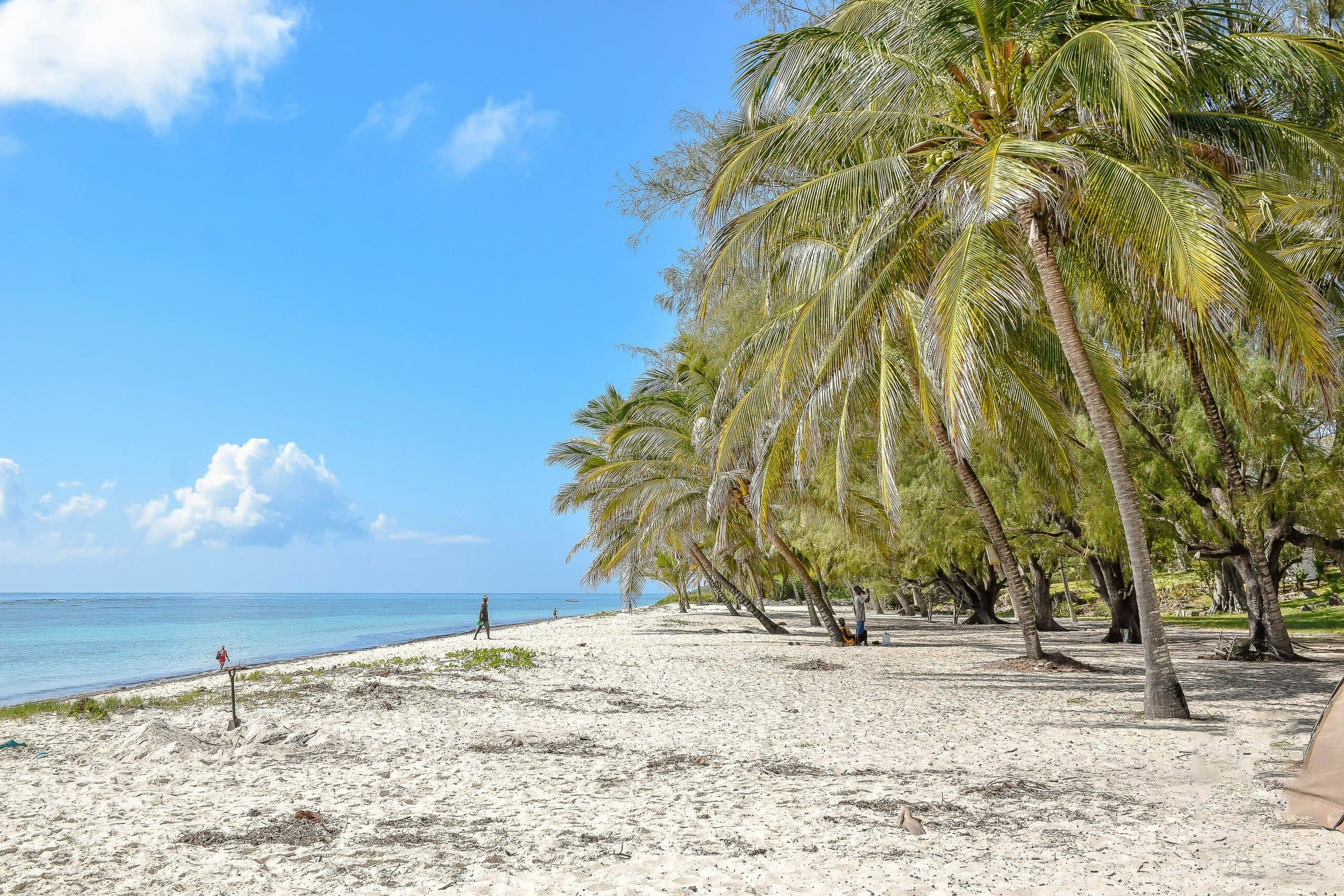
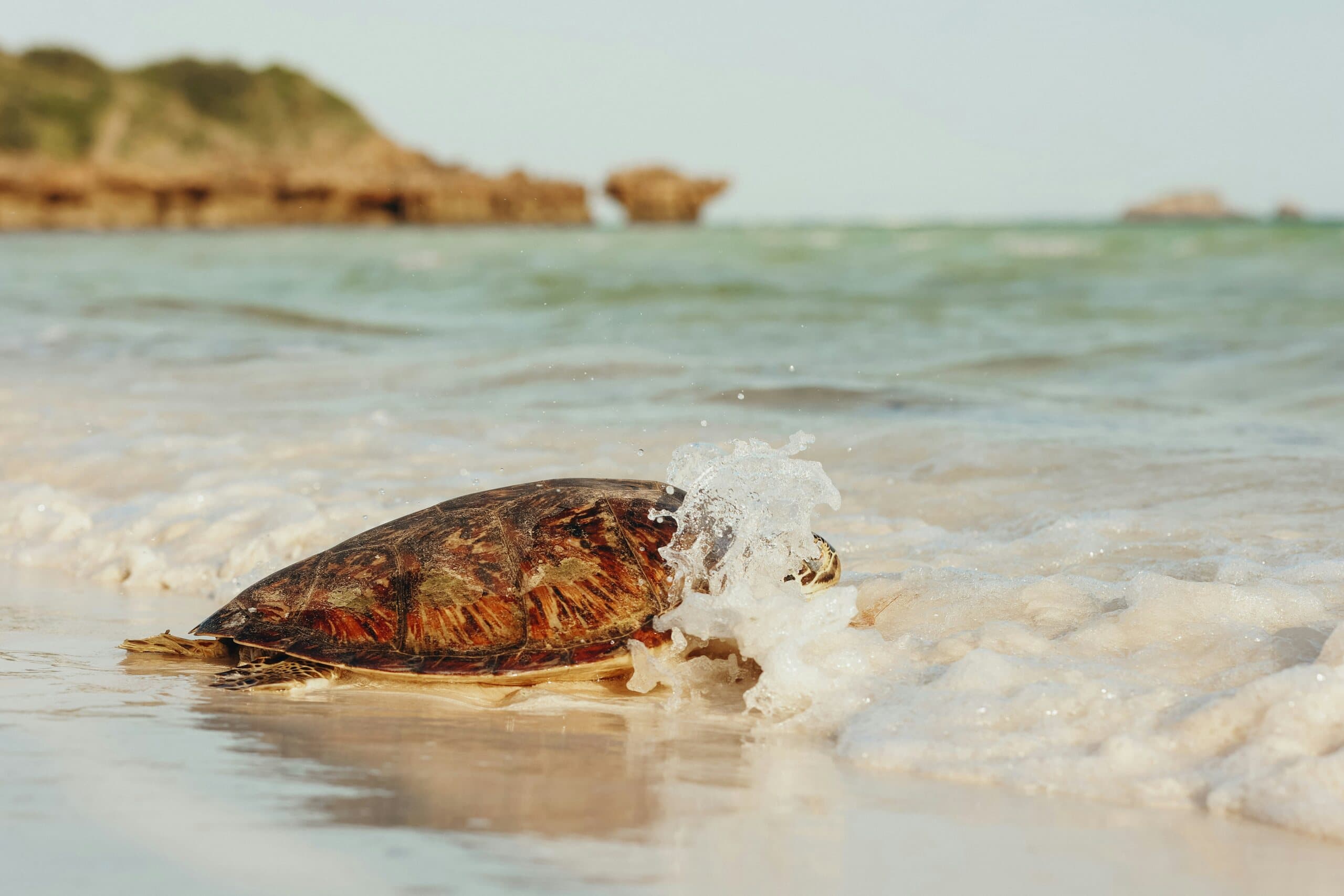
Watamu is one of the oldest marine protected areas in Kenya, gazetted in 1968 and run by Kenya Wildlife Service. Together with Malindi, it became Africa's first marine area named a UNESCO biosphere reserve, in 1979. The protection shows: coral gardens and fish sit a short boat ride from the beach, and green turtles return to nest. Local Ocean Conservation, a Kenyan organization working with the community, monitors the beach every night and has helped make egg poaching rare. On the creek and in the forest, local guides from the surrounding villages show you the birds and mangroves they have known all their lives.
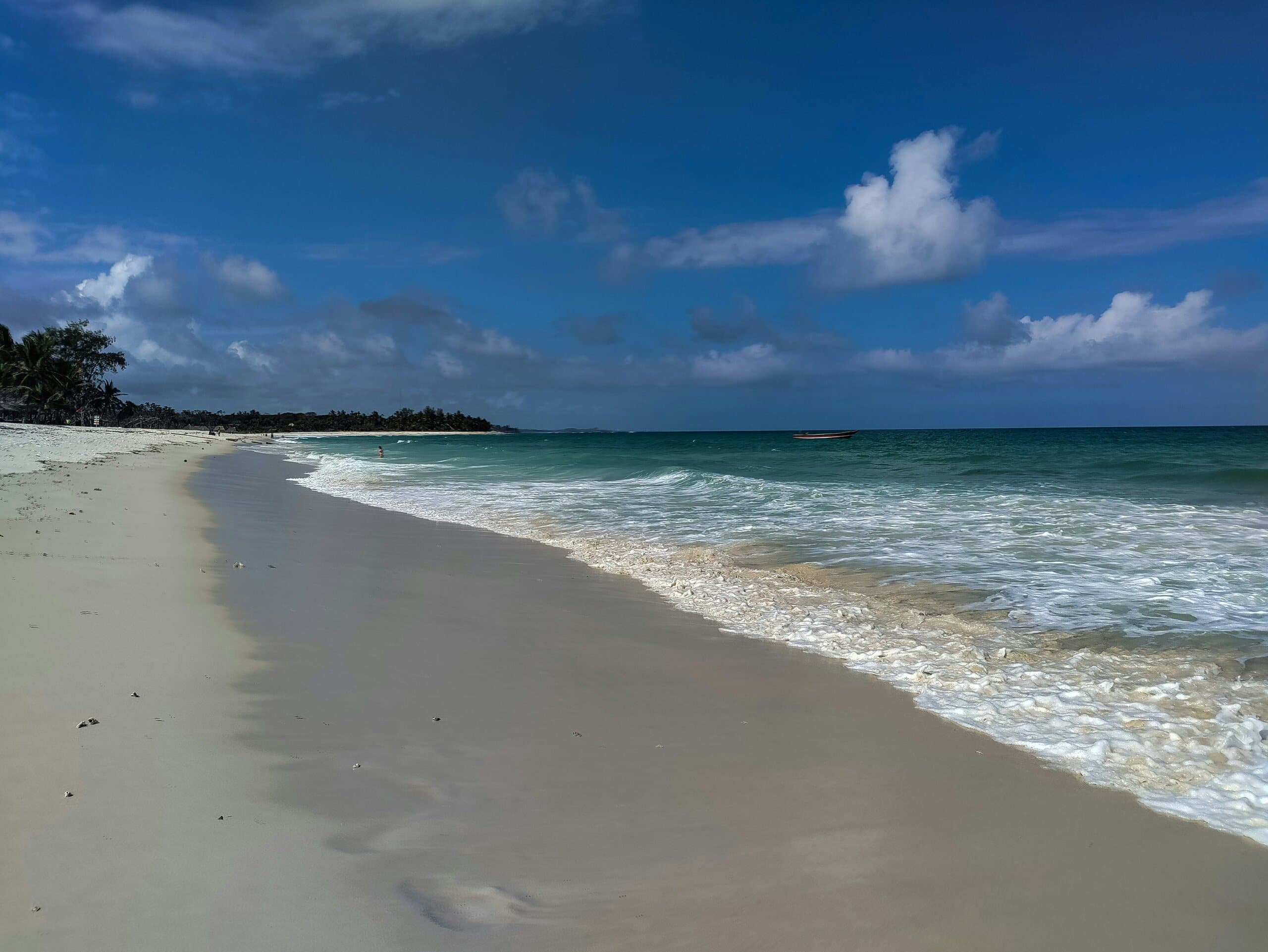
Watamu is on the north coast in Kilifi County, about two hours by road north of Mombasa and a short drive south of Malindi, which has flights from Nairobi. The calmest, clearest water usually comes from about October to March. The long rains usually arrive between April and June. Humpback whales pass offshore from roughly July to October, when the sea is rougher and boat trips depend on the weather. Turtle nesting takes place through much of the year, so hatchling releases depend on when nests hatch.
Take a glass-bottom boat or snorkel trip at low tide to the coral gardens. Visit Local Ocean Conservation's center to learn how turtles caught in nets are rescued and treated. Walk the boardwalk at Mida Creek at high tide, when migratory shorebirds feed in the mangroves. Spend a morning in the Arabuko-Sokoke forest looking for the golden-rumped sengi and the Sokoke scops owl. Then explore the Gede ruins, a Swahili town from about the 12th century, now quiet among the trees.
Nature lovers who want more than a beach. Birders, snorkelers, divers and families with children curious about turtles. Travelers who prefer a smaller, quieter resort town to a long hotel strip. Watamu also suits slow travelers who want to stay a week, with something different each day: reef, forest, creek and ruins. Wellness travelers like its calm, and it pairs easily with a safari, since Malindi has flights to Nairobi.
Check the tide tables, because snorkeling and Mida Creek both depend on the tide. Use reef-safe sunscreen, wear water shoes, and never touch coral or turtles. If you see a hatchling release, follow the team's instructions and keep flash off. Dress modestly in town. Watamu sits south of Malindi, and the U.S. State Department's advisory names parts of the coast north of Malindi, so check the current advisory before you travel, as we do for every trip.
Kenya Experience is Kenyan-led, with two U.S. companies behind it and Kenyan guides, and we connect Watamu to your safari in one plan. Pay in full or monthly with no deposit, and a specialist replies within two business days.
Watamu's marine park protects reefs a short swim from the beach; a local turtle conservation group releases hatchlings in season. Inland, the Swahili ruins of Gede and the Arabuko-Sokoke forest, one of the last coastal forests in East Africa.
Yes. Green turtles nest on Watamu's beaches and feed in the marine park, and Local Ocean Conservation runs a turtle rescue center you can visit.
Fly to Malindi in about an hour and drive a short distance south, or fly to Mombasa and drive about two hours north.
Watamu is smaller and quieter with more nature nearby, such as Mida Creek and Arabuko-Sokoke forest. Diani has a longer beach and more hotels.
Humpback whales usually pass the Watamu coast from about July to October.
Panga
Panga means plan. Tell us who is going and what you love. A Kenya specialist replies within two business days.