Wildlife. Updated November 2026. 3 min read.
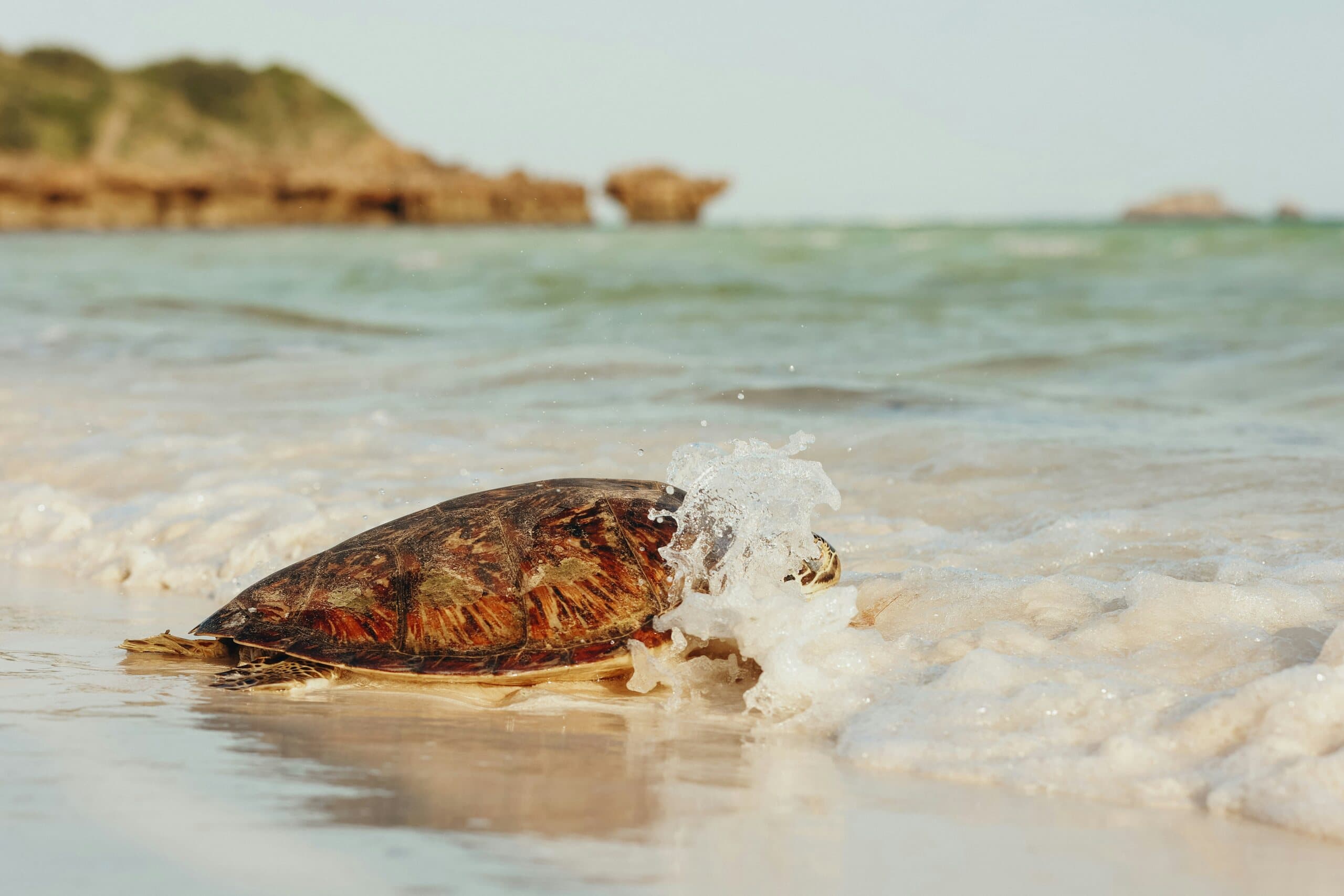
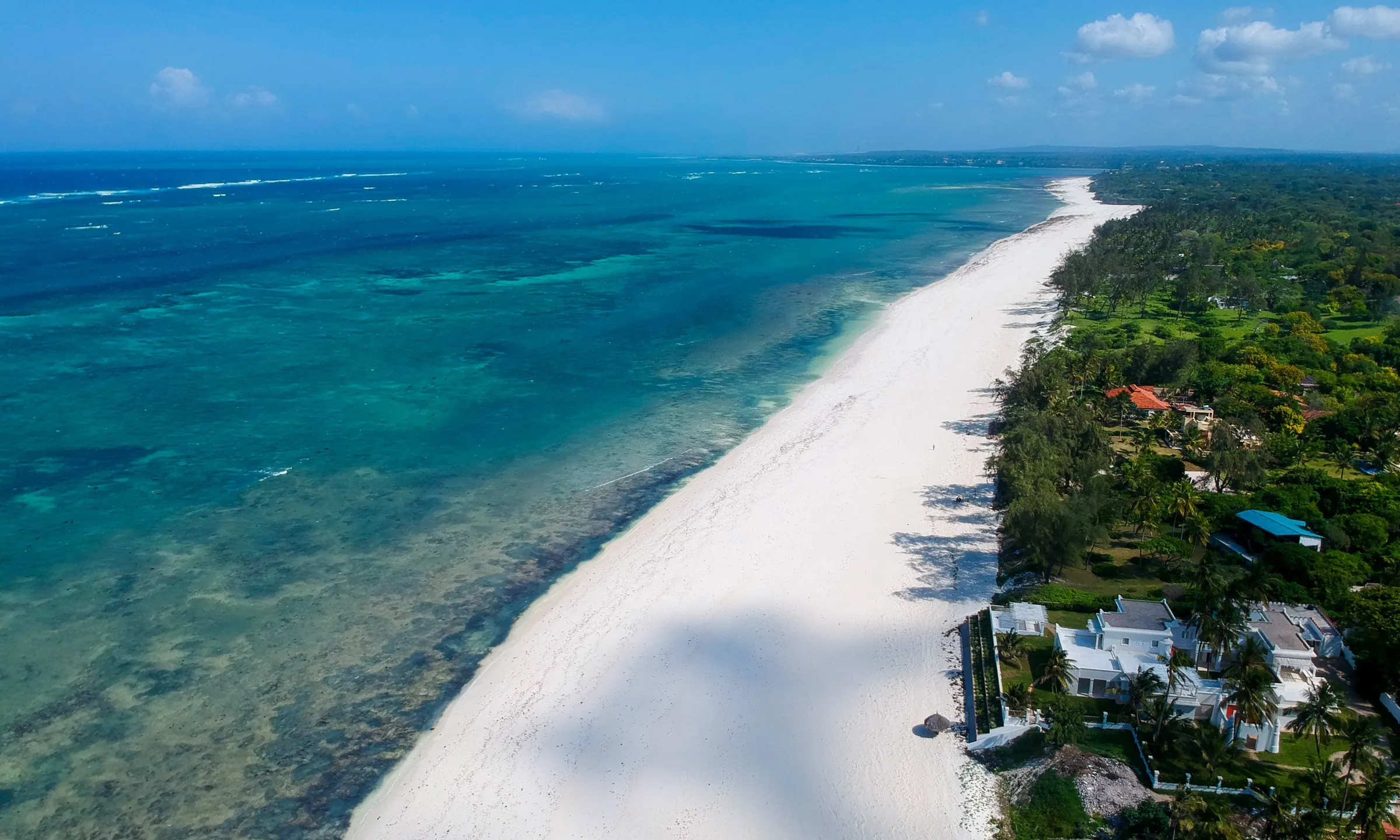
The best place to see sea turtles in Kenya is Watamu, on the north coast, where green turtles graze the reefs of Watamu Marine National Park and nest on its beach. Watamu has been a marine park since 1968, and in 1979 Watamu and Malindi became the first marine protected areas in Africa named UNESCO biosphere reserves. Its community turtle watch has protected the beach for decades. Nesting happens all year, with green turtles usually peaking from about April to June.
Where to see them
- Watamu Marine National Park: snorkel the coral gardens for green and hawksbill turtles. The park's beach is one of Kenya's most important turtle nesting sites.
- Local Ocean Conservation, Watamu: a marine information center and Kenya's only sea turtle rehabilitation center, which welcomes visitors.
- Kisite-Mpunguti, near Shimoni: clear water and coral gardens with turtles, usually combined with dolphin watching on a dhow trip.
- Malindi Marine National Park: reefs just north of Watamu.
- Lamu archipelago: remote beaches that are also nesting sites, for a slower coast trip.
Nesting season and time of day
Watamu's beach is watched every night of the year. A study of two decades of records there found green turtle nesting peaked from April to June and was lowest in October and November, while the smaller olive ridley season appeared to peak from about February to May. Eggs take roughly two months to hatch, so hatchlings tend to appear a couple of months after the nesting peak, mostly at night.
Turtles come ashore after dark, often near high tide. For snorkeling, go on a calm morning around low tide, when the reef is shallow and the water clear. Sea conditions on the Kenyan coast are usually calmest from about November to March.
Behavior worth knowing
- Five species of sea turtle occur in Kenyan waters: green, hawksbill, olive ridley, loggerhead and leatherback. Green turtles are the main nesters at Watamu.
- Adult green turtles graze seagrass, which keeps the beds healthy. Hawksbills feed on sponges on the reef.
- Females return to nest every few years and lay several clutches in a season.
- Hatchlings head for the brightest horizon, normally the moonlit sea, which is why lights on the beach confuse them.
- Turtles surface to breathe, then rest on the reef for long periods.

Community conservation
Watamu Turtle Watch was started by local residents in 1997 to protect nesting turtles and grew into Local Ocean Conservation. Community members monitor the beach and move nests at risk of being dug up. A long-term study in the journal Oryx found this led to a near-total end of illegal egg harvesting inside the marine park, and nesting increased. A bycatch release program works with hundreds of local fishers, who call the team when a turtle is caught in a net so it can be checked and released safely. Turtles hurt by plastic, fishing line or boats go to the rehabilitation center. Sea turtles are protected by Kenyan law, and the IUCN lists the green turtle as Endangered and the hawksbill as Critically Endangered.
Watching them well
- In the water, keep a few meters away, and never touch, chase or ride a turtle.
- Never stand on coral or feed fish; follow Kenya Wildlife Service marine park rules.
- On the beach at night, use no white lights or flash. A nesting turtle disturbed by light may turn back to sea.
- Never buy turtle shell products or eat turtle meat or eggs.
- Wear a rash vest or reef-safe sunscreen, and take your plastic home.
Photography tip: snorkel slowly and let the turtle come to you. Shoot level with it or slightly below, with the sun behind you, and keep your fins still so you don't stir up sand. At the rehabilitation center, ask before photographing patients. Hatching is unpredictable, so ask locally whether a nest is due rather than planning around it.
Kenya Experience is Kenyan-led, with two U.S. companies behind it, and our trips pair the coast with a safari, with Kenyan guides throughout. Pay in full or monthly with no deposit; a specialist replies within two business days.