Homeland
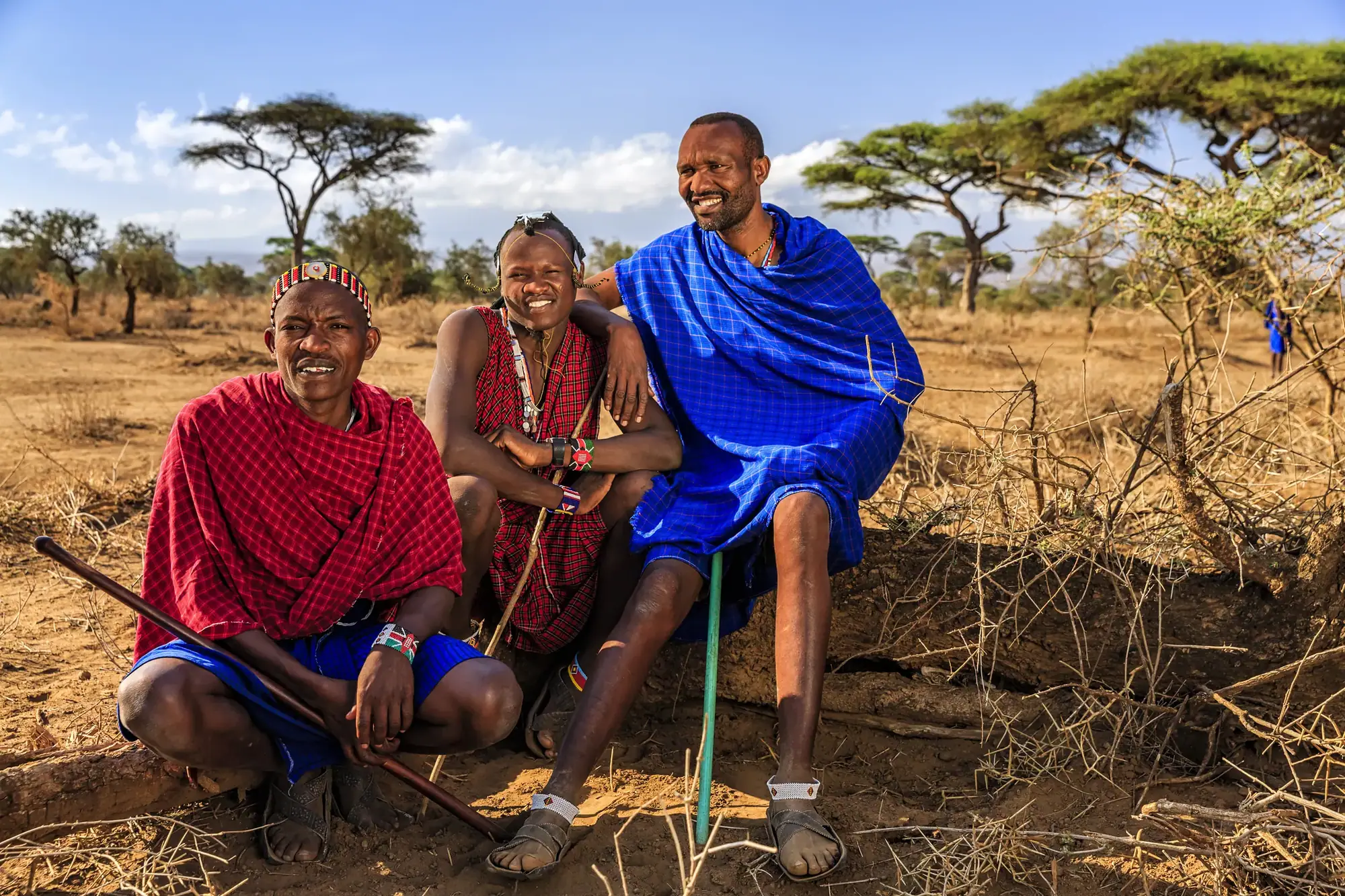
The Kuria, who call themselves Abakuria, live in Migori County (Kuria East and Kuria West) and across the border in Tanzania's Mara Region. The 2019 census counted 313,854 Kuria in Kenya, and a larger population lives in Tanzania.
Language
Igikuria is a Western Bantu language close to Ekegusii, the language of the neighboring Gusii.
Origins and clans
The Kuria probably have no single origin, and their culture blends several strands, though some clans claim an origin in Misri, a tradition scholars read as a memory of migration through Uganda. Four clans live in Kenya: Abagumbe, Abairege, Abanyabasi and Abakira.
Society
Farming and cattle keeping go together, with herding practices borrowed from the Maasai. Each clan territory is traditionally governed by an assembly, the iritongo, and a council of ritual elders.
Rites of passage
Circumcision (esaro) creates named age-sets. The female rite has been illegal in Kenya since 2011 and is the focus of sustained campaigns, though it persists in places.
Today
Like most Kenyans today, many Kuria are Christian and speak Swahili and English alongside Igikuria.
Further reading
- Kuria Cattle Raiders, Michael Fleisher (2000)
Sources
From The Peoples of Kenya: An Ethnographic Reference (Kenya Experience, November 2026), a synthesis of published sources. Practices described as traditional are historical baselines; today most Kenyans are Christian or Muslim, live in or near towns and speak Swahili and English. Spot something to correct? Write to kibetck@kenyaexperience.org.