Parks and reserves. Updated November 2026. 5 min read.
Mount Longonot is the hike Nairobi does on a Saturday morning. You drive about an hour and a half out of the city, down the Rift Valley escarpment, and climb a steep ash path for an hour and a half to two hours. Then you are standing on the rim of a volcano, with a forested crater floor far below you, steam curling from vents in its walls, and Lake Naivasha shining to the north.
The short answer to most questions: Longonot is a small Kenya Wildlife Service national park, about 52 square kilometers, around a 2,776 m volcano on the floor of the Rift Valley. The walk is the reason to come. It is about 3 km from the gate to the rim, then an optional 7.2 km loop around the rim that takes in the true summit. Allow 3 to 4 hours to the rim and back, or 5 to 6 hours with the full loop. It is steep, dusty and exposed to the sun, and reasonably fit beginners finish it every weekend.
What it is
Longonot is a stratovolcano, one of the young volcanoes that line the floor of the Rift Valley between Naivasha and Narok. Geologists date its last eruption to the 1860s, and the steam vents on the inner crater walls are a reminder that it is only sleeping. The name comes from the Maa word Oloonong'ot, usually translated as mountain of many spurs or steep ridges, which is exactly what you see from the road: deep gullies running down every side.
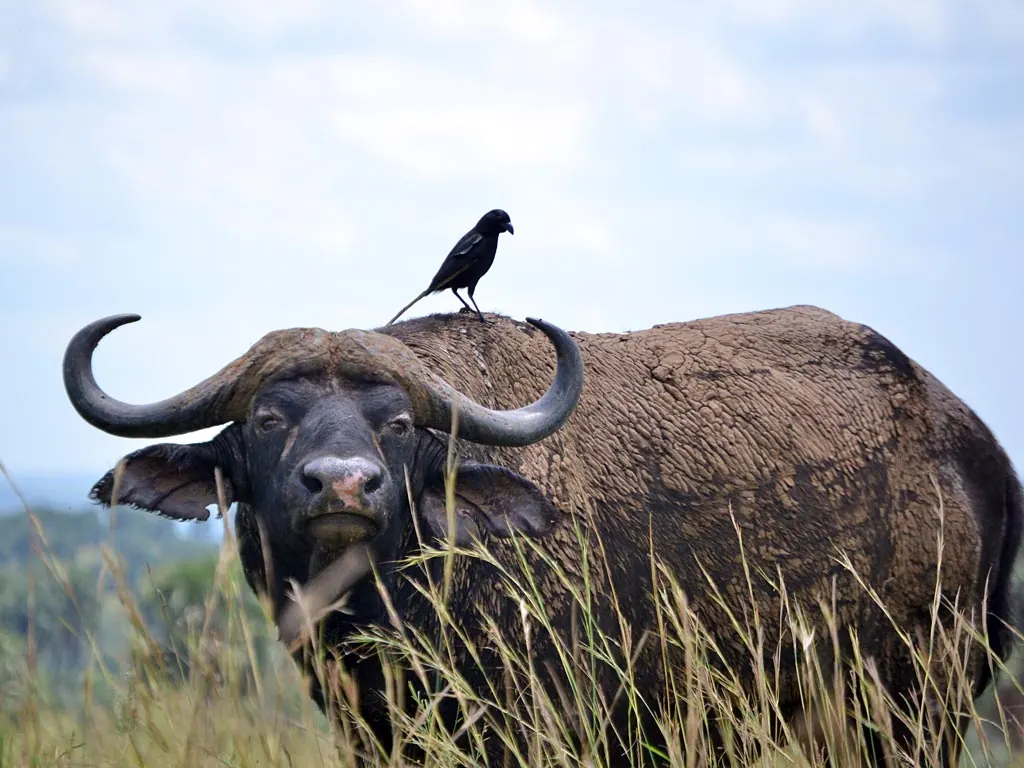
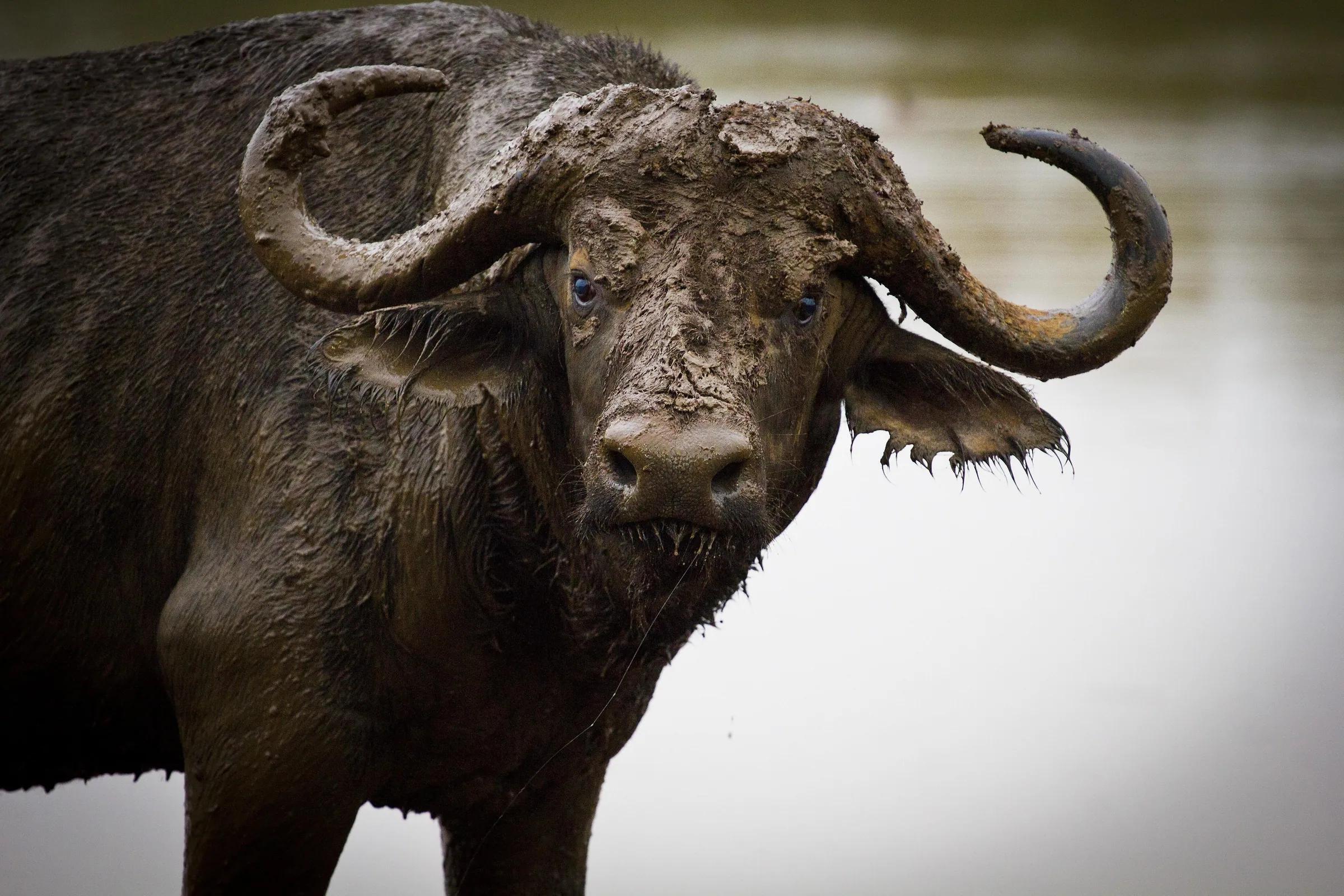
The park was gazetted in 1983 to protect the mountain and its crater. It is a walking park, not a game-drive park, but the lower slopes carry plains animals: zebra, giraffe, Thomson's and Grant's gazelles, eland and hartebeest, with buffalo in the thicker bush and klipspringer on the rocks. Look up for raptors riding the thermals above the rim.

The hike, stage by stage
| Stage | Distance | Time | What it is like |
|---|---|---|---|
| Gate to the rim | About 3 km | 1.5 to 2 hours up | A wide track, then a steep, eroded ash path with two hard climbs and rest points with views |
| The rim loop | About 7.2 km | 2 to 3 hours | A narrow, uneven ridge with drops on both sides; the summit is on the far side from where you arrive |
| Rim back to the gate | About 3 km | About 1 hour | Loose ash and gravel: slippery and hard on the knees |
The gate sits at roughly 2,150 m, so you climb around 600 m to the summit. Most first-timers find the second steep section below the rim the hardest part of the day. Going around the rim is optional: many people walk to the first viewpoint, rest, and come back down, which is still a full and rewarding morning.
How hard is it?
Harder than it looks from the road, easier than a mountain trek. There is no technical climbing, but the path is steep, the ash is loose, there is little shade and the air is thinner than at sea level. If you walk regularly at home, you will manage the rim. Children of about ten and up who hike with their families usually do well. The rim loop is narrow and windy in places, so it is not for anyone who struggles with heights. Our altitude page explains how the Rift Valley's height affects people arriving from the U.S.
Fees and rangers
Longonot is a KWS park, paid through the KWS eCitizen portal. Its non-resident fee sits in a lower band than the $80 to $90 charged at the headline parks, but KWS revised every park fee from October 1, 2025, so check the current figure on the KWS fee schedule before you go. On our trips the fee is included in your price. You can usually ask for a KWS ranger to walk with you for a separate charge, which we recommend for small groups and families: rangers know the path, the weather and where buffalo like to rest.
What to carry, and when to start
- Two to three liters of water per person: there is none on the mountain
- A sun hat, sunglasses and sunscreen; the rim has almost no shade
- Shoes with real grip, such as trail shoes or light boots; sneakers slide on the ash
- A buff or bandana for the dust, and a light layer for the wind on the rim
- Snacks for the top, and a bag to carry your litter back down
- Walking poles if your knees dislike steep descents
Start early. We aim to be at the gate soon after it opens, because the first hours are cooler, the views are clearer before the haze builds and the wind is usually lighter. Climbing in the midday sun is the most common mistake we see.

Best time to go
The dry months, roughly January to March and June to October, give the firmest path and the clearest views. The long rains of April and May turn the ash slick, and the short rains around November can bring afternoon storms, so start even earlier then. Weekends are busy with Nairobi hikers and school groups; on a weekday you may have the rim almost to yourself.
Pairing Longonot with Hell's Gate and Naivasha
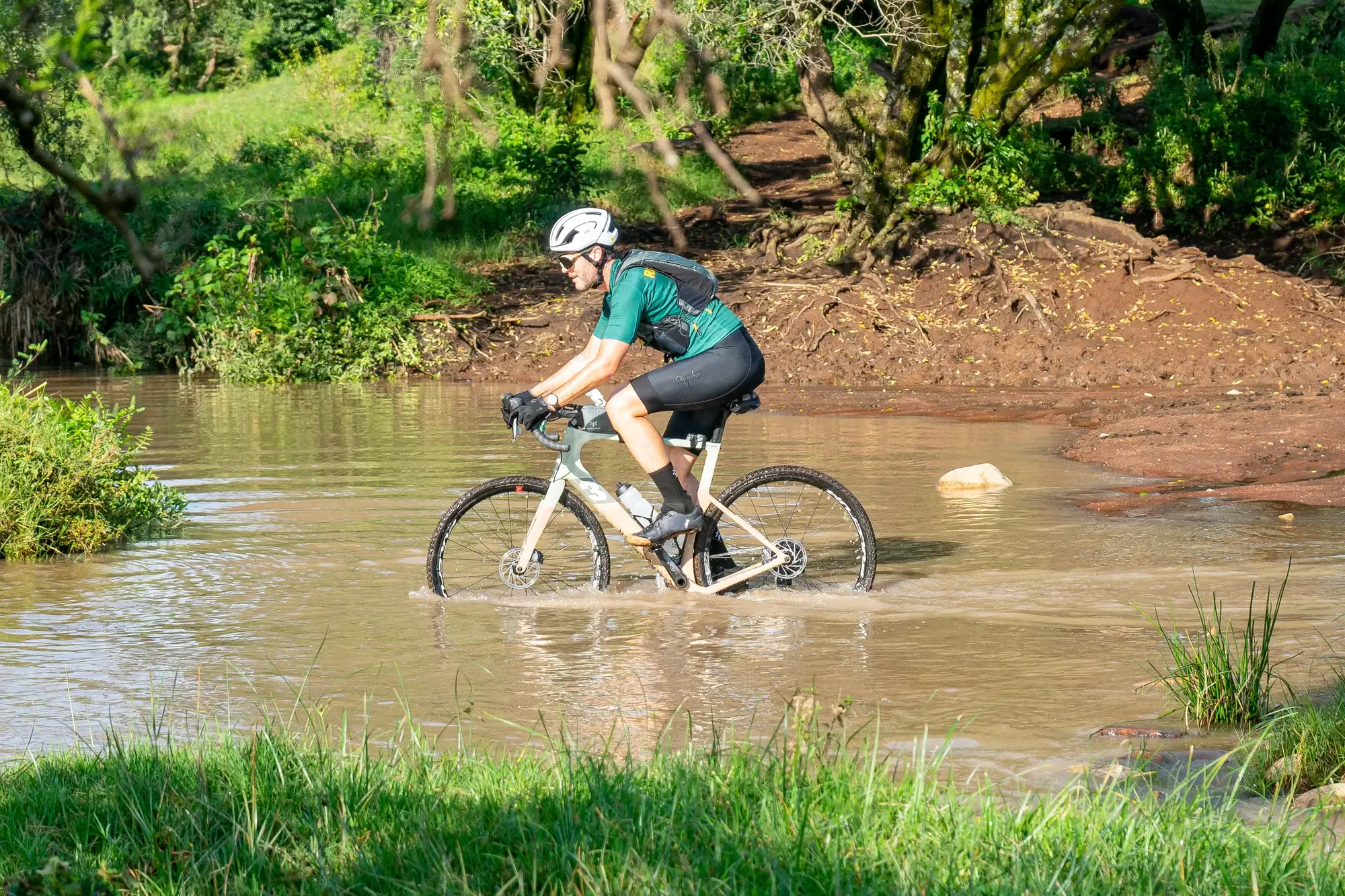
Longonot sits about 40 minutes from Hell's Gate National Park and Lake Naivasha, which makes for one of the best active days in Kenya: the crater in the morning, lunch by the lake, and a boat ride among hippos in the afternoon. With a night at Naivasha, you can cycle and walk Hell's Gate the next morning. The mountain is also the big landmark on the road from Nairobi to the Maasai Mara, so it fits on the first day of a safari for travelers who want to stretch their legs. Our hiking hub lists Kenya's other day hikes, from easy forest walks to Mount Kenya.
We run Longonot as a private day with a vehicle and Kenyan driver-guide, collecting you in Nairobi early, carrying extra water and timing the climb to the weather. Pay in full or monthly with no deposit.