Parks and reserves. Updated November 2026. 4 min read.
The boatman whistles, throws a small fish onto the water, and an African fish eagle drops from a dead acacia, talons forward, and snatches it a few meters from your seat. That moment is the reason most people come to Lake Baringo, and it is only the start. This freshwater lake in the hot, dry north of the Rift Valley has about 470 bird species on its list, one of the highest counts of any single site in Kenya.
Baringo is a lake to stay on rather than a park to drive through. You base yourself at Kampi ya Samaki, the fishing village on the western shore, take a boat out among hippos, crocodiles and islands, and walk the cliffs and acacia scrub with a local bird guide. It sits in Baringo County, about three hours north of Nakuru, and pairs naturally with Lake Bogoria an hour to the south. It is on our regular routes.
A freshwater lake in soda country
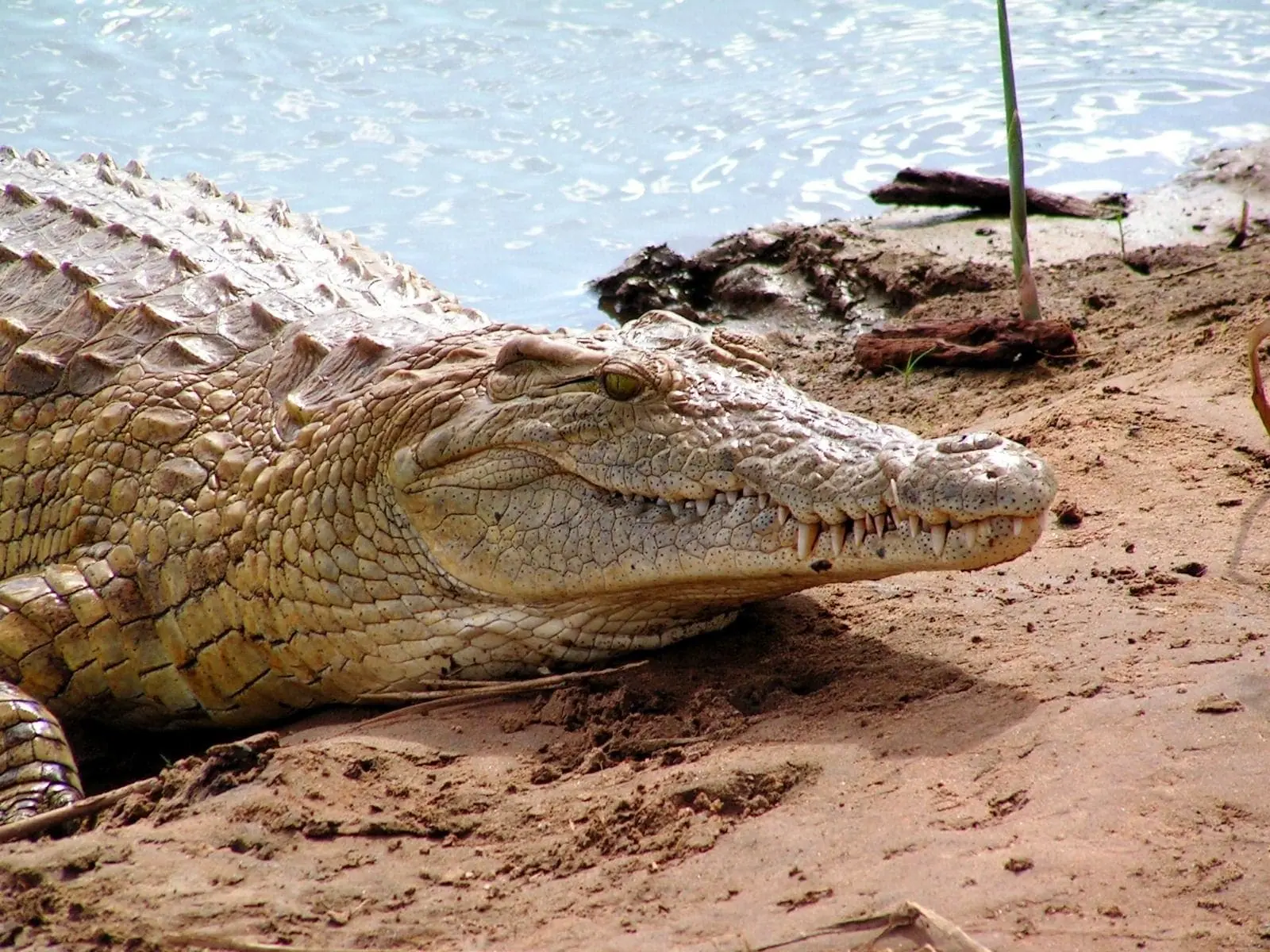
Most Rift Valley lakes are salty soda lakes. Baringo is fresh, fed by the Molo and Perkerra rivers and with no visible outlet; the water is thought to drain away underground through the faulted rock beneath. That is why it holds fish, hippos and crocodiles, and why its birds are so different from Bogoria's flamingos. The lake is a designated Ramsar wetland of international importance and is managed with Baringo County, which usually collects a small community fee on the road into Kampi ya Samaki.
The birds
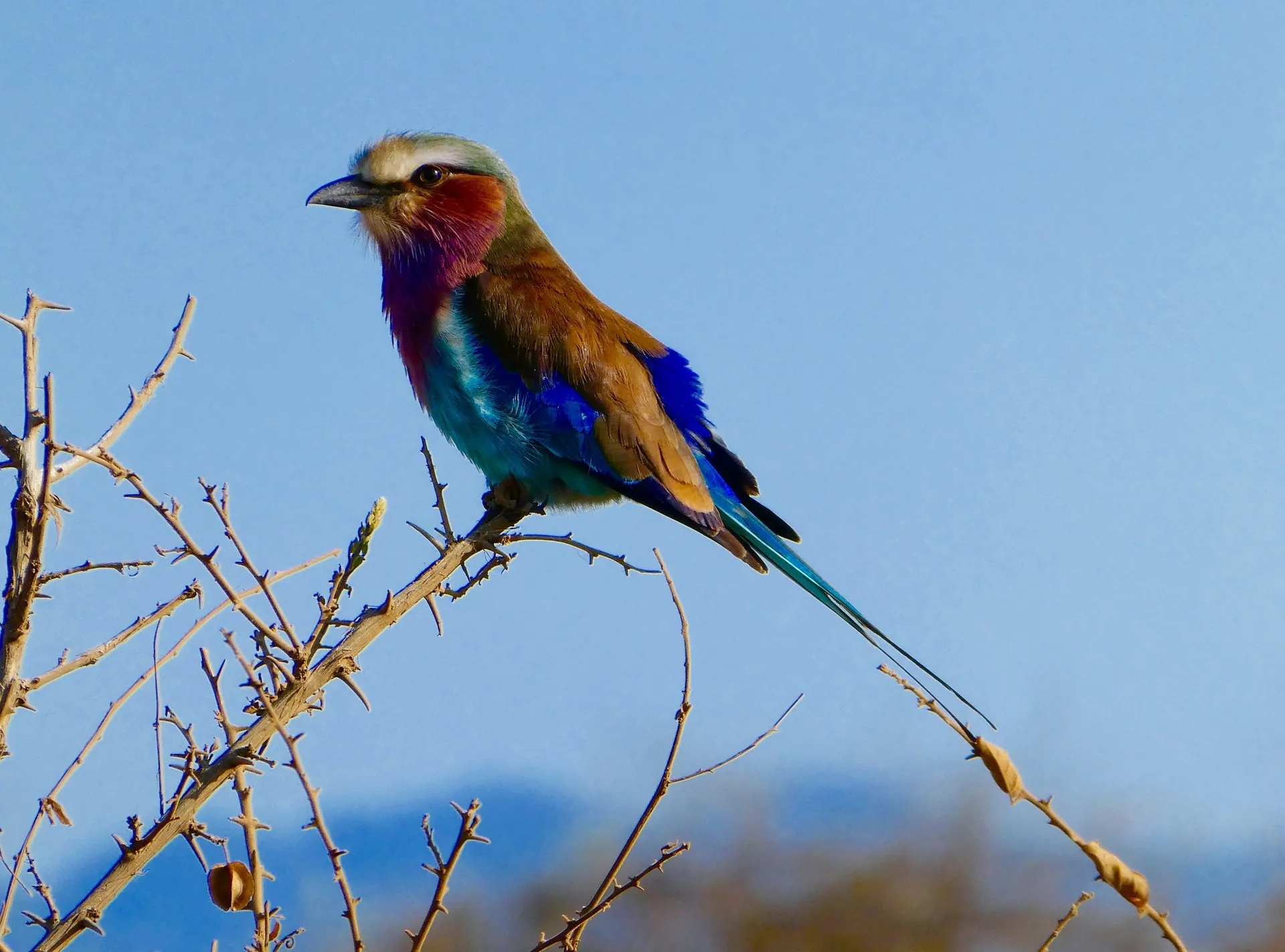
- African fish eagles, around the whole shoreline and easiest from a boat
- Goliath herons, the world's largest heron, along the edges and islands
- Kingfishers, from tiny malachites to pied kingfishers hovering over the water
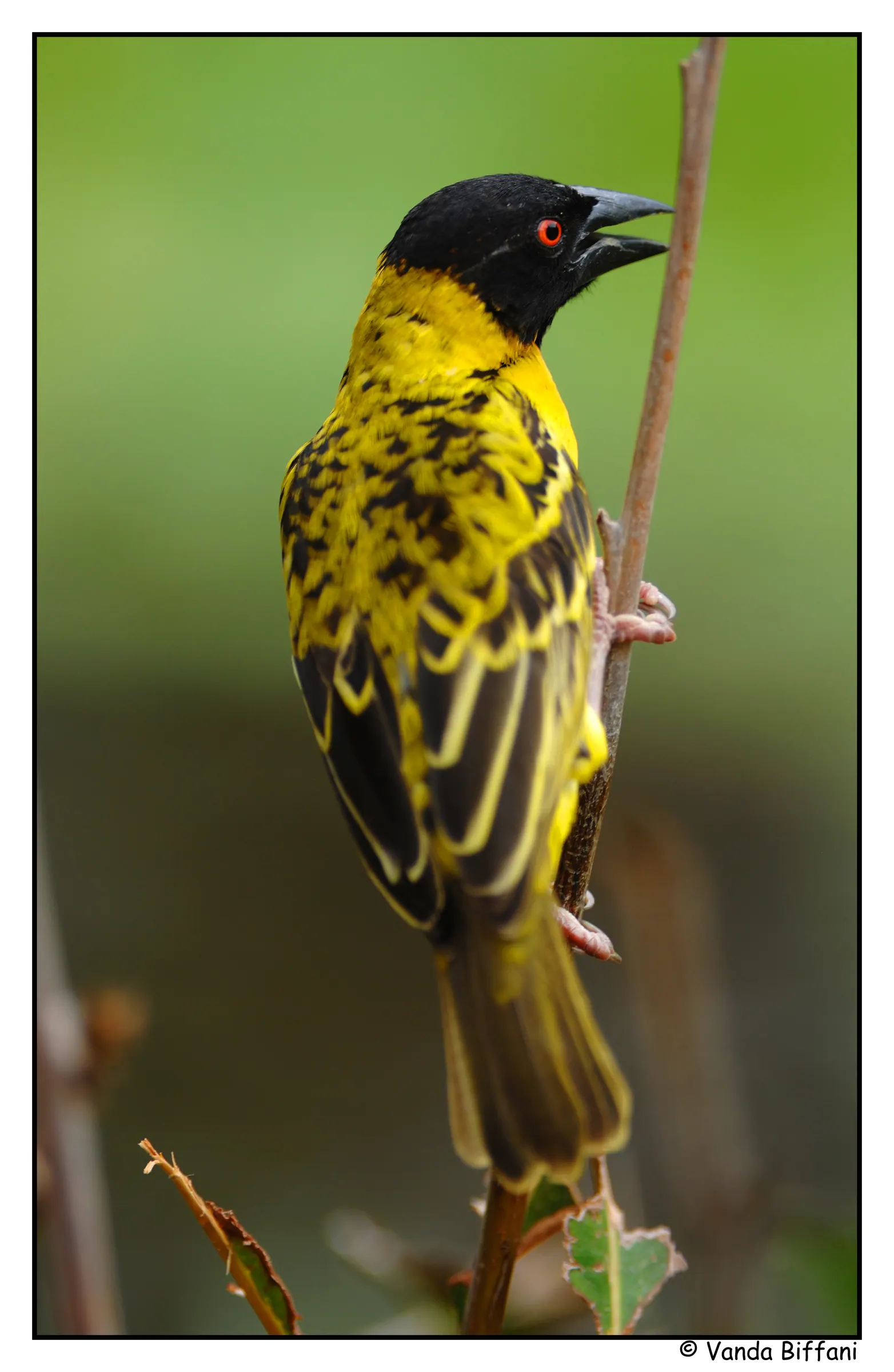
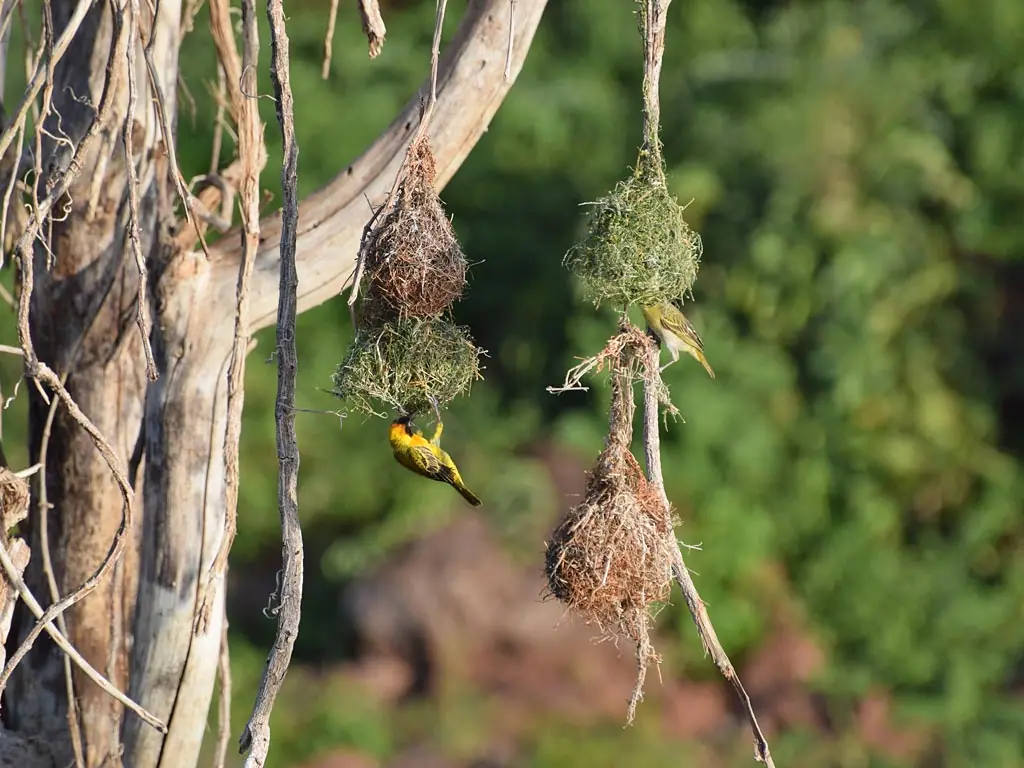
- Hornbills, weavers, barbets and starlings in the acacias around the lodges
- Owls and nightjars on their daytime roosts, found by Kampi ya Samaki's bird guides
- Migrant waders and warblers from about October to April
Hire one of the local bird guides who work out of Kampi ya Samaki. They know where the owls roost that week and which cliff holds the hornbills, and they turn a walk in the scrub into the best birding morning of many people's lives. Our birdwatching page explains how Baringo fits a birding trip around Kenya.
On the water
| Activity | Time | Good to know |
|---|---|---|
| Boat trip with fish eagles and hippos | 1.5 to 2 hours | Early morning or late afternoon; life jackets on |
| Island visit to Ol Kokwe | Half a day with the boat ride | Hot springs and Il Chamus villages; ask before photos |
| Bird walk with a local guide | 2 to 3 hours | Start at dawn, before the heat |
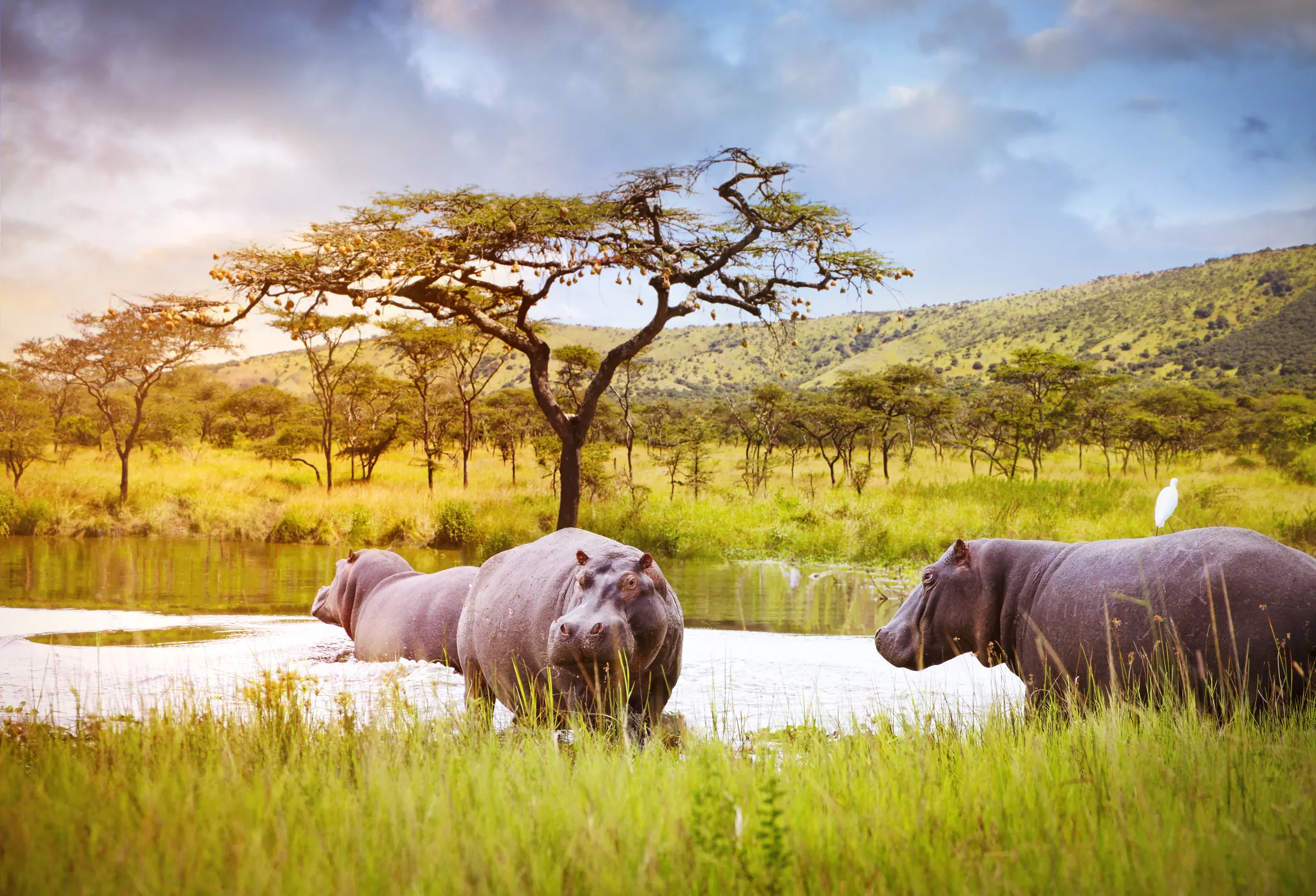
| Sunset on the shore | An hour | Hippos come out to graze at dusk; keep your distance |
Hippos leave the water at night to graze, sometimes on lodge lawns. Never walk between a hippo and the lake, and use a torch after dark. Snakes are part of this dry country too, so wear closed shoes at night; our snakes page explains the species and how rarely visitors meet them.
The people of the lake
The Il Chamus, also called the Njemps, are a Maa-speaking people who have lived around the lake and its islands for generations, fishing as well as herding, which sets them apart from most of their Maa-speaking neighbors. Fishermen still use small rafts made of lightweight ambatch wood. The Tugen and Pokot live in the hills around the lake. A village visit arranged through a local guide is welcome; turning up with a camera is not.
The rising lake
Since about 2010, and sharply after 2013, Lake Baringo has risen by many meters, as have Bogoria, Nakuru and Naivasha. The water swallowed shoreline homes, schools, roads and some lodge buildings at Kampi ya Samaki, and the lake has spread far beyond its old edges. Scientists link the rise to heavier rainfall and changes in the catchment. For visitors, it means older maps and reviews may be out of date, and some camps have moved or closed. We check which places are open and on dry land before we book.
Where to stay and how to get there
Roberts Camp, a long-established camp on the shore at Kampi ya Samaki, is the classic base, with cottages, tents and some of the best birding in its own garden. Island Camp, on Ol Kokwe, has been affected by the high water over the years, so we confirm its status before offering it. From Nakuru, the drive north through Marigat takes about three hours, crossing the equator on the way. Allow one or two nights.
Pairing Baringo with Bogoria
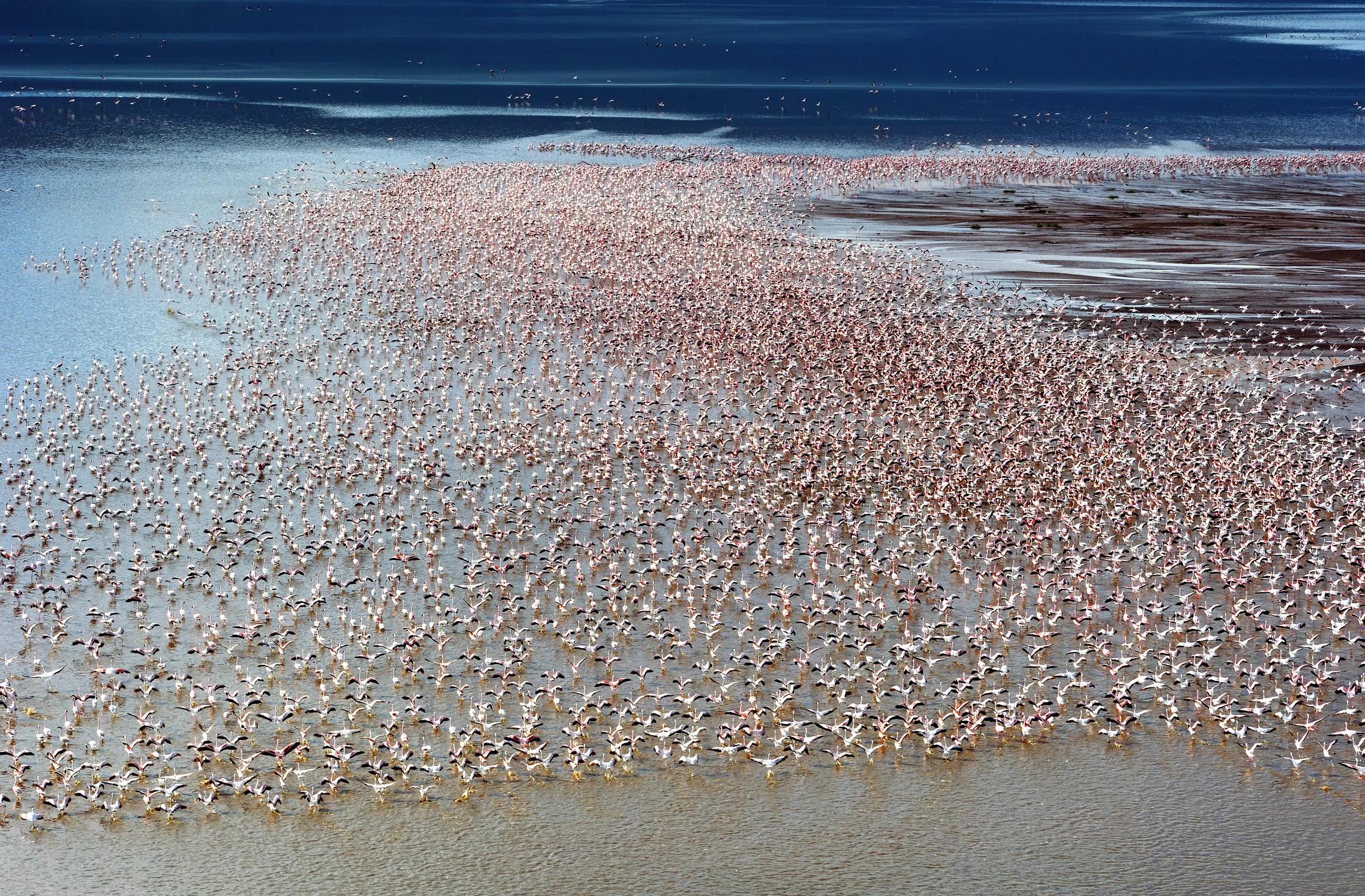
Lake Bogoria National Reserve, with its geysers, hot springs and flamingos, is about an hour south. Many travelers do Bogoria by day and sleep at Baringo, or the reverse, seeing two utterly different lakes, one soda and one fresh, in a single stop. It is hot here in every month, often above 90°F (32°C) by midday, so plan activities for the early morning and late afternoon.