Parks and reserves. Updated November 2026. 3 min read.
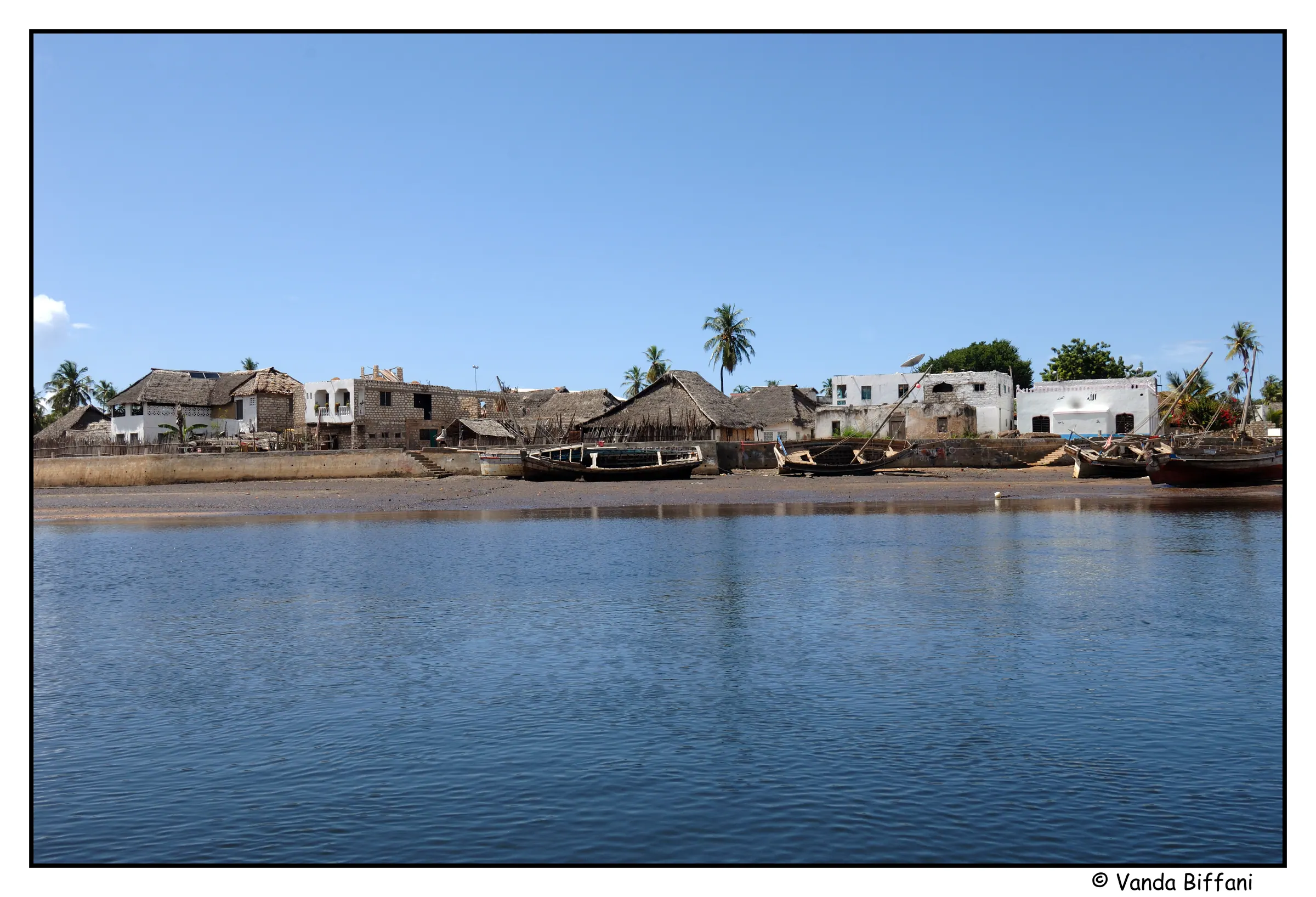
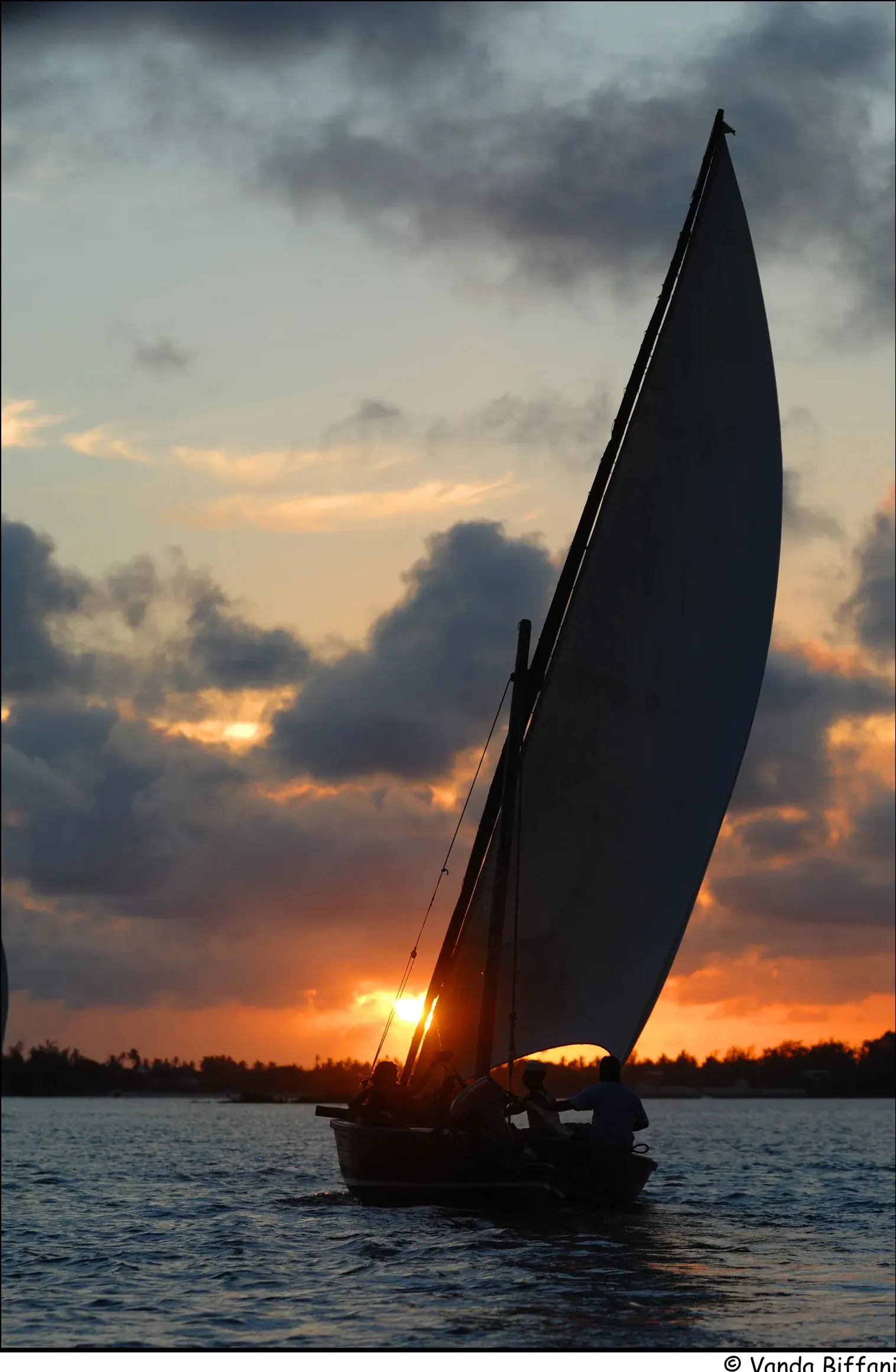
Mida Creek changes completely twice a day. At low tide it drains to wide, glittering mudflats crawling with crabs and dotted with thousands of wading birds. At high tide it is a calm, silver lagoon ringed by mangroves, and you paddle across it in a wooden canoe while the sun goes down behind the forest. Most visitors to Watamu see it once. The ones who understand the tides come back.
Mida Creek is a tidal inlet just south of Watamu, in Kilifi County, protected as part of the Watamu Marine National Reserve and the wider Malindi-Watamu Biosphere Reserve. The things to do are simple and very good: walk the community boardwalk through the mangroves to a bird hide, watch crab plovers and other waders, take a sunset canoe or dhow trip, and eat crab on stilts over the water. Plan around the tide table, not the clock.
The boardwalk and bird hide
A suspended wooden boardwalk leads from the shore through the mangroves to a bird hide on the edge of the creek. It was built and is run by a local community eco-tourism scheme, which has used the income to pay secondary-school bursaries for children from families living beside the creek and the Arabuko-Sokoke Forest. The small entry fee goes straight into that work. Walk it slowly: mudskippers flip across the mud, fiddler crabs wave their oversized claws, and kingfishers hunt from the roots.
Birds and the tide
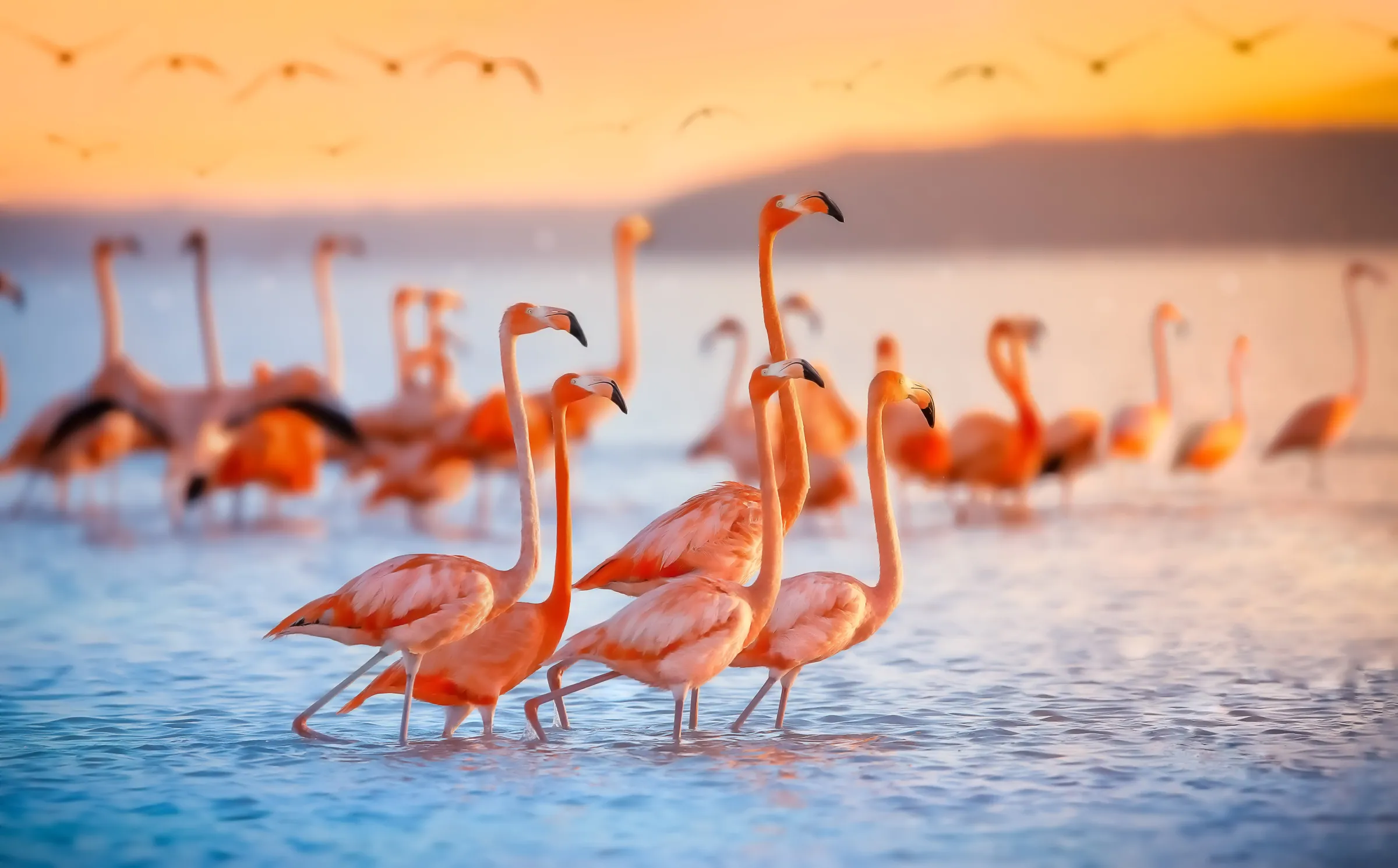
Mida Creek is one of the most important sites for wading birds on the East African coast. The star is the crab plover, a striking black-and-white wader that breeds in burrows around the Red Sea and the Gulf and spends the northern winter here in flocks. Greater sand plovers, curlew sandpipers, whimbrels, terns and herons join them, and greater flamingos sometimes visit.
| Tide | What you see | Best for |
|---|---|---|
| Low tide | Wide mudflats, birds spread far out, crabs everywhere | Mangrove walks and crab spotting |
| Rising tide, about two hours before high | Water pushes the birds toward the shore and the hide | Birdwatching and photography |
| High tide | A full lagoon, birds roosting on the edges | Canoes, dhows, swimming in the channel and sunsets |
Why the mangroves matter
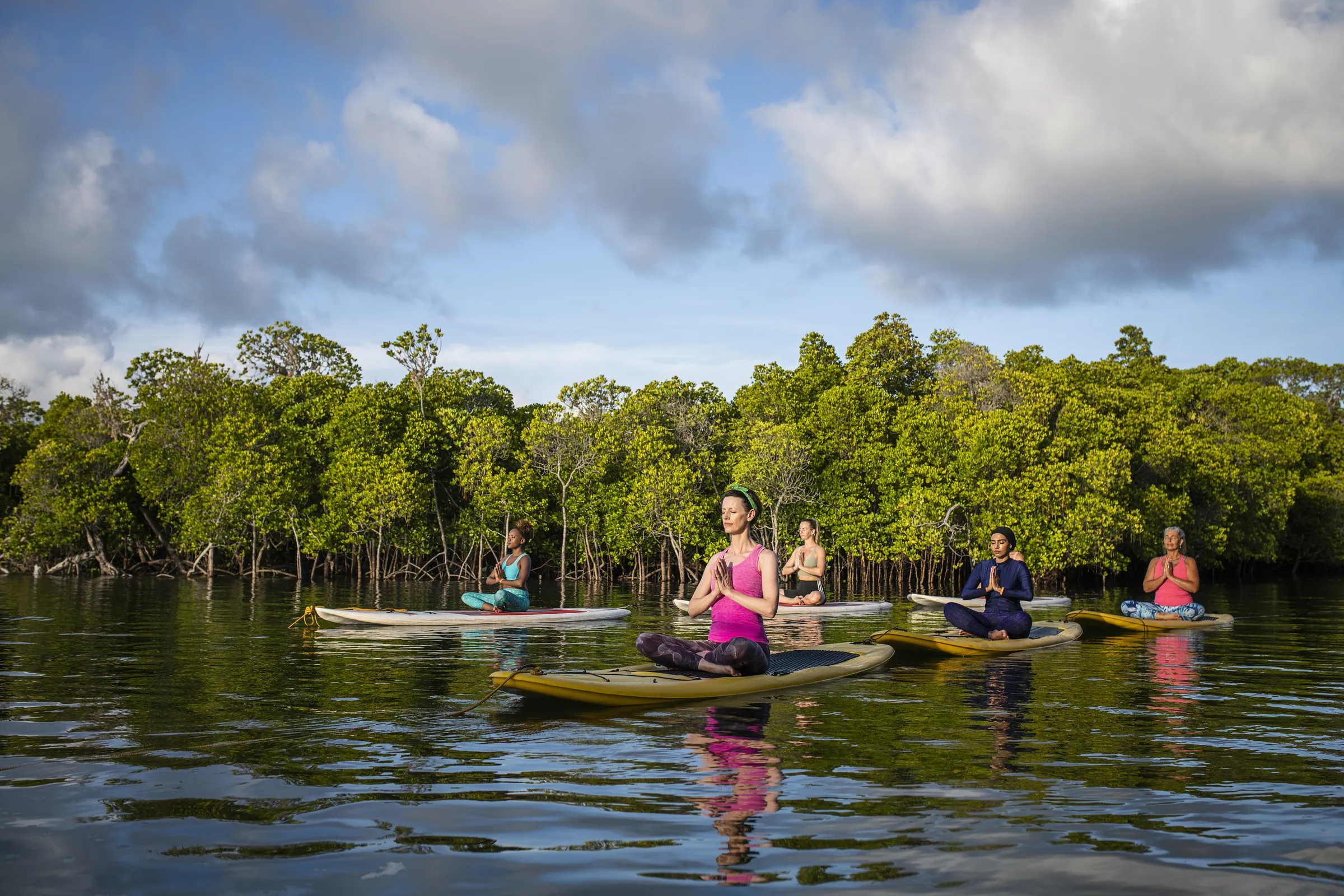
Kenya's mangroves are nurseries for fish, prawns and crabs, buffers against storms and erosion, and remarkable stores of carbon. Mida's mangroves were heavily cut for poles and firewood in the past, and community groups now replant and protect them. You will see young mangroves planted in rows along parts of the shore. Walking among them is the easiest way to understand why the coast's fishing families care about them.
Sunset canoes and dhows
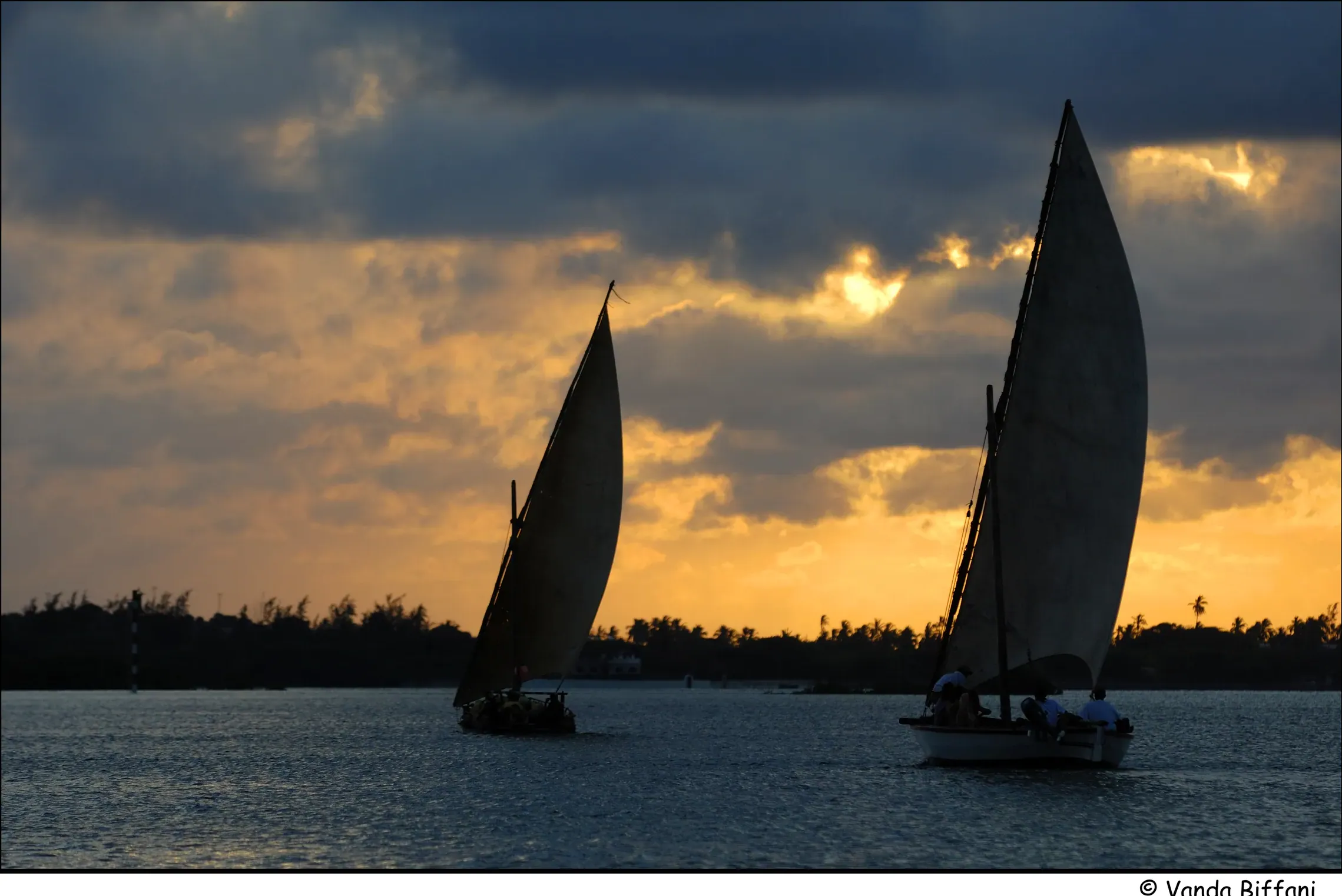
Local guides paddle traditional canoes across the creek in the late afternoon, timed so you are on the water at sunset, often stopping at a sandbank as the tide comes in. Dhow trips do the same under sail. At high tide you can swim in the main channel, but currents run strongly as the tide turns, so swim only where your guide says. Agree the price and the route before you set off.
The crab shack
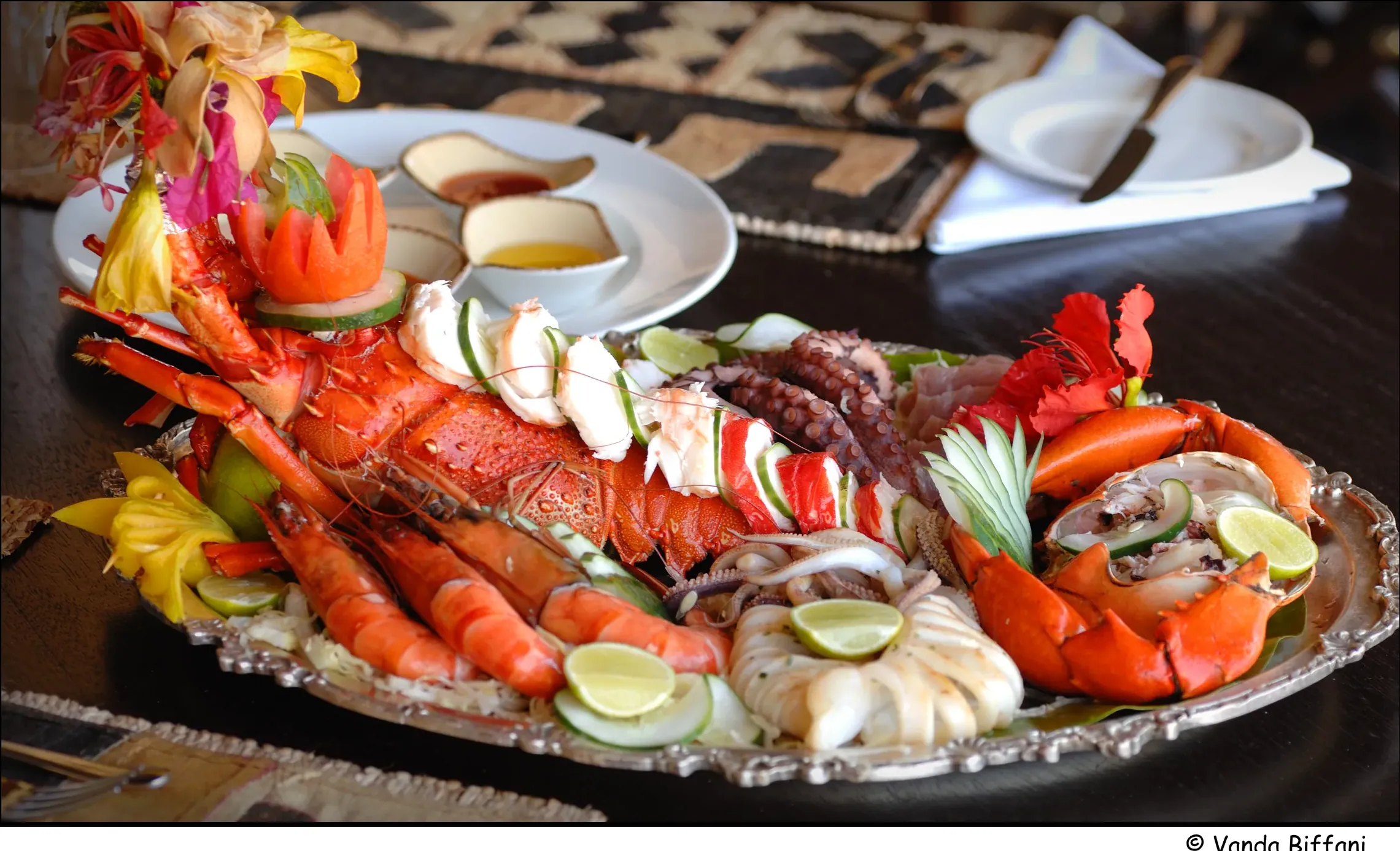
On the Dabaso side of the creek, a community-run restaurant on stilts serves crab, fish and coconut rice over the water, with the mangroves around you and the sun setting across the creek. At the time of writing it is one of the most popular evenings out in Watamu; book a table for sunset and bring cash.
Practical tips
- Check the tide table before anything else, and book a guide for the right window
- Wear sandals or water shoes you do not mind getting muddy
- Use insect repellent at dusk: mosquitoes come out with the sunset, and malaria precautions apply on the coast
- Bring binoculars, and a long lens if you photograph birds
- Carry cash in Kenyan shillings for the boardwalk, guides and the crab shack
- Do not walk far out on the mudflats on a rising tide; it fills faster than it looks
When to go and how it fits
The creek is good all year. Migrant waders are present from about September to April, which is also when the sea is calmest for the marine park. The long rains of April to June bring more mosquitoes and fewer visitors. Mida Creek fits easily into a Watamu stay alongside the Arabuko-Sokoke Forest and the Gede ruins, which are nearby. We time the creek around the tides as part of any Watamu stay, with payment in full or monthly and no deposit.