Parks and reserves. Updated November 2026. 3 min read.
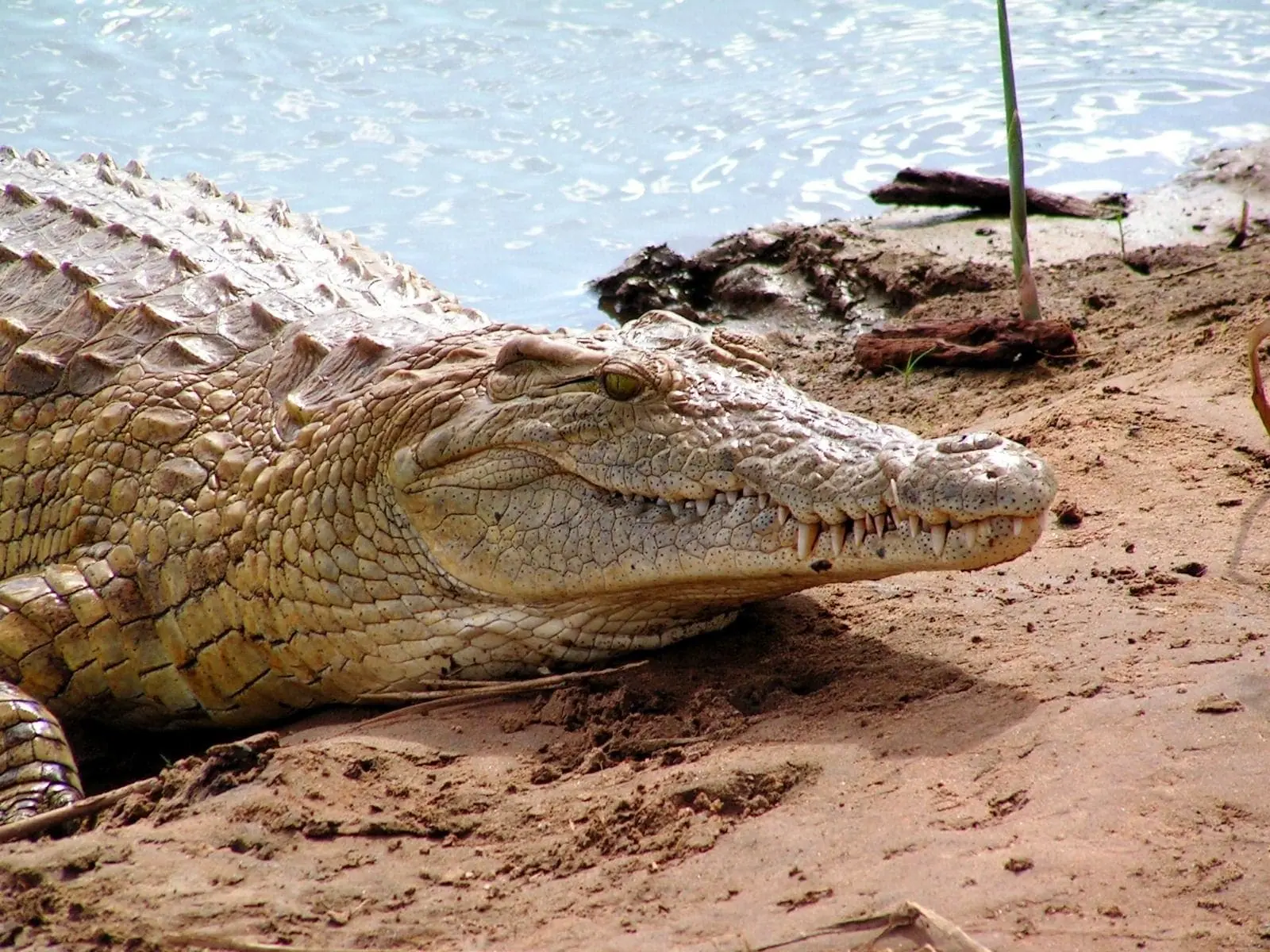
In Sibiloi you can walk among trees that turned to stone millions of years ago, stand where the bones of early humans weathered out of the ground, and look across a lake so green it is called the Jade Sea, with Nile crocodiles basking on its shore. It is one of the most remote national parks in Kenya, and for many people who love human history, the most important.
Sibiloi National Park covers about 1,570 square kilometers on the northeastern shore of Lake Turkana, in Marsabit County. It was established in 1973 to protect the fossil beds of Koobi Fora and is part of the Lake Turkana National Parks World Heritage Site. Our Lake Turkana page covers the lake and its islands, and our cradle of humankind page tells the fossil story. This page is about the park on the ground: what is inside, how you reach it, when to go and what it takes.
What it is and who runs it
Kenya Wildlife Service manages the park from its headquarters at Alia Bay. The National Museums of Kenya runs the research base and small museum at Koobi Fora, a sandy spit on the lakeshore where expeditions led by Richard Leakey began finding hominin fossils in 1968; Leakey pressed for the park's creation to protect the sites. Visits to excavation areas are only with museum or KWS staff, and every fossil stays where it lies.
Inside the park
- Koobi Fora: the research camp and a small museum of finds and casts, explained by museum staff
- The petrified forest: trunks of ancient trees turned to stone, lying in the open on the desert floor
- Stone pillar sites left by early herding peoples thousands of years ago
- The lakeshore at Alia Bay and Koobi Fora: Nile crocodiles, flamingos, pelicans and migrant waders
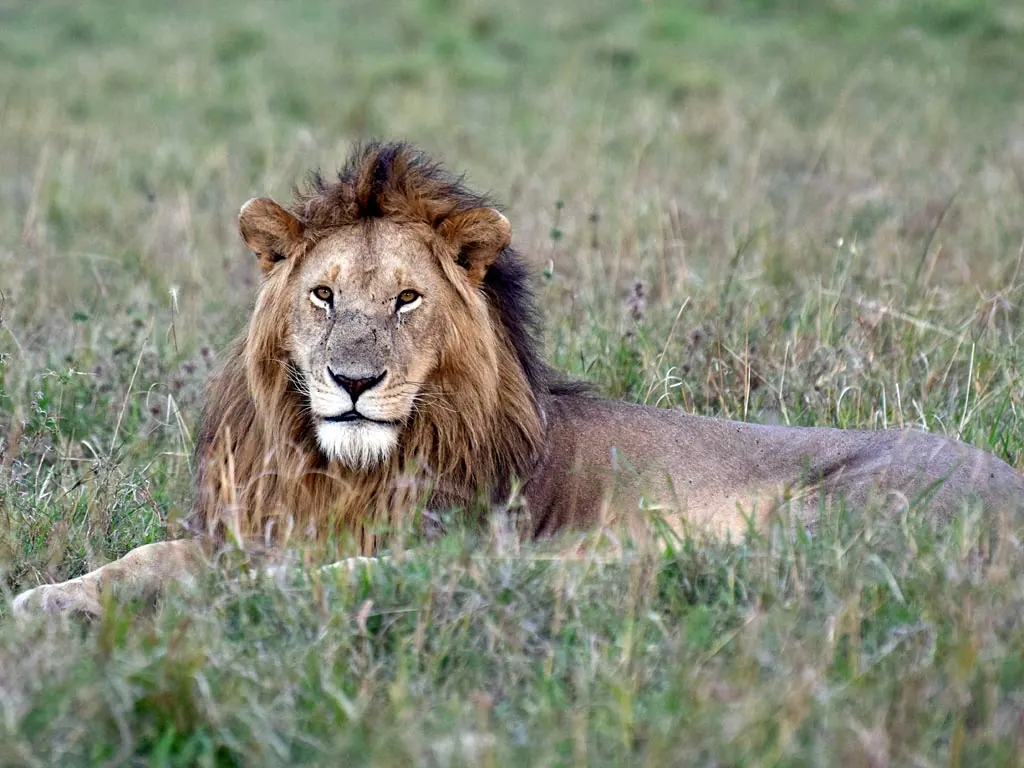
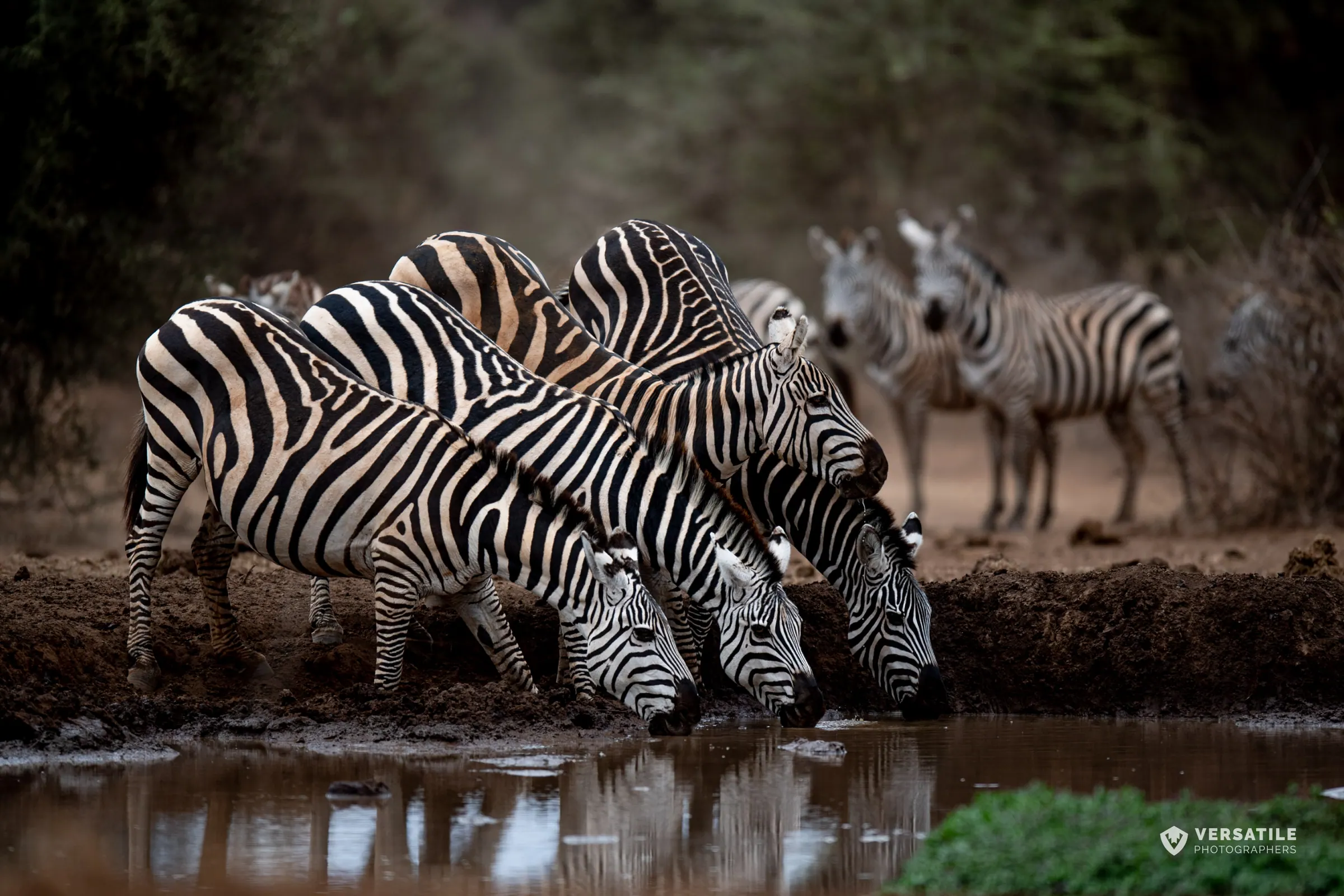
- The plains: Grevy's zebra, Beisa oryx, topi and Grant's gazelle, with striped hyena, and lion and cheetah in small numbers
Central Island, with its crocodile-filled crater lakes, is a separate national park in the middle of the lake, reached by boat from the shore; it is part of the same World Heritage Site, and our Lake Turkana page covers it.
How to get there
| Option | Time | What it involves | Best for |
|---|---|---|---|
| Charter flight to Koobi Fora or Alia Bay | About 2 to 3 hours each way from Wilson Airport | A small plane, KWS and museum arrangements, one or two nights on the ground | Travelers short on time who want the fossils and the lake |
| Road expedition via Marsabit and North Horr | Two to three days each way from Nairobi | Two well-equipped 4x4s, fuel, water and camping | Travelers who want the desert journey as much as the park |
| From Loiyangalani up the east shore | A long day or more each way | An extension to a Lake Turkana trip, with camping in the park | Anyone already on our northern Kenya expedition |
A visit to Koobi Fora is arranged with KWS and the National Museums of Kenya, so we book the museum staff and the park guides with your flight or your route. Many travelers fly one way and drive the other, so they see the desert without two long road days. Before you book, check the current U.S. State Department advisory for Kenya and confirm your travel insurance covers your route.
If you go: the conditions
Sibiloi is hot in every month, with daytime temperatures often above 95°F (35°C), little shade and a wind off the lake that can blow hard for days. There are no shops, no fuel and very little drinkable water, and accommodation is basic KWS bandas and campsites, so everything comes in with you. Rain is rare and usually falls around April and May and briefly in November, when it can make tracks impassable. No month is cool; plan for heat, dust and wind, and carry far more water than you think you need.
Before and after: the same story nearer Nairobi
Sibiloi makes more sense if you start the story in Nairobi. The Nairobi National Museum holds many of Kenya's hominin finds and casts in its human origins gallery, and the Olorgesailie prehistoric site, about an hour and a half from Nairobi, has hand axes lying where early humans left them. Both fit into a normal Kenya itinerary, and our cradle of humankind page explains how they connect to Koobi Fora.