Parks and reserves. Updated November 2026. 4 min read.
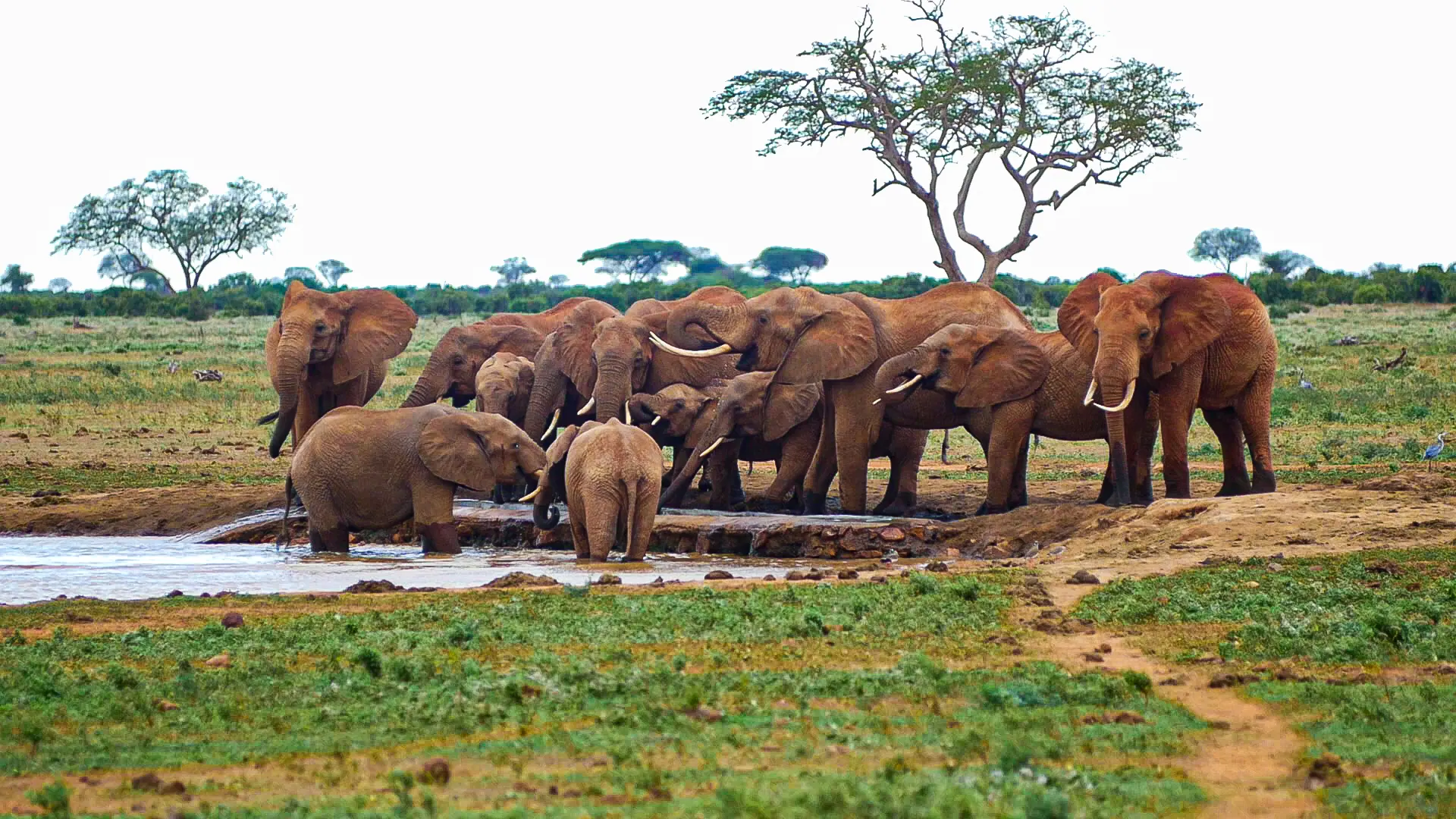
For hours the road north crosses black lava and pale desert, with nothing taller than a thorn bush. Then a dark shape rises on the horizon, the air cools, and you climb into forest: tall trees hung with moss, mist drifting through the branches, and somewhere in it, elephants feeding around a crater lake. Marsabit is a mountain that makes its own weather, an island of green in the deserts of northern Kenya.
Marsabit National Park protects the forested upper slopes of Mount Marsabit, a broad volcano that rises about 1,000 m above the Chalbi and Dida Galgalu deserts in Marsabit County, beside the town of the same name. Kenya Wildlife Service runs it. Its crater lakes, mist forest, big-tusked elephants and greater kudu reward the few travelers who make the long trip, and it is the natural stop between Samburu and Lake Turkana.
A forest made of mist
The mountain is high enough to catch moisture from passing air, and on many mornings it is wrapped in cloud while the desert below bakes. That mist feeds a montane forest found nowhere else for hundreds of kilometers, and the forest feeds the springs and wells that people and herds across the region depend on. Dozens of volcanic craters, called gofs locally, pock the mountain; the largest are wide, steep-sided bowls you look down into from the rim.
Lake Paradise and the Johnsons
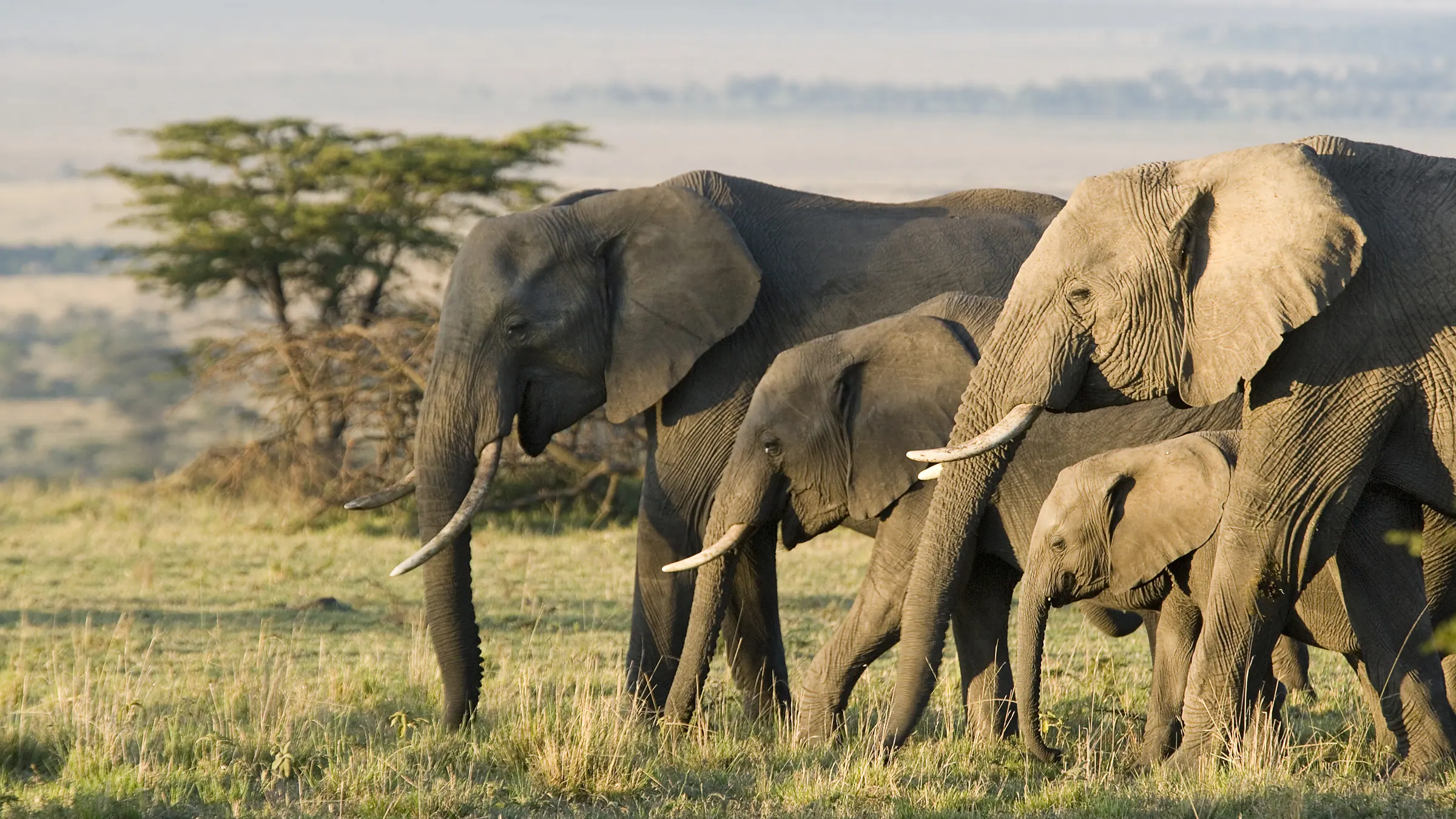
The most famous crater, Gof Sokorte Guda, holds Lake Paradise, a still lake in a forest-ringed bowl where elephants and buffalo come to drink. It was named by Martin and Osa Johnson, the American filmmakers from Kansas, who lived beside it for about four years in the 1920s, filming elephants and the wildlife of the north. Their work introduced millions of Americans to East African wildlife. Access to the lake depends on the state of the road and KWS rules at the time, so ask before you count on it. Below Marsabit Lodge, the crater lake of Gof Sokorte Dika draws animals to drink in the late afternoon.
Ahmed and the big tuskers
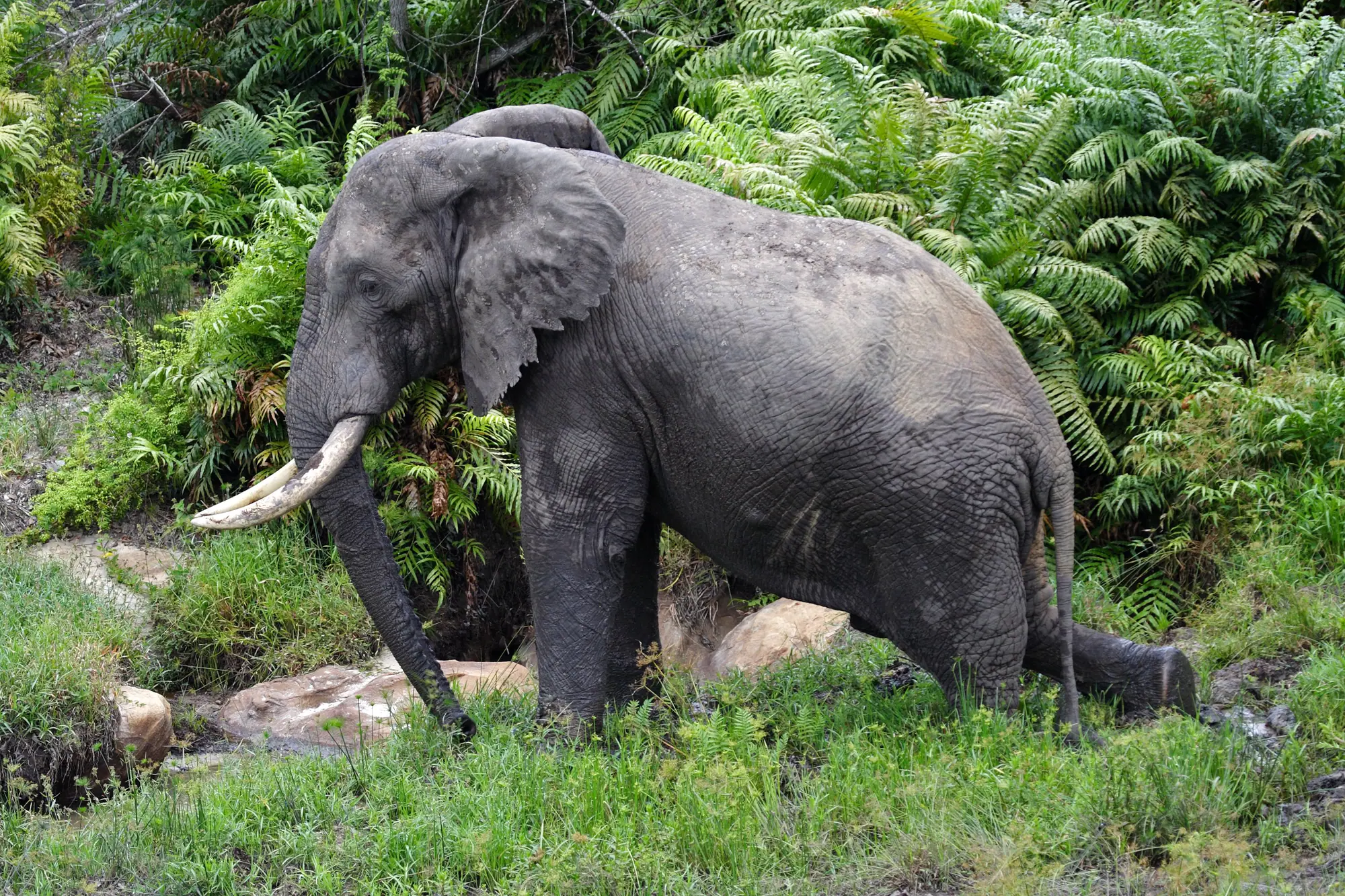
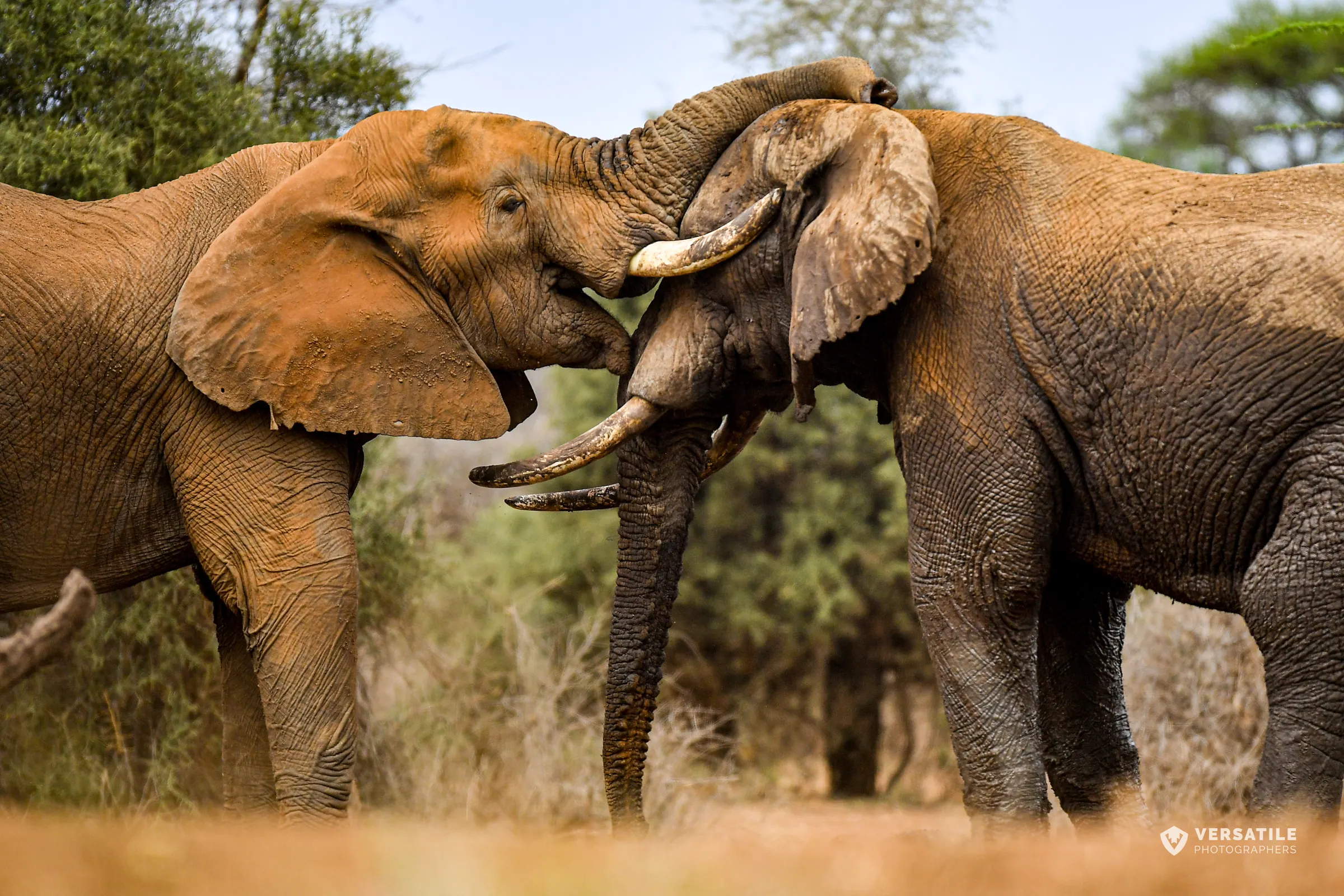
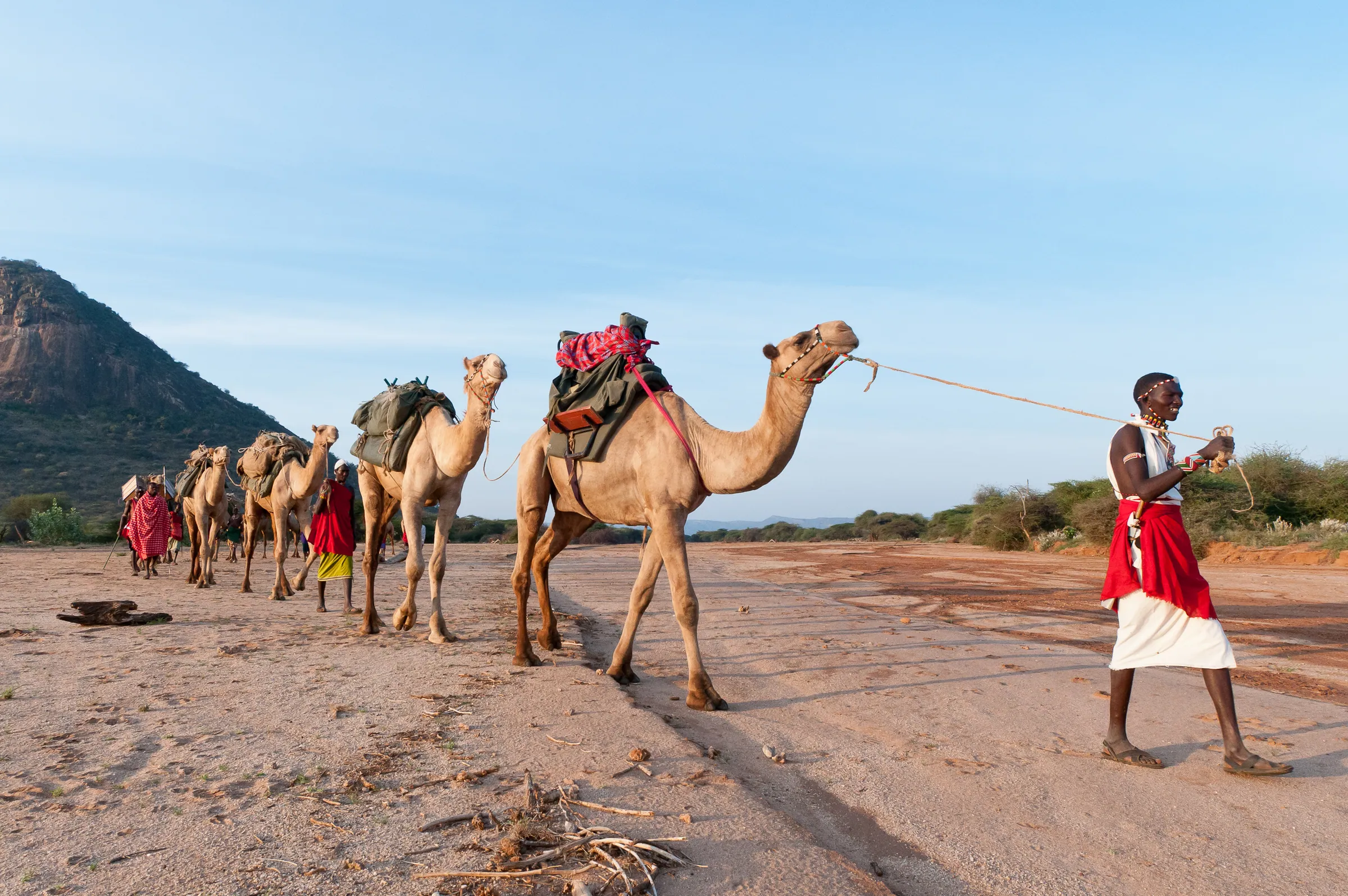
Marsabit's elephants were famous for their tusks. The greatest of them, Ahmed, carried tusks so long they were said to touch the ground. In 1970 President Jomo Kenyatta placed him under presidential protection, with armed guards watching him day and night, the only elephant ever protected that way. He died of natural causes in 1974, and a life-size model of him stands at the Nairobi National Museum. Elephants still live on the mountain, but in thick forest they are hard to find, so treat any sighting as a bonus.
Other wildlife
- Greater kudu, the spiral-horned antelope of the forest edges and lower slopes
- Buffalo, bushbuck and Sykes' monkeys in the forest
- Reticulated giraffe and Grevy's zebra on the drier lower slopes and plains
- Leopards, present but rarely seen
- Forest and dry-country birds together, with raptors hunting along the crater cliffs
The people of the mountain
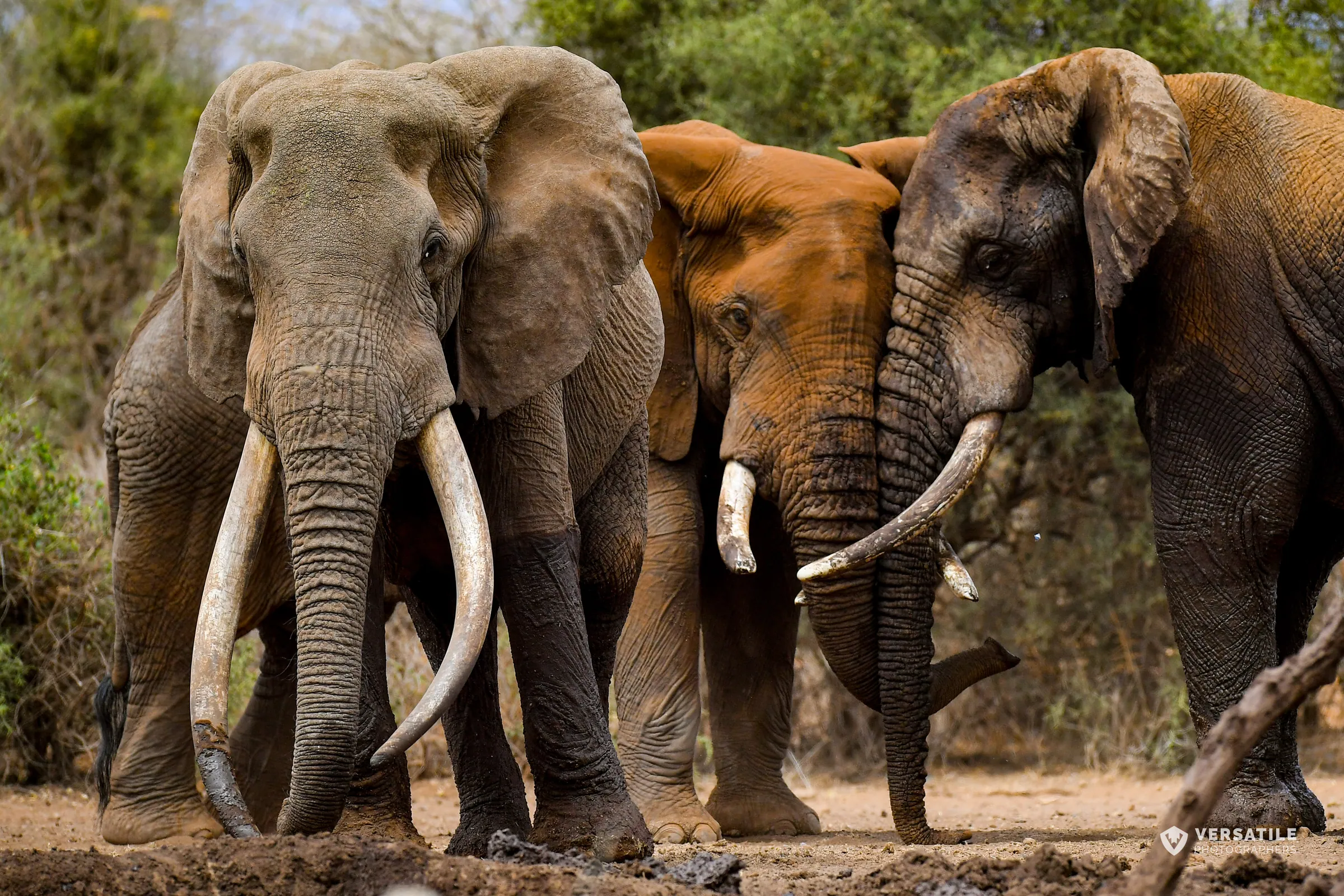
Marsabit town is a meeting place of northern Kenya's peoples: Borana, Gabra, Rendille, Burji, Samburu and others, many of them camel and cattle herders whose lives turn on the mountain's water. Market days in town are lively and colorful. Ask before photographing people, and go with a local guide, who can explain the region's customs and its histories. Our pages on the Borana, Gabra and Rendille peoples tell their stories.
The road north
The A2 highway is paved all the way from Isiolo through Archer's Post, Laisamis and Marsabit to Moyale on the Ethiopian border. From Nairobi it is about 550 km, a very long day, so we break the journey with a night in or near the Samburu reserves. North of Samburu the road crosses empty desert with few services, and the Kaisut and Dida Galgalu stretches are as dramatic as any landscape in Kenya. Charter flights to Marsabit's airstrip are the faster option.
Planning a visit
| Plan | What to know |
|---|---|
| Time | Two nights: one morning for the forest and Lake Paradise, one for the craters, the town and its market |
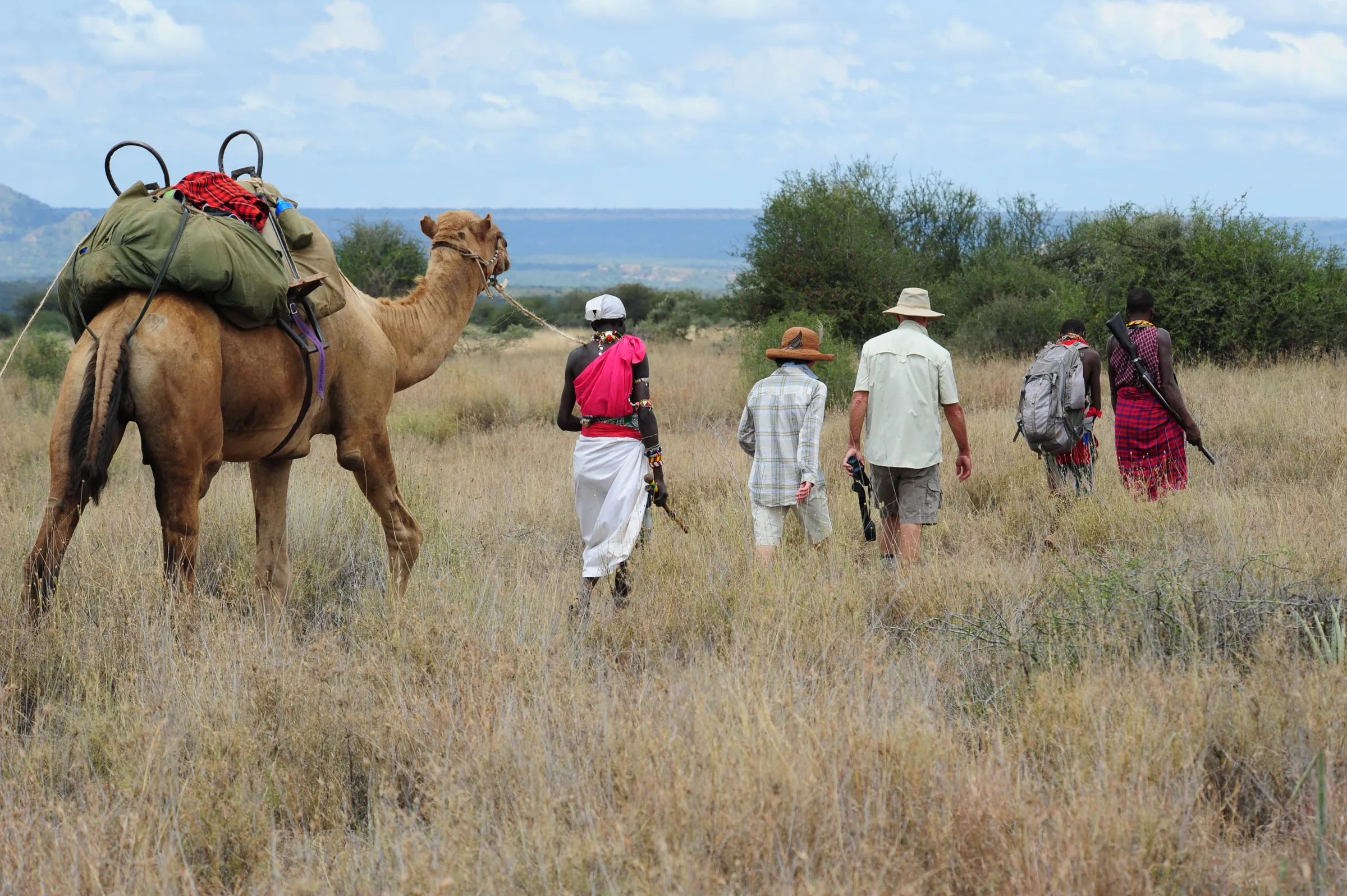
| Game drives | Early morning, when the mist lifts and animals move; a KWS ranger or local guide helps you find elephants in the forest |
| Combine with | Samburu or Laikipia before; the Chalbi Desert, Loiyangalani on Lake Turkana and Sibiloi beyond |
| Best months | June to October and January to February, when the roads around the mountain are dry |
| What to bring | A fleece and a rain jacket for the mountain, sun protection for the desert, binoculars |
Parts of Marsabit County have also seen clashes between communities over land, water and livestock. We do not minimize that or dramatize it: before any Marsabit trip, we check conditions with people on the ground, and we will change the route if they advise it. Before you book, check the current U.S. State Department advisory for Kenya and confirm your travel insurance covers your route.
Where to stay and when to go
Marsabit Lodge, beside the crater lake of Gof Sokorte Dika inside the park, has long been the main place to stay, and KWS runs campsites; check what is open before you plan, because facilities in the north change. Simple hotels in town are the fallback. The mist and rain are heaviest around April and May and again in November, when the forest is greenest but tracks get slippery. Bring a fleece: nights on the mountain are cool even when the desert below is hot. Park fees are set by KWS and are not in our main fee table; KWS revised all of its fees from October 2025, so check the current rate.