Parks and reserves. Updated November 2026. 5 min read.
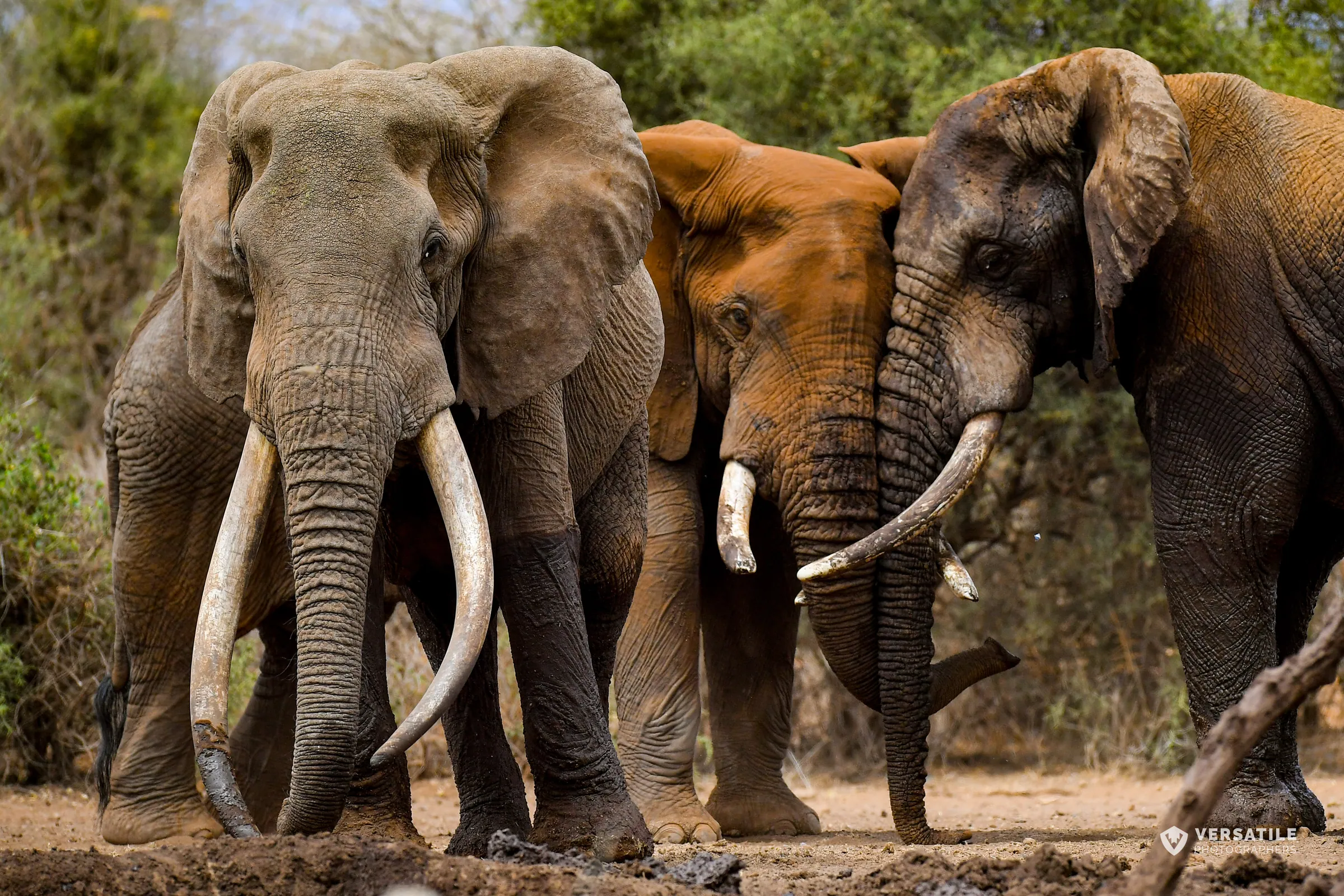
Picture a lodge on stilts above a waterhole, with raised walkways between the rooms, and elephants drinking under your window at midnight. That is Salt Lick, and it is the reason most people have heard of the Taita Hills Wildlife Sanctuary. The sanctuary itself is a private block of about 100 square kilometers (some 39 square miles) of bush and open plain in Taita Taveta County, in the gap between Tsavo East and Tsavo West, and the animals you see there are Tsavo animals, moving in and out of the parks around it.
The short answer: come here for one or two nights of elephant watching from your room, usually as part of a Tsavo trip or a short safari from the coast. It is private land, not a Kenya Wildlife Service park, so it has its own fee, normally inside your lodge package, and it allows night drives, which the national parks do not. It is smaller and less wild than Tsavo, but nowhere else in southern Kenya puts you this close to a waterhole after dark. Our Tsavo where-to-stay guide compares Salt Lick with the lodges inside the parks; this page is about the sanctuary.
What it is and who runs it
The sanctuary was set aside as a private wildlife area below the Taita Hills, and its two lodges were built in the 1970s to make the most of the water. There are no towns inside it and no other camps. Wildlife moves freely between the sanctuary, the LUMO community conservancy next door and Tsavo West, so numbers rise and fall with the seasons. In the dry months the waterholes here are among the few reliable ones for miles, and elephants and buffalo come in daily. After good rains, when pools fill all over Tsavo, the herds spread out and the waterhole can be quiet for a night or two.
Salt Lick: why the lodge is different
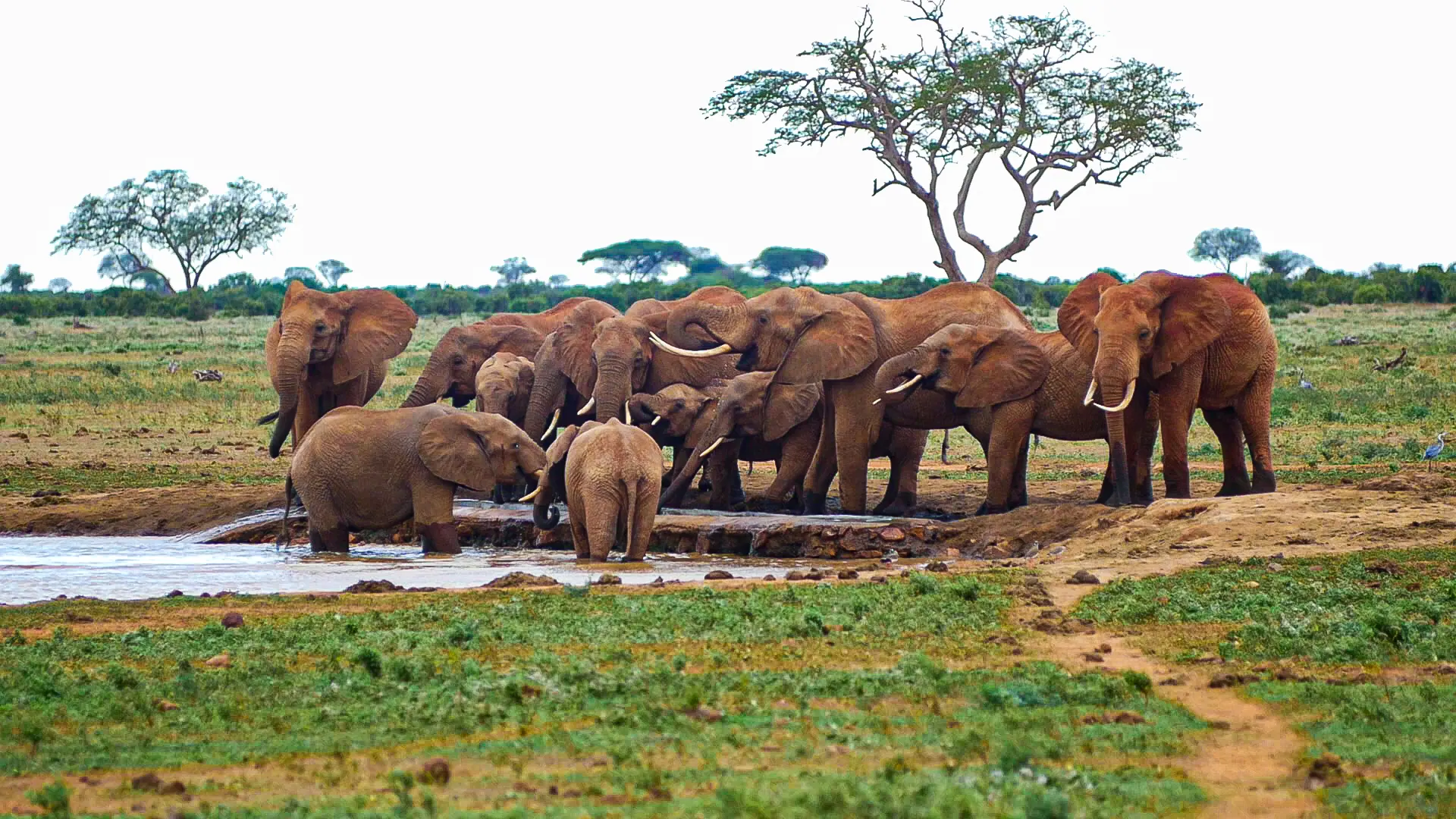
Salt Lick's rooms stand on stilts and are joined by bridges, so the waterhole and the natural salt lick it is named for lie right below you. The water is floodlit after dark, which lets you watch without a spotlight in the animals' eyes. Elephants are the main event, often in big family groups, with buffalo, zebra, giraffe and waterbuck, and on good nights lions or hyenas come in behind them. At the time of writing the lodge also has a low hide near the water, reached by a tunnel, for eye-level photographs; ask us whether it is open when you go.
Taita Hills Safari Resort, the sister lodge a short drive away, is a more conventional hotel, with gardens, a pool and more space. It suits families and groups, and its guests can visit Salt Lick's waterhole. Neither is a small, hushed camp: both are large, classic lodges that take groups, and the evenings can be lively. If you want intimacy, Lions Bluff, a small community-run lodge in LUMO next door, is the alternative.
The sanctuary and its neighbors
| Area | Who runs it | Size | Night drives | Fee | Best for |
|---|---|---|---|---|---|
| Taita Hills Wildlife Sanctuary | Private | About 100 km2 | Yes, through the lodges | Sanctuary fee, usually in the package | Elephants at the waterhole after dark |
| LUMO Community Conservancy | Three community group ranches | About 460 km2 | Yes | In the lodge rate | A small lodge, walks, community tourism |
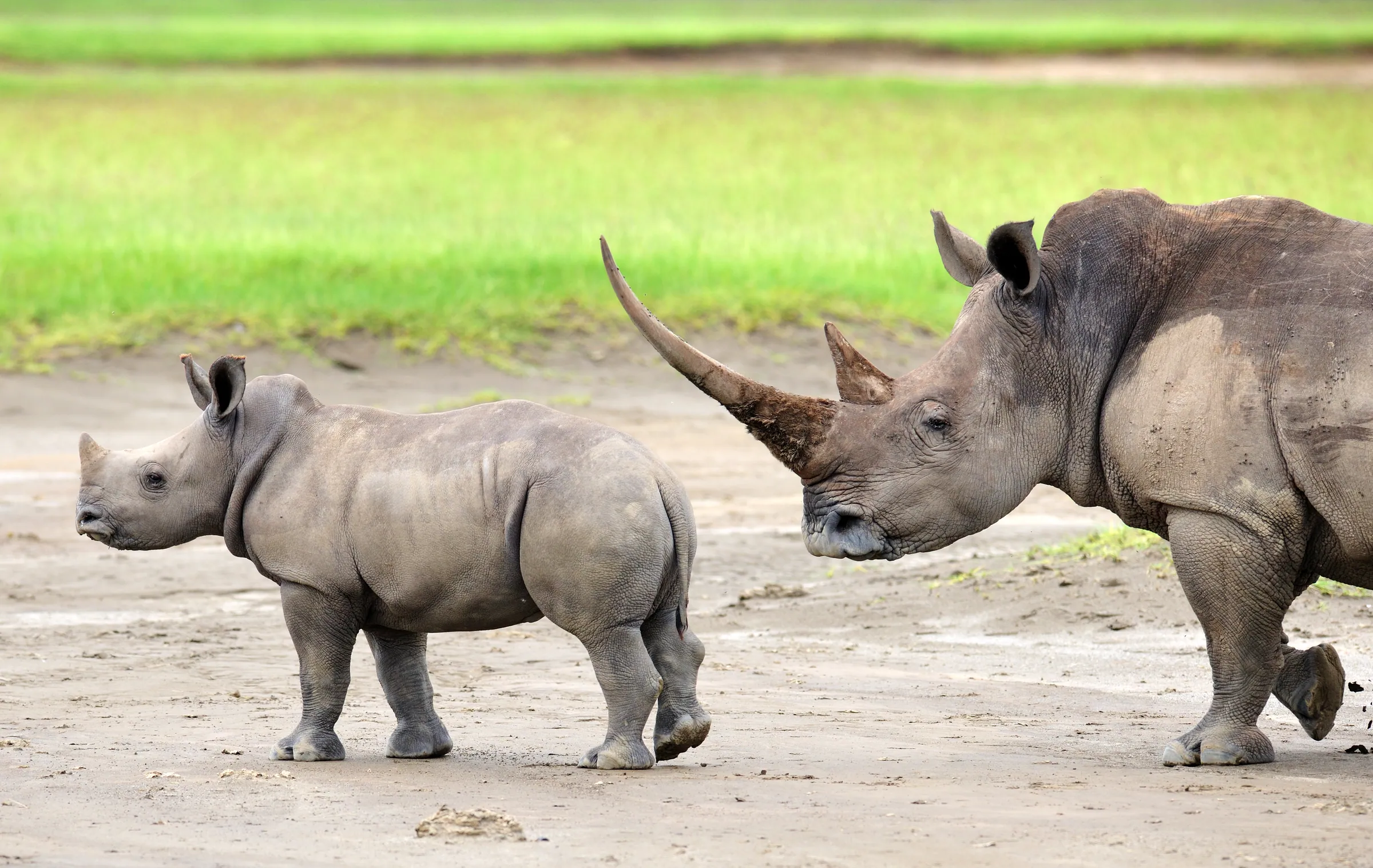
| Tsavo West National Park | Kenya Wildlife Service | About 9,065 km2 | No | KWS fee, about $80 a day | Mzima Springs, lava flows, black rhinos |
| Tsavo East National Park | Kenya Wildlife Service | About 13,700 km2 | No | KWS fee, about $80 a day | Open plains, red elephants, the Galana river |
Wildlife and the best months
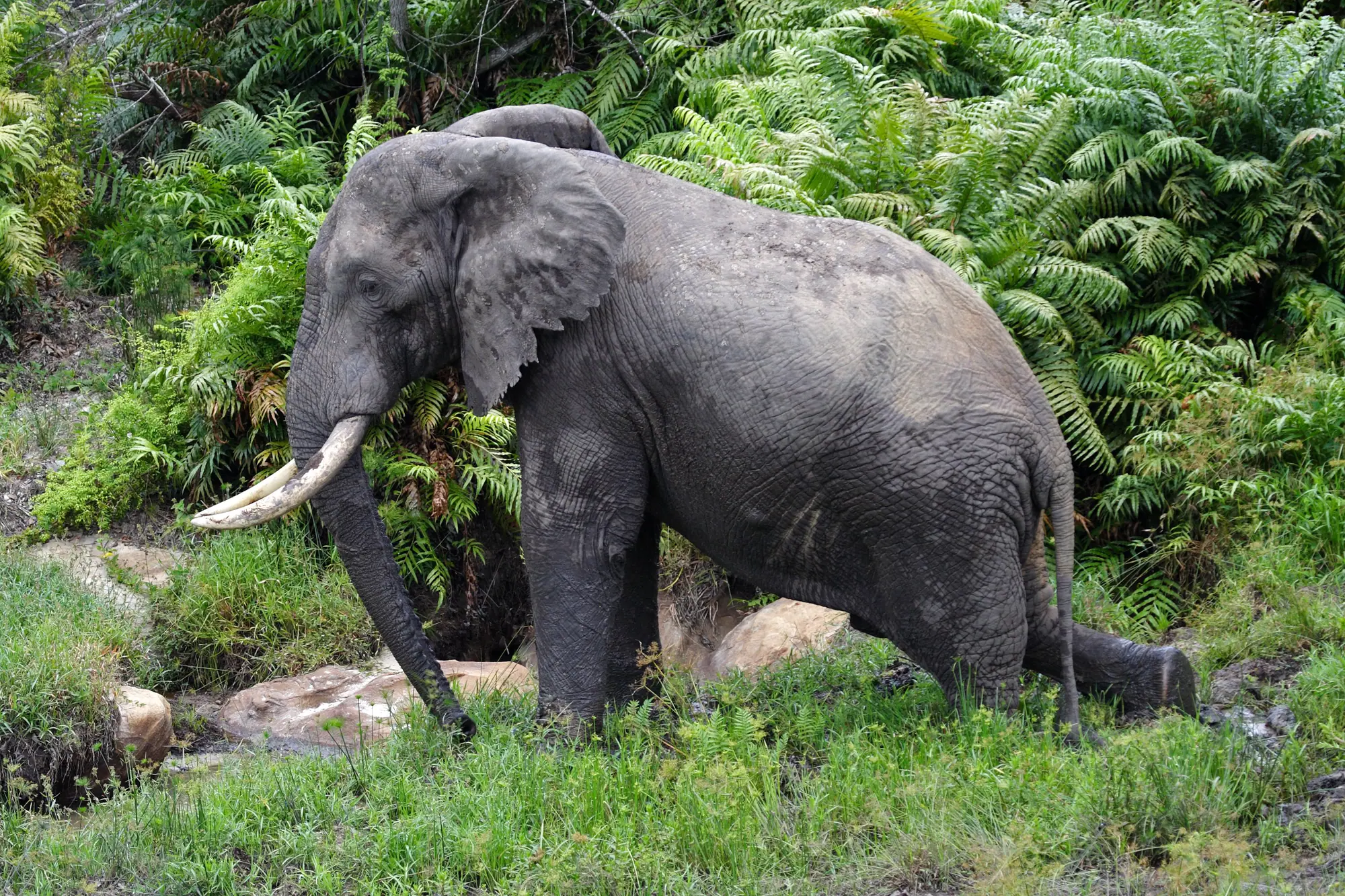
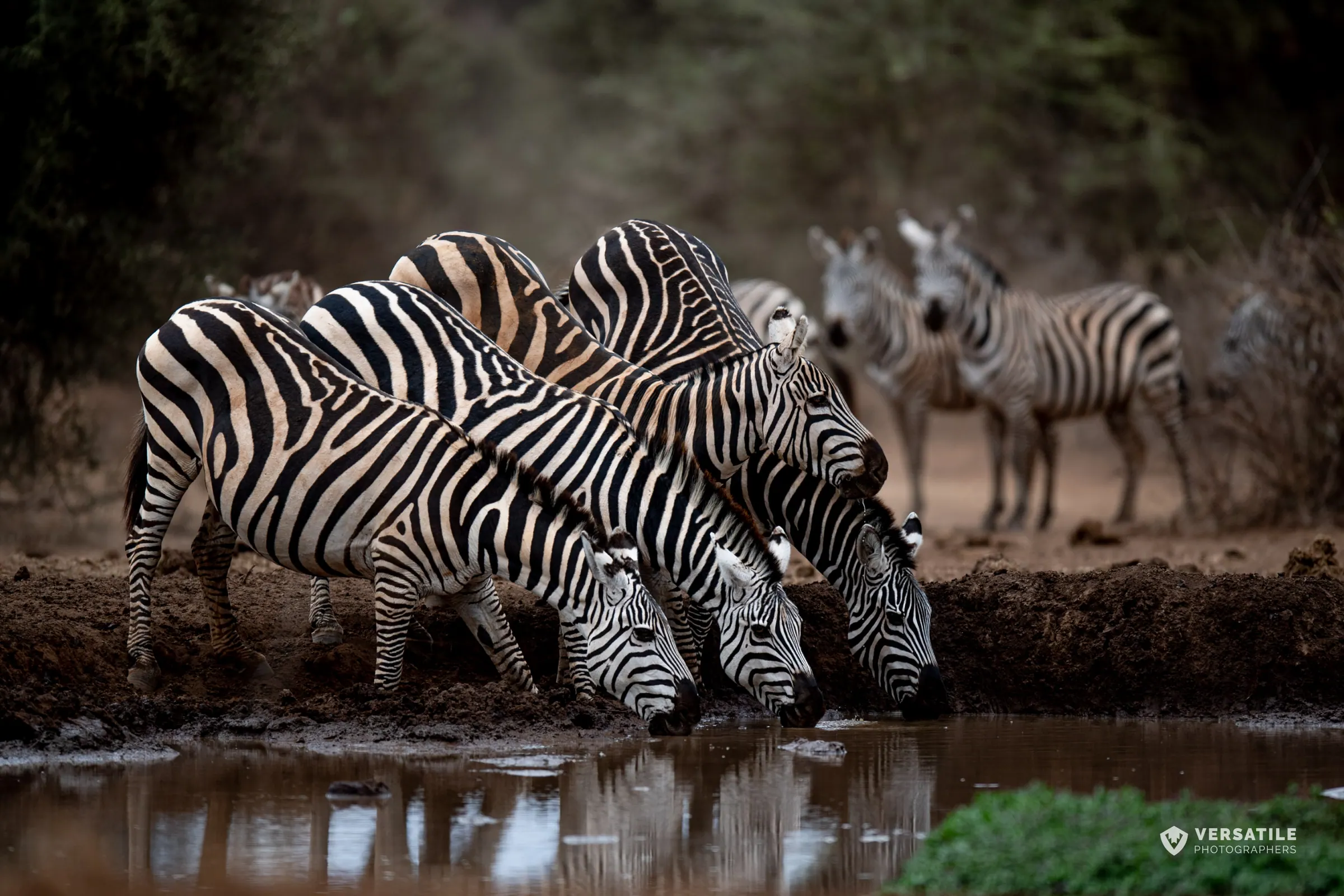
- Elephants, red with Tsavo's dust, often dozens at the water in the dry months
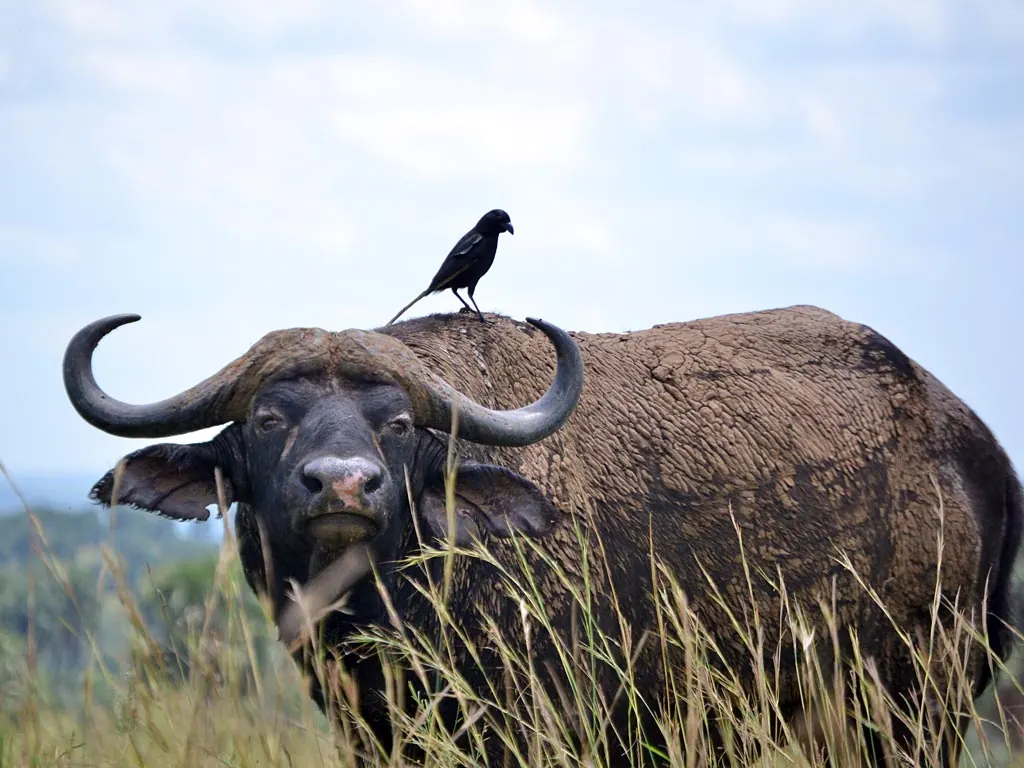
- Buffalo herds, which drink at dusk and after dark
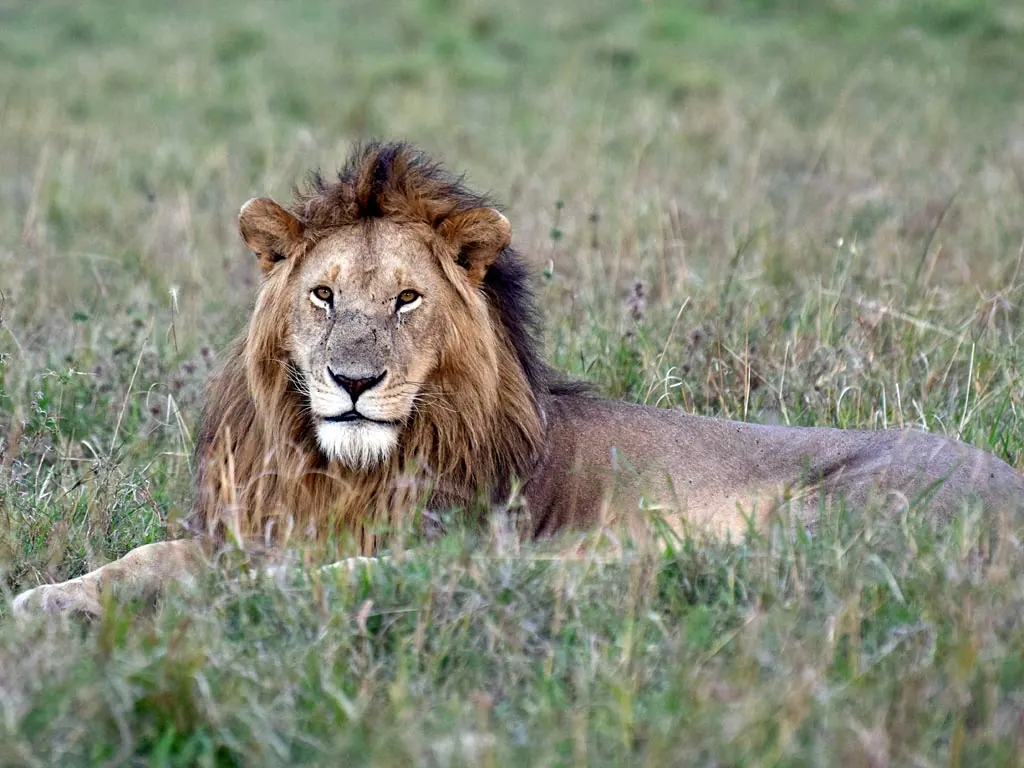
- Lions, which follow the prey to the water; sightings are good but never certain
- Plains game: zebra, giraffe, impala, eland and waterbuck
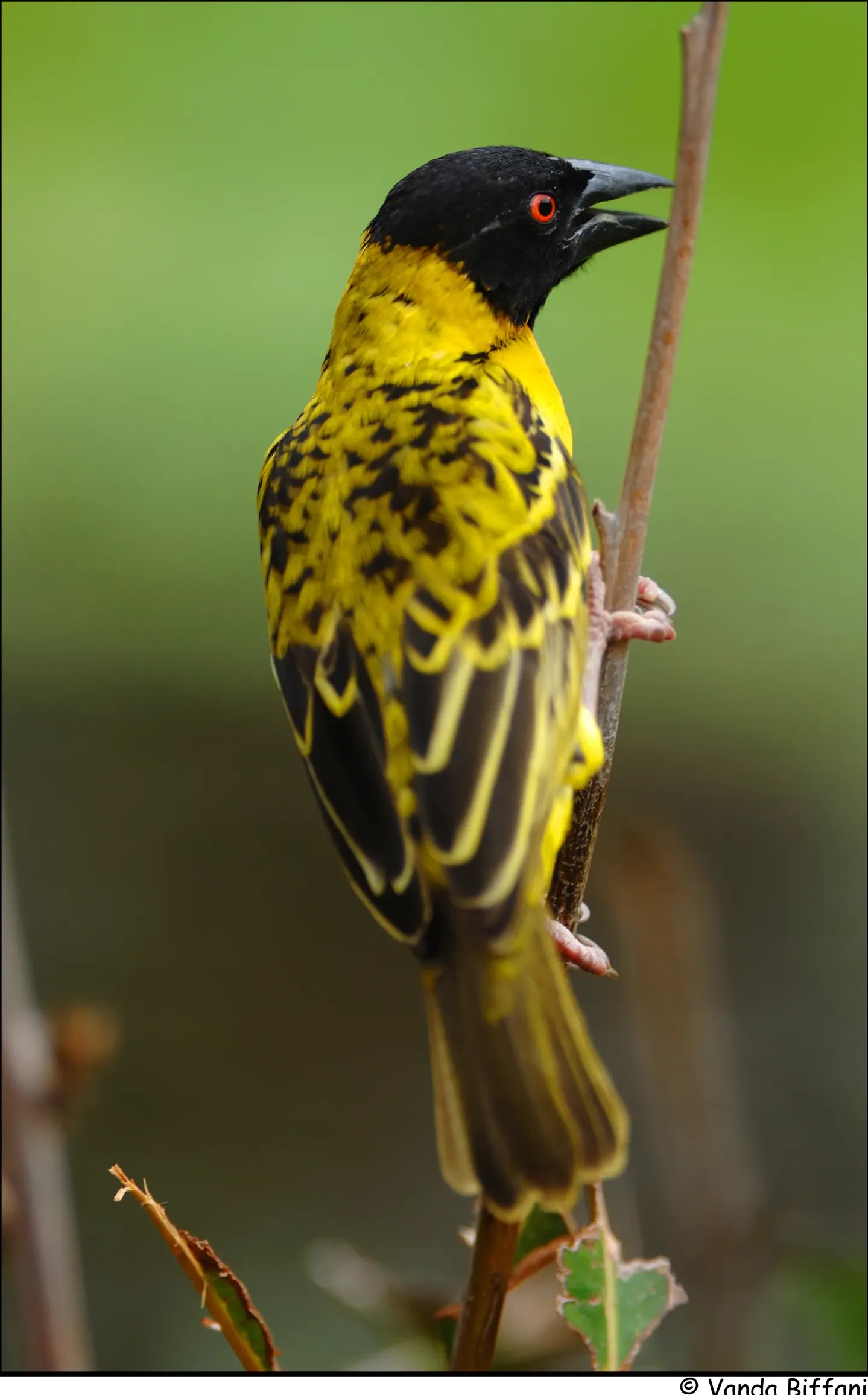
- Dry-country birds: hornbills, starlings, weavers, vultures and raptors over the plain
June to October and January to February are the best months, when the bush is dry and the animals depend on the waterholes. The long rains, roughly March to May, and the short rains around November make the plains green and lovely, and rates are lower, but waterhole viewing is less reliable.
The Taita Hills themselves
Above the sanctuary rise the real Taita Hills, the northernmost of the Eastern Arc mountains, whose highest point, Vuria, is over 2,200 meters. Their scattered patches of cloud forest hold birds found nowhere else on Earth, including the Taita thrush and the Taita apalis, both listed by the IUCN as Critically Endangered. The hills are home to the Taita people, who farm terraced slopes around the town of Wundanyi. A half-day drive up from the lodges with a local guide is a cool, green change from the plains, and serious birders can arrange an early morning in the forest fragments.
First World War history
The plains around the sanctuary were a battlefield in the First World War, when British forces and the Germans from neighboring German East Africa fought over the Uganda Railway and the water along the Voi to Taveta road. Salaita Hill and the old camps around Maktau are a short drive away, and a local guide can show you what is left. Our page on the war in Taita tells the story in full.
Getting there
- From Voi: about an hour by road along the Voi to Taveta road; the Madaraka Express stops at Voi, and we meet you at the station
- From Mombasa or Diani: about 3.5 to 4.5 hours by road
- From Nairobi: about 6 hours by road, or the train to Voi and a short transfer
- From Tsavo West: the park's Maktau gate is on the same road, so a drive into the park is easy
- Onward: Lake Jipe and Lake Chala lie west near Taveta, and Amboseli is reachable through Tsavo West
How long to stay and how it fits
One night is enough for the waterhole. Two let you add a morning drive into Tsavo West or a trip up into the hills. A plan we use often: two nights in Tsavo East, one at Salt Lick, then on to Amboseli, or back to the beach. The sanctuary fee is set by the sanctuary and is separate from the KWS park fee, which you pay only on days you drive into a national park. Fees change, so we confirm them in every quote. We are Kenyan-led, with two U.S. companies behind us, and you can pay in full or monthly with no deposit.