Parks and reserves. Updated November 2026. 4 min read.
LUMO takes its name from three group ranches, Lualenyi, Mramba and Oza, whose members decided that the elephants walking across their land could be worth more alive than in conflict with their farms. Together they set aside about 460 square kilometers (around 180 square miles) of bush between Tsavo West and the Taita Hills Wildlife Sanctuary as a community conservancy, protected by their own rangers, and they share in what visitors pay.
The short answer: LUMO gives you Tsavo's wildlife with far fewer vehicles, plus guided walks and night drives that the national parks do not allow. There is one main lodge, Lions Bluff, run by the community, on a ridge with wide views over the plains. It suits a quieter night or two on a Tsavo trip, and travelers who want to know that their stay pays a community directly. Our Tsavo where-to-stay guide compares Lions Bluff with the lodges in the parks; this page is about the conservancy itself.
Who owns it and how it works
A group ranch in Kenya is land held in common by its registered members, usually families from the same area. In Taita Taveta, much of the lowland between the hills and the parks is ranch land, and it lies across the routes elephants use between Tsavo East and Tsavo West. For years that meant trampled crops, competition for water and animals killed in retaliation. LUMO was the members' answer: pool the land, protect the wildlife, lease the tourism rights, and use the income for the members and their community. Livestock still graze in agreed areas.
How the income is shared is decided by the ranches themselves and can change, so ask us and we will tell you what we know about where your fees go. It is the same community conservancy model that runs through the Mara and northern Kenya, on a smaller and less polished scale, which is part of its appeal. You are a guest on someone's land, not in a government park.
Wildlife
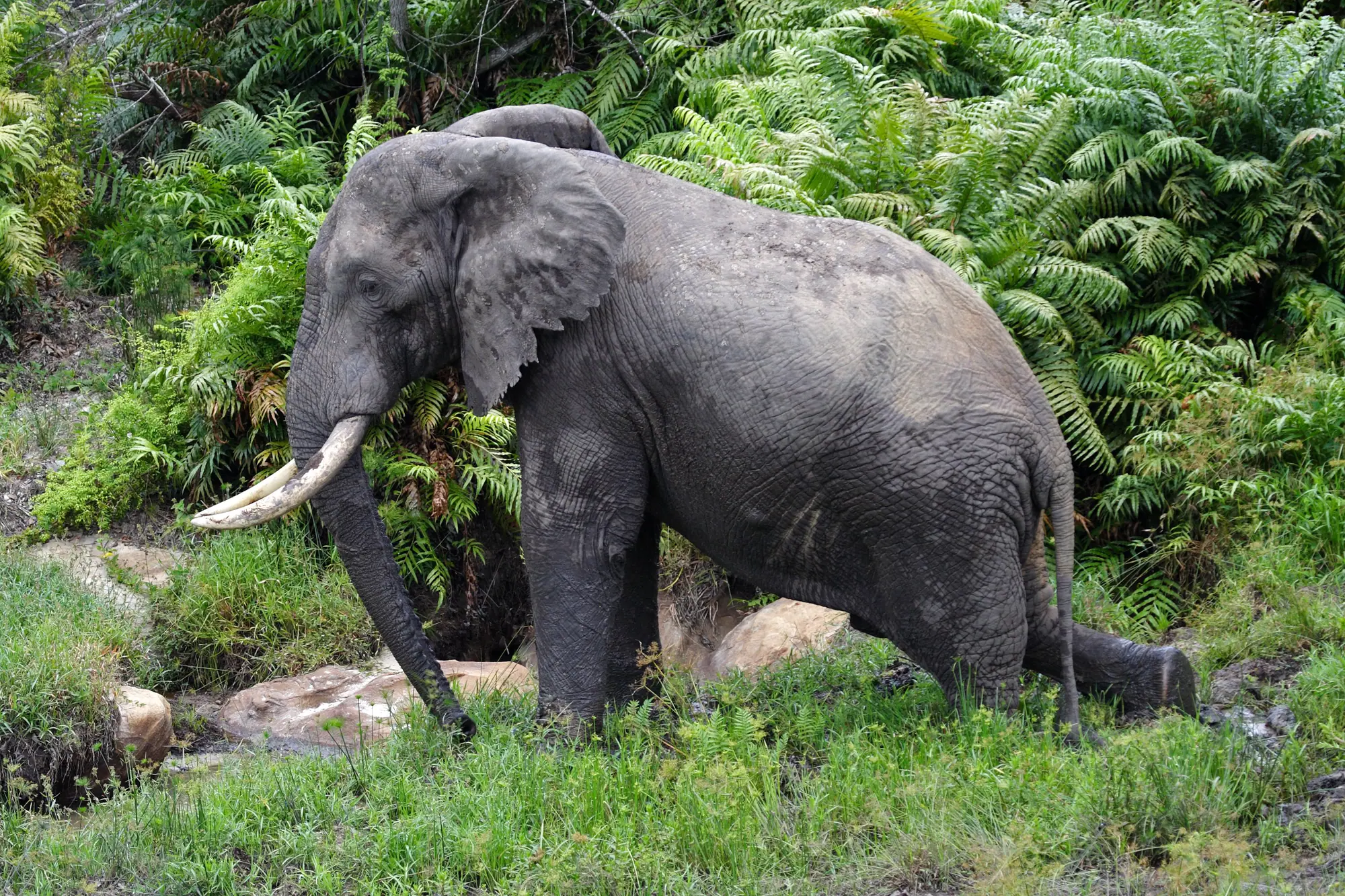
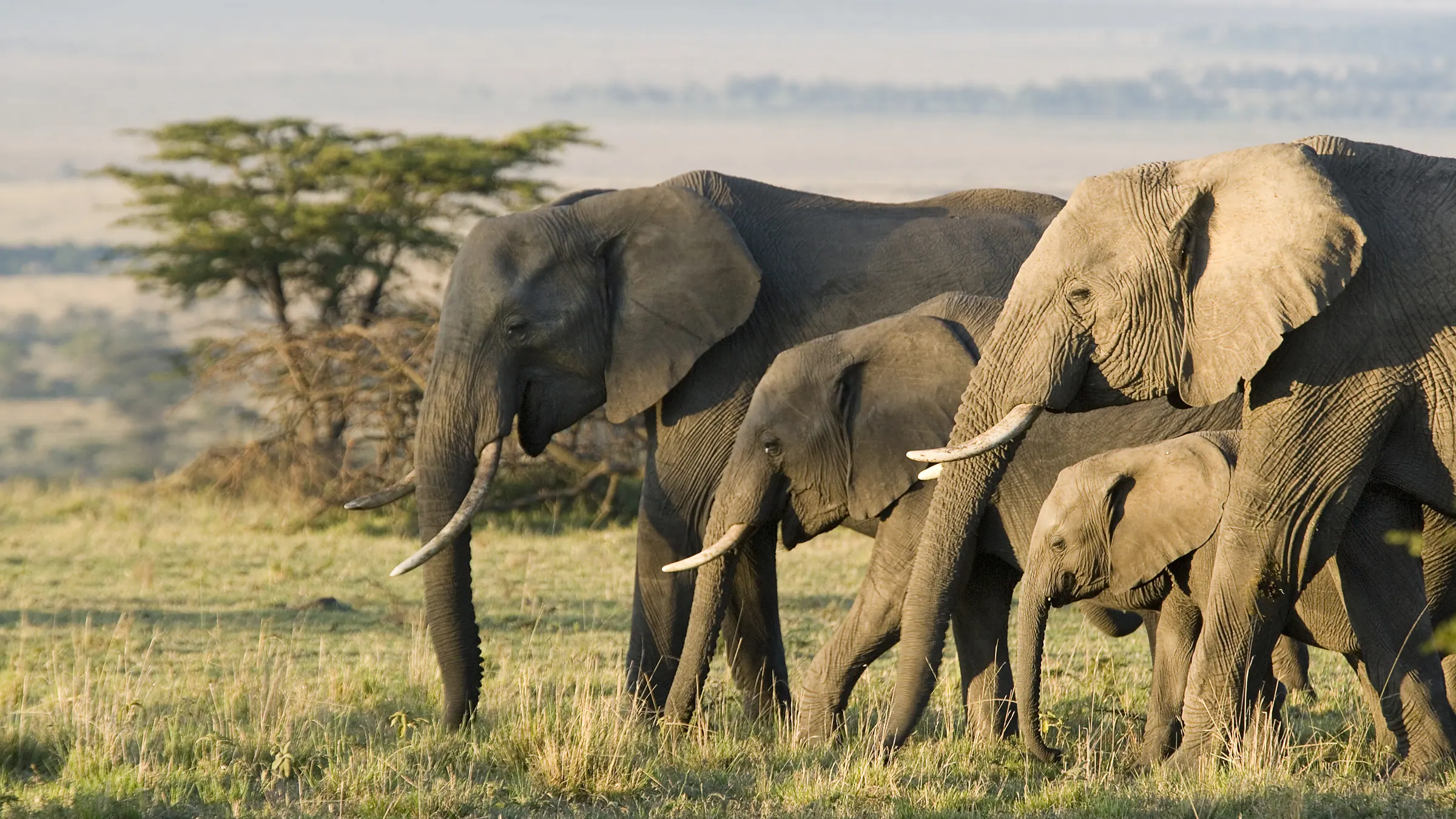
- Elephants, moving between the two Tsavo parks, often seen in the evening
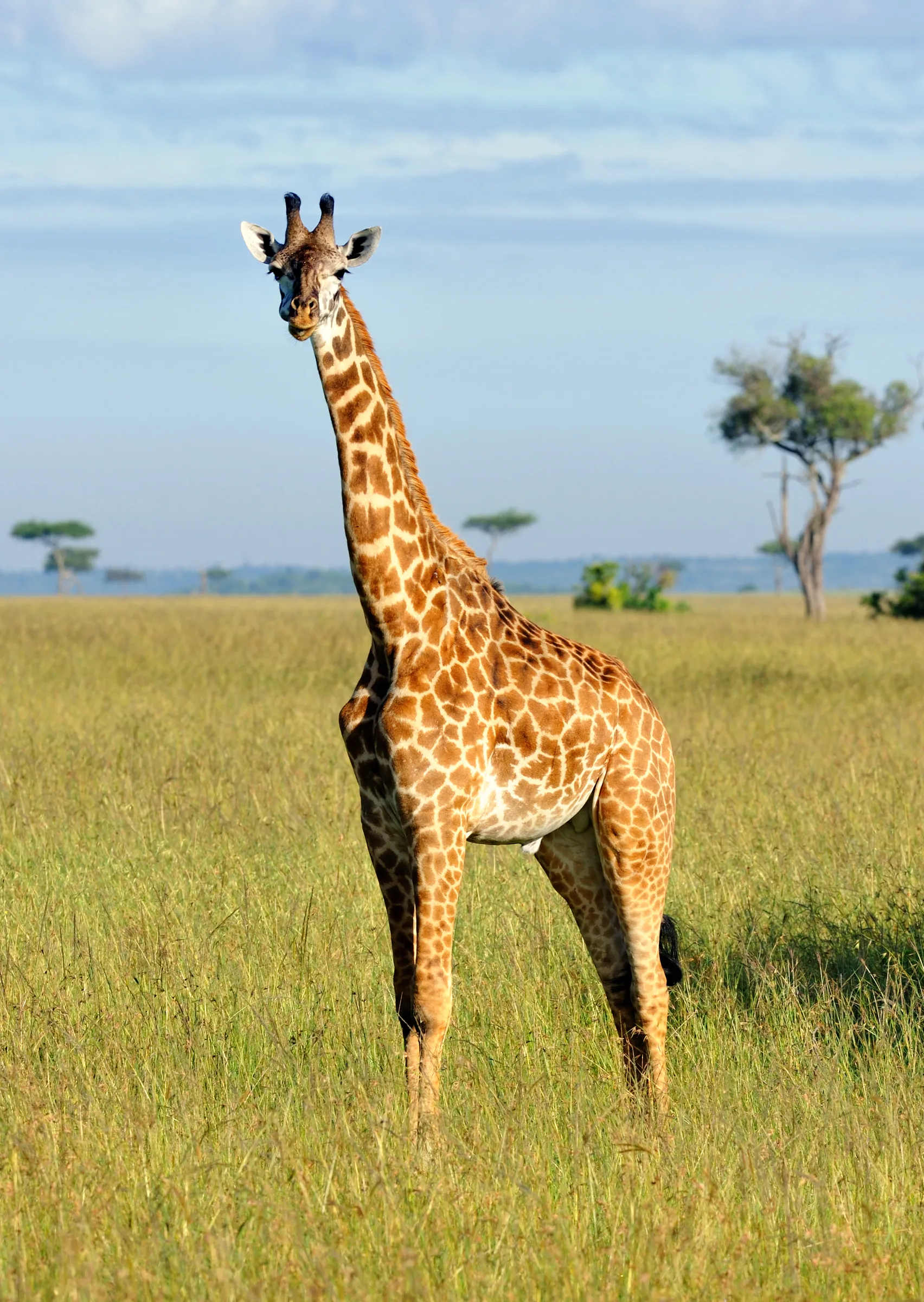
- Buffalo, giraffe, zebra, eland and impala
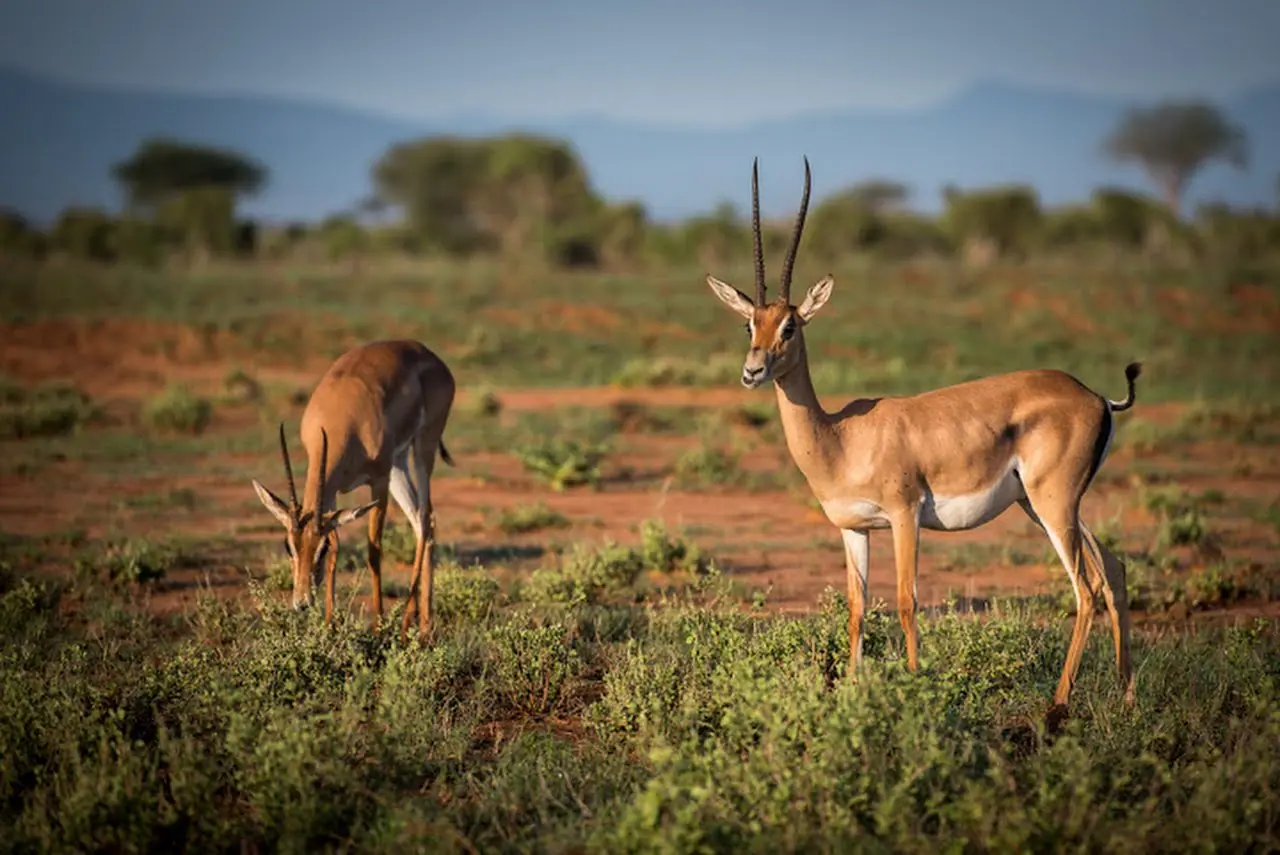
- Lesser kudu, gerenuk and dik-dik, the dry-bush specialists
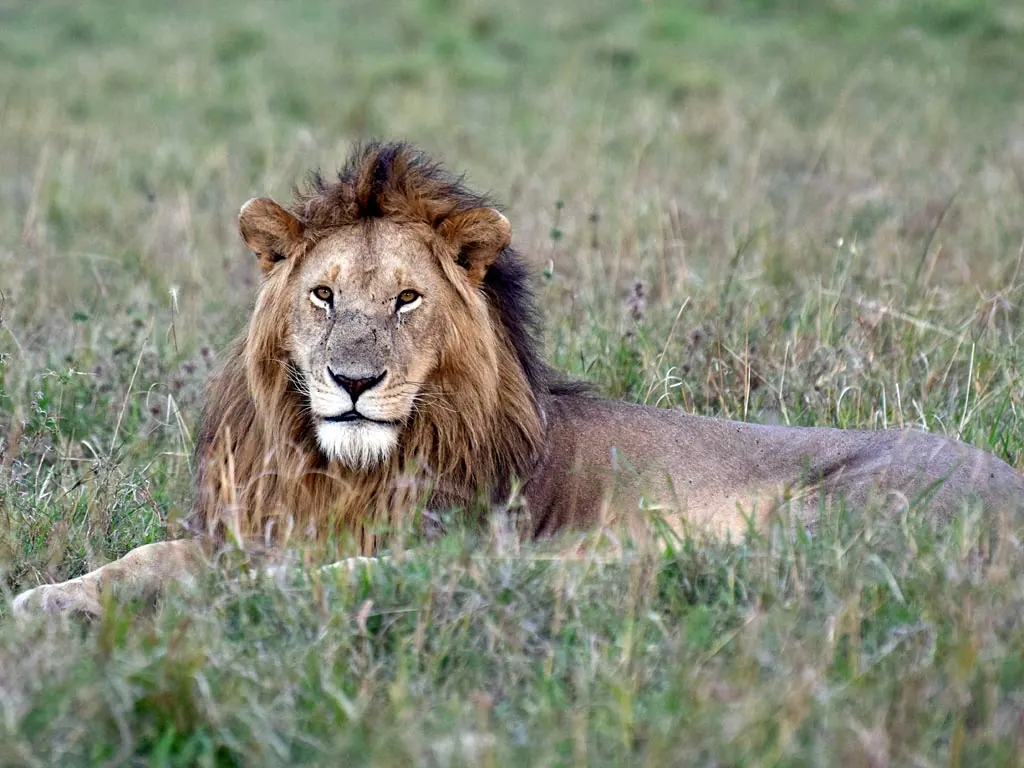
- Lions, present across the conservancy; leopards are here too but shy
- Night animals on a spotlit drive: genets, bushbabies, hyenas and, with luck, an aardvark or a porcupine
- Hornbills, bustards, rollers and birds of prey
Game is not as dense as in the best parts of Tsavo West, and the bush is thick in places, so think of LUMO as a place to see Tsavo's animals on your own terms, not a guaranteed sighting factory. The dry months, June to October and January to February, bring animals to the water and make them easier to find.
What you can do here that the parks do not allow
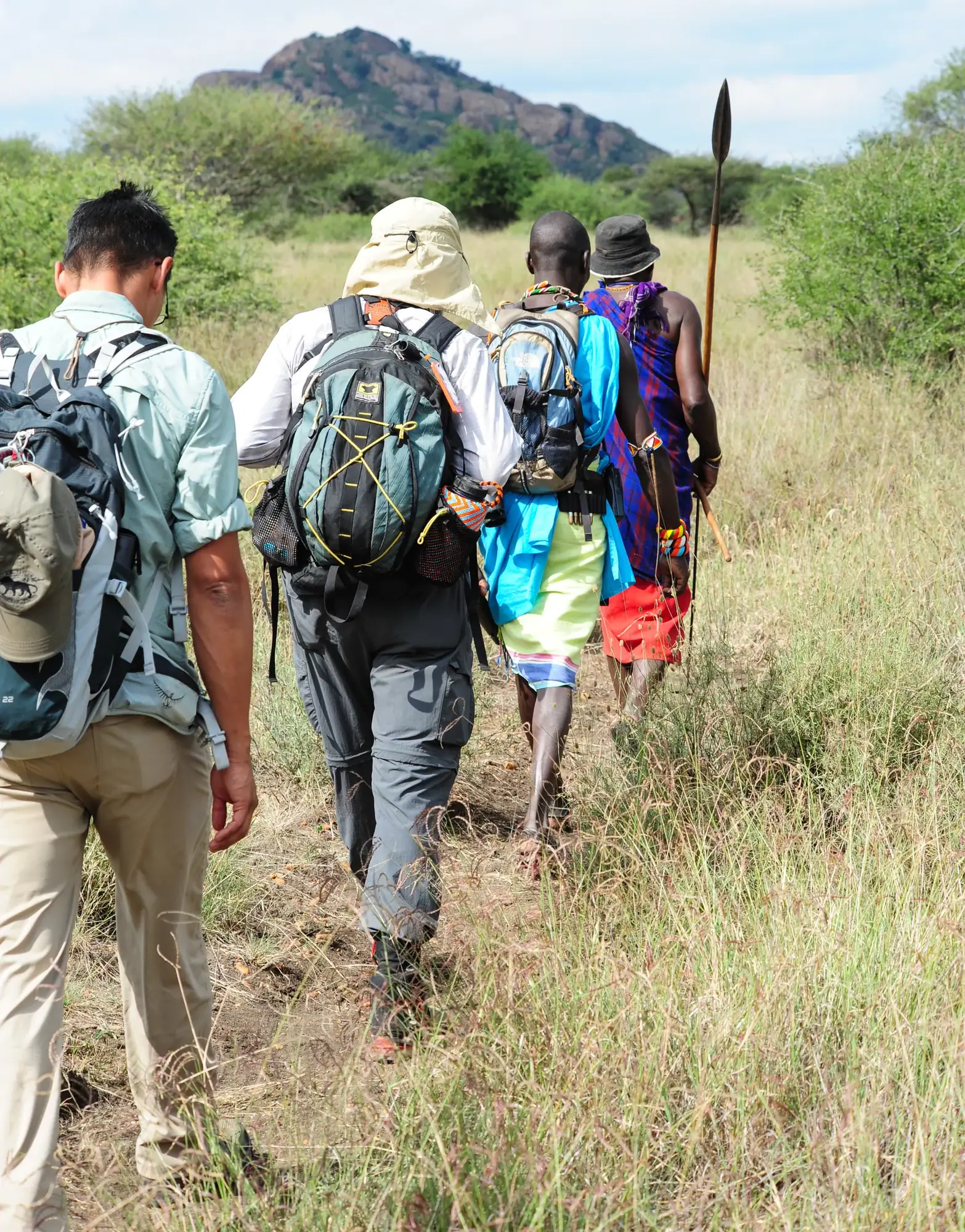
- Guided walks with community rangers, learning tracks, plants and the small life of the bush
- Night drives with a spotlight, the best chance at nocturnal animals
- Sundowners on the ridge, looking west over the plains
- A visit to the ranches or a community project, arranged with the lodge
- A day drive into Tsavo West, paying the KWS park fee for that day only
Lions Bluff Lodge
Lions Bluff sits high on a ridge above the conservancy, and on clear mornings you may see Kilimanjaro far to the west. The lodge is small and simple, open to the view, and run by the community. It is not the cheapest stay in Tsavo, because a small lodge in a remote spot costs more to run and the rate carries the conservancy fee, but you are one of a handful of vehicles on 460 square kilometers, and that is the point.
Choosing your base between the parks
| Base | Where | Character | Walks and night drives | Best for |
|---|---|---|---|---|
| Lions Bluff | LUMO | Small community-run lodge on a ridge | Yes | Quiet, views, community tourism |
| Salt Lick Safari Lodge | Taita Hills sanctuary | Large lodge on stilts over a waterhole | Night drives | Elephants at the water after dark |
| Taita Hills Safari Resort | Taita Hills sanctuary | Large hotel-style lodge with a pool | Night drives | Families and groups |
| Kilaguni Serena | Tsavo West | Classic park lodge by a waterhole | No | History, Mzima Springs |
Getting there
LUMO lies off the Voi to Taveta road, roughly an hour or so from Voi, whose station is on the Madaraka Express line, so a train-and-safari trip from Nairobi or Mombasa is easy. By road it is about 4 to 4.5 hours from Mombasa and about 6 hours from Nairobi. Tsavo West's Maktau gate is nearby, and you can continue to Amboseli through the park or past Taveta, with Lake Jipe and Lake Chala on the way.
When to go and how long
Two nights is the stay we suggest: one full day for a walk, a drive and a night drive, and time to sit on the ridge. Pair LUMO with Tsavo East for open plains and red elephants, or with a night at Salt Lick for the waterhole. The rains, roughly March to May and around November, bring green hills and fewer visitors, but tracks can be muddy and animals harder to find.
Is it right for you?
- Yes, if you want walks and night drives on a southern Kenya trip without flying to Laikipia
- Yes, if you want your stay to pay a community directly
- Think twice if you want polished luxury; this is a simple lodge in wild country
- Think twice if you have only one night in Tsavo; spend it inside the park
We are Kenyan-led, with two U.S. companies behind us, and our guides know this corner of Tsavo well. Pay in full or monthly with no deposit.